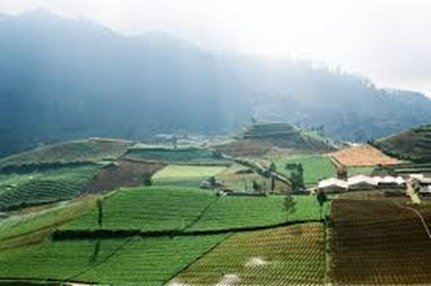

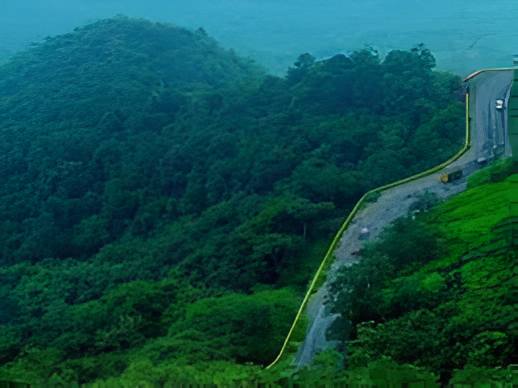
Wayanad district, located in the Western Ghats of Kerala, is one of the most ecologically sensitive regions in India. It is rich in forests, wildlife, rivers, biodiversity, and tribal communities. However, in recent years, this fragile environment has faced increasing threats due to deforestation, tourism pressure, landslides, and unregulated development.
In response to these challenges, environmental activism in Wayanad has grown significantly. Environmental activists, NGOs, local communities, and tribal groups work together to protect forests, conserve biodiversity, and promote sustainable development.
Environmental activism in Wayanad is not only about protecting nature but also about safeguarding the livelihoods and rights of local people, especially indigenous communities.
- Ecological Importance of Wayanad
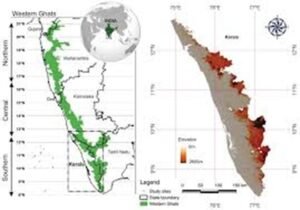
Wayanad is part of the Western Ghats, a UNESCO World Heritage Site and one of the world’s biodiversity hotspots.
Key ecological features:
- Dense tropical forests
- Rich wildlife (elephants, leopards, deer, birds)
- Important river systems
- Fertile agricultural land
- Tribal habitats
👉 Because of this ecological richness, even small environmental disturbances can have serious long-term consequences.
- Causes of Environmental Concerns in Wayanad
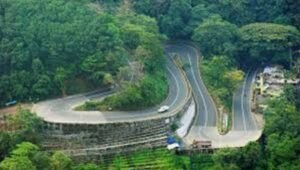
Environmental activism in Wayanad has increased due to several threats:
3.1 Deforestation
- Clearing of forests for agriculture and settlements
- Expansion of plantations (coffee, tea, spices)
- Loss of wildlife habitat
3.2 Unplanned Tourism
- Construction of resorts in eco-sensitive zones
- Waste generation from tourism
- Overcrowding in natural sites
3.3 Landslides and Climate Change
- Wayanad is highly prone to landslides
- Heavy rainfall and deforestation increase risks
- Climate change has made weather patterns unpredictable
3.4 Human-Wildlife Conflict
- Elephants entering villages
- Crop damage and loss of life
- Encroachment into forest areas
3.5 Mining and Infrastructure Projects
- Quarrying activities damage hills
- Road expansion affects forest ecosystems
- Fragmentation of wildlife corridors
- Role of Environmental Activists

Environmental activists in Wayanad play a crucial role in protecting the ecosystem.
Key roles include:
- Raising awareness about environmental issues
- Organizing protests against illegal encroachment
- Conducting environmental education programs
- Working with tribal communities
- Monitoring government and private projects
👉 Activists act as a bridge between nature, communities, and policy makers.
- Role of Local Communities and Tribals

Local communities, especially tribal groups, are important protectors of forests.
Contributions:
- Traditional knowledge of forest conservation
- Sustainable use of natural resources
- Protection of sacred groves and biodiversity
However:
- Many tribal communities face displacement
- Their rights over forest land are often challenged
👉 Environmental activism also focuses on protecting tribal rights under forest laws.
- Role of NGOs and Organizations

Several NGOs and environmental groups work in Wayanad.
Activities include:
- Tree plantation drives
- Wildlife protection programs
- Waste management campaigns
- Eco-awareness programs in schools
They also:
- Support sustainable agriculture
- Promote organic farming
- Encourage eco-friendly tourism
👉 NGOs help connect scientific conservation with community participation.
- Government Initiatives

The government has also introduced measures to protect the environment.
Major initiatives:
- Protected forest zones
- Wildlife sanctuaries and national parks
- Eco-sensitive zone regulations
- Disaster management programs
District-level efforts:
- Awareness campaigns on plastic waste
- Afforestation programs
- Regulation of tourism activities
👉 However, implementation challenges still exist in remote areas.
- Major Environmental Movements in Wayanad

Wayanad has witnessed several environmental movements over the years.
Key themes of activism:
- Protection of forest land from encroachment
- Opposition to environmentally harmful projects
- Campaigns for sustainable tourism
- Awareness about landslide risks
👉 These movements often involve students, farmers, activists, and tribal communities working together.
- Challenges Faced by Environmental Activism

Despite strong efforts, activists face many challenges:
9.1 Economic Pressure
- People depend on land for livelihood
- Development projects are seen as job creators
9.2 Conflict of Interests
- Development vs conservation debate
- Tourism revenue vs environmental protection
9.3 Legal and Political Issues
- Complex environmental laws
- Slow action on violations
- Political influence in development decisions
9.4 Lack of Awareness
- Some communities lack environmental education
- Short-term economic needs override conservation concerns
- Impact of Environmental Activism

Environmental activism in Wayanad has led to several positive changes:
Positive impacts:
- Increased awareness about forest conservation
- Better regulation of tourism activities
- Protection of wildlife habitats
- Community participation in sustainability
👉 It has helped create a balance between development and environmental protection.
- Sustainable Development Practices

To support environmental goals, Wayanad is gradually adopting sustainable practices:
Examples:
- Organic farming methods
- Eco-tourism initiatives
- Plastic-free campaigns
- Conservation of water resources
👉 These practices aim to ensure long-term environmental stability.
- Suggestions for Improvement

- Strengthen Environmental Laws
- Strict enforcement against illegal encroachment
- Promote Eco-Friendly Tourism
- Limit construction in sensitive zones
- Encourage responsible tourism
- Community Participation
- Involve tribal communities in conservation
- Support local decision-making
- Environmental Education
- School awareness programs
- Public campaigns
- Disaster Prevention Planning
- Landslide risk mapping
- Climate adaptation strategies
- Conclusion
Environmental activism in Wayanad plays a crucial role in protecting one of India’s most sensitive ecological regions. It addresses challenges such as deforestation, climate change, tourism pressure, and habitat loss while also supporting local communities.
The success of environmental protection in Wayanad depends on the cooperation of government, NGOs, activists, and local people. A balanced approach between development and conservation is essential to ensure a sustainable future for the district.