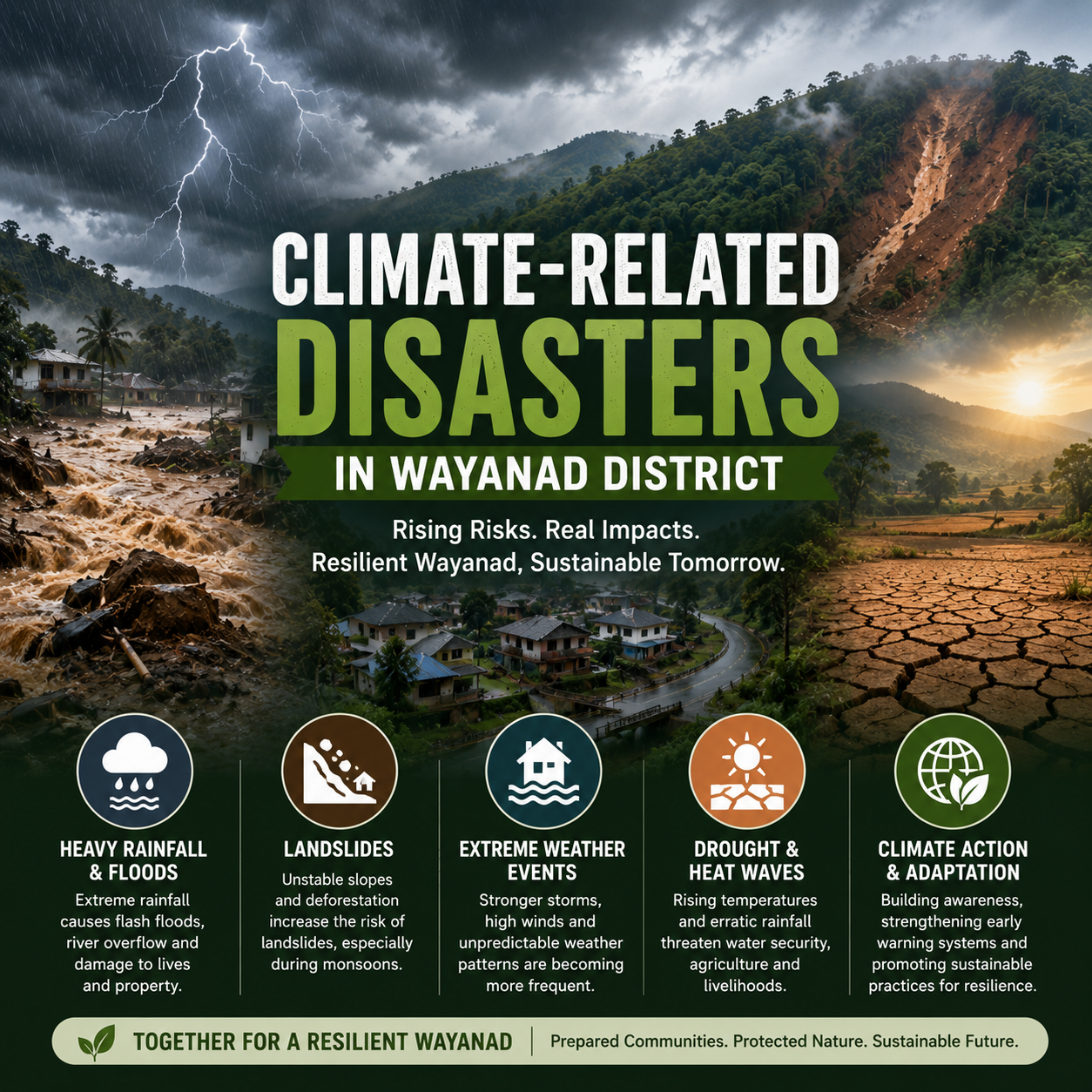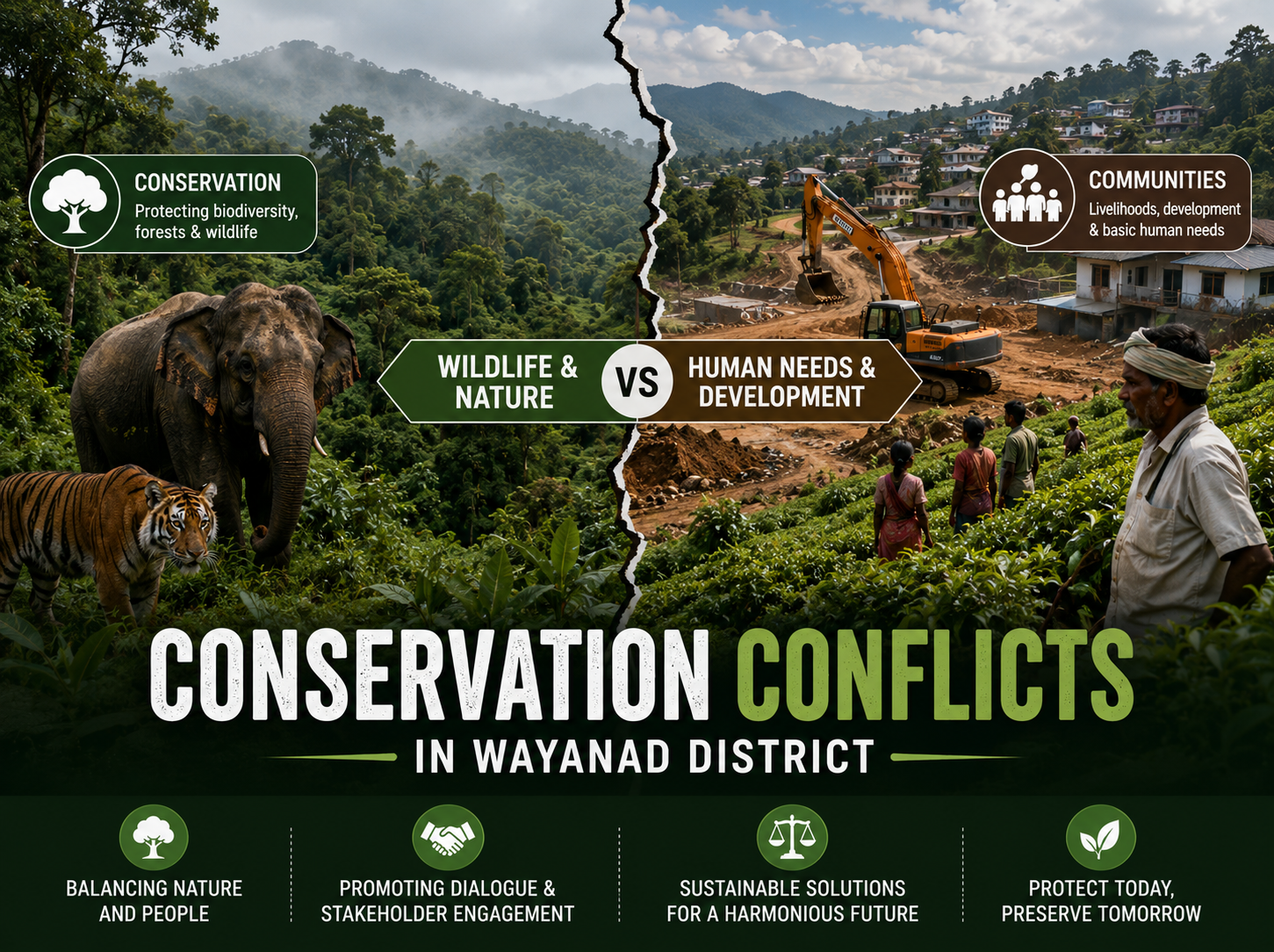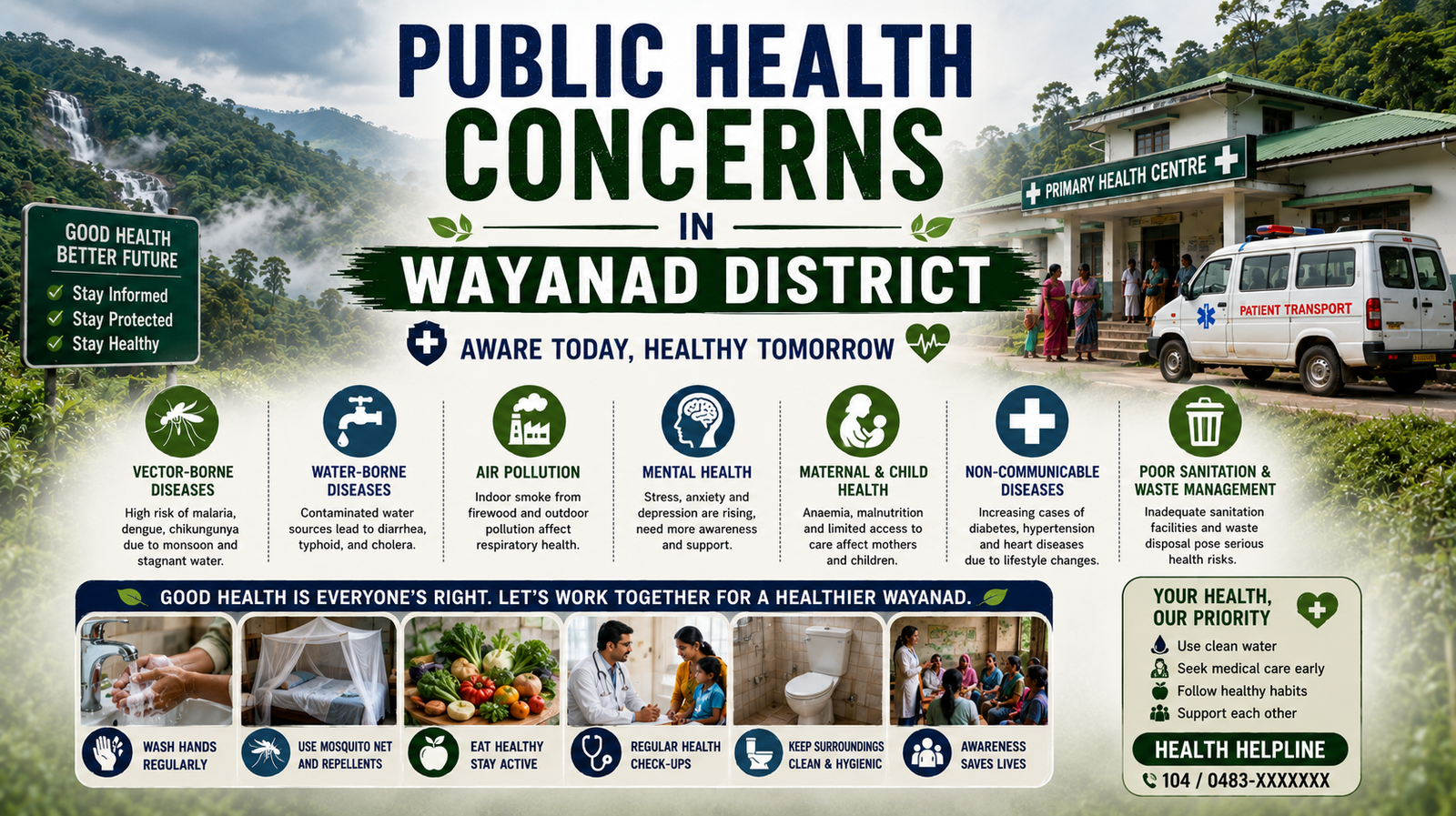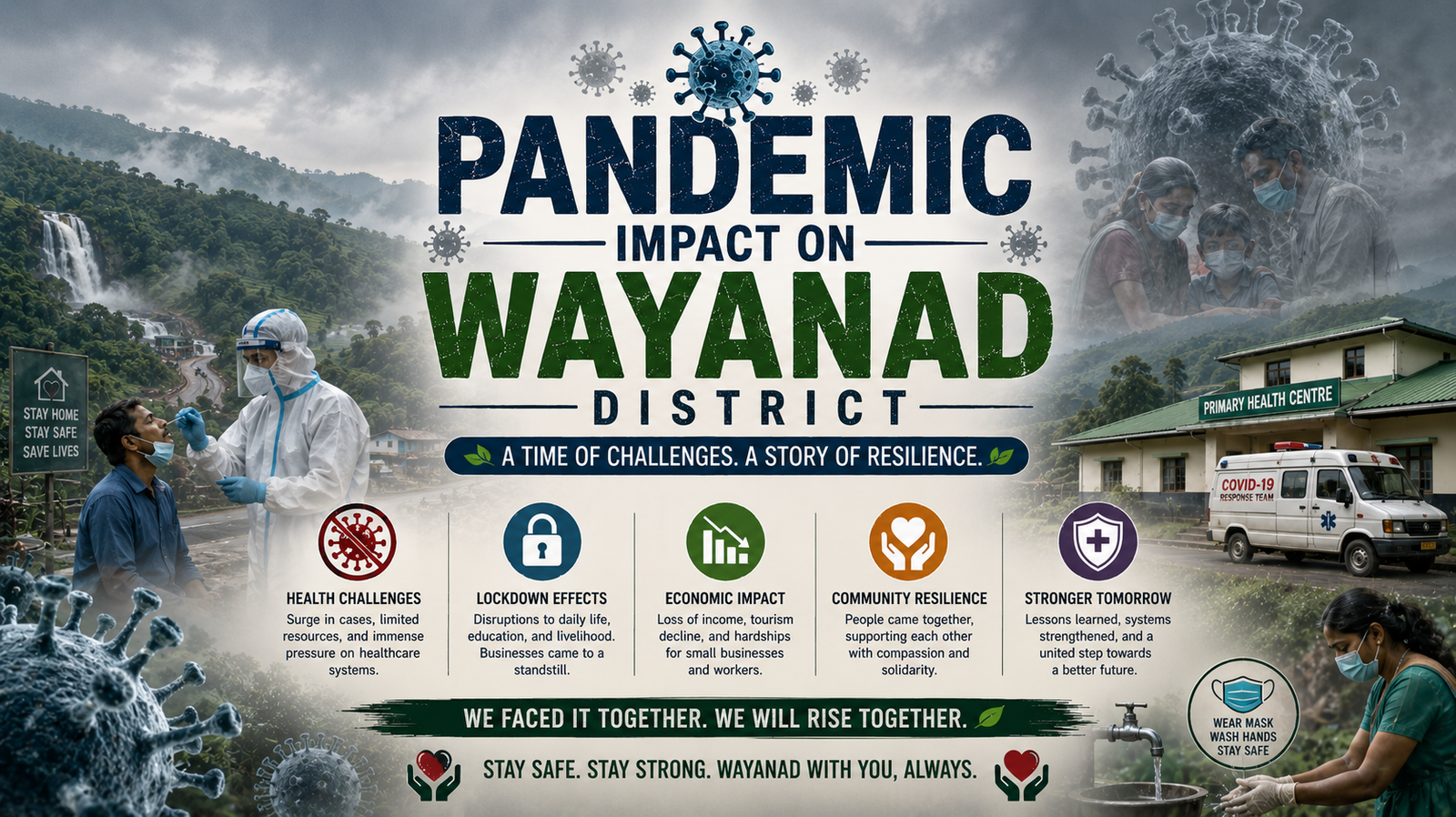

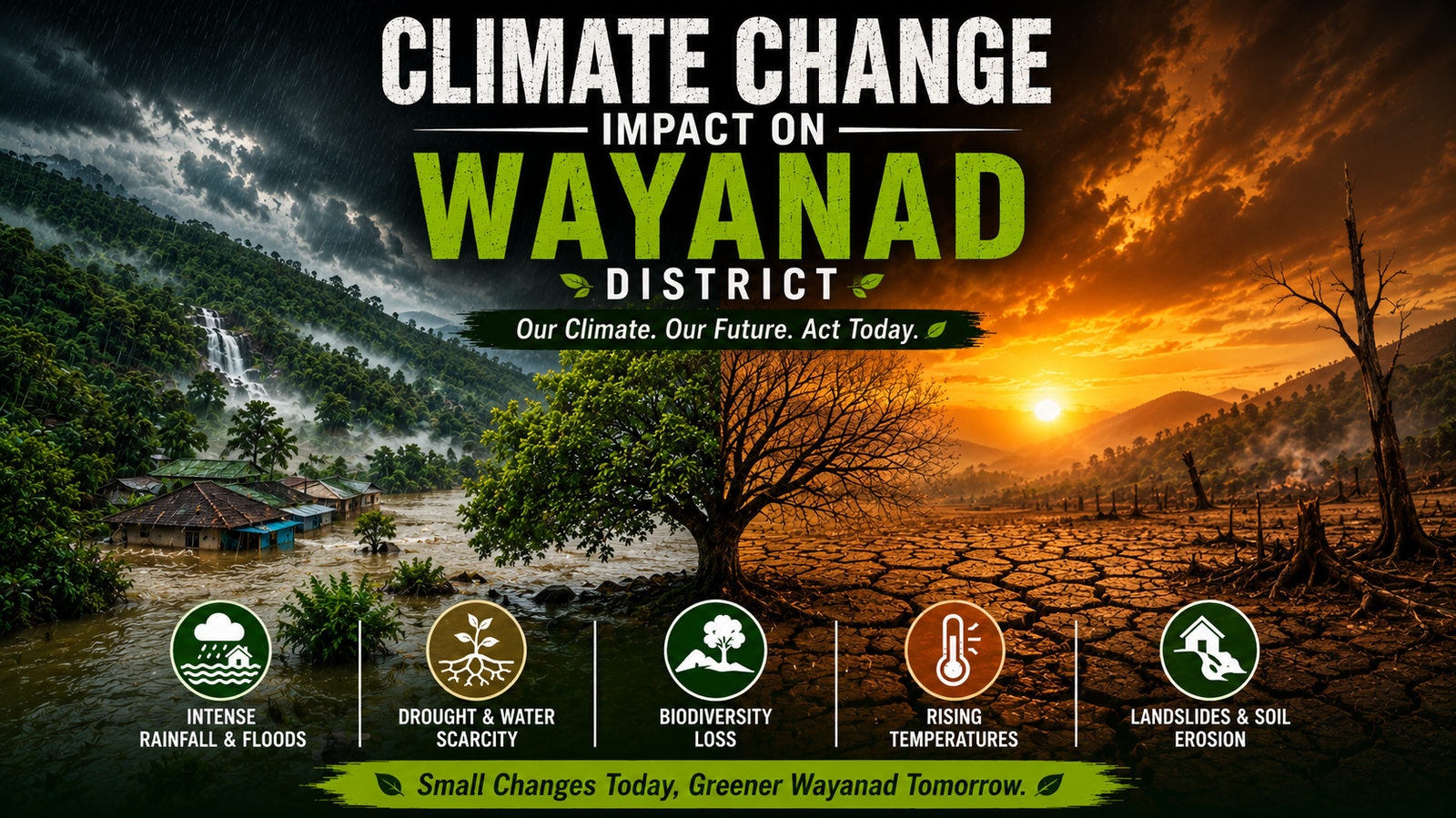
Wayanad, a hilly district in Kerala located in the Western Ghats, is known for its rich biodiversity, forest cover, and agricultural economy. However, in recent years, the region has emerged as one of the most climate-vulnerable districts in India. Climate change has significantly altered rainfall patterns, increased extreme weather events, and intensified environmental degradation in Wayanad.
The interaction between fragile ecology, human activities, and changing climate conditions has made the district highly prone to disasters such as landslides, floods, and crop failures.
- Changing Rainfall Patterns
One of the most visible impacts of climate change in Wayanad is the change in monsoon behaviour.
- Rainfall has become more intense and erratic rather than evenly distributed.
- Short-duration heavy rainfall events are increasing.
- Long dry spells are followed by sudden heavy downpours.
For example, during the 2024 disaster, Wayanad received over 140 mm of rainfall in a single day, one of the highest recorded events.
Studies have shown that:
- Climate change made such rainfall events about 10% more intense.
- These extreme rainfall events are expected to increase further in the future.
This shift is largely due to warming oceans (especially the Arabian Sea), which increase moisture and lead to sudden cloudbursts.
- Increase in Landslides and Floods
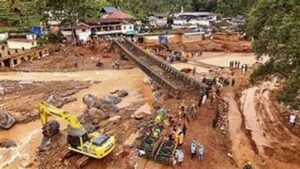
Wayanad has become highly prone to landslides due to a combination of natural and human-induced factors.
Causes:
- Intense rainfall saturates soil
- Steep slopes of the Western Ghats
- Deforestation and land-use changes
- Quarrying and construction activities
In 2024, massive landslides in Wayanad:
- Killed more than 200 people
- Were triggered by heavy rainfall on already saturated soil
Scientists found that:
- These landslides were directly linked to climate change
- Such extreme events may become more frequent in the future
Additionally:
- Around 59% of landslides in Kerala occur in plantation areas, showing the role of land-use change.
- Role of Deforestation and Land Use Change
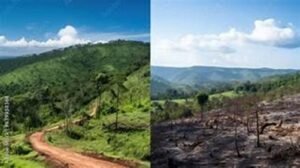
Climate change impacts in Wayanad are worsened by human activities.
Major issues:
- Loss of forest cover
- Expansion of plantations (tea, coffee, rubber)
- Construction in ecologically sensitive areas
Forests play a key role in:
- Holding soil together
- Absorbing rainwater
- Preventing erosion
However:
- Large-scale deforestation has weakened slope stability
- Plantation crops do not provide the same ecological protection as natural forests
Studies suggest that forest loss and environmental degradation have increased Wayanad’s susceptibility to landslides.
- Impact on Agriculture

Agriculture is the backbone of Wayanad’s economy, especially crops like:
- Coffee
- Pepper
- Rice
- Cardamom
Climate change is affecting agriculture in several ways:
- a) Temperature rise
- Increased temperatures reduce crop productivity
- Coffee plants are especially sensitive to heat above 30°C
- b) Erratic rainfall
- Leads to crop damage and reduced yields
- Causes double flowering in coffee, reducing quality
- c) Pest and disease increase
- Changing climate creates favorable conditions for pests
Recent studies indicate:
- Wayanad has experienced more extreme weather days, affecting coffee production significantly.
- Impact on Biodiversity

Wayanad is part of the Western Ghats, a global biodiversity hotspot. Climate change threatens its rich flora and fauna.
Effects include:
- Habitat loss due to temperature and rainfall changes
- Migration of species to higher altitudes
- Increased risk of forest fires during dry periods
Climate change can disturb the delicate ecological balance, affecting the following:
- Wildlife corridors
- Endangered species
- Forest ecosystems
- Socio-Economic Impacts
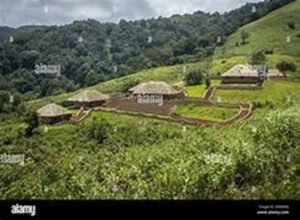
Climate change is not only an environmental issue but also a social and economic challenge.
- a) Loss of lives and property
Frequent landslides and floods lead to the following:
- Deaths
- Destruction of homes
- Displacement of people
- b) Impact on tribal communities
Wayanad has a significant tribal population that depends on forests and agriculture. Climate change:
- Disrupts traditional livelihoods
- Increases vulnerability and poverty
- c) Tourism impact
Wayanad is a popular tourist destination, but
- Natural disasters reduce tourist inflow
- Infrastructure damage affects the economy
- Future Risks
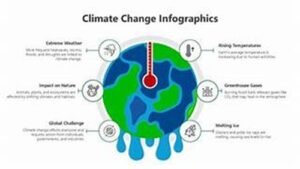
Scientific studies warn that:
- Extreme rainfall events may become even more intense in the future
- A 2°C rise in global temperature could further increase rainfall intensity
- Landslides may become more frequent and severe
Wayanad is therefore considered a climate hotspot requiring urgent attention.
- Mitigation and Adaptation Measures
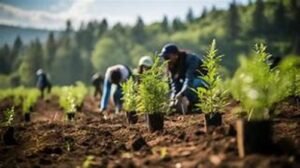
To reduce climate change impacts, several steps are necessary:
- a) Environmental protection
- Afforestation and reforestation
- Protection of natural forests
- Restrict quarrying and deforestation
- b) Sustainable land use
- Avoid construction in landslide-prone areas
- Promote eco-friendly agriculture
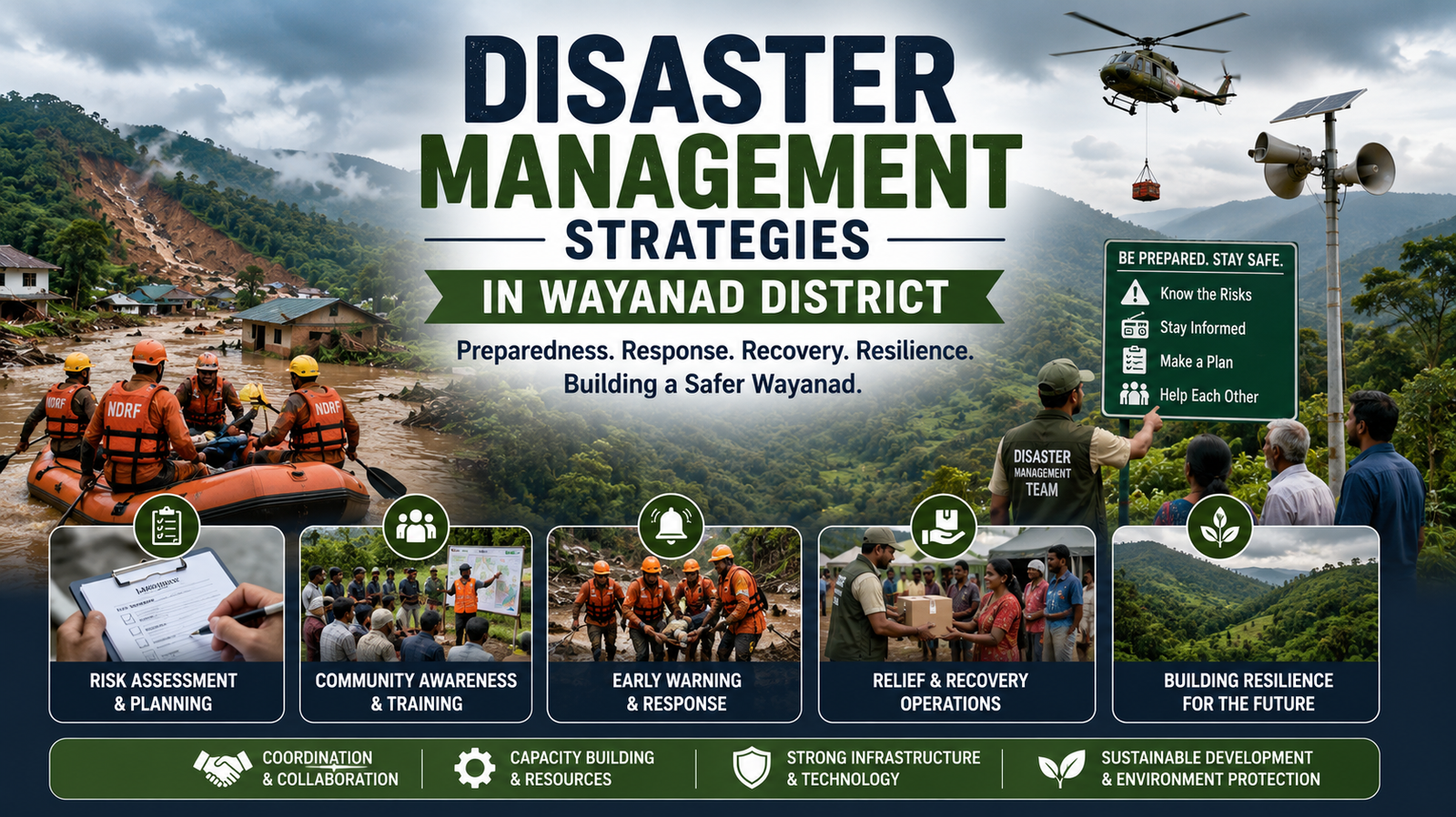
- c) Disaster management
- Early warning systems
- Evacuation planning
- Community awareness programs
- d) Climate-resilient agriculture
- Use of climate-resistant crop varieties
- Improved irrigation and soil conservation techniques
- Conclusion
Climate change has significantly impacted Wayanad district, making it more vulnerable to extreme weather events, landslides, and ecological imbalance. The increasing intensity of rainfall, combined with human activities such as deforestation and unplanned development, has worsened the situation.
If immediate and sustainable measures are not taken, Wayanad may face more frequent and severe disasters in the future. Therefore, a balance between development and environmental conservation is essential to protect this ecologically fragile region.