Wayanad district is not only known for its natural beauty and tourism but also for initiatives focused on youth empowerment and skill development. Youth development programmes in Wayanad aim to equip young people with education, vocational skills, leadership qualities, and sports training, preparing them for professional and personal success.
These programmes are supported by the government, local NGOs, educational institutions, and community organisations, providing a strong foundation for the district’s younger generation.
Importance of Youth Development
Youth development is crucial for Wayanad due to its growing population of young people and increasing opportunities in tourism, sports, and service sectors.
Key objectives include:
Enhancing educational and vocational skills
Promoting health, fitness, and sports participation
Encouraging leadership, civic engagement, and social responsibility
Creating employment opportunities and entrepreneurship avenues
These initiatives ensure that the youth of Wayanad are well-prepared for modern challenges while contributing to local development.
Government-Led Youth Programs
The Kerala state government, in collaboration with the Wayanad District Administration, runs several programmes for youth development:
Skill Development Programs
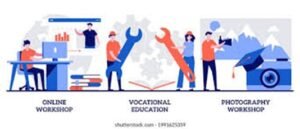
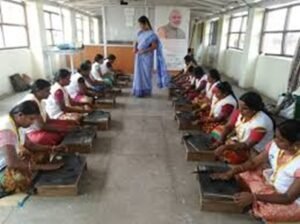
Vocational training centres offer courses in IT, agriculture, tourism, and handicrafts.
Programs like Kaushal Kerala provide industry-orientated training for employable skills.
Sports and Adventure Programs
Sports academies and adventure camps encourage youth participation in football, cricket, trekking, and cycling.
Scholarships and awards are provided to talented athletes from Wayanad.
Leadership and Civic Engagement
Youth clubs and local governance initiatives promote community service, environmental awareness, and leadership training.
Programs like National Service Scheme (NSS) engage students in volunteer work and social projects.
Non-Governmental Organisation (NGO) Initiatives
Local NGOs play a significant role in supplementing government programmes:
Vocational Training and Entrepreneurship: NGOs train youth in small-scale businesses, handicrafts, and tourism services.
Health and Education Programmes: Initiatives include literacy campaigns, health awareness, and counselling for adolescents.
Cultural and Sports Promotion: Community centres organise sports tournaments, cultural events, and talent workshops.
These programmes empower youth to contribute actively to their communities.
Educational Institutions and Youth Development
Schools, colleges, and training institutes in Wayanad have integrated youth development programmes into their curriculum:
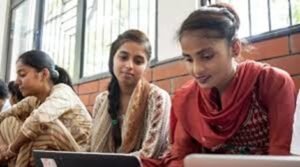
Skill Development Workshops: Computer literacy, language courses, and vocational skills
Student Leadership Programs: Class representatives, student councils, and cultural committees
Educational institutions are vital for shaping the mindset, skills, and social responsibility of young individuals.
Sports as a Tool for Youth Development
Sports and physical activities are essential components of youth programmes:
Local Clubs and Academies: Encourage participation in cricket, football, athletics, and adventure sports
State-Level Competitions: Talented athletes from Wayanad are selected for district, state, and national-level tournaments
Health and Fitness Programs: Yoga camps, trekking, and cycling events promote wellness
Sports programmes not only enhance fitness but also teach discipline, teamwork, and leadership.
Cultural and Social Development
Youth development in Wayanad also emphasises cultural and social awareness:
Cultural Workshops: Dance, music, and traditional arts
Community Engagement: Participation in environmental campaigns, charity drives, and social awareness programs
Skill-Based Competitions: Quiz contests, debates, and art competitions to develop creativity and confidence
These initiatives nurture holistic development and strengthen cultural identity.
Challenges in Youth Development
Despite progress, there are challenges in fully realising youth potential:
Limited Access in Remote Areas: Villages in hilly regions face difficulties accessing training centres.
Infrastructure and Resources: Shortage of modern sports facilities and vocational training equipment
Awareness Gap: Many youth are unaware of available programmes.
Need for Trained Mentors: Insufficient skilled trainers for leadership, technical, and sports programs
Addressing these challenges requires coordinated efforts from government, NGOs, and communities.
Future Prospects
Wayanad’s youth development programmes have great potential to transform the district:
Expansion of vocational and skill-based training for employment
Promotion of sports tourism and adventure activities involving local youth
Digital literacy and entrepreneurship programs for global competitiveness
Strengthening leadership and social responsibility initiatives
A robust youth development framework can make Wayanad a model district for empowering young people while boosting the local economy and culture.
Conclusion
Youth development programmes in the Wayanad district focus on education, skills, sports, leadership, and cultural awareness, creating opportunities for young people to excel.
With continued support from government initiatives, NGOs, and educational institutions, the youth of Wayanad are being equipped to face modern challenges, contribute to society, and drive the district’s development forward.
By integrating education, sports, culture, and skill development, Wayanad is paving the way for a dynamic and empowered generation of youth.
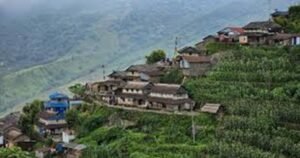
Wayanad is a hilly, rural district in northern Kerala with rich biodiversity, fertile agricultural land, and a large population of tribal communities. Despite Kerala’s high human development indicators nationally, Wayanad has long lagged behind others in economic well‑being, employment opportunities, and living standards. Much of its economy depends on agriculture, daily wage work, and seasonal employment, but many residents still struggle with poverty and lack of stable jobs.
Poverty in Wayanad — The Local Reality
2.1 Official Claims vs. Ground Reality
In late 2025, the Kerala government announced the Wayanad district and the entire state as having eliminated extreme poverty. The claim was based on official surveys and poverty alleviation programmes that targeted housing, food security, and social support for the poorest families.
However, tribal activists and ground surveys challenge this narrative. They argue that while official figures may show very low poverty rates on paper, many tribal households still live without basic needs — lacking stable income, proper housing, electricity, toilets, or even sufficient food on many days. In some remote settlements, families struggle to eat more than one meal a day and live in leaking sheds despite being included in welfare schemes.
2.2 Tribal Households and Persistent Deprivation
Wayanad has one of the largest tribal populations in Kerala, and studies show that tribal communities such as the Paniyas remain socio‑economically marginalised, even after decades of welfare programmes. They often lack land ownership, secure jobs, education, and access to regular healthcare.
Under schemes like the Tribal Plus Scheme and MGNREGS, Wayanad generates a significant number of workdays compared to other districts. However, work generated is often seasonal and irregular, failing to provide continuous income for many families.
Unemployment — A Structural Challenge
3.1 Lack of Formal Jobs
Wayanad’s economy is heavily agrarian, with agriculture and daily wage labour being the primary sources of livelihood. Many workers do not have steady employment contracts, formal salaries, or job security. This leads to underemployment, where people work irregularly, earn low wages, and remain vulnerable to seasonal changes in work availability.
3.2 Graduate and Youth Unemployment
Kerala — despite strong literacy rates — also grapples with high unemployment among educated youth, where many graduates cannot find suitable jobs matching their qualifications. While data specific to Wayanad is limited, the broader state trend shows a high rate of youth unemployment, indicating a mismatch between education and job opportunities.
Many youngsters either migrate temporarily to urban centres or the Gulf in search of work or remain unemployed, adding pressure on families left behind.
Root Causes of Poverty and Unemployment
4.1 Economic Structure and Agriculture Dependence
Agriculture remains the backbone of Wayanad’s economy, but small landholdings, dependence on seasonal crops (like coffee, pepper, and rice), and the absence of large industries limit job creation. There are few opportunities for formal sector jobs, manufacturing, or sustained services employment in the district.
4.2 Tribal and Social Exclusion
Tribal families often face multidimensional poverty — not just income deprivation but also limited access to education, healthcare, and employment opportunities due to social and geographic isolation. This makes it harder for tribal youths to compete for skilled work or stable income sources.
4.3 Seasonal and Informal Work Patterns
Many residents work as agricultural labourers or daily wage earners. During non‑harvest months or downturns in agricultural demand, these workers have no alternative employment, leading to cash flow gaps, food insecurity, and inability to invest in education or health.
Impacts of Poverty and Unemployment
5.1 Household Livelihood Stress
Families without stable work struggle to afford basic necessities like nutritious food, clean water, and healthcare. In areas where seasonal employment drops, malnutrition and poor health are more prevalent, especially among children and women.
5.2 Education and Dropouts
School absenteeism and high drop‑out rates are linked to poverty because families may need children to support household income or cannot afford school‑related expenses. This breaks the cycle of education and employment, perpetuating long‑term economic vulnerability in the district.
5.3 Migration and Labour Shifts
Many young adults leave Wayanad to seek work elsewhere due to limited opportunities at home. While remittances help some households, migration also creates family stress and can weaken community structures.
Government and Policy Responses
6.1 Poverty Eradication Initiatives
The Kerala government runs several flagship schemes such as the Tribal Plus Mission, food security programmes, housing support, and employment guarantees under the MGNREGS, aiming to reduce poverty and create wage work for rural households.
While these programmes have helped many, gaps in implementation and eligibility exclusion persist, especially among the tribal poor who may lack documentation or live in remote hamlets.
6.2 Skill Development and Education Support
There are ongoing efforts to introduce skill development programmes, vocational training, and educational support for rural youths. However, aligning skills with market demand and creating local job opportunities remain ongoing challenges.
Community Voices and Critiques
Many tribal activists and civil society voices contend that official statements on poverty elimination do not reflect the lived reality of thousands of families. They highlight that figures can be skewed by data collection methods, and poverty — especially multidimensional poverty — remains entrenched when measured by health, education, living standards, and job quality.
Conclusion — Way Forward
Addressing poverty and unemployment in Wayanad requires multi‑pronged strategies:
Boosting non‑agricultural employment through small industry and services development.
Strengthening social safety nets that actually reach the most vulnerable, especially tribal households.
Investing in education and skill training that aligns with market needs.
Improving infrastructure and connectivity so remote communities can access jobs and services.
By focusing not just on income metrics but holistic human development, Wayanad can move towards sustainable poverty reduction and better employment outcomes for all its residents.