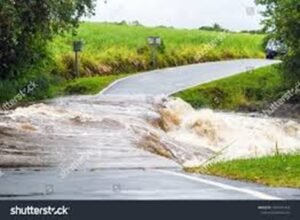
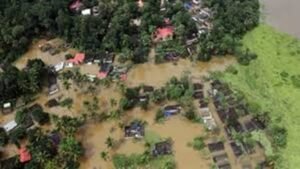
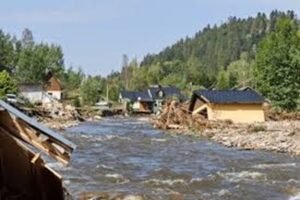
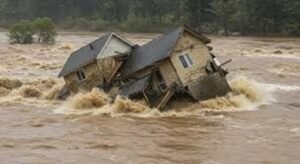
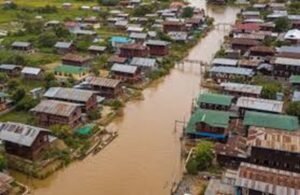
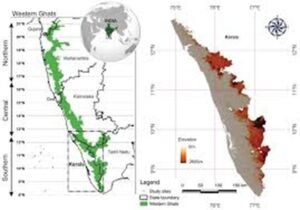
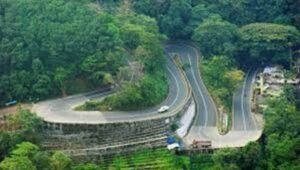
Wayanad district, located in the Western Ghats, is known for its rich biodiversity, hilly terrain, and agricultural economy. However, the district has increasingly faced frequent floods, especially during the monsoon season. These floods have caused significant damage to lives, property, agriculture, and infrastructure, making them one of the major environmental challenges in the region.
Flooding in Wayanad is often linked to heavy rainfall, landslides, and poor drainage systems, which together intensify the impact on both rural and urban communities.
Causes of Floods in Wayanad
Heavy Monsoon Rainfall
The primary cause of flooding in Wayanad is intense monsoon rainfall. During the southwest monsoon, the district receives heavy and continuous rains, leading to:
Overflowing rivers and streams
Waterlogging in low-lying areas
Increased surface runoff
In recent years, rainfall patterns have become more unpredictable, with short bursts of extremely heavy rain, increasing the risk of flash floods.
Hilly Terrain and Poor Drainage
Wayanad’s hilly landscape contributes significantly to flooding:
Rainwater flows rapidly downhill, accumulating in valleys
Narrow river channels overflow quickly
Poor drainage infrastructure worsens water stagnation
This natural terrain makes certain regions highly vulnerable to flash floods.
Landslides and Soil Erosion
Floods in Wayanad are often accompanied by landslides. When heavy rain loosens soil on steep slopes:
Mud and debris block rivers and streams
Sudden release of water leads to flash floods
Soil erosion reduces land stability
This combination of floods and landslides increases the severity of disasters.
Deforestation and Human Activities
Human activities have also contributed to flooding:
Clearing forests for agriculture and construction
Encroachment on riverbanks and floodplains
Road construction in hilly areas
These activities reduce natural water absorption and increase surface runoff, worsening flood conditions.
Major Flood Events in Wayanad
Kerala Floods of 2018
The 2018 Kerala floods, one of the worst disasters in the state’s history, had a severe impact on Wayanad:
Heavy rainfall led to flooding and landslides
Many villages were submerged or cut off
Infrastructure such as roads and bridges was damaged
This event highlighted the vulnerability of Wayanad to extreme weather conditions.
Recent Flood Incidents (2019–2025)
Following 2018, Wayanad experienced repeated flooding events:
2019 and 2020 floods caused landslides and displacement
Heavy rains in subsequent years triggered flash floods
Flooding continues to occur during intense monsoon seasons
These repeated disasters show a pattern of increasing climate risk in the district.
Impact of Floods
Loss of Life and Property
Floods have led to:
Loss of human lives
Destruction of houses and buildings
Damage to personal belongings
Many families have been forced to relocate or rebuild their homes.
Agricultural Damage
Agriculture is the backbone of Wayanad’s economy. Floods have severely affected:
Crops like rice, coffee, tea, and spices
Plantation areas washed away by water
Soil fertility due to erosion
Farmers face huge economic losses and uncertainty.
Infrastructure Damage
Floods damage essential infrastructure such as:
Roads and bridges
Electricity and communication networks
Schools and public buildings
This disrupts daily life and delays development activities.
Displacement and Relief Camps
Flood-affected people often move to:
Relief camps set up in schools and community halls
Temporary shelters with limited facilities
Displacement causes emotional stress and health risks for affected families.
Health and Environmental Issues
Floods create several health problems:
Spread of waterborne diseases (cholera, dengue)
Contamination of drinking water
Increase in mosquito breeding
Environmental impacts include:
Soil erosion
Loss of biodiversity
River pollution
Government and Community Response
Relief and Rescue Operations
During floods, authorities and rescue teams:
Evacuate people from affected areas
Provide food, water, and medical care
Use boats and emergency services for rescue
Community volunteers also play a key role in supporting affected families.
Rehabilitation Measures
After floods, the government focuses on:
Rebuilding houses and infrastructure
Providing financial assistance
Restoring agriculture and livelihoods
Long-term rehabilitation is essential for sustainable recovery.
Disaster Management Initiatives
Efforts are being made to improve disaster preparedness:
Early warning systems
Flood risk mapping
Awareness programs for communities
These initiatives aim to reduce the impact of future floods.
Challenges in Flood Management
Despite efforts, several challenges remain:
Limited infrastructure in remote areas
Difficulty in predicting extreme rainfall
Lack of awareness in vulnerable communities
Environmental degradation
These challenges make flood management in Wayanad complex and ongoing.
Future Measures and Solutions
To reduce flood impact, the following steps are important:
Sustainable Land Use
Protect forests and natural vegetation
Avoid construction in flood-prone areas
Improved Drainage Systems
Develop efficient drainage networks
Maintain rivers and water channels
Strengthening Infrastructure
Build flood-resistant roads and buildings
Improve connectivity in rural areas
Community Awareness
Educate people about disaster preparedness
Conduct drills and training programs
Climate Adaptation Strategies
Monitor rainfall patterns
Use technology for early warning systems
Conclusion
Floods in Wayanad district have become a recurring natural disaster, causing widespread damage to lives, livelihoods, and the environment. While natural factors like heavy rainfall and hilly terrain play a major role, human activities and climate change have intensified the problem.
With better planning, sustainable development, improved infrastructure, and strong community participation, Wayanad can reduce the impact of floods and build a more resilient and disaster-ready future.
Wayanad district, located in the Western Ghats of Kerala, is one of the most ecologically sensitive regions in India. It is rich in forests, wildlife, rivers, biodiversity, and tribal communities. However, in recent years, this fragile environment has faced increasing threats due to deforestation, tourism pressure, landslides, and unregulated development.
In response to these challenges, environmental activism in Wayanad has grown significantly. Environmental activists, NGOs, local communities, and tribal groups work together to protect forests, conserve biodiversity, and promote sustainable development.
Environmental activism in Wayanad is not only about protecting nature but also about safeguarding the livelihoods and rights of local people, especially indigenous communities.
Ecological Importance of Wayanad
Wayanad is part of the Western Ghats, a UNESCO World Heritage Site and one of the world’s biodiversity hotspots.
Key ecological features:
Dense tropical forests
Rich wildlife (elephants, leopards, deer, birds)
Important river systems
Fertile agricultural land
Tribal habitats
👉 Because of this ecological richness, even small environmental disturbances can have serious long-term consequences.
Causes of Environmental Concerns in Wayanad
Environmental activism in Wayanad has increased due to several threats:
3.1 Deforestation
Clearing of forests for agriculture and settlements
Expansion of plantations (coffee, tea, spices)
Loss of wildlife habitat
3.2 Unplanned Tourism
Construction of resorts in eco-sensitive zones
Waste generation from tourism
Overcrowding in natural sites
3.3 Landslides and Climate Change
Wayanad is highly prone to landslides
Heavy rainfall and deforestation increase risks
Climate change has made weather patterns unpredictable
3.4 Human-Wildlife Conflict
Elephants entering villages
Crop damage and loss of life
Encroachment into forest areas
3.5 Mining and Infrastructure Projects
Quarrying activities damage hills
Road expansion affects forest ecosystems
Fragmentation of wildlife corridors
Role of Environmental Activists
Environmental activists in Wayanad play a crucial role in protecting the ecosystem.
Key roles include:
Raising awareness about environmental issues
Organizing protests against illegal encroachment
Conducting environmental education programs
Working with tribal communities
Monitoring government and private projects
👉 Activists act as a bridge between nature, communities, and policy makers.
Role of Local Communities and Tribals
Local communities, especially tribal groups, are important protectors of forests.
Contributions:
Traditional knowledge of forest conservation
Sustainable use of natural resources
Protection of sacred groves and biodiversity
However:
Many tribal communities face displacement
Their rights over forest land are often challenged
👉 Environmental activism also focuses on protecting tribal rights under forest laws.
Role of NGOs and Organizations
Several NGOs and environmental groups work in Wayanad.
Activities include:
Tree plantation drives
Wildlife protection programs
Waste management campaigns
Eco-awareness programs in schools
They also:
Support sustainable agriculture
Promote organic farming
Encourage eco-friendly tourism
👉 NGOs help connect scientific conservation with community participation.
Government Initiatives
The government has also introduced measures to protect the environment.
Major initiatives:
Protected forest zones
Wildlife sanctuaries and national parks
Eco-sensitive zone regulations
Disaster management programs
District-level efforts:
Awareness campaigns on plastic waste
Afforestation programs
Regulation of tourism activities
👉 However, implementation challenges still exist in remote areas.
Major Environmental Movements in Wayanad
Wayanad has witnessed several environmental movements over the years.
Key themes of activism:
Protection of forest land from encroachment
Opposition to environmentally harmful projects
Campaigns for sustainable tourism
Awareness about landslide risks
👉 These movements often involve students, farmers, activists, and tribal communities working together.
Challenges Faced by Environmental Activism
Despite strong efforts, activists face many challenges:
Environmental activism in Wayanad has led to several positive changes:
Positive impacts:
Increased awareness about forest conservation
Better regulation of tourism activities
Protection of wildlife habitats
Community participation in sustainability
👉 It has helped create a balance between development and environmental protection.
Sustainable Development Practices
To support environmental goals, Wayanad is gradually adopting sustainable practices:
Examples:
Organic farming methods
Eco-tourism initiatives
Plastic-free campaigns
Conservation of water resources
👉 These practices aim to ensure long-term environmental stability.
Suggestions for Improvement
Strengthen Environmental Laws
Strict enforcement against illegal encroachment
Promote Eco-Friendly Tourism
Limit construction in sensitive zones
Encourage responsible tourism
Community Participation
Involve tribal communities in conservation
Support local decision-making
Environmental Education
School awareness programs
Public campaigns
Disaster Prevention Planning
Landslide risk mapping
Climate adaptation strategies
Conclusion
Environmental activism in Wayanad plays a crucial role in protecting one of India’s most sensitive ecological regions. It addresses challenges such as deforestation, climate change, tourism pressure, and habitat loss while also supporting local communities.
The success of environmental protection in Wayanad depends on the cooperation of government, NGOs, activists, and local people. A balanced approach between development and conservation is essential to ensure a sustainable future for the district.