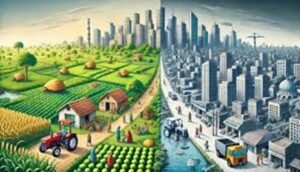
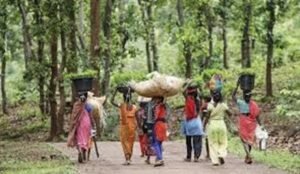
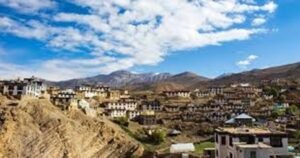
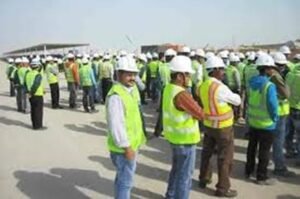
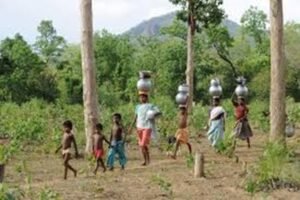
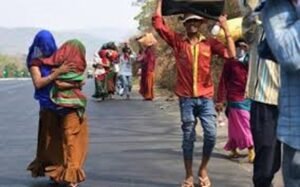
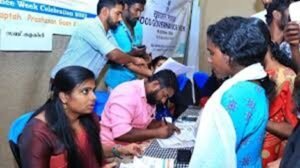
Wayanad district, located in the northern part of Kerala within the Western Ghats, is widely known for its green landscapes, forests, wildlife, tribal communities, and agricultural economy. Unlike highly urbanised districts, Wayanad is still largely rural in nature. However, in recent years, the district has been experiencing gradual urbanisation due to population growth, tourism development, infrastructure expansion, and migration.
Urbanisation refers to the process by which rural areas develop into urban or semi-urban spaces with increased population density, infrastructure, industries, and commercial activities. While urbanization brings development and better facilities, in Wayanad, it also creates several environmental, social, and economic challenges due to its fragile ecosystem.
Nature of Urbanization in Wayanad
Urbanisation in Wayanad is not as rapid as in major cities, but it is slow and uneven. Key characteristics include the following:
Growth of towns like Kalpetta, Sulthan Bathery, and Mananthavady
Expansion of roads, commercial buildings, and tourism infrastructure
Increase in resorts, homestays, and shops
Migration from rural areas to small towns for jobs and education
👉 This form of urbanisation is often referred to as semi-urban or rural-urban transition.
Causes of Urbanization in Wayanad
3.1 Tourism Growth
Wayanad is a major tourist destination
Increase in hotels, resorts, and transport facilities
Tourism drives commercial expansion
3.2 Population Growth and Migration
Migration from nearby districts and states
Movement of rural people to towns for jobs and education
3.3 Infrastructure Development
Expansion of roads and highways
Improved transport and communication networks
Growth of public services in towns
3.4 Commercial Expansion
Growth of markets and business centers
Increase in small industries and services
3.5 Education and Employment Opportunities
More schools, colleges, and institutions in towns
Youth are moving towards urban centers for better opportunities
Major Urbanization Challenges in Wayanad
4.1 Environmental Degradation
One of the biggest challenges of urbanisation in Wayanad is environmental damage.
Deforestation for construction
Loss of agricultural land
Pollution of water bodies
Reduction in biodiversity
👉 Since Wayanad is part of the Western Ghats, even small environmental changes have major impacts.
4.2 Unplanned Construction
Rapid building of houses, shops, and resorts
Lack of proper urban planning
Construction in eco-sensitive zones
👉 This increases the risk of landslides and environmental imbalance.
4.3 Traffic and Transport Issues
Increasing number of vehicles in towns
Traffic congestion in small urban centers
Poor road infrastructure in some areas
4.4 Pressure on Natural Resources
Overuse of water resources
Depletion of groundwater levels
Increased demand for electricity and land
4.5 Loss of Agricultural Land
Farmlands converted into residential or commercial areas
Decline in traditional farming activities
Reduced food production locally
4.6 Impact on Tribal Communities
Urban expansion affects tribal settlements
Loss of access to traditional land and forests
Cultural changes and social displacement
4.7 Waste Management Problems
Increase in plastic and solid waste
Improper disposal in towns and tourist areas
Pollution of rivers and forests
4.8 Housing and Land Price Increase
Rising land prices in towns
Difficulty for low-income families to buy land
Expansion of informal settlements
4.9 Strain on Public Services
Pressure on schools and hospitals
Overcrowding in urban facilities
Limited expansion of civic infrastructure
Impact of Urbanization
5.1 Positive Impacts
Better infrastructure and roads
Improved access to education and healthcare
Growth of employment opportunities
Development of tourism and trade
5.2 Negative Impacts
Environmental damage and deforestation
Loss of agricultural land
Social inequality between rural and urban populations
Cultural changes in traditional communities
Increased risk of natural disasters
Urbanization and Tourism Link
Tourism plays a major role in urbanisation in Wayanad.
Positive effects:
Growth of hotels and transport services
Job creation for local people
Development of towns
Negative effects:
Overcrowding in tourist areas
Pressure on forests and water resources
Unplanned resort construction
👉 Tourism-driven urbanisation must be carefully managed to avoid environmental harm.
Government Initiatives
The government has introduced measures to manage urbanisation:
7.1 Town Planning Schemes
Regulation of construction in urban areas
Zoning of residential and commercial spaces
7.2 Environmental Protection Laws
Eco-sensitive zone regulations
Forest conservation policies
7.3 Infrastructure Development
Road improvement projects
Expansion of public services
7.4 Waste Management Programs
Clean Kerala Mission initiatives
Plastic waste reduction campaigns
👉 However, enforcement and implementation remain challenging.
Role of Local Communities
Local communities play an important role in sustainable urbanisation:
Participation in environmental protection
Promotion of eco-friendly tourism
Protection of agricultural land
Awareness about sustainable living
👉 Community involvement is essential for balanced development.
Challenges in Managing Urbanization
Lack of proper urban planning
Weak enforcement of environmental laws
Rapid growth of tourism infrastructure
Population pressure in small towns
Climate change and disaster risks
Suggestions for Sustainable Urbanization
10.1 Planned Development
Proper land-use planning
Controlled expansion of towns
10.2 Environmental Protection
Strict control on deforestation
Protection of eco-sensitive zones
10.3 Sustainable Tourism
Eco-friendly resorts and practices
Limiting overcrowding in tourist areas
10.4 Waste Management
Improved recycling systems
Awareness programs for citizens
10.5 Protection of Agriculture
Encourage farming activities
Prevent unnecessary conversion of farmland
Conclusion
Urbanisation in the Wayanad district is a slow but steady process influenced by tourism, infrastructure development, and population changes. While it brings economic growth and better facilities, it also creates serious challenges such as environmental degradation, loss of farmland, and pressure on natural resources.
Since Wayanad is an ecologically sensitive region, urbanisation must be carefully planned and regulated. A balanced approach that combines development with environmental conservation and community welfare is essential for the sustainable future of the district.
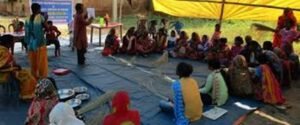
Wayanad, a district in Kerala known for its natural beauty and tribal heritage, faces several socio-economic challenges such as poverty, unemployment, lack of access to healthcare, and educational inequality. In this context, Non-Governmental Organizations (NGOs) play a vital role in improving the quality of life of people, especially marginalized communities.
NGOs act as a bridge between the government and the people by implementing welfare programs, raising awareness, and ensuring that development reaches even the most remote areas. In Wayanad, NGOs have significantly contributed to social upliftment, empowerment, and sustainable development.
Socio-Economic Background of Wayanad
Wayanad has a large population of tribal communities such as:
Paniyas
Kurichiyas
Adiyas
Key challenges in the district:
Poverty and unemployment
Limited access to education and healthcare
Poor infrastructure in remote areas
Social inequality
👉 These conditions make NGO intervention essential for inclusive development.
Role of NGOs in Education
Education is one of the primary areas where NGOs contribute.
Key activities:
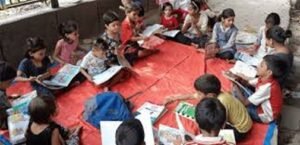
Running informal schools and tuition centres
Providing scholarships and study materials
Supporting school dropout children
NGOs help:
Increase literacy rates
Reduce school dropout rates
Promote education among tribal children
Example contributions:
Evening classes for rural students
Awareness programs on the importance of education
👉 NGOs ensure that education reaches underprivileged children.
Role in Healthcare and Nutrition
Healthcare is another major area of NGO involvement.
Activities:
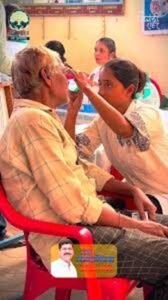
Organizing medical camps in remote areas
Providing free medicines and health check-ups
Promoting maternal and child health awareness
NGOs also focus on:
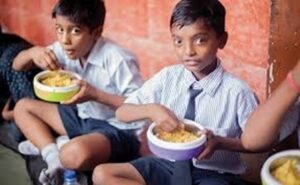
Nutrition programs for children
Awareness about hygiene and sanitation
👉 These efforts help improve overall health conditions, especially in tribal areas.
Women Empowerment
NGOs in Wayanad actively work for women empowerment.
Initiatives include:
Formation of self-help groups (SHGs)
Skill development programs (tailoring, handicrafts, etc.)
Awareness about women’s rights and legal protection
NGOs help women:
Become financially independent
Participate in decision-making
Gain confidence and social status
👉 Women empowerment leads to overall community development.
Tribal Development Programs
Tribal communities in Wayanad require special attention due to their socio-economic conditions.
NGO contributions:
Education support for tribal children
Health awareness and nutrition programs
Housing and livelihood support
They also:
Work to preserve tribal culture and traditions
Promote sustainable development practices
👉 NGOs play a crucial role in uplifting tribal communities.
Livelihood and Skill Development
NGOs help improve employment opportunities.
Activities:
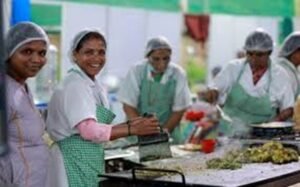
Vocational training programs
Support for agriculture and organic farming
Promotion of small-scale industries
Examples:
Training in handicrafts and eco-tourism
Support for farmers with modern techniques
👉 These initiatives reduce poverty and unemployment.
Environmental Protection and Sustainability
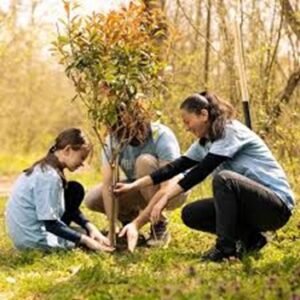
Wayanad is an ecologically sensitive region, and NGOs play a key role in protecting the environment.
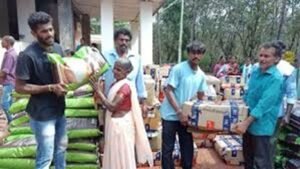
👉 NGOs are often the first responders during crises.
Collaboration with Government
NGOs work closely with government agencies.
Collaboration areas:
Implementation of welfare schemes
Awareness campaigns
Monitoring and evaluation
This partnership helps:
Improve efficiency of programs
Reach remote and vulnerable populations
Challenges Faced by NGOs
Despite their contributions, NGOs face several challenges:
Limited funding and resources
Difficulty reaching remote areas
Lack of community participation in some cases
Coordination issues with government agencies
👉 These challenges affect the effectiveness of NGO activities.
Key Contributions Summary
NGOs in Wayanad contribute to:
Education improvement
Healthcare and nutrition
Women empowerment
Tribal development
Employment and skill development
Environmental protection
Child welfare
Disaster management
Suggestions for Improvement
To enhance NGO effectiveness:
Increase Funding
Support from government and private sectors
Strengthen Collaboration
Better coordination with local authorities
Community Participation
Encourage local involvement
Use of Technology
Digital awareness programs
Online education and health services
Monitoring and Evaluation
Regular assessment of programs
Conclusion
NGOs play a vital role in the social upliftment of Wayanad district by addressing key issues such as poverty, education, health, and inequality. Their work has significantly improved the lives of marginalized communities, especially tribal populations.
However, continued efforts, better resources, and strong collaboration with the government and society are necessary to achieve sustainable and inclusive development. NGOs will continue to be an essential force in building a better and more equitable future for Wayanad.
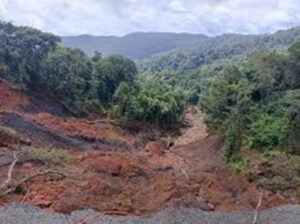
Wayanad district, located in the ecologically sensitive Western Ghats, is highly prone to natural disasters such as floods, landslides, and extreme rainfall. In recent years, these disasters have caused significant damage to lives, property, and the environment.
In such situations, the government plays a crucial role in disaster response by ensuring timely rescue, relief, rehabilitation, and long-term recovery. Effective government action helps reduce losses and supports affected communities in rebuilding their lives.
1. Institutional Framework for Disaster Response
District Disaster Management Authority (DDMA)
At the district level, disaster response is coordinated by the District Disaster Management Authority (DDMA). Its responsibilities include:
Preparing disaster response plans
Coordinating rescue and relief operations
Ensuring proper communication between departments
The DDMA acts as the central coordinating body during emergencies.
State Government Role
The Kerala State Government provides the following:
Policy guidance and funding
Deployment of emergency services
Technical support through disaster management agencies
State-level coordination ensures a well-organised and efficient response system.
2. Early Warning and Preparedness
Weather Forecasting and Alerts
Government agencies monitor weather conditions and issue early warnings about heavy rainfall, floods, and landslides. These alerts are shared through:
Mobile notifications
Television and radio
Social media platforms
Early warnings help people take preventive measures and evacuate safely.
Preparedness Planning
Authorities develop disaster preparedness plans that include:
Identification of vulnerable areas
Evacuation routes and safe shelters
Emergency resource allocation
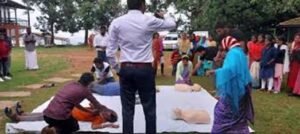
Regular mock drills and training programmes are conducted to ensure readiness.
3. Rescue and Emergency Operations
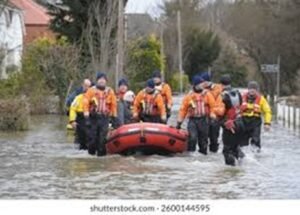
Deployment of Rescue Forces
During disasters, the government deploys multiple agencies, such as:
Fire and rescue services
Police and health departments
National Disaster Response Force (NDRF)
These teams carry out the following:
Search and rescue operations
Evacuation of affected people
Immediate medical assistance
Use of Technology
Modern technology plays a key role in disaster response:
Drones for aerial surveys
GPS systems for navigation
Communication tools for coordination
These tools improve the speed and efficiency of rescue operations.
4. Relief Measures and Support
Relief Camps
The government sets up relief camps in schools and community halls to provide the following:
Food and clean drinking water
Temporary shelter
Medical care and sanitation
Special arrangements are made for vulnerable groups such as children, the elderly, and pregnant women.
Distribution of Essentials
Authorities ensure the supply of:
Food kits and clothing
Medicines and hygiene products
Safe drinking water
This support helps affected families meet their basic needs during crises.
5. Rehabilitation and Recovery
Housing and Infrastructure Rebuilding
After the disaster, the government focuses on:
Rebuilding damaged houses
Repairing roads, bridges, and utilities
Restoring public services
Financial Assistance
Compensation and financial aid are provided to:
Families of victims
Farmers and small business owners
People who lost homes and property
This assistance helps communities recover economically.
6. Coordination with Agencies and Communities
Inter-Departmental Coordination
Government departments work together to ensure a smooth disaster response:
Health department for medical aid
Public works department for infrastructure repair
Police for maintaining law and order
Collaboration with NGOs and Volunteers
The government collaborates with:
Non-governmental organizations (NGOs)
Local community groups
Volunteers and youth organizations
This cooperation strengthens the overall disaster response system.
7. Infrastructure and Environmental Measures
Flood and Landslide Mitigation
Government initiatives include:
Strengthening riverbanks
Improving drainage systems
Stabilizing slopes with vegetation and engineering methods
Sustainable Development Policies
Efforts are made to:
Restrict construction in high-risk zones
Protect forests and natural resources
Promote eco-friendly development
These measures help reduce future disaster risks.
8. Challenges Faced by the Government
Despite strong efforts, the government faces several challenges:
Difficult terrain and remote locations
Limited infrastructure in rural areas
Increasing frequency of extreme weather events
Need for more resources and coordination
These challenges can affect the speed and effectiveness of response efforts.
9. Future Improvements in Disaster Response
Advanced Technology Integration
Plans include:
Use of AI for weather prediction
Real-time disaster monitoring systems
Improved communication networks
Strengthening Policies and Planning
Authorities aim to:
Enhance disaster management policies
Increase funding for infrastructure and training
Improve coordination between agencies
Community Participation
Encouraging community involvement through awareness programmes and training will help build a disaster-resilient society.
Conclusion
The role of government in disaster response in Wayanad district is crucial and multifaceted, covering preparedness, rescue, relief, and recovery. Through effective planning, timely action, and coordination with various agencies, the government plays a key role in minimising the impact of disasters.
However, continuous improvement, use of modern technology, and active community participation are essential to ensure a safer and more resilient future for Wayanad.
1.Introduction — Understanding Migration in Wayanad
Migration refers to the movement of people from one place to another in search of better opportunities, employment, or safety. In Wayanad district, migration has long been a multidimensional phenomenon, involving both in‑migration of workers from other regions and out‑migration of local residents seeking work or better livelihoods. These flows affect the demographic structure, labour markets, culture, and social fabric of the district.
Types of Migration Affecting Wayanad
2.1 In‑Migration of Labour
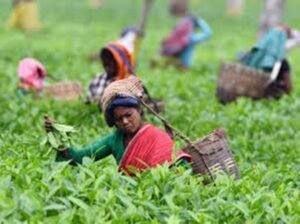
Wayanad has emerged as an area that attracts migrant workers from other parts of India due to the demand for labour in plantations, hospitality, construction, and related sectors. A migration profile of Wayanad shows that plantation work often draws labourers from neighbouring states like Karnataka and Tamil Nadu, while hospitality and construction sectors employ workers from states such as West Bengal, Assam, Rajasthan, Bihar, Odisha, and sometimes even Nepal and Bangladesh.
Many of these migrants live in informal settlements around urban centres like Kalpetta, Sulthan Bathery, and Mananthavady, or directly near their work sites, forming distinct migrant clusters in the district.
2.2 Seasonal and Circular Migration
Within Wayanad’s local population — especially among tribal communities — seasonal migration is common. Many tribal workers and local residents move temporarily to nearby agricultural fields or towns for short periods (e.g., harvest seasons or construction work), rather than settling permanently in other places. A study on tribal labour patterns in Wayanad notes that most migration among tribal workers is daily or seasonal, not permanent.
2.3 Historical Migration and Its Legacy
Wayanad’s migration history is also linked to internal settlement patterns from earlier decades. In the mid‑20th century, internal agrarian migration from Travancore and neighbouring regions reshaped Wayanad’s economy and demographic mix, drawing non‑local settlers who established farms, businesses, and communities. This migration helped develop agriculture but also contributed to land competition, tribal marginalisation, and deforestation, with long‑term socio‑economic impacts.
Causes and Drivers of Migration
3.1 Economic Opportunities and Labor Demand
One of the strongest drivers of migration in Wayanad is labour demand in plantation agriculture, construction, and other manual sectors. The local economy, heavily dependent on coffee, pepper, and cash crops, has a persistent need for hands during peak seasons — outstripping the capacity of local labour supply and attracting migrant workers from outside.
However, declining agricultural productivity, rising costs of production, and labour shortages due to out‑migration of local workers have pushed farmers to hire external workers, reinforcing in‑migration.
3.2 Livelihood Pressures and Limited Local Opportunities
Many local residents — including tribal and rural populations — migrate seasonally or permanently because of limited job opportunities within the district. Agriculture alone cannot sustain year‑round employment, and many households seek alternative work in towns or outside Kerala for better wages.
3.3 Climatic and Agricultural Challenges
Environmental stressors, including unpredictable monsoon patterns and extreme weather events, have reduced crop yields and made traditional farming less reliable. As labour becomes scarcer or less profitable in agriculture, more people — especially younger workers — leave in search of work elsewhere, both within and outside the district.
Impacts of Migration
4.1 Economic Contributions and Labour Supply
Migrant workers significantly support Wayanad’s economy by filling labour gaps in plantations, construction sites, and hospitality services. Their contributions help sustain agricultural production, infrastructure development, and services, particularly in peak seasons.
4.2 Cultural and Social Dynamics
In‑migration introduces cultural diversity in Wayanad, as workers from different states bring varied languages, traditions, and social practices. While this can enrich local culture, it also poses challenges in social integration, local resource usage, and service provision — especially in health, housing and schooling for migrant families.
4.3 Challenges for Migrant Workers
Migrant labourers often face vulnerabilities related to informal work contracts, lack of social security, substandard housing, and limited access to public services. Documentation gaps also exacerbate these issues, leaving many migrant families without official support or recognition. For example, after the catastrophic landslide of 2024, gaps in migrant worker documentation complicated rescue and support efforts for affected labourers.
4.4 Effects on Local Communities
Local out‑migration, particularly among educated youth and agricultural workers, creates labour shortages in rural Wayanad and contributes to changes in family structures and community networks. When local workers leave, farms and small enterprises sometimes struggle to find stable labour, leading to more reliance on migrants.
Migration and Tribal Life
Migration also intersects with tribal community dynamics. Historical migratory settlement of non‑tribal groups and agricultural expansion contributed to displacement, marginalisation, and loss of traditional lands for indigenous tribes such as the Paniya and Adiya communities. These communities often see migration as both a cause and a consequence of socio‑economic marginalisation.
Studies show that tribal people who migrate for labour face challenges in maintaining traditional practices and livelihoods, even as their original communities face land alienation and reduced access to forest resources.
Government Policies and Instruments
Kerala, as a state, does not restrict internal migration, but issues such as labour registration, worker protections, documentation, and social security are often weakly implemented. Migrant workers in Wayanad often remain informal and unregistered, creating challenges in accessing health, education, and welfare benefits.
There have been calls for stronger labour protections and better documentation systems to ensure that migrants receive entitlements and protections under Indian labour laws and social schemes.
Challenges and Policy Gaps
7.1 Data and Documentation Gaps
Accurate data on migrant workers — especially from informal sectors — is lacking. As seen in rescue operations after the Wayanad landslides, undocumented workers are difficult to track, assist, and protect, reflecting a broader gap in labour registration and migrant support.
7.2 Social Integration and Service Access
Migrant families often have limited access to local services like schooling, health care, and housing due to registration issues, language barriers, and lack of targeted welfare programmes.
7.3 Local Discontent and Policy Discourse
Rapid population change due to migration sometimes fuels political and social discourse around resource allocation, cultural change, and job competition. These dynamics require careful management to maintain communal harmony.
Conclusion — Towards Balanced Migration Policy
Migration in Wayanad is both a source of economic strength and a complex social challenge. For a more equitable future, policies should aim to:
Strengthen labour rights, documentation, and social protection for migrant workers.
Improve data collection and service access for migrants and their families.
Support local employment creation to reduce seasonal out‑migration.
Enhance social integration programmes that respect cultural diversity and community needs.
By addressing the multifaceted aspects of migration, Wayanad can harness its economic potential while safeguarding the wellbeing of all residents — local and migrant alike.
Wayanad district, nestled in the lush Western Ghats, is not only known for its scenic beauty and tribal heritage but also for its vibrant sports culture. Local sports tournaments are an integral part of community life here. They bring together people of all ages to celebrate teamwork, talent, and unity. While football remains the dominant sport, a variety of tournaments from volleyball to athletics take place across the district throughout the year. These events strengthen social bonds, promote healthy competition, and provide platforms for budding athletes.
1.Historical Background of Sports Tournaments
Sports have been part of Wayanad’s social fabric for decades. In the past, local communities organized informal competitions during harvest seasons and village festivals. Over time, these informal gatherings evolved into well‑organized tournaments featuring football, volleyball, and athletics.
As educational institutions and sports clubs grew in the district, the scope and scale of these tournaments also expanded. Today, local sports tournaments are celebrated events that draw participants not only from within Wayanad but also from neighboring districts.
2.Football Tournaments – The Heart of Local Sports
Football tournaments in Wayanad form the centerpiece of local sports culture. These tournaments are held throughout the year and range from village‑level matches to larger district competitions.
Features of Football Tournaments
Village Tournaments: Most villages organize seasonal football matches, especially during festivals or community celebrations.
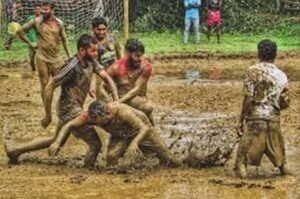
Mud Football Events: Especially during the monsoon season, mud football matches take place in wet, muddy fields. These are highly popular with both players and spectators.
District Championships: Organized by local sports councils and clubs, these tournaments bring together the best teams from various areas of Wayanad.
Local football tournaments are festive affairs. Families, youth clubs, and even local businesses come together to support teams. Passionate cheers, team colors, and local foods add to the celebratory atmosphere.
3.Volleyball and Other Team Sports Tournaments
While football dominates, volleyball has a significant presence in Wayanad’s local sports scene.
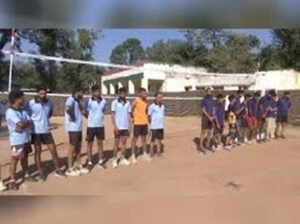
Village Volleyball Matches: Regular matches take place in community centers and panchayat grounds.
Inter‑Village Competitions: Teams representing different villages compete in organized tournaments, often with trophies and local recognition.
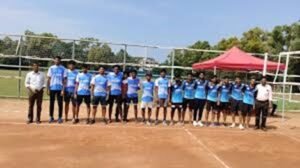
School and College Volleyball Events: Educational institutions regularly organize volleyball tournaments that encourage youth participation.
Other team sports like cricket and kabaddi also have their local competitions, often played during holidays and festivals. These team sports help foster teamwork and community pride.
4.Athletics Meets and Individual Sports Events
In addition to team sports, individual sporting events play a key role in the district’s tournament culture.
Common Athletics Events
Running Races (100m, 200m, 400m)
Long Jump & High Jump
Relay Races
Throwing Events (Discus, Shot Put)
Schools and colleges frequently organize annual athletics meets, where students compete in track and field events. These meets not only encourage fitness but also nurture talent from a young age.
5.Tribal and Traditional Sports Tournaments
Wayanad’s tribal communities have a rich heritage of traditional physical activities that often take the form of local competitions:
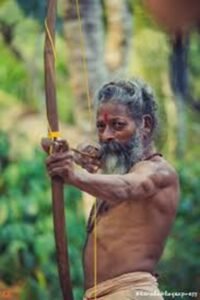
Archery Competitions: Rooted in tribal hunting traditions, archery tournaments showcase skill and precision.
Traditional Games: Indigenous sports and games are played as part of community festivals and events.
These tournaments are not only competitive but also preserve cultural identity. They are a bridge between traditional practices and modern sports.
6.Role of Schools and Educational Institutions
Schools and colleges play an essential role in organizing sports tournaments in Wayanad.
School Sports Days: Annual meets include team games, athletics, and skill competitions.
Inter‑School Tournaments: Schools compete against each other in football, volleyball, and athletics.
College Championships: Higher education institutions organize larger tournaments that draw students from across the district.
These events are platforms for young athletes to hone their skills and gain competitive experience.
7.Organizations and Clubs Behind Local Tournaments
Several organizations and clubs support the sporting ecosystem in Wayanad:
Wayanad District Sports Council: Coordinates larger tournaments, provides resources, and manages schedules.
Local Sports Clubs: Grassroots organizations organize regular tournaments and training sessions.
Youth Clubs and Panchayats: Community groups that encourage participation and help with logistics.
These organizations work together to ensure that sports tournaments are well‑organized and inclusive.
8.Community Impact of Local Sports Tournaments
Local sports tournaments have a deep impact on Wayanad’s social and cultural life:
Social Benefits
Community Participation: Residents of all ages attend matches, encouraging social bonding.
Youth Engagement: Tournaments provide meaningful activities for youth, promoting teamwork and leadership.
Cultural Significance
Festive Atmosphere: Matches often coincide with local festivals and celebrations.
Pride and Identity: Winning teams bring pride to their villages or schools.
Health and Fitness
Participating in tournaments encourages physical fitness, healthy lifestyles, and discipline among the youth.
9.Challenges in Organizing Local Tournaments
Despite their popularity, local sports tournaments face some challenges:
Infrastructure Issues
Limited number of well‑maintained stadiums or playgrounds
Uneven village grounds that need upgrades
Financial Constraints
Funding for trophies, gear, and logistics can be limited
Travel and accommodation for larger competitions may be difficult for some teams
Exposure Limitations
Local teams may lack opportunities to compete at state or national levels
Limited access to professional coaching for youth
Efforts are being made by local authorities and sports councils to address these issues and improve the quality of tournaments.
10.Future Prospects of Sports Tournaments in Wayanad
The future of local sports tournaments in Wayanad is promising:
Better Infrastructure: Plans to upgrade grounds and construct new facilities
Increased Participation: More schools, clubs, and communities joining tournaments
Professional Exposure: Young athletes aiming for higher levels of competition
With continued support from government bodies, clubs, and schools, local tournaments can grow into larger inter‑district events, providing even more opportunities for athletes.
Conclusion
Local sports tournaments in Wayanad district are a vibrant celebration of talent, community spirit, and cultural pride. From football pitches buzzing with excitement to athletics tracks and tribal archery grounds, these tournaments reflect the energy and passion of the people. While challenges remain, the commitment of schools, clubs, and local organizations continues to strengthen the sports ecosystem in Wayanad, making it a hub for competitive and community sports alike.
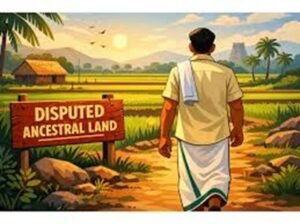
Wayanad district, located in the northern part of Kerala in the Western Ghats, is known for its rich biodiversity, agricultural economy, and significant tribal population. However, behind its natural beauty lies a long-standing social issue—land disputes.
Land disputes in Wayanad are complex and involve conflicts between tribal communities, settlers (migrants), farmers, government authorities, and private landowners. These disputes are deeply connected to history, land reforms, forest laws, and changing economic conditions.
Land is not just an economic asset in Wayanad; it is also tied to livelihood, identity, and survival, especially for tribal communities.
Historical Background of Land Issues
The origin of land disputes in Wayanad can be traced back to:
2.1 Migration and Settlement
Large-scale migration from central Kerala into Wayanad began in the mid-20th century.
Migrants cleared forest land for agriculture (coffee, pepper, spices).
Many settlements were established without proper land titles.
2.2 Tribal Displacement
Indigenous tribal communities like Paniyas, Kurichiyas, and Adiyas traditionally depended on forest land.
With migration and plantation expansion, many tribals lost access to their ancestral land.
2.3 Forest Laws and Restrictions
After forest conservation laws were implemented, many settlers and tribals faced restrictions on land use.
Some areas became protected forest zones, creating legal confusion over ownership.
👉 These historical factors created a layered and unresolved land conflict system.
Major Types of Land Disputes in Wayanad
3.1 Tribal Land Rights Issues
One of the most sensitive issues is tribal land ownership.
Many tribals were historically dependent on forest land.
Over time, they lost land due to encroachment, poverty, or lack of legal documents.
Even today, land ownership disputes continue.
👉 This leads to poverty and social exclusion among tribal communities.
3.2 Encroachment and Illegal Occupation
Some agricultural and plantation lands were developed on forest areas.
Disputes arise when government identifies these as encroachments.
Eviction notices often create tension between settlers and authorities.
3.3 Title and Documentation Problems
Many landowners do not have proper title deeds.
Old records are unclear or missing.
Property inheritance disputes are common within families.
👉 Lack of proper documentation is a major cause of legal conflicts.
3.4 Government vs. Local Communities
Forest department actions to reclaim encroached land sometimes lead to protests.
Local farmers and residents argue that they have lived on the land for generations.
👉 This creates a conflict between environmental protection and human settlement rights.
3.5 Intra-Family Land Disputes
Partition of ancestral property leads to disputes among family members.
Disagreements over inheritance rights are common in rural areas.
Causes of Land Disputes
4.1 Historical Migration
Unplanned settlement by migrants without proper land records.
4.2 Lack of Land Reforms Implementation
Even though Kerala has land reform laws, implementation gaps remain.
4.3 Poverty and Dependence on Land
Most people depend on agriculture, so land becomes a critical resource.
4.4 Weak Documentation System
Poor land record digitization and outdated surveys.
4.5 Forest Conservation Policies
Protected areas overlap with human settlements.
Impact on Local Communities
5.1 Tribal Communities
Loss of ancestral land
Poverty and unemployment
Social marginalization
5.2 Farmers and Settlers
Legal insecurity over land ownership
Fear of eviction
Financial loss due to legal battles
5.3 Social Tension
Conflicts between communities
Protests and strikes
Lack of trust in authorities
5.4 Economic Impact
Reduced agricultural investment
Uncertainty affects development
Tourism and infrastructure projects sometimes delayed
Environmental and Legal Dimensions
Land disputes in Wayanad are also linked to environmental concerns:
Forest conservation laws restrict land use
Eco-sensitive zones limit construction
Illegal encroachment leads to environmental degradation
Legal issues include:
Long court cases
Complex land ownership records
Multiple overlapping claims on the same land
Government Initiatives and Policies
The government has taken several steps to address land disputes:
7.1 Land Regularisation Programs
Attempts to legalize long-term settlers in certain areas
Providing ownership rights in eligible cases
7.2 Tribal Land Protection Measures
Schemes to restore land to tribal communities
Special welfare programs
7.3 Digitization of Land Records
Modern land survey systems
Online record maintenance
7.4 Forest Rights Act Implementation
Recognition of tribal rights over forest land
Efforts to provide legal ownership in forest-dependent areas
👉 However, implementation remains uneven.
Role of Judiciary and Legal System
Courts play a major role in resolving land disputes.
Many cases remain pending for years.
Land dispute cases are often complex due to overlapping laws.
👉 Delay in justice increases social and economic uncertainty.
Current Challenges
Despite efforts, major challenges remain:
Conflicting claims over land ownership
Lack of clear documentation
Forest vs. settlement conflicts
Tribal land alienation
Long legal procedures
Political and social sensitivity of the issue
Suggestions for Improvement
10.1 Complete Land Survey
Modern mapping of all land in Wayanad
10.2 Strengthen Land Records System
Full digital land registry
Transparent ownership data
10.3 Protect Tribal Land Rights
Strict prevention of tribal land transfer
Restoration programs
10.4 Fast-Track Courts
Speed up land dispute cases
10.5 Awareness Programs
Educate people about land laws and rights
10.6 Balanced Development Approach
Combine environmental protection with human settlement needs
Conclusion
Land disputes in Wayanad are a deeply rooted issue shaped by history, migration, forest laws, and socio-economic inequalities. These disputes affect tribal communities, farmers, and the overall development of the district.
Resolving these issues requires a balanced approach that respects environmental protection, human rights, and social justice. With proper governance, updated land records, and fair policies, Wayanad can move towards a more stable and equitable land system.