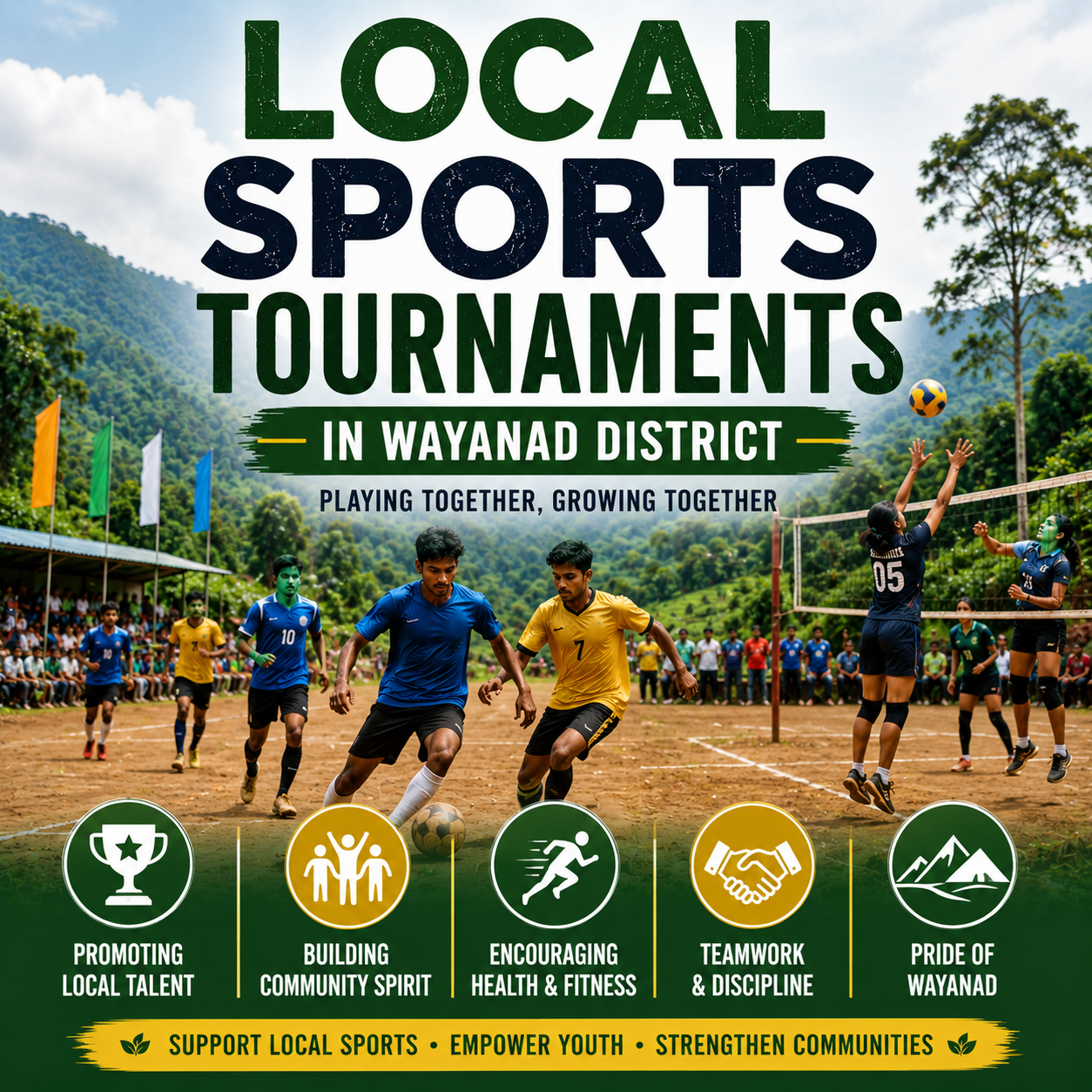

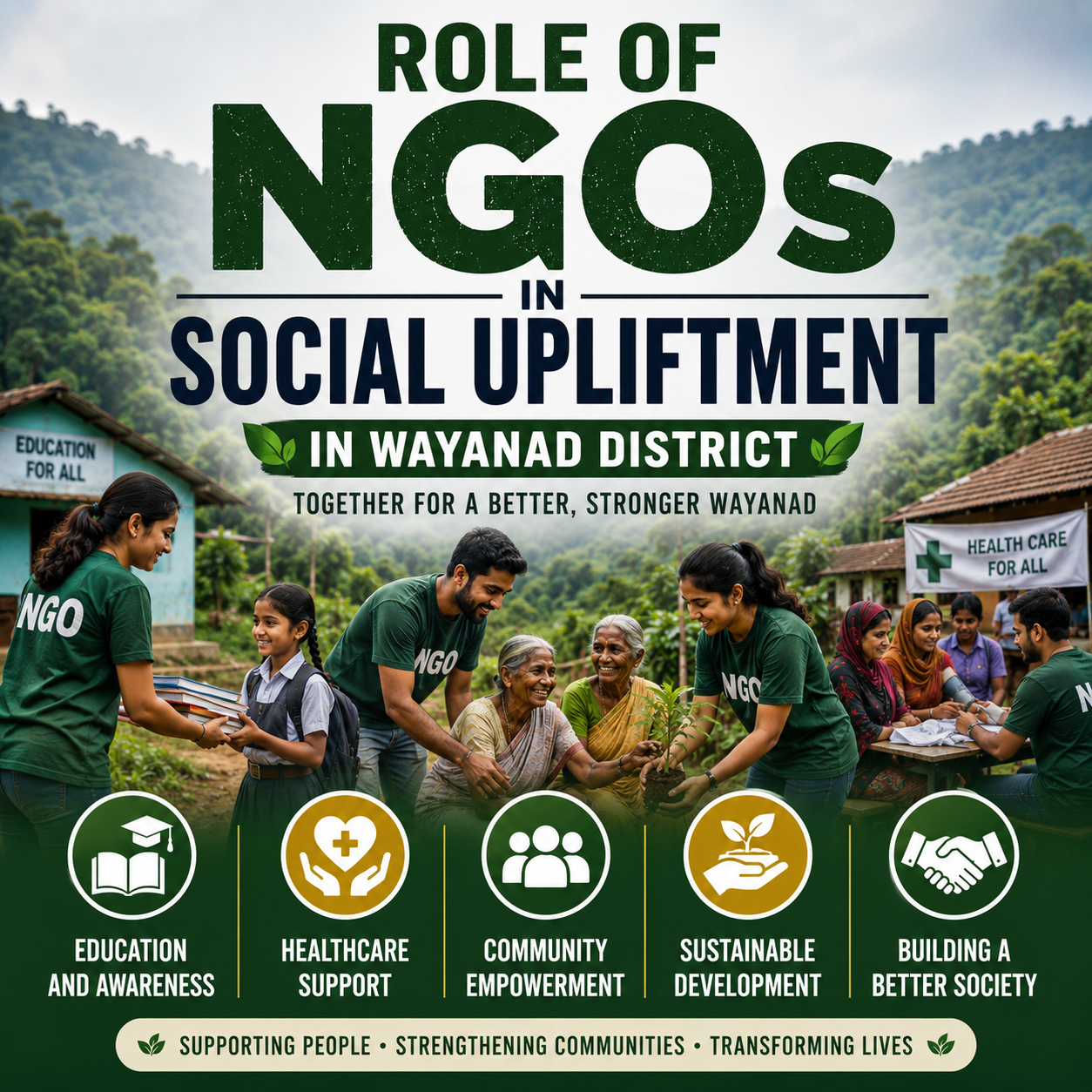
Wayanad, a district in Kerala known for its natural beauty and tribal heritage, faces several socio-economic challenges such as poverty, unemployment, lack of access to healthcare, and educational inequality. In this context, Non-Governmental Organizations (NGOs) play a vital role in improving the quality of life of people, especially marginalized communities.
NGOs act as a bridge between the government and the people by implementing welfare programs, raising awareness, and ensuring that development reaches even the most remote areas. In Wayanad, NGOs have significantly contributed to social upliftment, empowerment, and sustainable development.
- Socio-Economic Background of Wayanad

Wayanad has a large population of tribal communities such as:
- Paniyas
- Kurichiyas
- Adiyas
Key challenges in the district:
- Poverty and unemployment
- Limited access to education and healthcare
- Poor infrastructure in remote areas
- Social inequality
👉 These conditions make NGO intervention essential for inclusive development.
- Role of NGOs in Education
Education is one of the primary areas where NGOs contribute.
Key activities:
- Running informal schools and tuition centres
- Providing scholarships and study materials
- Supporting school dropout children
NGOs help:
- Increase literacy rates
- Reduce school dropout rates
- Promote education among tribal children
Example contributions:
- Evening classes for rural students
- Awareness programs on the importance of education
👉 NGOs ensure that education reaches underprivileged children.
- Role in Healthcare and Nutrition
Healthcare is another major area of NGO involvement.
Activities:
- Organizing medical camps in remote areas
- Providing free medicines and health check-ups
- Promoting maternal and child health awareness
NGOs also focus on:
- Nutrition programs for children
- Awareness about hygiene and sanitation
👉 These efforts help improve overall health conditions, especially in tribal areas.
- Women Empowerment
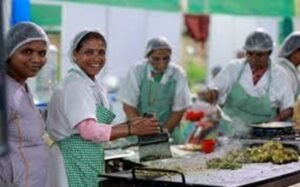
NGOs in Wayanad actively work for women empowerment.
Initiatives include:
- Formation of self-help groups (SHGs)
- Skill development programs (tailoring, handicrafts, etc.)
- Awareness about women’s rights and legal protection
NGOs help women:
- Become financially independent
- Participate in decision-making
- Gain confidence and social status
👉 Women empowerment leads to overall community development.
- Tribal Development Programs
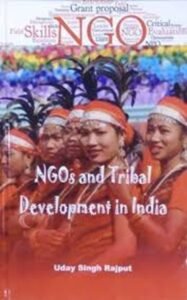
Tribal communities in Wayanad require special attention due to their socio-economic conditions.
NGO contributions:
- Education support for tribal children
- Health awareness and nutrition programs
- Housing and livelihood support
They also:
- Work to preserve tribal culture and traditions
- Promote sustainable development practices
👉 NGOs play a crucial role in uplifting tribal communities.
- Livelihood and Skill Development
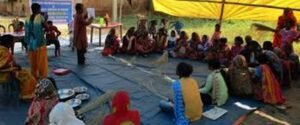
NGOs help improve employment opportunities.
Activities:
- Vocational training programs
- Support for agriculture and organic farming
- Promotion of small-scale industries
Examples:
- Training in handicrafts and eco-tourism
- Support for farmers with modern techniques
👉 These initiatives reduce poverty and unemployment.
- Environmental Protection and Sustainability
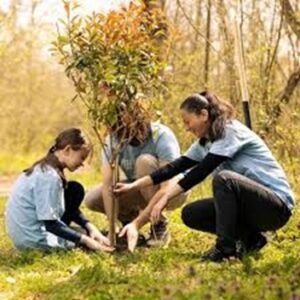
Wayanad is an ecologically sensitive region, and NGOs play a key role in protecting the environment.
Activities:
- Awareness campaigns on conservation
- Tree plantation drives
- Promotion of eco-friendly practices
NGOs also:
- Work against deforestation
- Support sustainable tourism
👉 Environmental protection ensures long-term development.
- Child Welfare and Protection
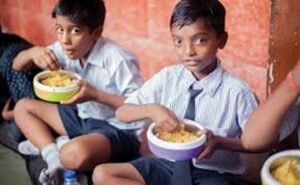
NGOs actively work to improve child welfare.
Key initiatives:
- Preventing child labour
- Providing education and nutrition support
- Creating awareness about child rights
They also:
- Support orphaned and vulnerable children
- Work with government child protection systems
👉 NGOs help ensure a safe and healthy childhood.
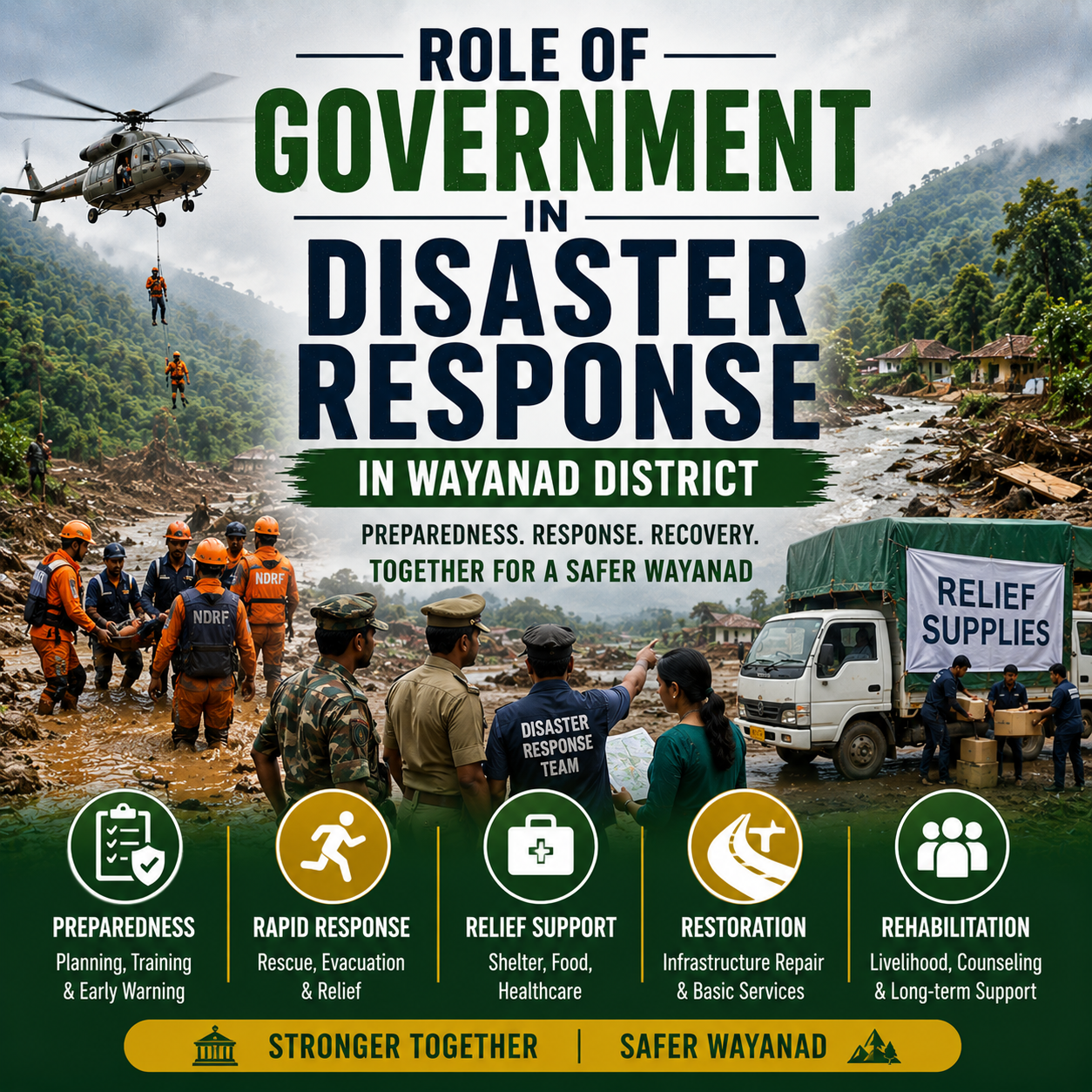
- Disaster Relief and Rehabilitation
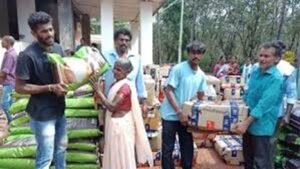
Wayanad is prone to natural disasters such as landslides and floods.
NGO role:
- Providing emergency relief (food, shelter, clothing)
- Rehabilitation of affected families
- Psychological support
👉 NGOs are often the first responders during crises.
- Collaboration with Government
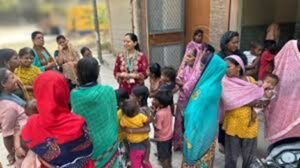
NGOs work closely with government agencies.
Collaboration areas:
- Implementation of welfare schemes
- Awareness campaigns
- Monitoring and evaluation
This partnership helps:
- Improve efficiency of programs
- Reach remote and vulnerable populations
- Challenges Faced by NGOs
Despite their contributions, NGOs face several challenges:
- Limited funding and resources
- Difficulty reaching remote areas
- Lack of community participation in some cases
- Coordination issues with government agencies
👉 These challenges affect the effectiveness of NGO activities.
- Key Contributions Summary
NGOs in Wayanad contribute to:
- Education improvement
- Healthcare and nutrition
- Women empowerment
- Tribal development
- Employment and skill development
- Environmental protection
- Child welfare
- Disaster management
- Suggestions for Improvement
To enhance NGO effectiveness:
- Increase Funding
- Support from government and private sectors
- Strengthen Collaboration
- Better coordination with local authorities
- Community Participation
- Encourage local involvement
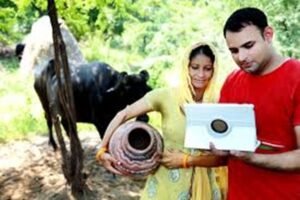
- Use of Technology
- Digital awareness programs
- Online education and health services
- Monitoring and Evaluation
- Regular assessment of programs
- Conclusion
NGOs play a vital role in the social upliftment of Wayanad district by addressing key issues such as poverty, education, health, and inequality. Their work has significantly improved the lives of marginalized communities, especially tribal populations.
However, continued efforts, better resources, and strong collaboration with the government and society are necessary to achieve sustainable and inclusive development. NGOs will continue to be an essential force in building a better and more equitable future for Wayanad.