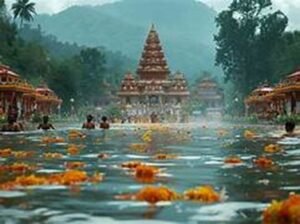
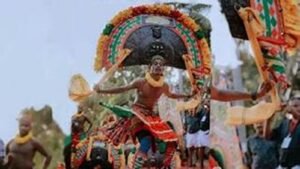
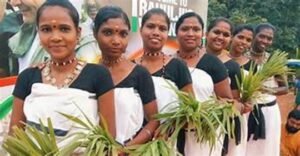
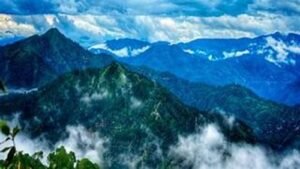
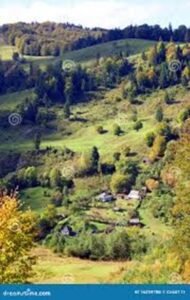
The Wayanad district is one of the most culturally rich and historically significant regions in the state of Kerala. Nestled in the Western Ghats, Wayanad is widely known for its scenic landscapes, but beyond its natural beauty lies a deep-rooted cultural heritage that forms the backbone of its tourism appeal. Cultural tourism in Wayanad focuses on experiencing the traditions, lifestyle, art forms, rituals, and heritage of its indigenous communities.
Unlike urban tourist destinations, Wayanad offers an authentic cultural experience where visitors can explore tribal life, traditional festivals, ancient temples, and unique art forms. This blend of nature and culture makes Wayanad a distinctive destination for cultural tourism in India.
Tribal Culture: The Core of Wayanad Tourism
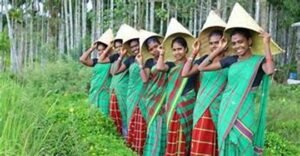
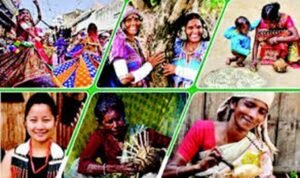
The most significant aspect of cultural tourism in Wayanad is its tribal heritage. The district has one of the largest populations of indigenous communities (Adivasis) in Kerala. Major tribes include the Paniyas, Kurumas, Adiyars, Kattunaikar, and Kadans.
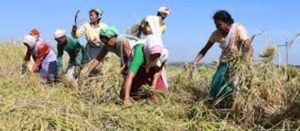
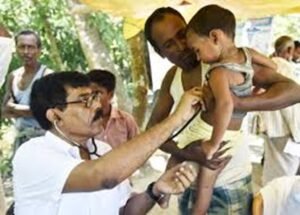
These tribal communities have preserved their traditions for centuries and continue to live in harmony with nature. Their lifestyle, customs, and beliefs are closely connected to forests, agriculture, and natural resources. Many tribes still follow traditional farming practices and use herbal medicines for healing.
Key Cultural Features of Tribal Life
Nature-based living and sustainable practices
Traditional dress, ornaments, and housing styles
Strong community bonding and oral traditions
Deep spiritual connection with land and forests
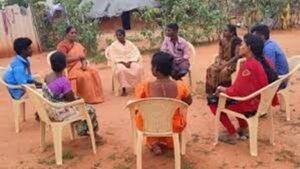
Tourists visiting Wayanad can experience this heritage through tribal tourism initiatives, which promote interaction with indigenous communities while preserving their identity.
En Ooru Tribal Heritage Village
A major attraction for cultural tourism is En Ooru Tribal Heritage Village.
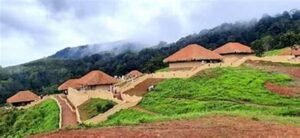
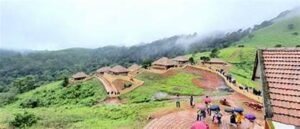
This is Kerala’s first tribal heritage village, designed to showcase the culture and traditions of Wayanad’s tribal communities. It functions as an ethnographic museum where visitors can learn about tribal life.
Highlights
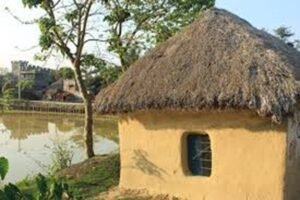
Traditional tribal huts and architecture
Live demonstrations of tribal art and music
Exhibition of handicrafts and herbal products
Cultural performances in amphitheatres
The village plays a vital role in preserving tribal identity while promoting tourism. It allows visitors to gain firsthand experience of indigenous culture in a respectful and educational manner.
Traditional Art Forms and Performances
Wayanad is known for its vibrant folk art forms, which are an essential part of its cultural tourism.
Major Art Forms
Gadhika – A ritualistic performance by the Adiya tribe
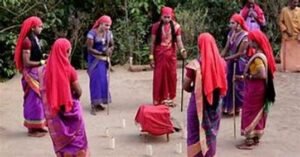
Kolkali – A rhythmic group dance performed with sticks
Nellukuthu Pattu – Traditional agricultural songs
Thudi and Kuzhal music – Musical instruments used by tribes
Vattakali and Koodiyattam – Folk dance and theatrical traditions
These art forms are often performed during festivals and special occasions, attracting tourists who seek cultural immersion.
Cultural tourism programmes frequently include live performances, allowing visitors to witness these traditional expressions.
Festivals and Cultural Celebrations
Festivals in Wayanad are a vibrant reflection of its cultural diversity. Both tribal and mainstream festivals are celebrated with great enthusiasm.
Major Festivals
Onam
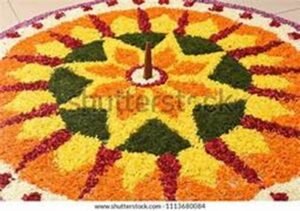
Onam is the most important festival in Kerala and is widely celebrated in Wayanad. It includes:
Floral decorations (Pookalam)
Traditional dances and music
Grand feast (Onam Sadya)
Folk performances like Pulikali
The celebration reflects unity, prosperity, and cultural richness.
Thirunelli Festival
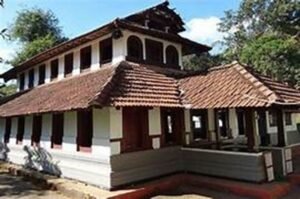
Held at Thirunelli Temple, this festival attracts pilgrims and tourists alike. The temple is often called the “Dakshina Kasi” and is an important spiritual centre.
Valliyoorkavu Festival
Celebrated at Valliyoorkavu Temple, this festival is deeply connected with tribal communities and lasts for about 15 days.
Wayanad Vibes Festival
A modern cultural event that promotes tribal music and heritage, showcasing Wayanad’s artistic diversity.
These festivals provide tourists with an opportunity to experience traditional rituals, music, dance, and local cuisine.
Cultural and Historical Sites
Wayanad also offers several historical and cultural landmarks that contribute to tourism.
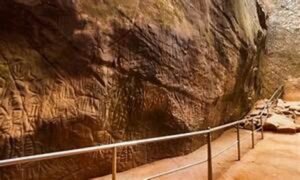
Edakkal Caves
These caves contain prehistoric rock carvings dating back thousands of years, offering insights into early human civilisation.
Religious Centers
Temples, churches, and mosques reflect religious diversity
Rituals and pilgrimages attract spiritual tourists
Museums and Heritage Centers
Display traditional tools, crafts, and artifacts
Help preserve cultural history
Cuisine and Culinary Tourism
Cultural tourism in Wayanad also includes its unique cuisine, influenced by tribal and Kerala traditions.
Popular Dishes
Puttu and Kadala Curry
Appam and Stew
Malabar Biryani
Payasam (traditional dessert)
Food in Wayanad reflects the use of local spices such as pepper, cardamom, and coffee, which are also major agricultural products of the region.
Tourists often enjoy traditional meals served on banana leaves, especially during festivals.
Handicrafts and Local Products
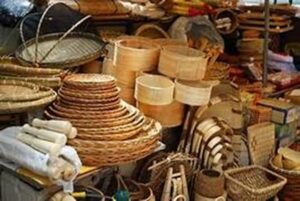
Handicrafts form an important part of Wayanad’s cultural tourism. Tribal communities produce the following:
Bamboo crafts
Handwoven items
Herbal medicines
Traditional ornaments
These products are sold in local markets and cultural centres, providing livelihood opportunities and promoting sustainable tourism.
Role of Cultural Tourism in Wayanad
Cultural tourism plays a significant role in the development of Wayanad:
Economic Benefits
Generates income for local communities
Promotes small-scale industries and handicrafts
Cultural Preservation
Helps preserve tribal traditions and art forms
Encourages documentation of heritage
Sustainable Tourism
Promotes eco-friendly and responsible tourism
Supports community-based tourism initiatives
Challenges in Cultural Tourism
Despite its potential, cultural tourism in Wayanad faces several challenges:
Over-tourism affecting ecological balance
Commercialization of tribal culture
Lack of awareness about responsible tourism
Need for better infrastructure
Sustainable practices are essential to protect both cultural heritage and the environment.
Conclusion
Cultural tourism in Wayanad district offers a unique blend of tradition, heritage, and natural beauty. The district stands out for its rich tribal culture, vibrant festivals, traditional art forms, and historical landmarks. By promoting responsible and sustainable tourism, Wayanad has the potential to become a leading cultural tourism destination in India.
For tourists seeking authentic cultural experiences, Wayanad provides an opportunity to connect with indigenous traditions, explore ancient heritage, and appreciate the harmonious relationship between humans and nature.
Wayanad district, located in the Western Ghats of Kerala, has one of the largest tribal populations in the state. Indigenous communities such as the Paniyas, Kurichiyas, Adiyas, Kattunayakans, and others have lived in this region for centuries. They have a deep connection with forests, land, and traditional livelihoods.
However, over time, tribal communities in Wayanad have faced land loss, poverty, social exclusion, and limited access to education and healthcare. In response to these challenges, several tribal rights movements have emerged to demand justice, land ownership, dignity, and development.
These movements focus on protecting land rights, forest access, cultural identity, and social equality.
Historical Background of Tribal Issues
The origin of tribal rights movements in Wayanad is linked to historical injustices.
Key historical factors:
Tribal people traditionally depended on forests for their livelihood
Migration of settlers led to large-scale land occupation
Many tribal families lost ancestral land over time
Forest laws restricted traditional access to resources
During colonial and post-independence periods:
Plantation agriculture expanded
Tribal people were often pushed into wage labour.
Land ownership became concentrated in the hands of settlers
👉 These changes created economic and social inequality, leading to organised tribal movements.
Major Issues Faced by Tribal Communities
3.1 Land Alienation
Loss of ancestral land is the biggest issue
Many tribals became landless or marginal farmers
Lack of legal land documents worsens the problem
3.2 Poverty and Unemployment
Dependence on low-wage agricultural work
Limited job opportunities
Seasonal income instability
3.3 Education and Health Inequality
High dropout rates among tribal children
Poor access to quality healthcare
Malnutrition and infant health issues
3.4 Social Exclusion
Marginalization in decision-making
Discrimination in some areas
Lack of political representation
👉 These issues became the foundation for tribal rights movements.
Major Tribal Rights Movements in Wayanad
4.1 Land Rights Movements
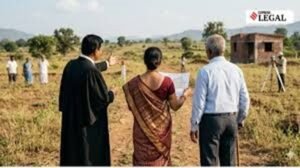
One of the most important movements focuses on land restoration and ownership rights.
Tribals demand return of illegally occupied land
Protests against eviction from forest areas
Demand for implementation of land reform laws
👉 Land is central to tribal identity and survival.
4.2 Forest Rights Movements
Under the Forest Rights Act (2006), tribal communities demand:
Recognition of traditional forest rights
Access to forest resources
Protection from forced displacement
Movements emphasise that:
Tribals are not encroachers but traditional forest dwellers
4.3 Protest Movements and Struggles
Wayanad has witnessed several protests and agitations:
Peaceful marches and demonstrations
Blockades and sit-ins
Campaigns for justice and rehabilitation
👉 These movements highlight demands for dignity and equality.
4.4 Cultural Identity Movements
Tribal communities also work to preserve the following:
Traditional dance and music
Language and customs
Sacred groves and rituals
👉 Cultural preservation is a key part of tribal activism.
Role of Tribal Leaders and Organizations
Tribal rights movements in Wayanad are supported by:
Local tribal leaders
Social activists
NGOs and civil society groups
Their roles include:
Organizing awareness programs
Helping communities file legal claims
Supporting education and empowerment
Advocating for policy changes
👉 Leadership from within communities has strengthened the movements.
Government Response and Policies
The government has introduced several initiatives:
6.1 Land Reforms and Distribution
Efforts to redistribute land to landless tribals
Special housing and rehabilitation schemes
6.2 Forest Rights Act Implementation
Recognition of tribal forest rights
Legal protection for forest dwellers
6.3 Welfare Programs
Education scholarships
Health schemes
Employment support programs
👉 However, implementation gaps remain in many areas.
Role of NGOs and Civil Society
NGOs play an important role in tribal rights movements:
Activities:
Legal aid and awareness campaigns
Education support for tribal children
Health and nutrition programs
Advocacy for land rights
👉 NGOs act as a bridge between tribal communities and government systems.
Impact of Tribal Rights Movements
Positive impacts:
Increased awareness of tribal rights
Some land redistribution efforts
Improved political attention
Growth of tribal education programs
Social impact:
Empowerment of tribal communities
Greater participation in public discussions
👉 Movements have helped bring tribal issues into mainstream attention.
Challenges Faced by Movements
Despite progress, several challenges remain:
9.1 Legal Complexity
Long legal procedures for land claims
Lack of proper land records
9.2 Resistance from Interest Groups
Conflicts over land ownership
Economic interests in plantation areas
9.3 Poverty and Dependency
Economic pressure limits participation in movements
9.4 Geographical Barriers
Remote forest settlements make organization difficult
👉 These challenges slow down the progress of tribal rights movements.
Key Issues Summary
Major demands of tribal rights movements include:
Land ownership and restoration
Forest rights and resource access
Education and healthcare improvement
Protection of cultural identity
Economic empowerment
Social equality and justice
Suggestions for Improvement
Speedy Land Settlement
Fast-track land claim verification
Strengthen Forest Rights Implementation
Ensure legal recognition of tribal land use
Education and Skill Development
Improve schools in tribal areas
Vocational training programs
Healthcare Access
Mobile health units in remote areas
Community Participation
Involve tribal people in policy decisions
Legal Support Systems
Free legal aid for land disputes
Conclusion
Tribal rights movements in Wayanad are a powerful response to historical injustice, land alienation, and social inequality. These movements highlight the struggle of indigenous communities to protect their land, identity, and dignity.
While government policies and NGO efforts have brought improvements, many challenges still remain. A balanced approach involving justice, development, and cultural respect is essential for the true empowerment of tribal communities in Wayanad.
Social Issues Among Tribal Communities in Wayanad District
1. Introduction — Tribal Identity and Demography
Wayanad district, located in the Western Ghats of northern Kerala, has one of the largest concentrations of Scheduled Tribes in the state. Multiple tribal communities — including Paniyas, Adiyas, Kattunayakans, Kurichiyas, Kurumas, Ooralis, Uraali Kurumas, and others — reside in its hills and forest fringes.
Despite Kerala’s strong social indicators on many fronts, tribal communities in Wayanad continue to face deep‑rooted social and economic challenges linked to historical marginalisation, geographical isolation, and limited access to public services.
Poverty and Housing Insecurity
2.1 Persistent Poverty Despite Official Claims
Although Kerala government reports describe Wayanad as “extreme poverty‑free”, the lived reality for many tribal families tells a different story. In remote hamlets like Kadassery Cholanaykka, tribal households live in leaking sheds without basic infrastructure, often struggling to afford even one proper meal a day. Earlier food support and welfare schemes have not translated into meaningful improvements for these families.
Many tribal families who were once brought out of deep forests with promises of better living conditions are still without access to stable income, adequate housing, or reliable food security — highlighting the gap between policy outcomes and ground realities.
Social and Cultural Exclusion
3.1 Social and Economic Exclusion
Studies show that tribal groups such as the Adiya community experience high levels of social exclusion. This includes economic exclusion (limited income and work opportunities), political‑legal exclusion, service exclusion (poor access to health and education), and socio‑cultural exclusion (marginalisation from mainstream society). Such multifaceted exclusion affects their ability to integrate into broader societal structures.
3.2 Intra‑Tribal Social Hierarchies
Within tribal society, there are also internal social divisions. For example, ahead of elections in Wayanad, tribal communities protested against perceived monopolisation of political representation by the Kurichiya community. Groups such as the Paniya tribe, despite being the largest tribal group, feel excluded from political power and access to government jobs and resources.
This underscores that social exclusion does not affect all tribes equally, with some subgroups facing deeper marginalisation than others.
Health Challenges and Social Problems
4.1 Poor Health Indicators
Research among tribal colonies such as the Pathipara tribal population documents significant social and medical problems, including alcohol and tobacco addiction, malnutrition, anaemia, tuberculosis, hepatitis B, and skin infections among children. Domestic violence, often linked with substance use, was identified as a major social issue.
4.2 Mental Health and Access to Care
Other studies point to limited access to mental health services for tribal communities in Wayanad, with untreated psychosis and high rates of substance abuse observed in interior colonies. Addressing this requires more accessible, culturally sensitive services tailored to tribal needs.
Education and Skill Gaps
5.1 Limited Educational Opportunities
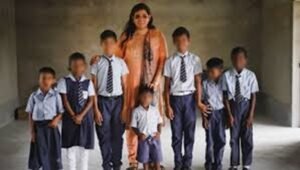
Tribal communities in Wayanad continue to struggle with lagging educational access and outcomes. Many tribal children have historically been excluded from formal education due to geographic isolation, lack of transport and infrastructure, and irregular availability of schools and teachers. Even when education is available, inconsistent support and engagement from authorities have meant limited impact in improving attainment levels.
Recent initiatives — such as enrolling children from remote settlements in formal schooling — show progress, but challenges remain in sustaining attendance, reducing dropouts, and ensuring quality education for tribal youths.
Land Rights, Livelihoods and Economic Vulnerability
6.1 Land Alienation and Loss of Traditional Livelihoods
Historical development and land policy have often weakened tribal control over their traditional land and forest resources. Loss of access to forests – essential for food, traditional medicines, and seasonal work – undermines tribal livelihoods, pushing many into unsteady daily wage labour with low income and insecurity.
6.2 Unemployment and Economic Marginalisation
Unemployment, especially among educated tribal youth, is a growing concern. Despite possessing demographic strength, some tribal communities feel excluded from equitable job opportunities and face barriers to entering stable employment.
Political Representation and Participation
Political inclusion remains uneven for tribal groups in Wayanad. Protests over perceived monopoly in reserved constituencies point to the need for fairer electoral representation that reflects each community’s demographic and historical identity. Lack of representation reduces tribal influence in local decision‑making and allocation of government benefits.
Activism from tribal organisations advocating for greater representation and equity underscores the ongoing struggle for political empowerment.
Gender Discrimination and Family Issues
Gendered dimensions of social exclusion exacerbate vulnerabilities among tribal women. Studies show that tribal agricultural labourers, especially women, face higher discrimination compared to men, with limited access to education, media, political awareness, healthcare, and employment opportunities. These gaps contribute to an overall lower status of women in both tribal and broader rural society.
Such discrimination affects women’s ability to advocate for their rights, access benefits, and achieve economic independence.
Government and Development Efforts
The Kerala government and national schemes have attempted to strengthen tribal welfare through housing, connectivity, education, and health programmes. However, restrictive eligibility criteria in schemes like Pradhan Mantri Gram Sadak Yojana‑IV have often left many tribal settlements ineligible for essential road connectivity, limiting access to healthcare, markets, and schools.
While some communities have benefited from development projects, bureaucratic gaps, policy design issues, and implementation challenges mean that many tribal households do not fully benefit from welfare programmes.
Conclusion — Towards Inclusive Development
The tribal communities of Wayanad face a complex web of poverty, social exclusion, health challenges, limited education access, political marginalisation, and gender discrimination. Despite Kerala’s relatively advanced social sector, these groups remain among the most vulnerable segments of society in the district.
Addressing these persistent issues requires holistic, culturally sensitive strategies that ensure equitable access to education, healthcare, employment, political participation, and basic infrastructure. Stronger community engagement, effective programme implementation, and targeted policy reforms are critical to closing the gap between developmental rhetoric and real improvements in tribal livelihoods.
Wayanad District is a hilly and forested region located in the northeastern part of Kerala. Known for its natural beauty, tribal heritage, and agricultural economy, Wayanad is home to a significant population of indigenous communities.
Despite Kerala’s reputation for high literacy and educational development, Wayanad continues to face serious challenges in the education sector, especially among tribal and rural populations. These challenges affect access, quality, and continuity of education.
Educational Profile of Wayanad
Kerala is often regarded as one of the most literate states in India, but Wayanad shows disparities:
Lower literacy rates compared to the state average
Higher school dropout rates in tribal areas
Limited access to higher education institutions
The district’s geographical isolation and socio-economic conditions create barriers that are not as prominent in other parts of Kerala.
Major Educational Challenges
3.1 Geographical Barriers
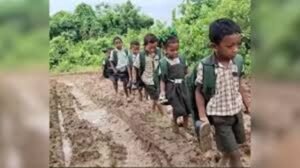
Wayanad’s terrain includes hills, forests, and scattered settlements, which make access to schools difficult.
Many students travel long distances through forest areas
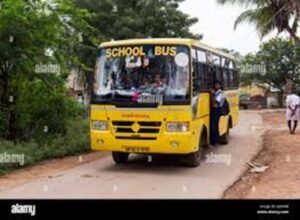
Lack of proper roads and transportation
Seasonal issues like heavy rainfall disrupting travel
Children in remote tribal colonies often miss school regularly due to these physical challenges.
3.2 Issues Faced by Tribal Communities
Wayanad has a large population of scheduled tribes such as the following:
Paniya
Kurichiya
Adiya
Educational challenges among these communities include:
First-generation learners with no academic support at home
Language barriers (difference between tribal dialects and formal Malayalam)
Cultural differences affecting school participation
As a result, tribal students often struggle to adapt to formal schooling systems.
3.3 Poverty and Economic Constraints
Many families in Wayanad depend on the following:
Agriculture
Daily wage labor
This leads to:
Children working to support family income
Inability to afford educational materials
Lack of proper nutrition affecting learning
Economic hardship is one of the primary reasons for school dropouts.
3.4 High Dropout Rates
Dropout rates are especially high in:
Upper primary and secondary levels
Tribal and remote rural areas
Reasons include:
Financial difficulties
Lack of interest due to poor academic support
Early involvement in labor
This leads to interrupted education and limited career opportunities.
3.5 Lack of Educational Infrastructure
Although basic schooling facilities exist, there are several gaps:
Shortage of well-equipped schools in remote areas
Limited access to libraries, laboratories, and digital tools
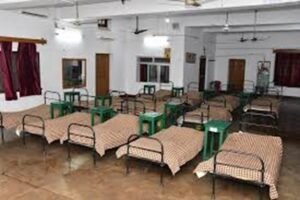
Poor hostel facilities for tribal students
Many schools lack modern teaching resources, affecting quality education.
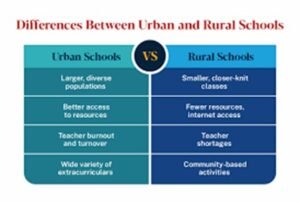
3.6 Shortage of Teachers
Teacher-related issues include:
Insufficient number of teachers in remote schools
Frequent teacher transfers
Lack of trained teachers for tribal education
Teachers often face difficulty in:
Communicating with tribal students
Handling multi-grade classrooms
This reduces the effectiveness of teaching-learning processes.
3.7 Language and Learning Difficulties
Students from tribal communities often face the following:
Difficulty understanding Malayalam- or English-medium instruction
Lack of bridge courses or language support
This leads to:
Poor academic performance
Loss of interest in studies
Language barriers are a major hidden challenge in Wayanad’s education system.
3.8 Digital Divide
While digital education is growing across India, Wayanad faces:
Limited internet connectivity in remote areas
Lack of smartphones or computers
Low digital literacy among parents and students
During situations like online learning periods, many students were left behind due to lack of access.
3.9 Health and Nutrition Issues
Health problems significantly affect education:
Malnutrition among children
Lack of proper healthcare facilities
Poor living conditions
Unhealthy children often:
Have low concentration
Miss school frequently
This directly impacts academic performance and attendance.
3.10 Social Issues Affecting Education
Other social challenges include:
Early marriage in some communities
Alcoholism in families
Lack of parental awareness about education
These factors reduce the importance given to education, especially for girls and marginalised groups.
Impact of Educational Challenges
4.1 On Individuals
Limited employment opportunities
Continued cycle of poverty
Lack of skills and awareness
4.2 On Society
Slower socio-economic development
Inequality between communities
Marginalization of tribal populations
4.3 On Future Generations
Intergenerational illiteracy
Reduced social mobility
Weak human resource development
Education challenges in Wayanad affect not only individuals but also the overall development of the district.
Government and Institutional Efforts
Several initiatives have been introduced to improve education in Wayanad District:
5.1 Tribal Education Programs
Special residential schools for tribal students
Scholarships and financial support
Bridge courses for first-generation learners
5.2 Infrastructure Development
Construction of schools in remote areas
Improvement of roads and transportation
Digital learning initiatives
5.3 Midday Meal Scheme
Provides free meals to students
Encourages school attendance
Improves nutrition levels
5.4 Awareness Campaigns
Promoting importance of education among parents
Community involvement programs
Challenges in Implementation
Despite various programmes, issues remain:
Poor monitoring of schemes
Lack of coordination between departments
Limited reach in remote tribal areas
Social resistance in some communities
These challenges reduce the effectiveness of government efforts.
Suggestions and Recommendations
To improve education in Wayanad District, the following steps are recommended:
7.1 Improve Accessibility
Build more schools in remote areas
Provide transportation facilities
7.2 Focus on Tribal Education
Use local languages in early education
Recruit teachers from tribal communities
7.3 Strengthen Infrastructure
Provide digital tools and internet access
Improve school facilities
7.4 Reduce Dropout Rates
Financial support for poor families
Vocational education programs
7.5 Increase Community Participation
Involve parents and local leaders
Conduct awareness programs
7.6 Enhance Teacher Training
Train teachers for multi-cultural classrooms
Provide incentives for working in remote areas
Conclusion
Education in Wayanad District faces multiple challenges rooted in geography, poverty, social conditions, and cultural diversity. While Kerala is known for its educational achievements, Wayanad highlights the uneven distribution of development within the state.
Addressing these challenges requires a holistic and inclusive approach that focuses on:
Accessibility
Equity
Quality education
With proper planning, community involvement, and sustained efforts, Wayanad can overcome these barriers and ensure education for all, paving the way for a more equitable and prosperous future.