
Wayanad district, located in the Western Ghats of Kerala, has one of the largest tribal populations in the state. Indigenous communities such as the Paniyas, Kurichiyas, Adiyas, Kattunayakans, and others have lived in this region for centuries. They have a deep connection with forests, land, and traditional livelihoods.
However, over time, tribal communities in Wayanad have faced land loss, poverty, social exclusion, and limited access to education and healthcare. In response to these challenges, several tribal rights movements have emerged to demand justice, land ownership, dignity, and development.
These movements focus on protecting land rights, forest access, cultural identity, and social equality.
- Historical Background of Tribal Issues
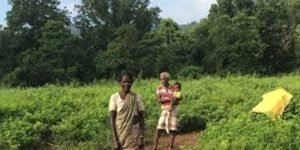
The origin of tribal rights movements in Wayanad is linked to historical injustices.
Key historical factors:
- Tribal people traditionally depended on forests for their livelihood
- Migration of settlers led to large-scale land occupation
- Many tribal families lost ancestral land over time
- Forest laws restricted traditional access to resources
During colonial and post-independence periods:
- Plantation agriculture expanded
- Tribal people were often pushed into wage labour.
- Land ownership became concentrated in the hands of settlers
👉 These changes created economic and social inequality, leading to organised tribal movements.
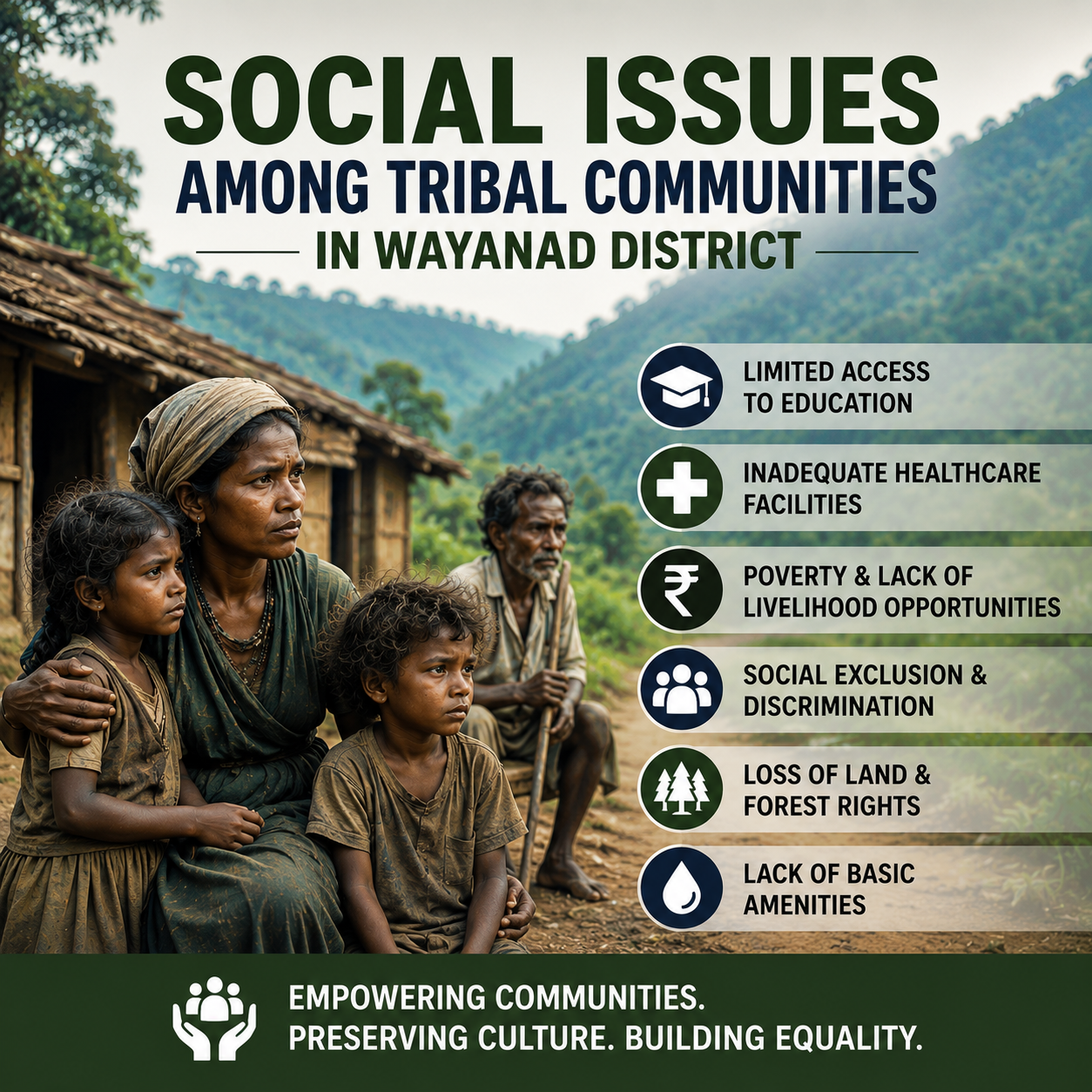
- Major Issues Faced by Tribal Communities
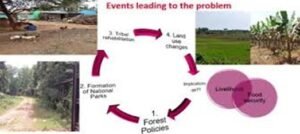
3.1 Land Alienation
- Loss of ancestral land is the biggest issue
- Many tribals became landless or marginal farmers
- Lack of legal land documents worsens the problem
3.2 Poverty and Unemployment
- Dependence on low-wage agricultural work
- Limited job opportunities
- Seasonal income instability
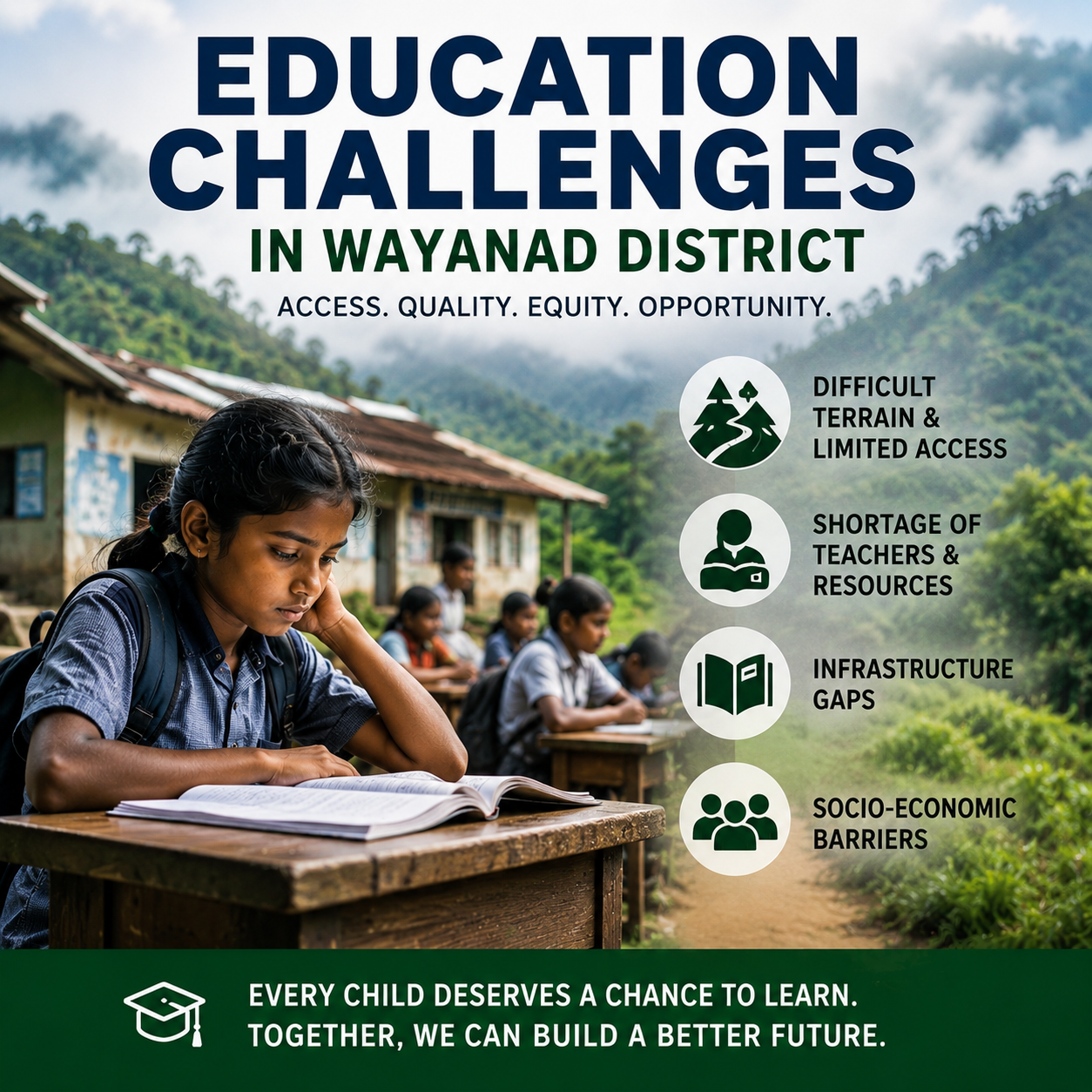
3.3 Education and Health Inequality
- High dropout rates among tribal children
- Poor access to quality healthcare
- Malnutrition and infant health issues
3.4 Social Exclusion
- Marginalization in decision-making
- Discrimination in some areas
- Lack of political representation
👉 These issues became the foundation for tribal rights movements.
- Major Tribal Rights Movements in Wayanad
4.1 Land Rights Movements
One of the most important movements focuses on land restoration and ownership rights.
- Tribals demand return of illegally occupied land
- Protests against eviction from forest areas
- Demand for implementation of land reform laws
👉 Land is central to tribal identity and survival.
4.2 Forest Rights Movements
Under the Forest Rights Act (2006), tribal communities demand:
- Recognition of traditional forest rights
- Access to forest resources
- Protection from forced displacement
Movements emphasise that:
- Tribals are not encroachers but traditional forest dwellers
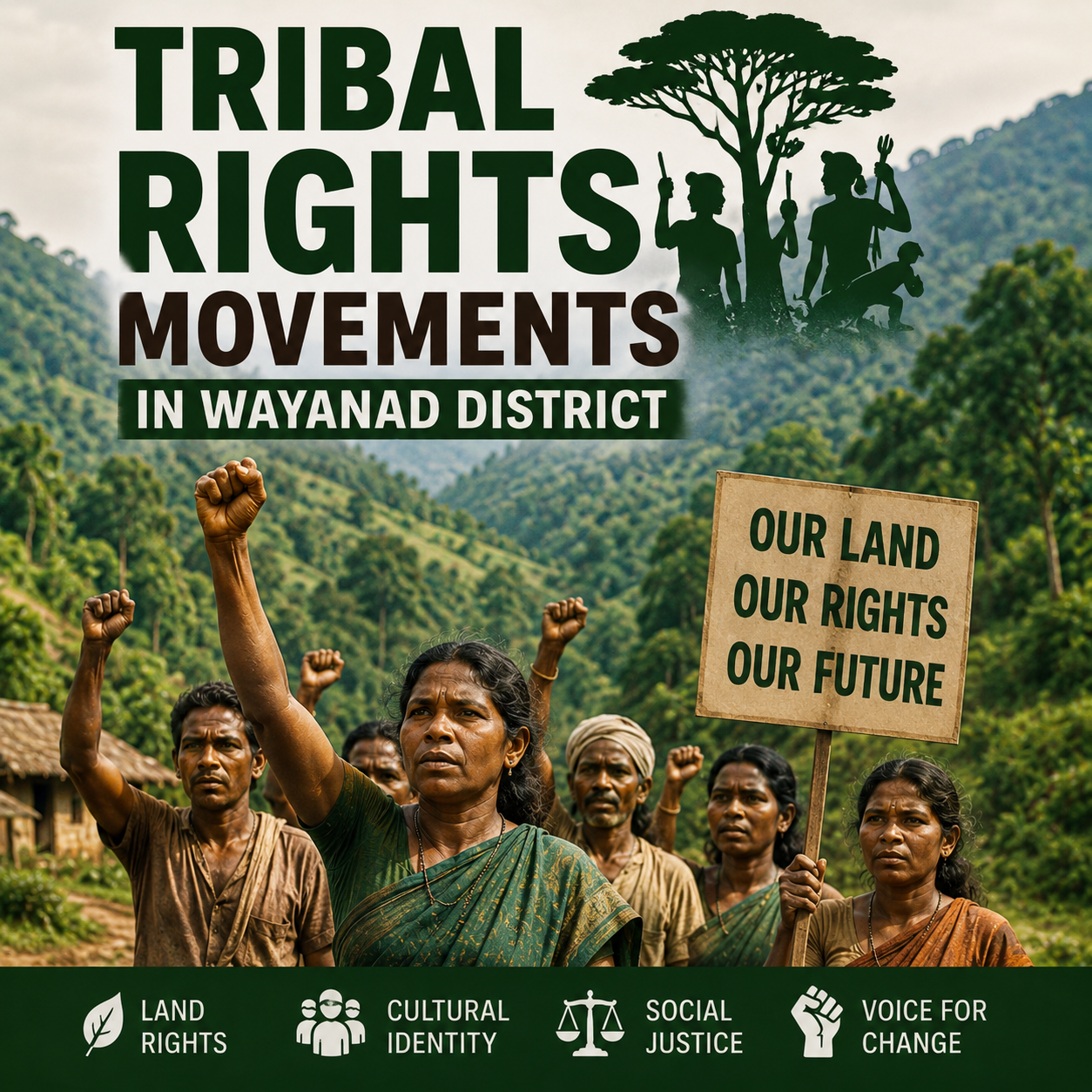
4.3 Protest Movements and Struggles
Wayanad has witnessed several protests and agitations:
- Peaceful marches and demonstrations
- Blockades and sit-ins
- Campaigns for justice and rehabilitation
👉 These movements highlight demands for dignity and equality.
4.4 Cultural Identity Movements
Tribal communities also work to preserve the following:
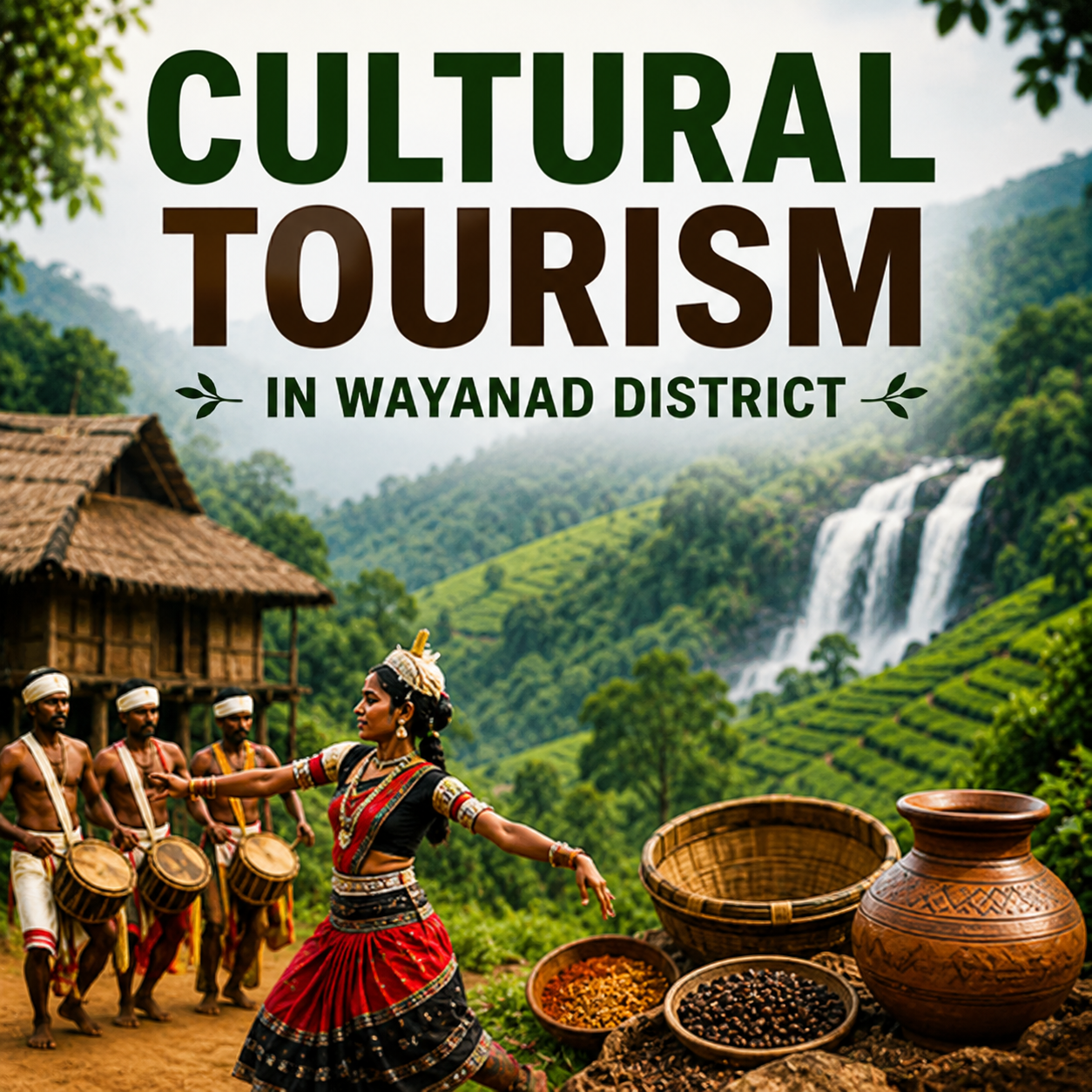
- Traditional dance and music
- Language and customs
- Sacred groves and rituals
👉 Cultural preservation is a key part of tribal activism.
- Role of Tribal Leaders and Organizations
Tribal rights movements in Wayanad are supported by:
- Local tribal leaders
- Social activists
- NGOs and civil society groups
Their roles include:
- Organizing awareness programs
- Helping communities file legal claims
- Supporting education and empowerment
- Advocating for policy changes
👉 Leadership from within communities has strengthened the movements.
- Government Response and Policies
The government has introduced several initiatives:
6.1 Land Reforms and Distribution
- Efforts to redistribute land to landless tribals
- Special housing and rehabilitation schemes
6.2 Forest Rights Act Implementation
- Recognition of tribal forest rights
- Legal protection for forest dwellers
6.3 Welfare Programs
- Education scholarships
- Health schemes
- Employment support programs
👉 However, implementation gaps remain in many areas.
- Role of NGOs and Civil Society

NGOs play an important role in tribal rights movements:
Activities:
- Legal aid and awareness campaigns
- Education support for tribal children
- Health and nutrition programs
- Advocacy for land rights
👉 NGOs act as a bridge between tribal communities and government systems.
- Impact of Tribal Rights Movements
Positive impacts:
- Increased awareness of tribal rights
- Some land redistribution efforts
- Improved political attention
- Growth of tribal education programs
Social impact:
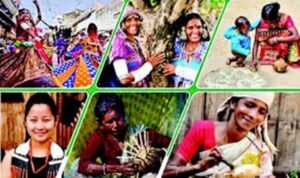
- Empowerment of tribal communities
- Greater participation in public discussions
👉 Movements have helped bring tribal issues into mainstream attention.
- Challenges Faced by Movements
Despite progress, several challenges remain:
9.1 Legal Complexity
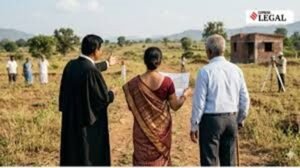
- Long legal procedures for land claims
- Lack of proper land records
9.2 Resistance from Interest Groups
- Conflicts over land ownership
- Economic interests in plantation areas
9.3 Poverty and Dependency
- Economic pressure limits participation in movements
9.4 Geographical Barriers
- Remote forest settlements make organization difficult
👉 These challenges slow down the progress of tribal rights movements.
- Key Issues Summary
Major demands of tribal rights movements include:
- Land ownership and restoration
- Forest rights and resource access
- Education and healthcare improvement
- Protection of cultural identity
- Economic empowerment
- Social equality and justice
- Suggestions for Improvement
- Speedy Land Settlement
- Fast-track land claim verification
- Strengthen Forest Rights Implementation
- Ensure legal recognition of tribal land use
- Education and Skill Development
- Improve schools in tribal areas
- Vocational training programs
- Healthcare Access
- Mobile health units in remote areas
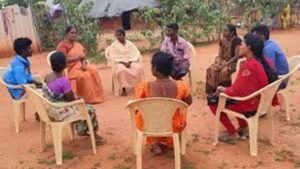
- Community Participation
- Involve tribal people in policy decisions
- Legal Support Systems
- Free legal aid for land disputes
- Conclusion
Tribal rights movements in Wayanad are a powerful response to historical injustice, land alienation, and social inequality. These movements highlight the struggle of indigenous communities to protect their land, identity, and dignity.
While government policies and NGO efforts have brought improvements, many challenges still remain. A balanced approach involving justice, development, and cultural respect is essential for the true empowerment of tribal communities in Wayanad.