
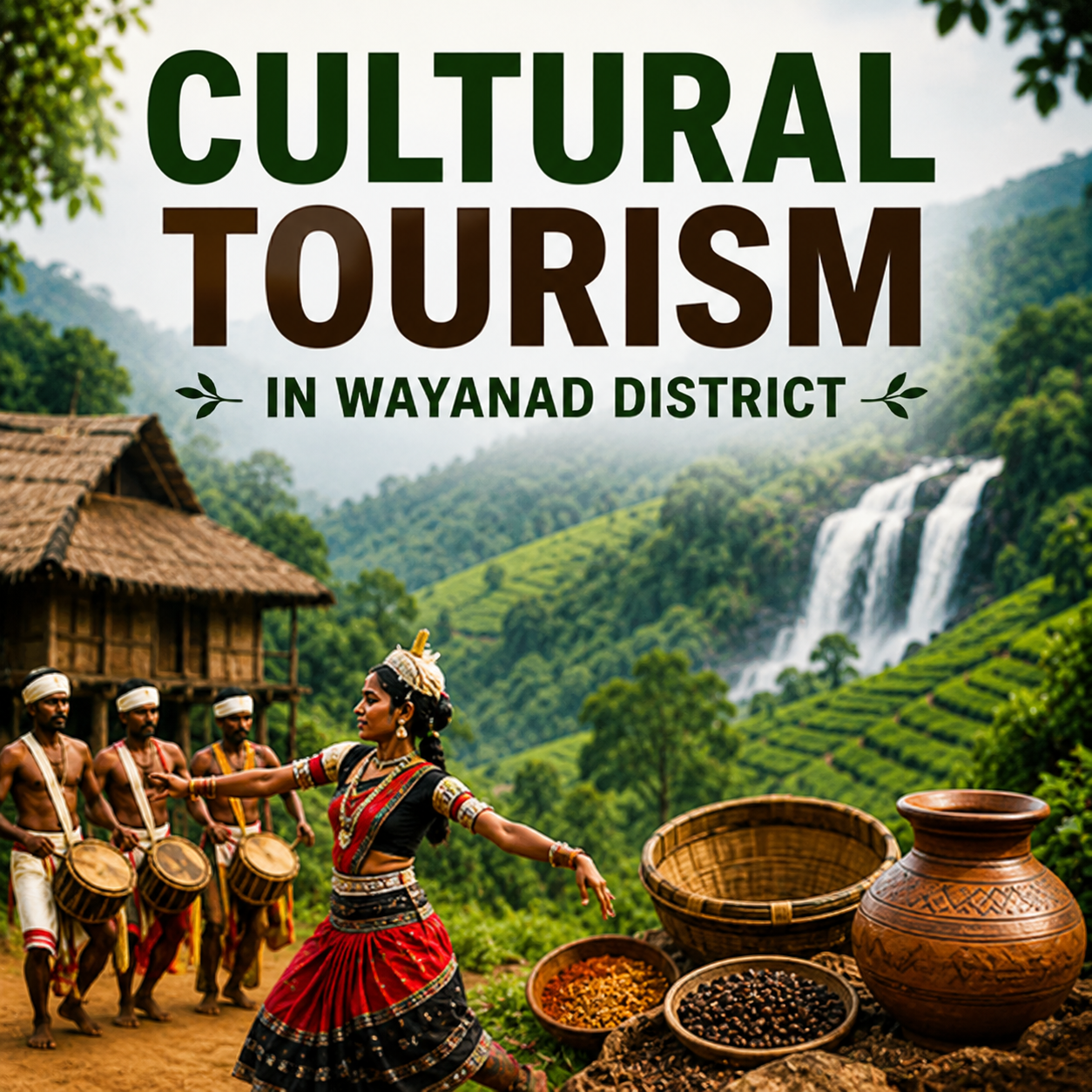
The Wayanad district is one of the most culturally rich and historically significant regions in the state of Kerala. Nestled in the Western Ghats, Wayanad is widely known for its scenic landscapes, but beyond its natural beauty lies a deep-rooted cultural heritage that forms the backbone of its tourism appeal. Cultural tourism in Wayanad focuses on experiencing the traditions, lifestyle, art forms, rituals, and heritage of its indigenous communities.
Unlike urban tourist destinations, Wayanad offers an authentic cultural experience where visitors can explore tribal life, traditional festivals, ancient temples, and unique art forms. This blend of nature and culture makes Wayanad a distinctive destination for cultural tourism in India.
Tribal Culture: The Core of Wayanad Tourism
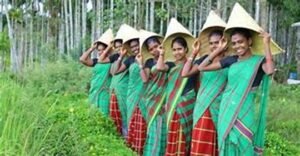
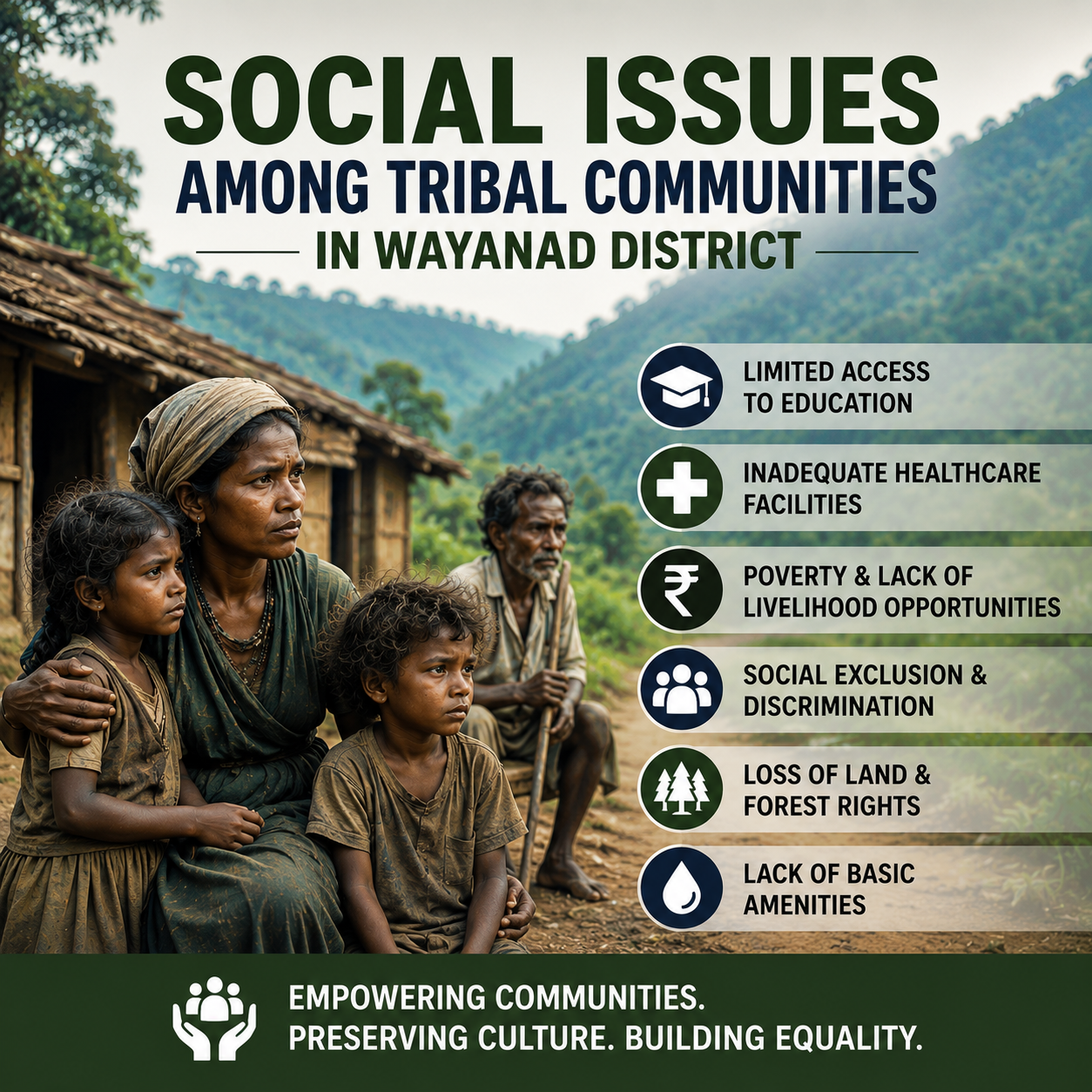
The most significant aspect of cultural tourism in Wayanad is its tribal heritage. The district has one of the largest populations of indigenous communities (Adivasis) in Kerala. Major tribes include the Paniyas, Kurumas, Adiyars, Kattunaikar, and Kadans.
These tribal communities have preserved their traditions for centuries and continue to live in harmony with nature. Their lifestyle, customs, and beliefs are closely connected to forests, agriculture, and natural resources. Many tribes still follow traditional farming practices and use herbal medicines for healing.
Key Cultural Features of Tribal Life
- Nature-based living and sustainable practices
- Traditional dress, ornaments, and housing styles
- Strong community bonding and oral traditions
- Deep spiritual connection with land and forests
Tourists visiting Wayanad can experience this heritage through tribal tourism initiatives, which promote interaction with indigenous communities while preserving their identity.
En Ooru Tribal Heritage Village
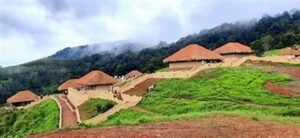
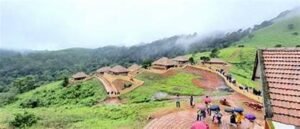
A major attraction for cultural tourism is En Ooru Tribal Heritage Village.
This is Kerala’s first tribal heritage village, designed to showcase the culture and traditions of Wayanad’s tribal communities. It functions as an ethnographic museum where visitors can learn about tribal life.
Highlights
- Traditional tribal huts and architecture
- Live demonstrations of tribal art and music
- Exhibition of handicrafts and herbal products
- Cultural performances in amphitheatres
The village plays a vital role in preserving tribal identity while promoting tourism. It allows visitors to gain firsthand experience of indigenous culture in a respectful and educational manner.
Traditional Art Forms and Performances
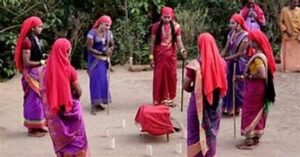
Wayanad is known for its vibrant folk art forms, which are an essential part of its cultural tourism.
Major Art Forms
- Gadhika – A ritualistic performance by the Adiya tribe
- Kolkali – A rhythmic group dance performed with sticks
- Nellukuthu Pattu – Traditional agricultural songs
- Thudi and Kuzhal music – Musical instruments used by tribes
- Vattakali and Koodiyattam – Folk dance and theatrical traditions
These art forms are often performed during festivals and special occasions, attracting tourists who seek cultural immersion.
Cultural tourism programmes frequently include live performances, allowing visitors to witness these traditional expressions.
Festivals and Cultural Celebrations
Festivals in Wayanad are a vibrant reflection of its cultural diversity. Both tribal and mainstream festivals are celebrated with great enthusiasm.
Major Festivals
- Onam
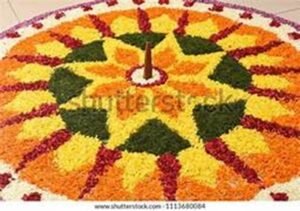
Onam is the most important festival in Kerala and is widely celebrated in Wayanad. It includes:
- Floral decorations (Pookalam)
- Traditional dances and music
- Grand feast (Onam Sadya)
- Folk performances like Pulikali
The celebration reflects unity, prosperity, and cultural richness.
- Thirunelli Festival
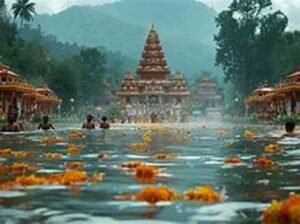
Held at Thirunelli Temple, this festival attracts pilgrims and tourists alike. The temple is often called the “Dakshina Kasi” and is an important spiritual centre.
- Valliyoorkavu Festival
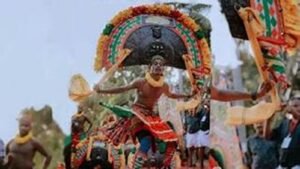
Celebrated at Valliyoorkavu Temple, this festival is deeply connected with tribal communities and lasts for about 15 days.
- Wayanad Vibes Festival
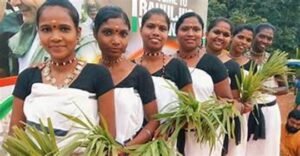
A modern cultural event that promotes tribal music and heritage, showcasing Wayanad’s artistic diversity.
These festivals provide tourists with an opportunity to experience traditional rituals, music, dance, and local cuisine.
Cultural and Historical Sites
Wayanad also offers several historical and cultural landmarks that contribute to tourism.
Edakkal Caves
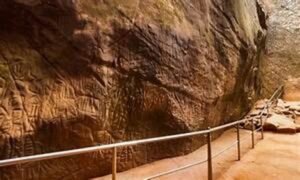
These caves contain prehistoric rock carvings dating back thousands of years, offering insights into early human civilisation.
Religious Centers
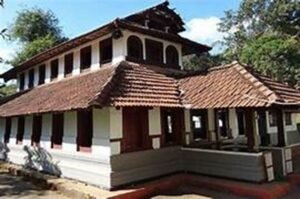
- Temples, churches, and mosques reflect religious diversity
- Rituals and pilgrimages attract spiritual tourists
Museums and Heritage Centers
- Display traditional tools, crafts, and artifacts
- Help preserve cultural history
Cuisine and Culinary Tourism
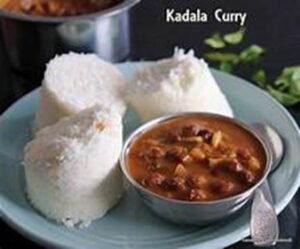
Cultural tourism in Wayanad also includes its unique cuisine, influenced by tribal and Kerala traditions.
Popular Dishes
- Puttu and Kadala Curry
- Appam and Stew
- Malabar Biryani
- Payasam (traditional dessert)
Food in Wayanad reflects the use of local spices such as pepper, cardamom, and coffee, which are also major agricultural products of the region.
Tourists often enjoy traditional meals served on banana leaves, especially during festivals.
Handicrafts and Local Products
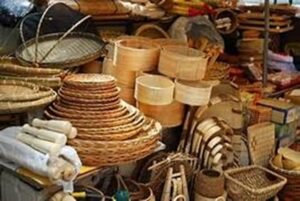
Handicrafts form an important part of Wayanad’s cultural tourism. Tribal communities produce the following:
- Bamboo crafts
- Handwoven items
- Herbal medicines
- Traditional ornaments
These products are sold in local markets and cultural centres, providing livelihood opportunities and promoting sustainable tourism.
Role of Cultural Tourism in Wayanad
Cultural tourism plays a significant role in the development of Wayanad:
Economic Benefits
- Generates income for local communities
- Promotes small-scale industries and handicrafts
Cultural Preservation
- Helps preserve tribal traditions and art forms
- Encourages documentation of heritage
Sustainable Tourism

- Promotes eco-friendly and responsible tourism
- Supports community-based tourism initiatives
Challenges in Cultural Tourism

Despite its potential, cultural tourism in Wayanad faces several challenges:
- Over-tourism affecting ecological balance
- Commercialization of tribal culture
- Lack of awareness about responsible tourism
- Need for better infrastructure
Sustainable practices are essential to protect both cultural heritage and the environment.
Conclusion
Cultural tourism in Wayanad district offers a unique blend of tradition, heritage, and natural beauty. The district stands out for its rich tribal culture, vibrant festivals, traditional art forms, and historical landmarks. By promoting responsible and sustainable tourism, Wayanad has the potential to become a leading cultural tourism destination in India.
For tourists seeking authentic cultural experiences, Wayanad provides an opportunity to connect with indigenous traditions, explore ancient heritage, and appreciate the harmonious relationship between humans and nature.