
Wayanad District is a hilly and forested region located in the northeastern part of Kerala. Known for its natural beauty, tribal heritage, and agricultural economy, Wayanad is home to a significant population of indigenous communities.
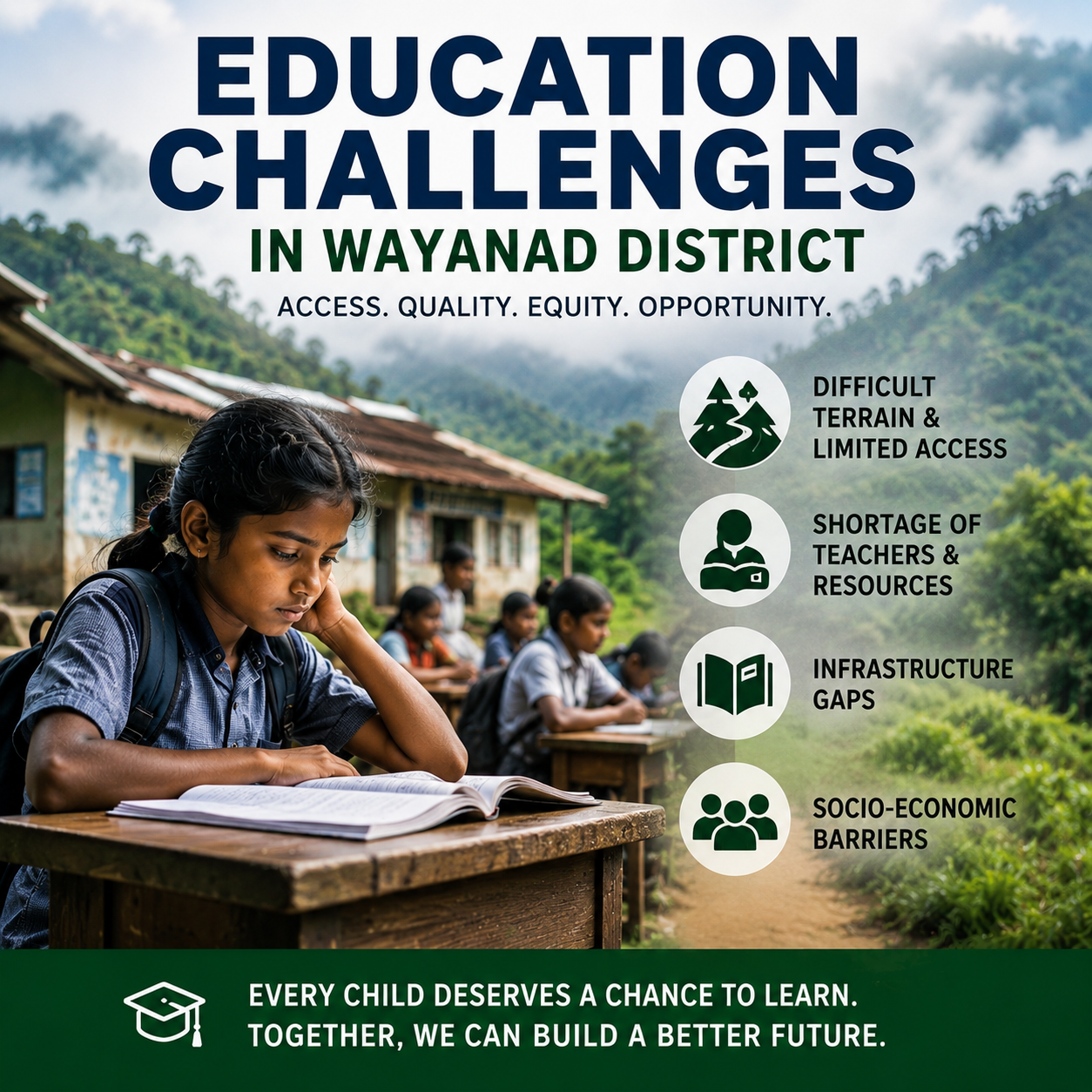
Despite Kerala’s reputation for high literacy and educational development, Wayanad continues to face serious challenges in the education sector, especially among tribal and rural populations. These challenges affect access, quality, and continuity of education.
- Educational Profile of Wayanad
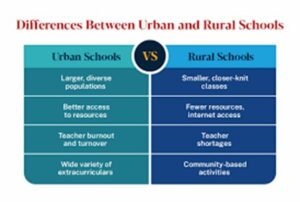
Kerala is often regarded as one of the most literate states in India, but Wayanad shows disparities:
- Lower literacy rates compared to the state average
- Higher school dropout rates in tribal areas
- Limited access to higher education institutions
The district’s geographical isolation and socio-economic conditions create barriers that are not as prominent in other parts of Kerala.
- Major Educational Challenges

3.1 Geographical Barriers
Wayanad’s terrain includes hills, forests, and scattered settlements, which make access to schools difficult.
- Many students travel long distances through forest areas
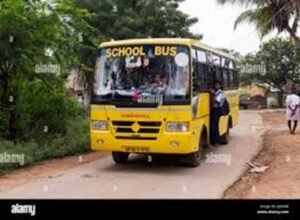
- Lack of proper roads and transportation
- Seasonal issues like heavy rainfall disrupting travel
Children in remote tribal colonies often miss school regularly due to these physical challenges.
3.2 Issues Faced by Tribal Communities
Wayanad has a large population of scheduled tribes such as the following:
- Paniya
- Kurichiya
- Adiya
Educational challenges among these communities include:
- First-generation learners with no academic support at home
- Language barriers (difference between tribal dialects and formal Malayalam)
- Cultural differences affecting school participation
As a result, tribal students often struggle to adapt to formal schooling systems.
3.3 Poverty and Economic Constraints
Many families in Wayanad depend on the following:
- Agriculture
- Daily wage labor
This leads to:
- Children working to support family income
- Inability to afford educational materials
- Lack of proper nutrition affecting learning
Economic hardship is one of the primary reasons for school dropouts.
3.4 High Dropout Rates

Dropout rates are especially high in:
- Upper primary and secondary levels
- Tribal and remote rural areas
Reasons include:
- Financial difficulties
- Lack of interest due to poor academic support
- Early involvement in labor
This leads to interrupted education and limited career opportunities.
3.5 Lack of Educational Infrastructure
Although basic schooling facilities exist, there are several gaps:
- Shortage of well-equipped schools in remote areas
- Limited access to libraries, laboratories, and digital tools
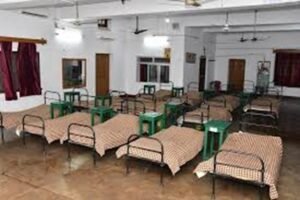
- Poor hostel facilities for tribal students
Many schools lack modern teaching resources, affecting quality education.
3.6 Shortage of Teachers
Teacher-related issues include:
- Insufficient number of teachers in remote schools
- Frequent teacher transfers
- Lack of trained teachers for tribal education
Teachers often face difficulty in:
- Communicating with tribal students
- Handling multi-grade classrooms
This reduces the effectiveness of teaching-learning processes.
3.7 Language and Learning Difficulties
Students from tribal communities often face the following:
- Difficulty understanding Malayalam- or English-medium instruction
- Lack of bridge courses or language support
This leads to:
- Poor academic performance
- Loss of interest in studies
Language barriers are a major hidden challenge in Wayanad’s education system.
3.8 Digital Divide
While digital education is growing across India, Wayanad faces:
- Limited internet connectivity in remote areas
- Lack of smartphones or computers
- Low digital literacy among parents and students
During situations like online learning periods, many students were left behind due to lack of access.
3.9 Health and Nutrition Issues
Health problems significantly affect education:
- Malnutrition among children
- Lack of proper healthcare facilities
- Poor living conditions
Unhealthy children often:
- Have low concentration
- Miss school frequently
This directly impacts academic performance and attendance.
3.10 Social Issues Affecting Education
Other social challenges include:
- Early marriage in some communities
- Alcoholism in families
- Lack of parental awareness about education
These factors reduce the importance given to education, especially for girls and marginalised groups.
- Impact of Educational Challenges
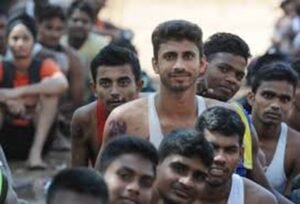
4.1 On Individuals
- Limited employment opportunities
- Continued cycle of poverty
- Lack of skills and awareness
4.2 On Society
- Slower socio-economic development
- Inequality between communities
- Marginalization of tribal populations
4.3 On Future Generations
- Intergenerational illiteracy
- Reduced social mobility
- Weak human resource development
Education challenges in Wayanad affect not only individuals but also the overall development of the district.
- Government and Institutional Efforts
Several initiatives have been introduced to improve education in Wayanad District:
5.1 Tribal Education Programs
- Special residential schools for tribal students
- Scholarships and financial support
- Bridge courses for first-generation learners
5.2 Infrastructure Development
- Construction of schools in remote areas
- Improvement of roads and transportation
- Digital learning initiatives
5.3 Midday Meal Scheme
- Provides free meals to students
- Encourages school attendance
- Improves nutrition levels
5.4 Awareness Campaigns
- Promoting importance of education among parents
- Community involvement programs
- Challenges in Implementation

Despite various programmes, issues remain:
- Poor monitoring of schemes
- Lack of coordination between departments
- Limited reach in remote tribal areas
- Social resistance in some communities
These challenges reduce the effectiveness of government efforts.
- Suggestions and Recommendations
To improve education in Wayanad District, the following steps are recommended:
7.1 Improve Accessibility
- Build more schools in remote areas
- Provide transportation facilities
7.2 Focus on Tribal Education
- Use local languages in early education
- Recruit teachers from tribal communities
7.3 Strengthen Infrastructure
- Provide digital tools and internet access
- Improve school facilities
7.4 Reduce Dropout Rates
- Financial support for poor families
- Vocational education programs
7.5 Increase Community Participation
- Involve parents and local leaders
- Conduct awareness programs
7.6 Enhance Teacher Training
- Train teachers for multi-cultural classrooms
- Provide incentives for working in remote areas
- Conclusion
Education in Wayanad District faces multiple challenges rooted in geography, poverty, social conditions, and cultural diversity. While Kerala is known for its educational achievements, Wayanad highlights the uneven distribution of development within the state.
Addressing these challenges requires a holistic and inclusive approach that focuses on:
- Accessibility
- Equity
- Quality education
With proper planning, community involvement, and sustained efforts, Wayanad can overcome these barriers and ensure education for all, paving the way for a more equitable and prosperous future.