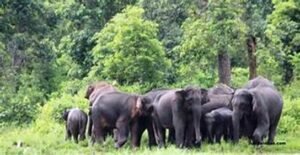
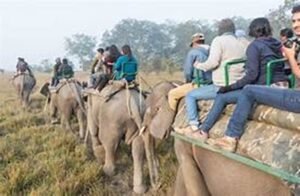
Wayanad, located in the Western Ghats of Kerala, is a top destination for family vacations. Known for its lush greenery, misty hills, waterfalls, wildlife, and serene climate, Wayanad offers experiences suitable for all age groups, from children to grandparents.
Family-friendly tourism in Wayanad focuses on safety, accessibility, and enjoyable activities for everyone. Families can explore nature, history, culture, and adventure together, making it a perfect getaway.
Why Wayanad is Ideal for Family Travel
Pleasant climate year-round, avoiding extreme heat or cold
Safe and accessible tourist spots for children and elderly
Diverse attractions: waterfalls, lakes, wildlife, plantations, and cultural sites
Abundance of resorts and homestays with family-friendly amenities
The combination of nature, adventure, and comfort makes Wayanad an ideal family vacation destination.
Family-Friendly Attractions
3.1 Pookode Lake
A freshwater lake surrounded by hills and forests
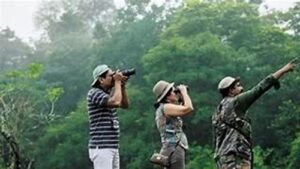
Activities: boating, walking trails, birdwatching
Suitable for kids and adults alike
3.2 Edakkal Caves
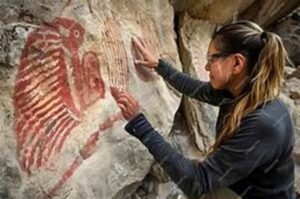
Ancient caves with prehistoric carvings
Educational and cultural experience for children
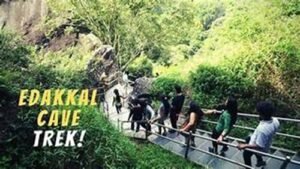
Moderate trekking path that is safe for families
3.3 Banasura Sagar Dam
Largest earth dam in India
Picnic spot with playgrounds and boating facilities
Children-friendly open spaces for family activities
3.4 Soochipara and Meenmutty Waterfalls
Picturesque waterfalls with easy access points
Family-friendly trekking paths and picnic areas
Great spots for photography and relaxation
3.5 Kuruva Island
Protected river delta with walking trails
Enjoy nature walks, birdwatching, and riverside exploration
Kids enjoy the safe trails and bridges
Family Adventure Activities
Trekking: Chembra Peak offers a short and guided trek suitable for older children and teens
Camping: Many family-friendly campsites with tents and safety measures
Wildlife Safaris: Wayanad Wildlife Sanctuary provides guided safaris for families
Plantation Tours: Visit coffee, tea, and spice estates to learn about local agriculture
Family-Friendly Accommodation
Wayanad offers a variety of accommodations catering to families:
5.1 Homestays
Affordable and safe
Provide home-cooked meals suitable for children
Personal attention to family needs
5.2 Resorts
Resorts with swimming pools, play areas, and activity centers
Some offer guided family tours and cultural programs
5.3 Eco-Lodges
Combine comfort with outdoor experiences
Nature walks, birdwatching, and educational activities for children
Best Time to Visit for Families
October to February (Winter): Ideal for sightseeing, trekking, and outdoor activities
March to May (Summer): Less crowded, affordable stays, but warmer
Monsoon (June to September): Scenic beauty, but some outdoor activities may be restricted
Families should plan according to the age of children and their preferred activities.
Safety and Travel Tips for Families
Carry sufficient water, snacks, and first-aid kits
Choose attractions with easy accessibility for children and the elderly
Prefer guided tours for trekking and wildlife safaris
Book accommodations with family-friendly amenities
Avoid remote and risky areas without supervision
Educational and Cultural Experiences
Edakkal Caves: Teaches history and archaeology
Local villages and plantations: Introduce children to agriculture and culture
Traditional festivals: Onam or Vishu celebrations provide cultural immersion
These experiences are both fun and educational for children and adults alike.
Benefits of Family-Friendly Tourism
Strengthens family bonding through shared experiences
Provides a safe and comfortable environment for all ages
Encourages children to connect with nature
Boosts the local economy by supporting family-oriented services
Family tourism also promotes responsible travel, as families often choose sustainable and safe activities.
Conclusion
Wayanad is an ideal destination for families seeking nature, adventure, culture, and relaxation. With safe attractions, family-friendly accommodations, and a range of activities, it ensures that all members, from children to grandparents, enjoy a memorable vacation.
Whether it’s boating in Pookode Lake, exploring caves, picnicking at dams, or trekking in scenic hills, Wayanad offers something for every family member. This makes it one of Kerala’s most sought-after family vacation destinations.
Wayanad, located in the Western Ghats of Kerala, is famous for its natural beauty, wildlife, and historical sites. Among its most intriguing attractions are the Edakkal Caves, which offer a glimpse into ancient human civilisation.
Edakkal Caves are not typical caves—they are rock shelters situated on the Ambukuthi Hills, about 1,200 metres above sea level. They are renowned for their prehistoric petroglyphs, which are carvings on stones depicting human figures, animals, symbols, and tools.
Location and Accessibility
The caves are located near Sulthan Bathery in Wayanad district.
Trekking is required to reach the caves, as they are situated on a hill.
The trek is approximately 2 kilometres from the base of Ambukuthi Hills.
The caves provide a panoramic view of the surrounding hills and valleys, making the journey both adventurous and scenic.
Visitors are advised to wear comfortable shoes and carry water during the trek.
Historical Significance
The Edakkal Caves are believed to date back to over 6,000 years, making them one of the earliest human settlements in South India.
The carvings represent life during the Neolithic period, including hunting, agriculture, and social activities.
Archaeologists have found symbols resembling early writing, geometric patterns, and depictions of tools.
The caves give insights into the cultural, religious, and daily life of prehistoric humans.
The Edakkal Caves are considered an invaluable site for understanding prehistoric art and human evolution in the Indian subcontinent.
The Mystery of Petroglyphs
One of the most fascinating aspects of Edakkal Caves is the mysterious petroglyphs.
The carvings include human figures, animals like elephants and deer, footprints, and geometric patterns.
Some symbols are still undeciphered, leading to debates about their purpose and meaning.
Scholars suggest the carvings may have served ritualistic, religious, or communicative purposes.
This combination of history and mystery attracts archaeologists, historians, and tourists alike.
Cultural Significance
The caves are closely connected to the local tribal communities, who regard the site as sacred.
Certain carvings are believed to have spiritual significance.
Edakkal is often associated with folklore and ancient legends, adding to its mystical appeal.
The site demonstrates how nature, culture, and human creativity merged thousands of years ago.
Geological Features
The Edakkal Caves are natural sandstone formations.
They consist of two main caves, each with distinct carvings.
The caves were formed due to erosion over centuries, creating natural shelters suitable for early humans.
The rocks are durable, which is why the carvings have survived thousands of years.
The combination of geological and archaeological importance makes Edakkal Caves unique.
Tourism and Adventure
Edakkal Caves attract tourists for both historical interest and adventure.
Trekking up Ambukuthi Hills offers panoramic views of Wayanad’s forests and hills.
Photography enthusiasts enjoy capturing the rock formations and carvings.
Visitors often explore nearby forests and small streams, combining history with nature exploration.
Local guides provide insights about the carvings, legends, and trekking routes, enriching the visitor experience.
Conservation Efforts
Being an archaeologically protected site, Edakkal Caves are under the care of the Archaeological Survey of India (ASI).
Entry is regulated to prevent damage to carvings.
Tourists are advised not to touch the walls or graffiti on the carvings.
Educational programmes promote awareness about prehistoric heritage.
Conservation ensures that future generations can also witness this historical treasure.
Educational and Research Importance
Edakkal Caves serve as a live classroom for students and researchers.
Archaeologists study the carvings to understand prehistoric human life.
Researchers analyse symbols to explore early communication and religious practices.
The site provides a link between geology, history, and anthropology, making it invaluable for academic study.
Conclusion
Edakkal Caves in Wayanad are more than just a tourist destination—they are a window into the distant past. The combination of prehistoric carvings, natural beauty, and mystical aura makes it one of the most significant sites in Kerala.
Visiting the caves allows one to connect with ancient human civilisation, appreciate nature’s geological artistry, and experience the mystery that has lasted thousands of years. Protecting and preserving Edakkal Caves is essential for understanding India’s rich prehistoric heritage.
Wayanad, located in the Western Ghats of Kerala, is one of the most ecologically sensitive and naturally rich districts in India. Known for its forests, wildlife, waterfalls, and tribal heritage, Wayanad has become a leading destination for eco-tourism.
Eco-tourism refers to responsible travel to natural areas that conserves the environment and improves the well-being of local people. In Wayanad, eco-tourism initiatives aim to protect nature while promoting sustainable development.
Concept of Eco-Tourism in Wayanad
Eco-tourism in Wayanad focuses on three main aspects:
Environmental conservation
Economic benefits to local communities
Cultural preservation
The district follows a responsible tourism model, where tourists, local people, and authorities work together to protect natural resources. A major initiative began in 2007–2008 with stakeholder participation, focusing on social, economic, and environmental sustainability.
Major Eco-Tourism Initiatives
3.1 Responsible Tourism Projects
The Responsible Tourism (RT) initiative in Wayanad is one of the most important ecotourism programmes.
Involves local communities in tourism activities
Encourages the use of local products and services
Promotes sustainable practices in hotels and resorts
Generates employment for rural and tribal people
These projects ensure that tourism benefits reach the local population directly.
3.2 Role of Wayanad Eco-Tourism Association (WETA)
The Wayanad Ecotourism Association (WETA) plays a major role in promoting ecotourism.
Encourages eco-friendly resorts and homestays
Promotes sustainable tourism practices
Supports cultural exchange between tourists and locals
Works to preserve natural beauty
WETA consists of local stakeholders and focuses on responsible travel experiences.
3.3 Eco-Friendly Resorts and Homestays
Many resorts and homestays in Wayanad follow eco-friendly practices.
Common initiatives include:
Use of renewable energy (biogas, solar power)
Waste management and recycling
Rainwater harvesting
Use of local materials for construction
Organic farming
For example, some resorts use biogas plants, natural water sources, and local farm products to reduce environmental impact.
These practices help reduce pollution and promote sustainable living.
3.4 Wildlife Conservation and Eco-Tourism
The Wayanad Wildlife Sanctuary is an important eco-tourism area.
Promotes responsible wildlife tourism
Protects endangered species
Provides regulated safari experiences
Educates tourists about biodiversity
Eco-tourism activities here focus on maintaining the balance between tourism and conservation.
3.5 Farm Tourism and Agro-Eco Tourism
Farm tourism is another important eco-tourism initiative in Wayanad.
Visitors stay in farms and plantations
Experience agricultural activities like coffee and spice cultivation
Learn traditional farming methods
This type of tourism allows visitors to experience rural life and natural farming practices.
3.6 Community-Based Tourism
Community participation is a key feature of eco-tourism in Wayanad.
Tribal communities are involved in tourism activities
Local guides provide trekking and cultural tours
Handicrafts and local products are promoted
This helps preserve traditional knowledge and improves the livelihood of local people.
3.7 Conservation and Awareness Programs
Several ecotourism initiatives focus on environmental awareness:
Nature education programs
Tree planting campaigns
Wildlife conservation awareness
Butterfly conservation projects
Recent initiatives include creating butterfly gardens to protect biodiversity and educate visitors about ecosystems.
Sustainable Practices in Eco-Tourism
Eco-tourism initiatives in Wayanad follow various sustainable practices:
Reduction of plastic use
Promotion of eco-friendly transportation
Controlled tourism activities in sensitive areas
Conservation of forests and water resources
These practices aim to reduce the negative impact of tourism on the environment.
Benefits of Eco-Tourism in Wayanad
Environmental Benefits
Protection of forests and wildlife
Conservation of biodiversity
Reduction of pollution
Economic Benefits
Employment for local communities
Growth of small businesses
Promotion of local products
Social and Cultural Benefits
Preservation of tribal culture
Promotion of traditional knowledge
Improved quality of life for residents
Challenges in Eco-Tourism
Despite its success, ecotourism in Wayanad faces some challenges:
Over-tourism in certain areas
Illegal construction of resorts
Environmental degradation
Lack of strict regulations
There have been concerns that unregulated tourism activities may harm the fragile ecosystem of the region.
Future Scope of Eco-Tourism
Wayanad has great potential to become a global eco-tourism destination.
Future developments may include:
Expansion of sustainable tourism projects
Increased government support
Promotion of tribal tourism
Development of eco-friendly infrastructure
Plans for long-term development highlight eco-tourism as a key sector for economic growth while maintaining environmental balance.
Conclusion
Eco-tourism initiatives in Wayanad play a vital role in balancing tourism development and environmental conservation. Through responsible tourism projects, eco-friendly practices, and community participation, Wayanad has become a model for sustainable tourism in India.
However, maintaining this balance requires continuous efforts, strict regulations, and awareness among tourists. With proper planning and conservation measures, Wayanad can continue to thrive as a leading eco-tourism destination while preserving its natural beauty for future generations.
The picturesque district of Wayanad, located in the lush Western Ghats, is one of the most ecologically sensitive and biodiverse regions in South India. Known for its misty mountains, dense forests, waterfalls, wildlife sanctuaries, and tribal heritage, Wayanad attracts thousands of nature lovers every year.
However, with increasing tourism, maintaining the ecological balance of this fragile ecosystem has become extremely important. Eco-friendly travel practices ensure that tourism does not harm nature, wildlife, or local communities while allowing visitors to enjoy the beauty of the region responsibly.
Eco-tourism in Wayanad is not just a trend—it is a necessity for preserving its forests, wildlife, and cultural heritage for future generations.
Why Eco-Friendly Travel Matters in Wayanad
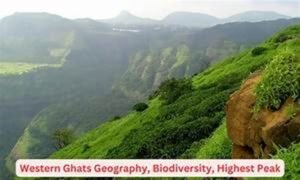
Wayanad is part of the Western Ghats, a UNESCO-recognised biodiversity hotspot. This means even small environmental disturbances can have long-term impacts.
Protecting Biodiversity
The region is home to elephants, deer, leopards, and hundreds of bird species. Responsible travel helps protect their natural habitat.
Preserving Forest Ecosystems
Forests in Wayanad regulate climate, rainfall, and soil balance. Pollution and deforestation can disrupt this fragile system.
Supporting Local Communities
Eco-tourism helps tribal and rural communities earn sustainable income without damaging their environment.
Reducing Carbon Footprint
Responsible travel practices help reduce pollution and waste in sensitive forest zones.
Key Eco-Friendly Travel Practices in Wayanad
Follow “Leave No Trace”. Principle
One of the most important ecotourism rules is to leave nature exactly as you found it.
Practices include:
Do not litter in forests or waterfalls
Carry reusable water bottles
Avoid plastic bags and packaging
Dispose of waste only in designated bins
This is especially important in fragile zones like Wayanad Wildlife Sanctuary.
Respect Wildlife and Maintain Distance
Wayanad is home to rich wildlife, especially elephants.
Eco-friendly behaviour:
Do not feed animals
Avoid loud noises in forest areas
Maintain a safe distance during safaris
Do not use flash photography
Wildlife safaris in areas like Muthanga and Tholpetty should always be done responsibly.
Choose Eco-Stays and Homestays
Instead of luxury resorts that may harm natural surroundings, choose eco-friendly accommodations.
Examples of eco-friendly stays:
Treehouses
Plantation homestays
Eco-lodges built with sustainable materials
These stays often use solar energy, rainwater harvesting, and organic farming practices.
Support Local Economy
Eco-tourism also means supporting the local community.
Ways to contribute:
Buy local handicrafts
Eat traditional Kerala food
Hire local guides for trekking
Stay in family-run homestays
This helps improve livelihoods while preserving cultural traditions.
Responsible Trekking Practices
Trekking is one of the most popular activities in Wayanad, especially at places like Chembra Peak and Edakkal Caves.
Eco-friendly trekking rules:
Stick to marked trails
Do not pluck plants or flowers
Avoid disturbing wildlife
Carry back all waste
Trek in small groups
Reduce Plastic Usage
Plastic waste is a major environmental concern in tourist destinations.
Better alternatives:
Carry steel or copper water bottles
Use cloth bags
Avoid packaged snacks
Refuse single-use plastics
Many forest checkpoints in Wayanad now restrict plastic entry.
Use Sustainable Transport Options
Transportation plays a major role in eco-friendly travel.
Suggestions:
Use public buses where possible
Opt for shared taxis instead of private vehicles
Rent bicycles for short distances
Avoid unnecessary vehicle movement in forest zones
Respect Tribal Culture and Traditions
Wayanad has a rich tribal heritage with communities living close to nature.
Responsible behaviour:
Ask permission before photographing people
Respect local customs and rituals
Avoid interfering in community spaces
Learn about tribal culture respectfully
This helps preserve cultural identity while promoting ethical tourism.
Avoid Over-Tourism at Sensitive Spots
Some areas in Wayanad are ecologically fragile.
Examples include:
Waterfall zones
Wildlife corridors
Protected forest areas
Visitors should avoid overcrowding and follow entry regulations strictly.
Participate in Eco-Tourism Activities
Eco-friendly tourism is also about engaging in positive activities, such as:
Nature walks
Organic plantation tours
Bird watching
Guided forest safaris
Locations like Banasura Sagar Dam also promote eco-tourism activities like boating and trekking with controlled access.
Eco-Tourism Initiatives in Wayanad
The district has introduced several ecotourism initiatives to protect its environment:
Forest Department Safaris
Controlled jeep safaris in wildlife zones help regulate tourism impact.
Community-Based Tourism
Local tribal groups are involved in guiding, hospitality, and cultural experiences.
Plantation-Based Tourism
Coffee, tea, and spice plantations offer sustainable tourism experiences.
Protected Area Management
Strict regulations are implemented in wildlife sanctuaries and forest regions.
Challenges of Eco-Tourism in Wayanad
Despite efforts, several challenges remain:
Increasing tourist footfall
Plastic pollution in remote areas
Habitat disturbance due to unregulated tourism
Overdevelopment in certain regions
Water resource pressure
Addressing these issues requires cooperation between tourists, the government, and local communities.
Role of Tourists in Conservation
Tourists play a crucial role in protecting Wayanad’s environment.
Every visitor should:
Be mindful of waste generation
Respect wildlife and forests
Follow guidelines strictly
Promote responsible tourism among others
Small actions collectively make a big difference in preserving this natural paradise.
Conclusion
Eco-friendly travel in Wayanad is essential to preserve its unique landscapes, biodiversity, and cultural richness. As part of the fragile Western Ghats ecosystem, responsible tourism ensures that destinations like Chembra Peak, Wayanad Wildlife Sanctuary, and Banasura Sagar Dam remain untouched and beautiful for future generations.
By following eco-friendly practices, travellers not only enjoy a more authentic experience but also contribute to protecting one of India’s most precious natural regions.
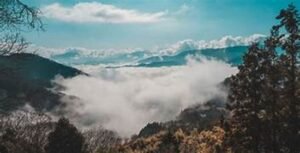
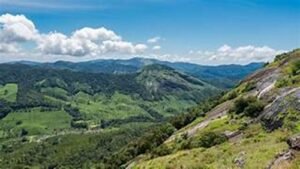
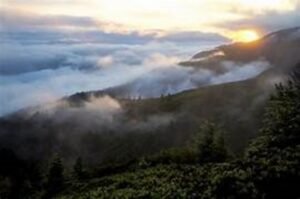
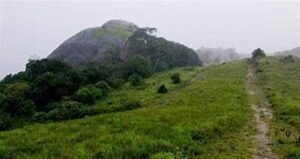
Grasslands, streams, and mist-covered hills along the trail.
Adventure enthusiasts enjoy the combination of trekking, exploration, and photography at Chembra Peak.
Nearby Attractions
The Chembra Peak trekking area is close to several other tourist spots in Wayanad, allowing visitors to plan a full-day trip:
Meenmutty Waterfalls – a 3-tier waterfall and trekking experience.
Banasura Sagar Dam – boating and scenic views.
Pookode Lake – a freshwater lake for relaxation.
Soochipara Waterfalls – a popular waterfall near Meppadi.
This makes Chembra Peak a central hub for Wayanad tourism.
Conclusion
Chembra Peak is not just a trekking destination; it is a symbol of Wayanad’s natural beauty and adventure tourism.
From a heart-shaped lake to panoramic views and rich biodiversity, it offers a complete trekking experience.
Suitable for nature lovers, photographers, and adventure enthusiasts, it is ideal for both solo trekkers and groups.
With proper planning, safety, and guidance, the Chembra Peak trek becomes a memorable journey, combining adventure, natural beauty, and a connection with the Western Ghats.
Trekking to Chembra Peak provides a unique opportunity to experience Wayanad’s scenic landscapes and ecological diversity up close.
Wayanad, located in the Western Ghats of Kerala, is not just famous for its hills, forests, and waterfalls but also for its rich outdoor adventure options. Among these, camping in Wayanad has emerged as a popular activity for tourists seeking a blend of nature, adventure, and relaxation. Wayanad offers a wide variety of camping experiences—from riverside camps to forest camps and hilltop tents—allowing visitors to connect with nature while enjoying outdoor activities.
Camping in Wayanad is an excellent way to explore the region’s biodiversity, experience tribal culture, and enjoy activities like trekking, birdwatching, and stargazing. Whether for families, friends, or solo travellers, Wayanad provides memorable camping experiences in pristine surroundings.
Popular Camping Spots in Wayanad
Banasura Hill Camping
Banasura Hill, located near Banasura Sagar Dam, is a popular location for hilltop camping.
Highlights:
Campsites near the hills with panoramic views.
Opportunities for trekking to Banasura Peak.
Sunrise and sunset views over the Western Ghats.
Activities: Trekking, nature photography, and campfire nights.
Best Time to Visit: September to February
Chembra Peak Camps
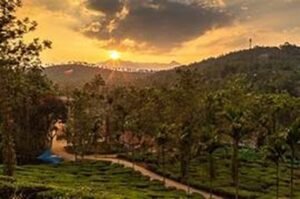
Chembra Peak, the highest peak in Wayanad, offers camping opportunities for adventure enthusiasts.
Highlights:
Campsites near the Hridaya Saras lake.
Early morning treks to the peak.
Misty forests and wildlife sightings around the campsite.
Activities: Trekking, photography, and stargazing.
Best Time to Visit: October to May
Kuruva Island Camping
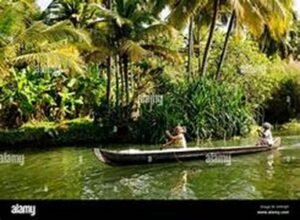
Kuruva Island, located on the Kabini River, is an eco-tourism hotspot offering riverside and forest camping.
Highlights:
Camping tents along the riverbank amidst lush greenery.
Close proximity to rare flora and fauna.
Canoeing and coracle rides on the river.
Activities: Birdwatching, nature walks, and river activities.
Best Time to Visit: November to March
Soochipara (Sentinel Rock) Camping
Soochipara Waterfalls, also called Sentinel Rock, provides a scenic backdrop for camping.
Highlights:
Camping near waterfalls and cliffs.
Trekking through rocky trails to the waterfall.
Opportunity for rock climbing and waterfall rappelling.
Activities: Adventure sports, photography, and hiking.
Best Time to Visit: August to January
Meenmutty and Chethalayam Camps
These two waterfalls, Meenmutty and Chethalayam, are surrounded by dense forests and make excellent camping sites.
Highlights:
Campsites near flowing waterfalls.
Opportunities to explore forest trails.
Peaceful environment for relaxation.
Activities: Trekking, swimming in natural pools, and birdwatching.
Best Time to Visit: Post-monsoon season (September to January)
Tholpetty Wildlife Sanctuary Camping
Tholpetty Wildlife Sanctuary, part of Wayanad’s protected forest areas, offers eco-camping experiences.
Highlights:
Campsites inside or near the sanctuary with forest views.
Opportunities for wildlife spotting like elephants, deer, and exotic birds.
Guided forest treks and nature trails.
Activities: Birdwatching, wildlife photography, and forest trekking.
Best Time to Visit: October to March
Unique Features of Camping in Wayanad
Natural Beauty
Forests, rivers, hills, and waterfalls create a scenic camping environment.
Morning and evening views provide opportunities for photography and nature walks.
Adventure Activities
Trekking, rock climbing, and waterfall rappelling are often part of camping packages.
Bonfires, nature trails, and stargazing enhance the outdoor experience.
Cultural Interaction
Some campsites are near tribal villages, allowing visitors to learn about local culture and traditions.
Traditional food and folk music may be part of organised camping experiences.
Eco-Friendly Tourism
Many camps in Wayanad promote sustainable tourism practices.
Campsites often follow “leave no trace” principles to protect forests and wildlife.
Best Practices for Camping
Carry essentials: water, snacks, trekking shoes, a first-aid kit, and warm clothes.
Follow eco-guidelines: Avoid littering and respect wildlife.
Hire local guides: They provide safety and knowledge about the region.
Check weather conditions: Monsoon season may make camping challenging.
Plan early: Popular campsites require advance booking.
Conclusion
Camping in Wayanad provides a perfect escape from city life, combining adventure, relaxation, and cultural experiences. Whether it is the hilltop views at Banasura and Chembra, the riverside serenity at Kuruva Island, or forest camping in Tholpetty, Wayanad offers something for every nature lover. Eco-friendly camping promotes conservation while providing tourists with memorable experiences amidst the lush landscapes, wildlife, and vibrant culture of the district.
For anyone seeking an adventure in nature, camping in Wayanad is not just a recreational activity—it is a chance to connect with the natural and cultural soul of Kerala.
Wayanad, located in the Western Ghats of Kerala, is a popular tourist destination known for its scenic beauty, wildlife, waterfalls, and pleasant climate. It attracts travellers from all over India and abroad.
Although Wayanad is famous for resorts and luxury stays, it is also an excellent destination for budget travellers. With proper planning, one can explore Wayanad’s beauty without spending too much money.
A budget travel guide helps tourists enjoy the best experiences while keeping expenses low.
How to Reach Wayanad on a Budget
By Road
Wayanad is well connected by roads from nearby cities like Kozhikode, Mysuru, and Bengaluru.
Government buses (KSRTC) are the cheapest option
Private buses are also available at reasonable prices
By Train
Nearest railway station: Kozhikode
From there, buses or shared taxis can be used
By Air
Nearest airport: Calicut International Airport
Budget travelers can take buses from the airport to Wayanad
👉 Tip: Use public transport instead of private taxis to save money.
Budget Accommodation Options
Wayanad offers many affordable accommodation choices.
3.1 Budget Homestays
Low-cost and comfortable
Provide home-cooked food
Offer local experience
3.2 Hostels and Dormitories
Suitable for solo travelers and students
Shared rooms reduce cost
3.3 Budget Hotels
Basic facilities at reasonable prices
Easily available in towns like Kalpetta and Sulthan Bathery
👉 Tip: Book in advance during peak season to get lower prices.
Affordable Food Options
Food in Wayanad is generally affordable if you choose local options.
Eat at small local restaurants (local “hotels”)
Try Kerala meals served on banana leaves
Street food and small eateries are cheaper
Popular low-cost food items:
Appam and curry
Puttu and kadala curry
Dosa and tea
👉 Tip: Avoid expensive resort restaurants to save money.
Budget-Friendly Places to Visit
Many tourist attractions in Wayanad have low or no entry fees.
Low-Cost Attractions
Pookode Lake
Edakkal Caves
Banasura Sagar Dam
Soochipara Waterfalls
Kuruva Island
Free or Low-Entry Nature Spots
Viewpoints and hill areas
Forest walking trails (with permission)
👉 These places offer great experiences at minimal cost.
Budget Adventure Activities
Adventure activities in Wayanad can also be enjoyed at a low cost.
Trekking (low or minimal fee)
Camping (budget group packages available)
Wildlife safari (shared jeep reduces cost)
👉 Tip: Travel in groups to share expenses.
Transportation Within Wayanad
Public Transport
Buses connect major tourist places
Cheapest and most widely available
Shared Vehicles
Shared jeeps and taxis are affordable
Suitable for remote areas
Bike Rentals
Renting a bike is a popular and budget-friendly option
Gives flexibility to explore freely
👉 Tip: Avoid private cabs if travelling on a tight budget.
Best Time for Budget Travel
March to May (Summer): Lower prices, fewer tourists
Monsoon (June to September): Discounts on stays
Avoid peak season (October to February) if you want to save money.
Money-Saving Tips
Here are some useful tips for budget travellers:
Travel in groups
Use public transport
Choose homestays instead of resorts
Eat local food
Book tickets in advance
Avoid peak tourist season
Carry reusable water bottles
These tips can significantly reduce travel expenses.
Sample Budget Plan (2–3 Days)
Day 1
Arrival and check-in (budget homestay)
Visit Pookode Lake and nearby attractions
Day 2
Trek to Chembra Peak
Visit waterfalls
Day 3
Wildlife safari or plantation visit
Return journey
👉 This plan helps cover major attractions at a low cost.
Benefits of Budget Travel
Budget travel offers many advantages:
Saves money
Encourages simple and meaningful travel
Allows longer trips
Promotes local businesses
It also helps travellers connect more closely with nature and culture.
Conclusion
Wayanad is a perfect destination for budget travellers who want to enjoy nature, adventure, and culture without spending too much. With affordable accommodation, low-cost food, and budget-friendly attractions, it is possible to explore the district economically.
Proper planning, smart choices, and responsible travel can make a Wayanad trip both memorable and cost-effective.
Thus, Wayanad proves that travel does not always have to be expensive to be enjoyable.
Wayanad district is one of the richest biodiversity regions in South India and a paradise for bird watchers. Nestled in the Western Ghats, this region is characterised by dense forests, riverine islands, wetlands, plantations, and high-altitude hills. These diverse ecosystems support over 300–350 species of birds, including endemic, migratory, and endangered species.
Bird watching in Wayanad is not limited to a single sanctuary; instead, the entire district functions as a natural habitat. From early morning misty lakes to deep forest trails, bird enthusiasts can explore a variety of environments within short distances.
Why Wayanad is Ideal for Birdwatching
Wayanad’s geographical location in the Western Ghats makes it a biodiversity hotspot. The region includes:
Evergreen and semi-evergreen forests
Moist deciduous forests
Riverine ecosystems
Wetlands and lakes
Plantation landscapes
These habitats attract a wide range of birds, such as:
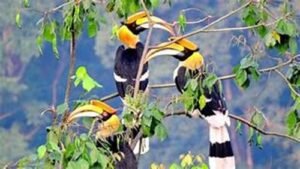
Hornbills and flycatchers (forest areas)
Kingfishers and herons (wetlands)
Raptors and owls (open forests)
Migratory ducks and waders (lakes and paddy fields)
The best time for bird watching is early morning (6 AM – 10 AM) when bird activity is at its peak.
Major Bird Watching Spots in Wayanad
Pakshipathalam Bird Sanctuary
Pakshipathalam is one of the most famous bird-watching destinations in Wayanad, located in the Brahmagiri Hills near Thirunelli.
Key Features:
Dense evergreen forests and rugged terrain
Moderate trekking (about 3 hours) required
Ideal for experienced birders
Bird Species:
Malabar Whistling Thrush
Nilgiri Flycatcher
Grey-headed Bulbul
Black Eagle
This sanctuary is particularly important for spotting Western Ghats-endemic species. It also offers a unique combination of trekking and birding experiences.
Panamaram Heronry
Panamaram Heronry is a river island known for its large nesting colonies of waterbirds.
Key Features:
One of Kerala’s major heron nesting sites
Easily accessible viewing points
Best for observing bird behaviour
Bird Species:
Purple Heron
Little Egret
Cattle Egret
Night Heron
This location is ideal for watching breeding and nesting activities, making it popular among photographers and researchers.
Kuruva Island (Kuruvadweep)
Kuruva Island is a group of small islands in the Kabini River, offering a rich riverine ecosystem.
Key Features:
Bamboo forests and riverbanks
Peaceful walking trails
Protected eco-tourism zone
Bird Species:
White-throated Kingfisher
Indian Paradise Flycatcher
Bronzed Drongo
Hill Myna
The mix of water and forest habitats makes this spot excellent for spotting kingfishers and small woodland birds.
Pookode Lake
Pookode Lake is a scenic freshwater lake surrounded by forests and is ideal for beginners.
Key Features:
Easy access with walking paths
Calm and scenic environment
Suitable for families and amateur bird watchers
Bird Species:
Little Grebe
Brahminy Kite
Lesser Whistling Duck
Cormorants
This location is best for leisure birding and observing birds in a relaxed setting.
Tholpetty Wildlife Sanctuary Part of the larger Wayanad Wildlife Sanctuary, Tholpetty is known for its open forests and safari experiences.
Key Features:
Jeep safaris available
Mix of birding and wildlife viewing
Dry deciduous forest habitat
Bird Species:
Crested Serpent Eagle
Brown Fish Owl
White-bellied Woodpecker
Indian Roller
This area is especially suitable for spotting raptors, owls, and large forest birds.
Muthanga Wildlife Sanctuary
Another important section of the Wayanad Wildlife Sanctuary, Muthanga, offers extensive forest cover.
Key Features:
Large protected forest area
Rich biodiversity
Safari-based birding
Bird Species:
Peafowl
Jungle fowl
Woodpeckers
Various migratory birds
Muthanga is ideal for those who want to combine bird watching with wildlife exploration.
Lantern Stay (Private Birding Location)
4.7•Hotel
Certain eco-resorts in Wayanad also function as excellent birding zones due to their forest surroundings.
Key Features:
Located inside a dense forest
Guided birding walks
Comfortable stay with nature
Bird Species:
Asian Fairy Bluebird
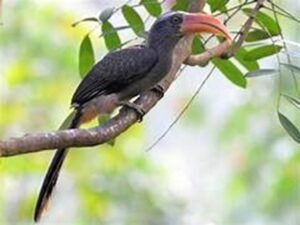
Malabar Grey Hornbill
Scarlet Minivet
Emerald Dove
Such locations provide opportunities to observe birds in undisturbed natural habitats, often right from the accommodation itself.
Types of Birds Found in Wayanad
Wayanad hosts a wide variety of bird species, including:
Forest Birds
Flycatchers
Bulbuls
Hornbills
Woodpeckers
Wetland Birds
Herons
Egrets
Ducks
Cormorants
Birds of Prey
Eagles
Owls
Kites
Endemic Species
Nilgiri Flycatcher
Malabar Grey Hornbill
White-bellied Blue Flycatcher
Best Time for Bird Watching
October to May: Ideal season with clear weather
Early mornings: Best for maximum sightings
Post-monsoon: High bird activity and lush landscapes
Tips for Bird Watching in Wayanad
Start early in the morning
Maintain silence to avoid disturbing birds
Carry binoculars and a field guide
Wear neutral-colored clothing
Respect wildlife and avoid entering restricted zones
Travel with local guides for better identification
Conclusion
Wayanad is a complete birding destination offering a variety of ecosystems within a compact area. From trekking through dense forests in Pakshipathalam to relaxing by Pookode Lake, each location provides a unique bird-watching experience. The presence of endemic and migratory species makes it an important region for both amateur bird lovers and professional ornithologists.
With its rich biodiversity, scenic beauty, and well-preserved habitats, Wayanad continues to be one of the top bird-watching destinations in India.
Wayanad district, located in the picturesque Western Ghats, is known for its natural beauty, lush hills, and rich biodiversity. The district has become a popular destination for both tourism and sports activities.
The combination of scenic landscapes, wildlife, rivers, and adventure opportunities has made Wayanad a hotspot for tourists, while also offering platforms for sports development, outdoor recreation, and adventure tourism.
Natural Attractions and Tourism
Wayanad’s unique geography supports a thriving tourism industry.
Key Attractions:
Hills and Plateaus: Chembra Peak, Banasura Hills, and Kuruvadweep
Historical and Cultural Sites: Edakkal Caves, local tribal villages
These attractions not only draw tourists but also provide venues for outdoor and adventure sports, integrating tourism with sports experiences.
Adventure Tourism and Sports
Adventure tourism has emerged as a key element in Wayanad’s tourism sector. The district’s hills, rivers, and forests offer opportunities for:
Trekking and Hiking: Chembra Peak and Banasura Hill
Mountain Biking: Forest and hill trails
Water Sports: Kayaking, river trekking, coracle rides
Camping: Nature camps near waterfalls and forest reserves
Rock Climbing and Rappelling: Cliffs and rocky terrains
Adventure tourism not only attracts thrill-seekers but also encourages physical fitness and outdoor participation.
Role of Sports in Tourism
Sports play an important role in enhancing the tourist experience:
Events and Competitions: Wayanad hosts mountain biking events, trekking competitions, and eco-sports programmes.
Youth Participation: Local schools and clubs encourage participation in sports activities, which often double as tourist attractions.
Fitness and Recreation: Tourists often engage in yoga, trekking, and cycling tours that promote health and wellness.
Integrating sports into tourism has increased visitor engagement and extended tourist stays in the district.
Eco-Tourism and Sustainable Sports
Wayanad has been actively promoting eco-tourism, ensuring that tourism and sports do not harm the environment.
Initiatives:
Nature trails and guided wildlife tours
Eco-friendly camping sites
Responsible trekking practices
Awareness programs on biodiversity conservation
These initiatives make sports tourism environmentally sustainable and encourage tourists to connect with nature responsibly.
Impact on Local Economy
Sports and tourism have significantly contributed to Wayanad’s economy:
Employment Opportunities: Adventure guides, instructors, hospitality staff, and transport services
Revenue Generation: Hotels, resorts, trekking permits, and local handicrafts
Skill Development: Training local youth in sports and adventure tourism management
Rural Development: Promotion of local crafts, traditional food, and cultural programs for tourists
Tourism combined with sports provides both economic growth and social benefits.
Cultural and Tribal Tourism
Wayanad’s tribal communities add a unique dimension to sports and tourism:
Tourists experience traditional sports and games, such as tribal archery and indigenous physical activities.
Cultural programmes and festivals often include sports competitions, offering tourists interactive experiences.
Promotes inclusive tourism, providing exposure and livelihood opportunities for tribal populations.
Sports and tourism together preserve cultural heritage while entertaining and educating visitors.
Challenges and Opportunities
Despite its growth, sports tourism in Wayanad faces some challenges:
Limited Infrastructure: Remote locations require better access roads and facilities
Safety Concerns: Adventure sports need proper supervision and safety gear
Weather Dependency: Monsoons may restrict trekking and outdoor sports
Environmental Impact: High tourist footfall can damage fragile ecosystems
Opportunities:
Development of international-level adventure and sports events
Eco-friendly resorts and adventure parks
Training programs for tourism and sports management
Promotion of sports-themed tourism packages
These strategies can enhance Wayanad’s profile as a top sports and tourism destination.
Future Prospects
The integration of sports and tourism has bright prospects:
Adventure sports can attract national and international tourists
Tourism revenues can be reinvested in sports infrastructure and local development
Schools and youth programs can use tourism-linked sports as training and exposure platforms
Potential to position Wayanad as a model district for eco-adventure sports tourism
With sustainable planning, Wayanad can become a hub of health, adventure, and eco-tourism in Kerala.
Conclusion
Wayanad district demonstrates the perfect synergy between sports and tourism. Its natural beauty, adventure opportunities, and cultural richness make it a prime destination for both recreation and competition.
Through eco-friendly practices, government support, and active community participation, sports and tourism in Wayanad not only promote fitness and adventure but also contribute to economic growth, cultural preservation, and environmental sustainability.
Wayanad, located in the Western Ghats of Kerala, is one of the most popular tourist destinations in South India. Known for its forests, waterfalls, wildlife, and tribal culture, the district attracts a large number of domestic and international tourists every year.
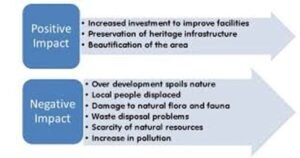
Tourism has become an important part of Wayanad’s economy. However, its impact on local communities is both positive and negative, affecting their livelihoods, culture, environment, and social structure.
Growth of Tourism in Wayanad
Over the years, Wayanad has transformed from an agriculture-based region into a major tourism hub.
Tourism is promoted as a tool for development and income generation
The number of tourists has increased significantly
Resorts, homestays, and eco-tourism projects have expanded
Tourism is often seen as a solution to economic problems, especially after the decline in agriculture.
👉 This rapid growth has created new opportunities but also new challenges.
Positive Impacts of Tourism
3.1 Employment Opportunities
Tourism has created jobs in:
Hotels and resorts
Transport services
Tour guiding
Local handicrafts and shops
👉 Many local people now depend on tourism for their livelihood.
3.2 Economic Development
Tourism contributes to:
Increased income for local businesses
Development of infrastructure (roads, transport, communication)
Growth of small-scale enterprises
👉 It helps improve the overall economic condition of the district.
3.3 Promotion of Local Culture
Tourism helps in:
Promoting tribal culture and traditions
Increasing awareness about local heritage
Encouraging cultural exchange
👉 Local art, crafts, and traditions gain recognition.
3.4 Development of Infrastructure
Tourism has led to:
Better roads and transport facilities
Improved accommodation and services
Growth of communication networks
👉 These improvements benefit both tourists and local residents.
Negative Impacts of Tourism
Despite its benefits, tourism has created several problems for local communities.
4.1 Environmental Degradation
Tourism has led to:
Deforestation and loss of biodiversity
Pollution (plastic waste, water pollution)
Pressure on natural resources
Studies show that uncontrolled tourism causes habitat loss, pollution, and ecological imbalance in Wayanad.
👉 The fragile ecosystem of the Western Ghats is under threat.
4.2 Displacement of Local Communities
Land is often taken for resorts and tourism projects
Tribal communities lose access to forests and land
Research highlights that tourism development has led to displacement and marginalisation of Adivasi communities.
👉 This creates social inequality and loss of traditional livelihoods.
4.3 Loss of Traditional Livelihoods
Agriculture and forest-based livelihoods are declining
People shift to tourism-related jobs
This results in:
Reduced agricultural production
Loss of traditional knowledge and practices
👉 Communities become dependent on tourism.
4.4 Cultural Changes
Tourism can lead to:
Commercialization of culture
Loss of traditional values
Influence of outside lifestyles
👉 Cultural identity may weaken over time.
4.5 Human-Wildlife Conflict
Tourism activities in forest areas have:
Disturbed wildlife habitats
Increased conflicts between humans and animals
👉 Expansion into forest areas increases risks for both people and wildlife.
4.6 Overdependence on Tourism
Many families rely only on tourism income
The seasonal nature of tourism leads to income instability
👉 Economic security becomes uncertain.
Tourism and Natural Disasters
Unregulated tourism has also contributed to environmental risks.
Construction in fragile areas increases disaster vulnerability
Deforestation and land changes worsen landslides
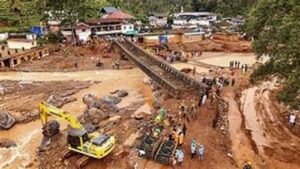
Reports suggest that over-tourism and unplanned development aggravated landslides in Wayanad.
👉 This shows the need for careful planning and regulation.
Issue of Illegal and Unregulated Tourism
Many resorts operate without proper regulation
Encroachment into forest and tribal land
Environmental groups have raised concerns about the following:
Illegal tourism activities
Damage to ecosystems and local communities
👉 Lack of regulation leads to unsafe and unsustainable tourism practices.
Social Impact on Tribal Communities
Tribal communities are among the most affected.
Key issues:
Limited participation in tourism benefits
Exploitation in low-paying jobs
Loss of land and cultural identity
Studies show that:
Tribal communities are often excluded from decision-making and benefits of tourism.
👉 This creates inequality and social injustice.
Role of Responsible Tourism
To reduce negative impacts, Kerala promotes responsible tourism.
Goals:
Involve local communities
Protect environment and culture
Ensure fair distribution of benefits
Responsible tourism focuses on:
Sustainable practices
Community participation
Eco-friendly development
👉 It aims to balance development with conservation.
Role of NGOs and Community Initiatives
NGOs and local groups work to:
Protect environment
Support tribal communities
Promote sustainable tourism
After disasters, community efforts have:
Helped rebuild livelihoods
Provided employment and support
👉 Community participation is key for sustainable development.
Key Challenges Summary
Major impacts of tourism on local communities include:
Positive:
Employment opportunities
Economic growth
Infrastructure development
Cultural promotion
Negative:
Environmental degradation
Displacement of communities
Loss of traditional livelihoods
Cultural changes
Human-wildlife conflict
Overdependence on tourism
Suggestions and Solutions
Promote Sustainable Tourism
Limit tourism in sensitive areas
Encourage eco-friendly practices
Empower Local Communities
Involve locals in decision-making
Ensure fair distribution of benefits
Protect the environment
Strict regulations on construction
Waste management systems
Support Tribal Communities
Protect land rights
Promote tribal participation in tourism
Strengthen Government Policies
Control illegal resorts
Implement strict environmental laws
Conclusion
Tourism has brought significant economic benefits to Wayanad, but it has also created serious challenges for local communities and the environment. While it provides employment and development, it can also lead to inequality, environmental damage, and cultural loss if not managed properly.
Sustainable and responsible tourism is essential to ensure that development benefits everyone without harming the natural and social fabric of Wayanad. A balanced approach involving government, local communities, and tourists is necessary for the long-term well-being of the district.
Wayanad, located in the northern part of Kerala in the Western Ghats, is one of the most important wildlife destinations in India. It is widely known for its dense forests, rich biodiversity, and protected natural habitats. The district is home to the Wayanad Wildlife Sanctuary, which forms an integral part of the Nilgiri Biosphere Reserve, one of the largest protected forest ecosystems in South India.
A wildlife safari in Wayanad offers visitors an exciting opportunity to explore untamed forests, observe wild animals in their natural habitat, and experience the beauty of nature up close. The safari is not only an adventure activity but also an educational journey into forest conservation and biodiversity.
Wayanad Wildlife Sanctuary – The Core Safari Zone
The Wayanad Wildlife Sanctuary is the main attraction for safari experiences in the district. It is spread across two major forest divisions:
Muthanga Range
Tholpetty Range
These regions are well-protected and allow controlled jeep safaris for tourists.
Key Features:
Part of Nilgiri Biosphere Reserve
Rich in tropical and moist deciduous forests
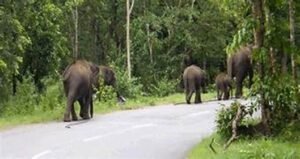
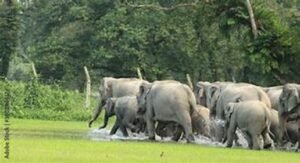
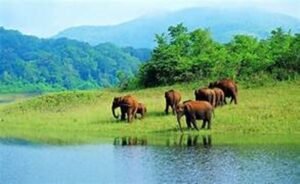
High population of elephants
Home to endangered species
The sanctuary provides a safe environment for both animals and visitors while promoting eco-tourism.
Safari Zones in Wayanad
a) Muthanga Wildlife Safari
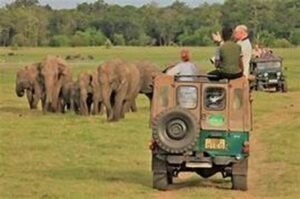
Muthanga is one of the most popular safari zones in Wayanad. It is located near Sultan Bathery and is known for frequent elephant sightings.
Highlights:
Easy accessibility for tourists
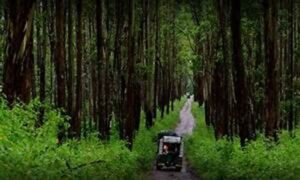
Jeep safari through forest roads
High chance of spotting elephants, deer, and monkeys
Occasional sightings of leopards and wild boars
Muthanga is especially famous during early morning and evening safaris when animal movement is high.
b) Tholpetty Wildlife Safari
Tholpetty is located in the northern part of Wayanad, near the Karnataka border. It is less crowded compared to Muthanga and offers a more peaceful jungle experience.
Highlights:
Dense forest coverage
More chances of seeing rare wildlife
Birdwatching opportunities
A calm and less commercialized safari experience
Tholpetty is ideal for tourists who prefer quiet nature exploration.
Wildlife Species in Wayanad
Wayanad is known for its rich biodiversity. During safari rides, visitors may encounter a variety of animals and birds.
Mammals:
Asian elephants
Bengal tigers (rare sightings)
Leopards
Sloth bears
Sambar deer
Spotted deer (chital)
Wild boar
Birds:
Malabar grey hornbill
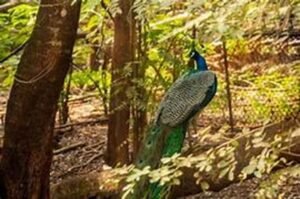
Peacocks
Woodpeckers
Kingfishers
Egrets and herons
Reptiles:
Monitor lizards
Snakes (including pythons)
The diversity of wildlife makes Wayanad one of the richest ecological zones in South India.
Safari Experience and Activities
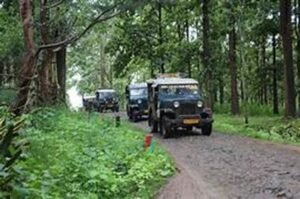
A wildlife safari in Wayanad is usually conducted in open jeep vehicles guided by trained forest officials or ecotourism guides.
Safari Experience Includes:
Early morning or evening jeep rides
Forest exploration through designated routes
Wildlife spotting with binoculars
Photography opportunities
Nature interpretation by guides
The safari typically lasts 1.5 to 2 hours, depending on the route and forest conditions.
Best Time for Wildlife Safari
The best time to enjoy a wildlife safari in Wayanad is the following:
October to May (Ideal Season)
Pleasant weather
Higher chances of animal sightings
Dry forest paths make travel easier
Monsoon Season (June–September)
Forest becomes very lush and green
Safari may be restricted due to heavy rains
Wildlife is harder to spot but scenery is beautiful
Early mornings and late afternoons are the best times for animal sightings.
Eco-Tourism and Conservation Efforts
The Wayanad wildlife safari is strongly connected to ecotourism and conservation. The Kerala Forest Department ensures that tourism does not disturb the natural habitat.
Conservation Measures:
Limited number of safari vehicles
Strict forest entry rules
No plastic zones inside forests
Awareness programs for tourists
Eco-tourism also helps local communities by providing jobs such as the following:
Jeep drivers
Forest guides
Eco-tourism staff
Handicraft sellers
This ensures that tourism supports both nature and people.
Importance of Wildlife Safari in Wayanad
Wildlife safaris play a major role in Wayanad’s tourism and economy.
Key Importance:
Promotes eco-tourism in Kerala
Increases awareness about wildlife conservation
Provides livelihood to local communities
Attracts domestic and international tourists
Encourages protection of forests and biodiversity
Safari tourism also helps in funding forest protection programmes and research activities.
Safety Rules for Safari Visitors
Visitors must follow strict rules during a safari:
Do not get out of the vehicle inside forest
Do not feed animals
Avoid loud noise and music
Follow guide instructions strictly
Do not litter or use plastic
Maintain safe distance from wildlife
These rules ensure safety for both humans and animals.
Challenges Faced by Wildlife Tourism
Despite its popularity, wildlife tourism in Wayanad faces some challenges:
Human-wildlife conflict in forest fringe areas
Overcrowding during peak tourist seasons
Environmental pressure due to tourism
Need for better conservation awareness
Proper management is required to balance tourism and ecological protection.
Conclusion
The wildlife safari experience in Wayanad is one of the most thrilling and educational activities in Kerala. It offers a rare opportunity to explore the natural world, observe wild animals in their natural environment, and understand the importance of biodiversity conservation.
With its rich forests, diverse wildlife, and well-managed eco-tourism system, Wayanad stands as a model destination for sustainable wildlife tourism in India. A safari here is not just a journey through the forest but a deep connection with nature itself.
Wayanad, located in the Western Ghats of Kerala, is one of the most popular destinations for adventure tourism in South India. Its unique geographical features—dense forests, misty hills, valleys, rivers, and waterfalls—make it an ideal place for thrilling outdoor activities.
Adventure tourism in Wayanad has grown rapidly in recent years due to its unspoiled natural beauty and diverse terrain, attracting trekkers, nature lovers, and thrill-seekers from across the country.
Importance of Adventure Tourism in Wayanad
Adventure tourism plays a significant role in promoting Wayanad as a travel destination. It not only boosts tourism but also supports the local economy and creates employment opportunities.
The district’s natural landscape—comprising hills, caves, rivers, and forests—provides a perfect setting for eco-friendly and sustainable tourism activities.
Adventure tourism in Wayanad is also important because:
It encourages environmental awareness
Promotes tribal and rural tourism
Supports conservation of forests and wildlife
Provides recreational and physical benefits
Major Adventure Activities in Wayanad
Trekking
Trekking is the most popular adventure activity in Wayanad. The region offers trails ranging from easy to highly challenging.
Chembra Peak Trek
The highest peak in Wayanad (about 2100 m)
Famous for its heart-shaped lake
Offers panoramic views of hills and tea plantations
Requires forest department permission
Trekking here is considered both thrilling and scenic, making it a must-try experience for visitors.
Pakshipathalam Trek
Located in the Brahmagiri hills
Involves trekking through dense forests
Known for caves and wildlife sightings
This trek is more challenging and suitable for experienced trekkers.
Other trekking spots include:
Edakkal Hills
Banasura Hill
Thirunelli forest trails
Camping
Camping in Wayanad is a unique experience that allows tourists to stay close to nature.
Night camping on hilltops and forests
Campfire and group activities
Stargazing in pollution-free environment
Camping is often combined with trekking and provides a memorable outdoor experience.
Many camps also offer eco-friendly stays, promoting sustainable tourism practices.
Wildlife Safari
Wayanad is home to rich biodiversity and is part of the Nilgiri Biosphere Reserve.
Jeep safaris in forest areas
Opportunity to see elephants, deer, and sometimes tigers
Bird watching and nature photography
Wildlife safaris provide both adventure and educational experiences for tourists.
Rock Climbing and Ziplining
Adventure parks and resorts in Wayanad offer activities such as:
Rock climbing
Ziplining
Rope activities
These activities are safe and suitable for beginners as well as adventure enthusiasts.
Water-Based Activities
Wayanad also offers several water-related adventure activities:
Kayaking and Boating in lakes and reservoirs
Bamboo rafting in river areas
Swimming in natural streams and waterfalls
These activities combine relaxation with adventure.
Off-Roading and Jeep Safari
Off-road driving through rugged terrains is gaining popularity in Wayanad.
Jeep rides through forest paths and hills
Exploration of remote villages and viewpoints
Adventure drives in muddy and rocky terrains
Events like off-road expeditions are also organised to promote adventure tourism.
Cave Exploration
Exploring caves is another exciting activity.
Edakkal Caves
Known for prehistoric carvings
Requires climbing and hiking
Combines adventure with historical exploration
This activity is popular among both tourists and researchers.
Adventure Tourism Destinations in Wayanad
Some important places known for adventure tourism include:
Chembra Peak – Trekking
Banasura Sagar Dam – Boating and trekking
Karlad Lake – Adventure activities like ziplining
Kuruva Island – Bamboo rafting
Meenmutty and Soochipara Waterfalls – Trekking and nature exploration
Wayanad Wildlife Sanctuary – Safari
These destinations provide a mix of adventure, nature, and scenic beauty.
Facilities for Adventure Tourists
To support adventure tourism, Wayanad offers:
Guided trekking services
Camping equipment and eco-lodges
Safety measures and trained guides
Local tour operators and travel packages
Organisations and tourism departments also promote responsible and eco-friendly tourism practices.
Best Time for Adventure Tourism
The best time to visit Wayanad for adventure activities is the following:
October to February – Ideal for trekking and camping
June to September (Monsoon) – Suitable for waterfalls but risky for trekking
March to May – Moderate climate for outdoor activities
Weather plays an important role in determining the safety and enjoyment of adventure tourism.
Challenges in Adventure Tourism
Despite its popularity, adventure tourism in Wayanad faces several challenges:
Environmental degradation due to over-tourism
Landslides during heavy rainfall
Safety risks in unregulated adventure activities
Need for better infrastructure and strict regulations
Proper planning and sustainable practices are necessary to overcome these challenges.
Future Scope
Wayanad has great potential to become a major adventure tourism hub in India.
Future developments may include:
Expansion of eco-tourism projects
Promotion of tribal tourism experiences
Better infrastructure and safety standards
Increased government support
With proper management, Wayanad can attract more national and international tourists.
Conclusion
Adventure tourism in Wayanad offers a perfect blend of thrill, nature, and cultural experience. From trekking high peaks to exploring dense forests and engaging in water sports, the district provides diverse opportunities for adventure lovers.
Its natural beauty and eco-friendly tourism practices make it a unique destination. However, sustainable development is essential to preserve its environment for future generations.
Wayanad truly stands out as a paradise for adventure tourism in Kerala, offering unforgettable experiences for every traveller.


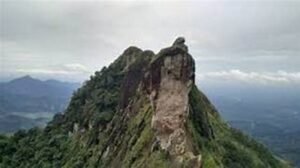


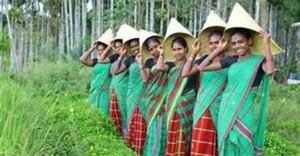




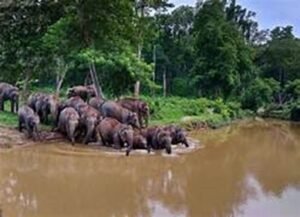






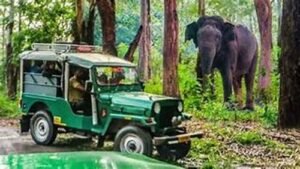
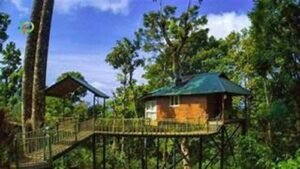

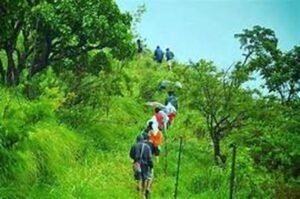
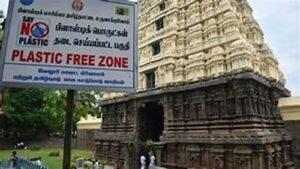

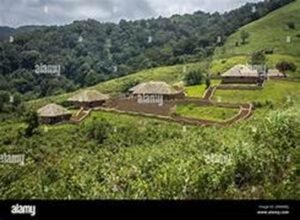
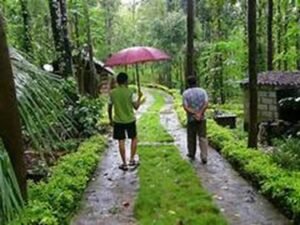
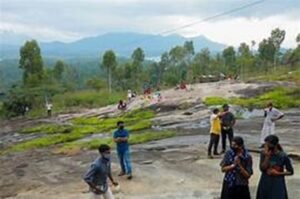







 Part of the larger Wayanad Wildlife Sanctuary, Tholpetty is known for its open forests and safari experiences.