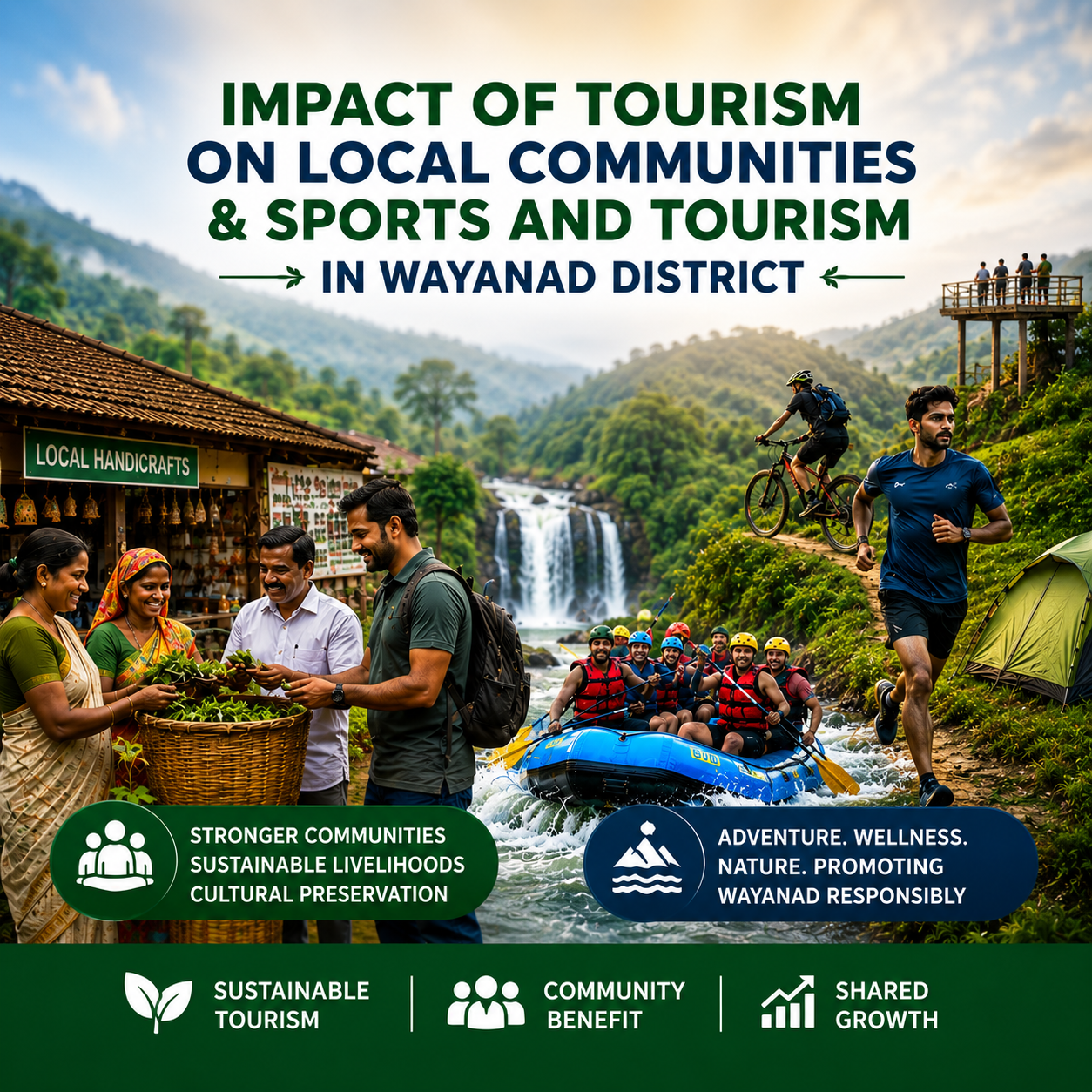


The picturesque district of Wayanad, located in the lush Western Ghats, is one of the most ecologically sensitive and biodiverse regions in South India. Known for its misty mountains, dense forests, waterfalls, wildlife sanctuaries, and tribal heritage, Wayanad attracts thousands of nature lovers every year.
However, with increasing tourism, maintaining the ecological balance of this fragile ecosystem has become extremely important. Eco-friendly travel practices ensure that tourism does not harm nature, wildlife, or local communities while allowing visitors to enjoy the beauty of the region responsibly.
Eco-tourism in Wayanad is not just a trend—it is a necessity for preserving its forests, wildlife, and cultural heritage for future generations.
Why Eco-Friendly Travel Matters in Wayanad
Wayanad is part of the Western Ghats, a UNESCO-recognised biodiversity hotspot. This means even small environmental disturbances can have long-term impacts.
- Protecting Biodiversity
The region is home to elephants, deer, leopards, and hundreds of bird species. Responsible travel helps protect their natural habitat.
- Preserving Forest Ecosystems
Forests in Wayanad regulate climate, rainfall, and soil balance. Pollution and deforestation can disrupt this fragile system.
- Supporting Local Communities
Eco-tourism helps tribal and rural communities earn sustainable income without damaging their environment.
- Reducing Carbon Footprint
Responsible travel practices help reduce pollution and waste in sensitive forest zones.
Key Eco-Friendly Travel Practices in Wayanad
- Follow “Leave No Trace”. Principle

One of the most important ecotourism rules is to leave nature exactly as you found it.
Practices include:
- Do not litter in forests or waterfalls
- Carry reusable water bottles
- Avoid plastic bags and packaging
- Dispose of waste only in designated bins
This is especially important in fragile zones like Wayanad Wildlife Sanctuary.
- Respect Wildlife and Maintain Distance
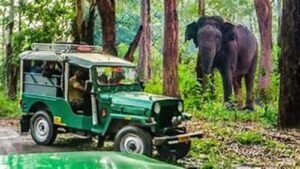
Wayanad is home to rich wildlife, especially elephants.
Eco-friendly behaviour:
- Do not feed animals
- Avoid loud noises in forest areas
- Maintain a safe distance during safaris
- Do not use flash photography
Wildlife safaris in areas like Muthanga and Tholpetty should always be done responsibly.
- Choose Eco-Stays and Homestays
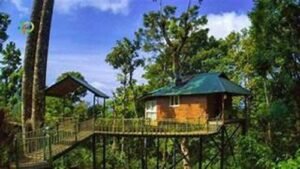
Instead of luxury resorts that may harm natural surroundings, choose eco-friendly accommodations.
Examples of eco-friendly stays:
- Treehouses
- Plantation homestays
- Eco-lodges built with sustainable materials
These stays often use solar energy, rainwater harvesting, and organic farming practices.
- Support Local Economy

Eco-tourism also means supporting the local community.
Ways to contribute:
- Buy local handicrafts
- Eat traditional Kerala food
- Hire local guides for trekking
- Stay in family-run homestays
This helps improve livelihoods while preserving cultural traditions.
- Responsible Trekking Practices

Trekking is one of the most popular activities in Wayanad, especially at places like Chembra Peak and Edakkal Caves.
Eco-friendly trekking rules:
- Stick to marked trails
- Do not pluck plants or flowers
- Avoid disturbing wildlife
- Carry back all waste
- Trek in small groups
- Reduce Plastic Usage
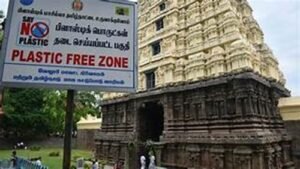
Plastic waste is a major environmental concern in tourist destinations.
Better alternatives:
- Carry steel or copper water bottles
- Use cloth bags
- Avoid packaged snacks
- Refuse single-use plastics
Many forest checkpoints in Wayanad now restrict plastic entry.
- Use Sustainable Transport Options

Transportation plays a major role in eco-friendly travel.
Suggestions:
- Use public buses where possible
- Opt for shared taxis instead of private vehicles
- Rent bicycles for short distances
- Avoid unnecessary vehicle movement in forest zones
- Respect Tribal Culture and Traditions
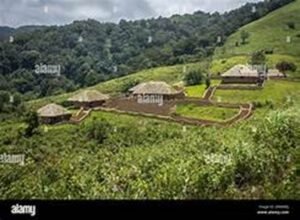
Wayanad has a rich tribal heritage with communities living close to nature.
Responsible behaviour:
- Ask permission before photographing people
- Respect local customs and rituals
- Avoid interfering in community spaces
- Learn about tribal culture respectfully
This helps preserve cultural identity while promoting ethical tourism.
- Avoid Over-Tourism at Sensitive Spots
Some areas in Wayanad are ecologically fragile.
Examples include:
- Waterfall zones
- Wildlife corridors
- Protected forest areas
Visitors should avoid overcrowding and follow entry regulations strictly.
- Participate in Eco-Tourism Activities

Eco-friendly tourism is also about engaging in positive activities, such as:
- Nature walks
- Organic plantation tours
- Bird watching
- Guided forest safaris
Locations like Banasura Sagar Dam also promote eco-tourism activities like boating and trekking with controlled access.
Eco-Tourism Initiatives in Wayanad
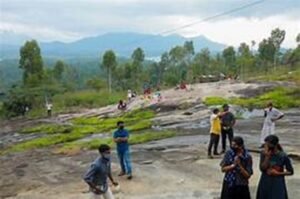
The district has introduced several ecotourism initiatives to protect its environment:
- Forest Department Safaris
Controlled jeep safaris in wildlife zones help regulate tourism impact.
- Community-Based Tourism
Local tribal groups are involved in guiding, hospitality, and cultural experiences.
- Plantation-Based Tourism
Coffee, tea, and spice plantations offer sustainable tourism experiences.
- Protected Area Management
Strict regulations are implemented in wildlife sanctuaries and forest regions.
Challenges of Eco-Tourism in Wayanad
Despite efforts, several challenges remain:
- Increasing tourist footfall
- Plastic pollution in remote areas
- Habitat disturbance due to unregulated tourism
- Overdevelopment in certain regions
- Water resource pressure
Addressing these issues requires cooperation between tourists, the government, and local communities.
Role of Tourists in Conservation

Tourists play a crucial role in protecting Wayanad’s environment.
Every visitor should:
- Be mindful of waste generation
- Respect wildlife and forests
- Follow guidelines strictly
- Promote responsible tourism among others
Small actions collectively make a big difference in preserving this natural paradise.
Conclusion
Eco-friendly travel in Wayanad is essential to preserve its unique landscapes, biodiversity, and cultural richness. As part of the fragile Western Ghats ecosystem, responsible tourism ensures that destinations like Chembra Peak, Wayanad Wildlife Sanctuary, and Banasura Sagar Dam remain untouched and beautiful for future generations.
By following eco-friendly practices, travellers not only enjoy a more authentic experience but also contribute to protecting one of India’s most precious natural regions.