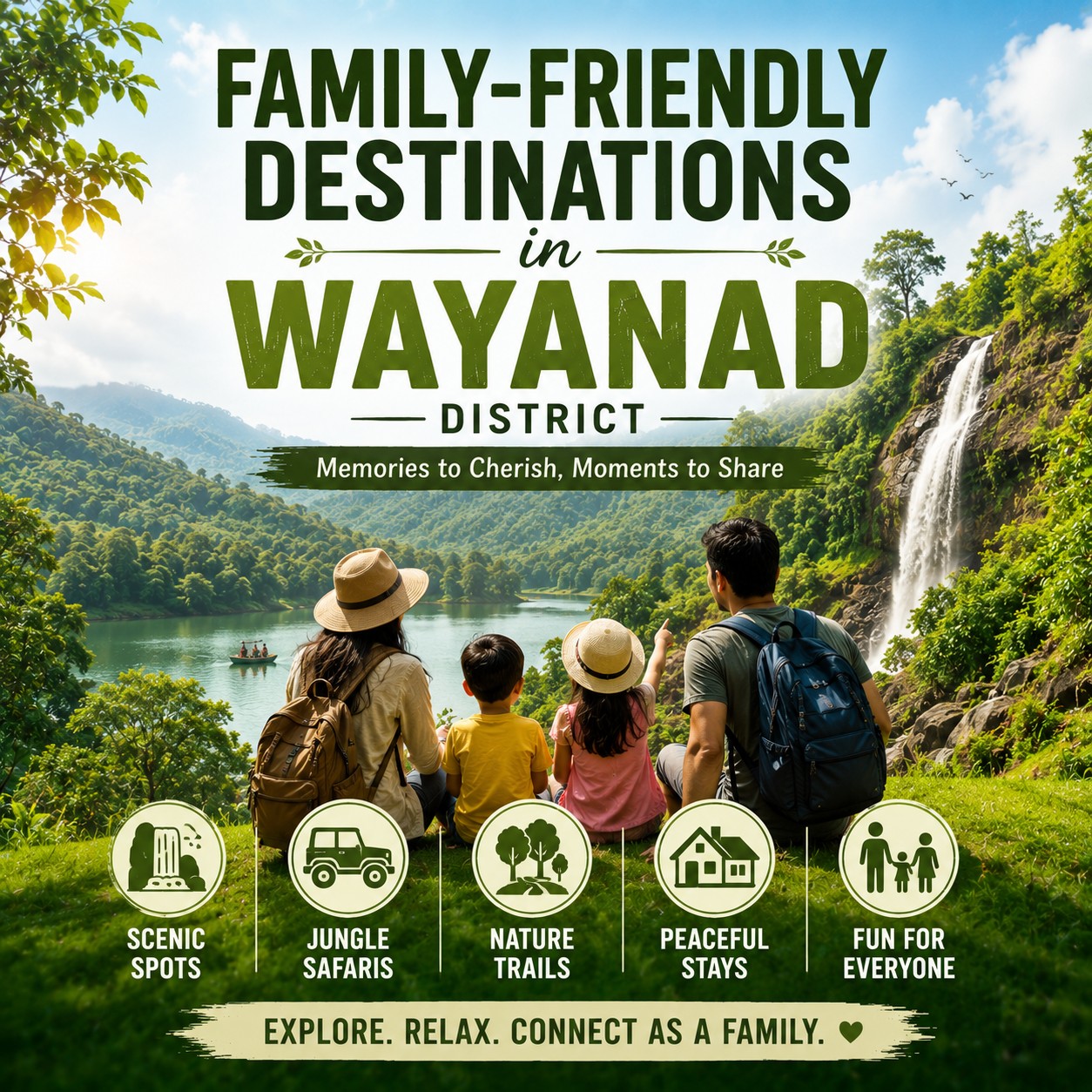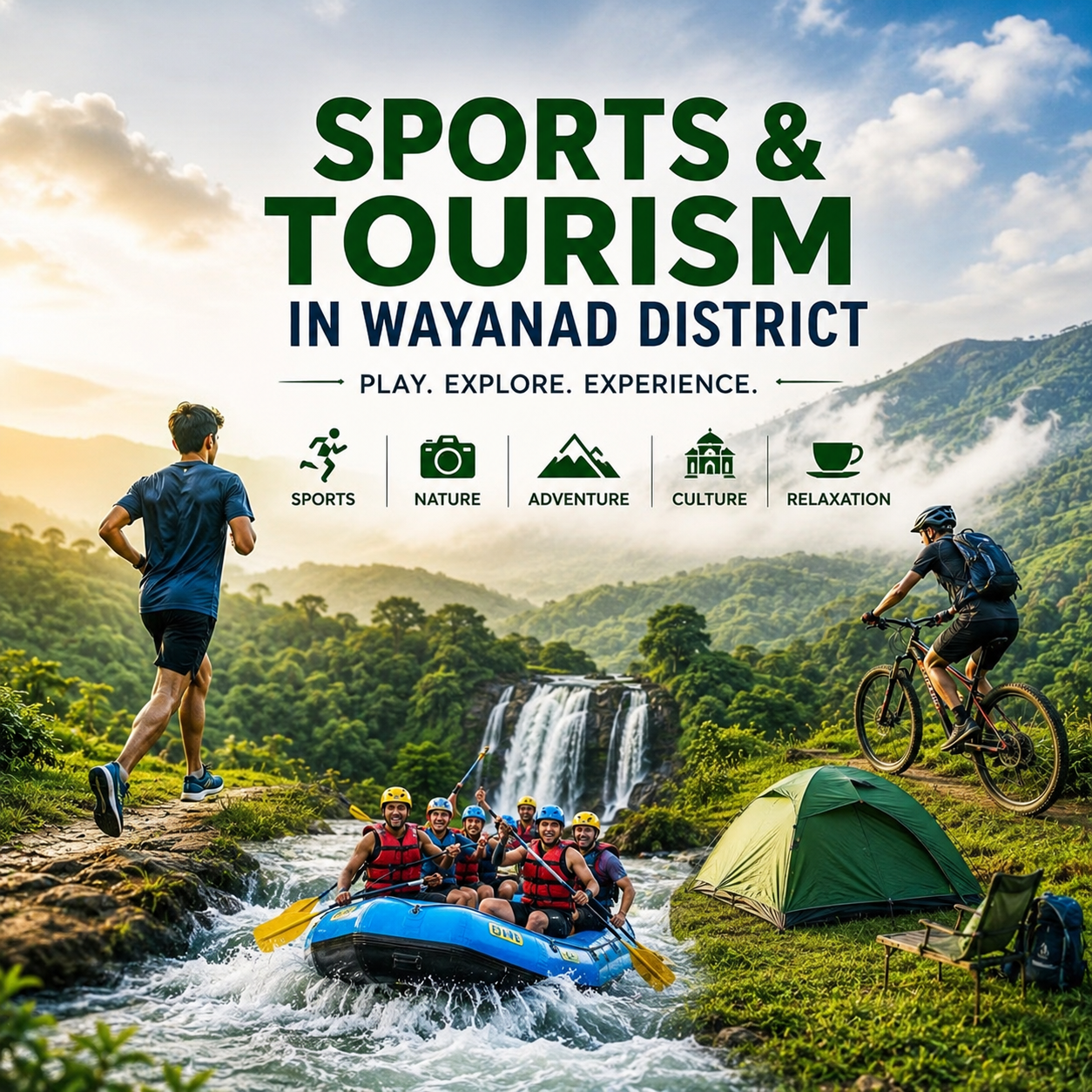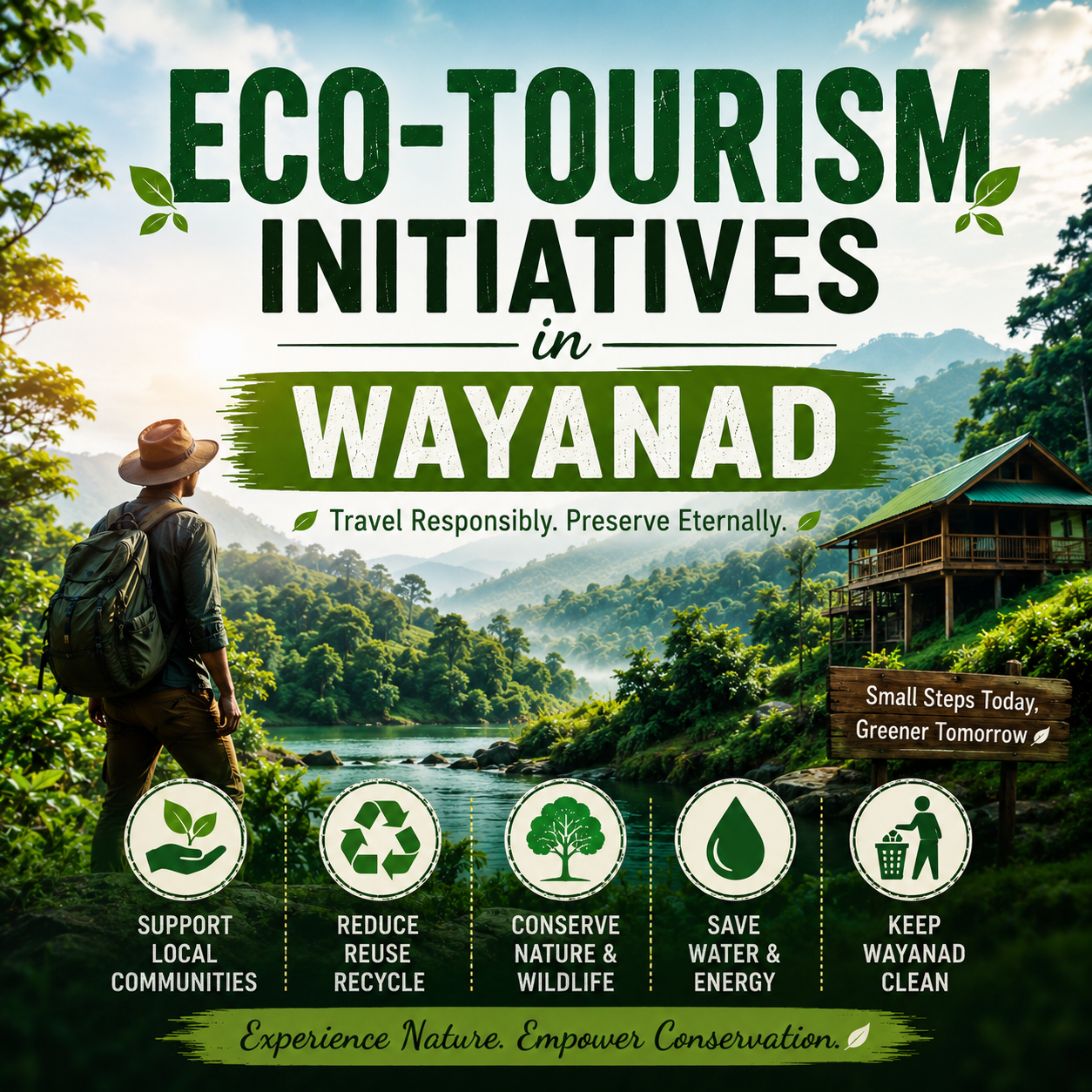

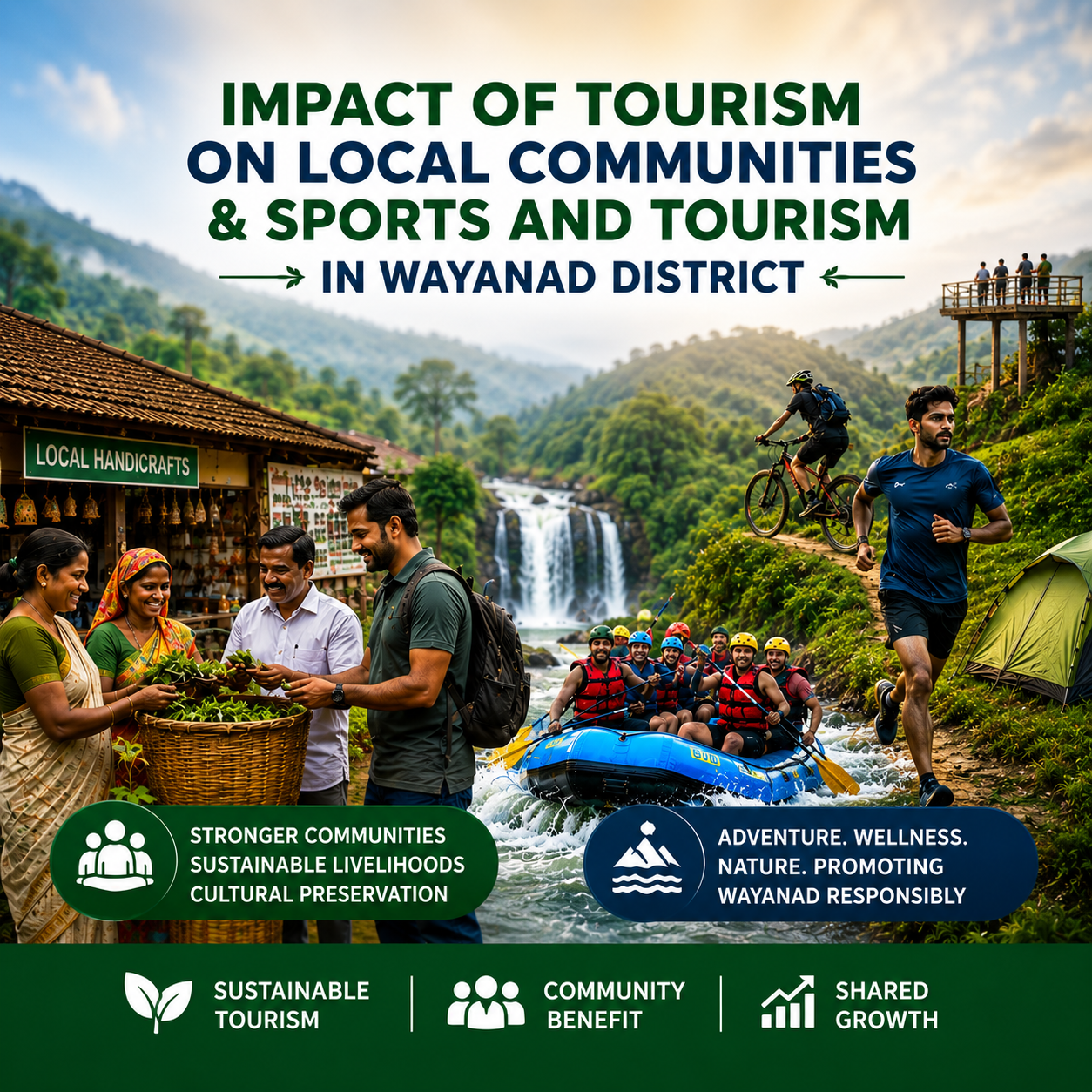
Wayanad, located in the Western Ghats of Kerala, is one of the most popular tourist destinations in South India. Known for its forests, waterfalls, wildlife, and tribal culture, the district attracts a large number of domestic and international tourists every year.
Tourism has become an important part of Wayanad’s economy. However, its impact on local communities is both positive and negative, affecting their livelihoods, culture, environment, and social structure.
- Growth of Tourism in Wayanad

Over the years, Wayanad has transformed from an agriculture-based region into a major tourism hub.
- Tourism is promoted as a tool for development and income generation
- The number of tourists has increased significantly
- Resorts, homestays, and eco-tourism projects have expanded
Tourism is often seen as a solution to economic problems, especially after the decline in agriculture.
👉 This rapid growth has created new opportunities but also new challenges.
- Positive Impacts of Tourism
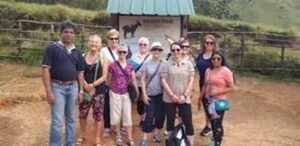
3.1 Employment Opportunities
Tourism has created jobs in:
- Hotels and resorts
- Transport services
- Tour guiding
- Local handicrafts and shops
👉 Many local people now depend on tourism for their livelihood.
3.2 Economic Development
Tourism contributes to:
- Increased income for local businesses
- Development of infrastructure (roads, transport, communication)
- Growth of small-scale enterprises
👉 It helps improve the overall economic condition of the district.
3.3 Promotion of Local Culture
Tourism helps in:
- Promoting tribal culture and traditions
- Increasing awareness about local heritage
- Encouraging cultural exchange
👉 Local art, crafts, and traditions gain recognition.
3.4 Development of Infrastructure
Tourism has led to:
- Better roads and transport facilities
- Improved accommodation and services
- Growth of communication networks
👉 These improvements benefit both tourists and local residents.
- Negative Impacts of Tourism
Despite its benefits, tourism has created several problems for local communities.
4.1 Environmental Degradation
Tourism has led to:
- Deforestation and loss of biodiversity
- Pollution (plastic waste, water pollution)
- Pressure on natural resources
Studies show that uncontrolled tourism causes habitat loss, pollution, and ecological imbalance in Wayanad.
👉 The fragile ecosystem of the Western Ghats is under threat.
4.2 Displacement of Local Communities
- Land is often taken for resorts and tourism projects
- Tribal communities lose access to forests and land
Research highlights that tourism development has led to displacement and marginalisation of Adivasi communities.
👉 This creates social inequality and loss of traditional livelihoods.
4.3 Loss of Traditional Livelihoods
- Agriculture and forest-based livelihoods are declining
- People shift to tourism-related jobs
This results in:
- Reduced agricultural production
- Loss of traditional knowledge and practices
👉 Communities become dependent on tourism.
4.4 Cultural Changes
Tourism can lead to:
- Commercialization of culture
- Loss of traditional values
- Influence of outside lifestyles
👉 Cultural identity may weaken over time.
4.5 Human-Wildlife Conflict
Tourism activities in forest areas have:
- Disturbed wildlife habitats
- Increased conflicts between humans and animals
👉 Expansion into forest areas increases risks for both people and wildlife.
4.6 Overdependence on Tourism
- Many families rely only on tourism income
- The seasonal nature of tourism leads to income instability
👉 Economic security becomes uncertain.
- Tourism and Natural Disasters

Unregulated tourism has also contributed to environmental risks.
- Construction in fragile areas increases disaster vulnerability
- Deforestation and land changes worsen landslides
Reports suggest that over-tourism and unplanned development aggravated landslides in Wayanad.
👉 This shows the need for careful planning and regulation.
- Issue of Illegal and Unregulated Tourism
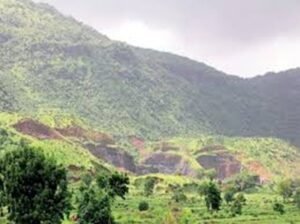
- Many resorts operate without proper regulation
- Encroachment into forest and tribal land
Environmental groups have raised concerns about the following:
- Illegal tourism activities
- Damage to ecosystems and local communities
👉 Lack of regulation leads to unsafe and unsustainable tourism practices.
- Social Impact on Tribal Communities

Tribal communities are among the most affected.
Key issues:
- Limited participation in tourism benefits
- Exploitation in low-paying jobs
- Loss of land and cultural identity
Studies show that:
- Tribal communities are often excluded from decision-making and benefits of tourism.
👉 This creates inequality and social injustice.
- Role of Responsible Tourism
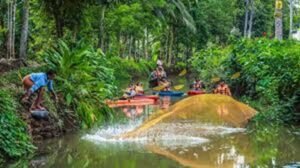
To reduce negative impacts, Kerala promotes responsible tourism.
Goals:
- Involve local communities
- Protect environment and culture
- Ensure fair distribution of benefits
Responsible tourism focuses on:
- Sustainable practices
- Community participation
- Eco-friendly development
👉 It aims to balance development with conservation.
- Role of NGOs and Community Initiatives
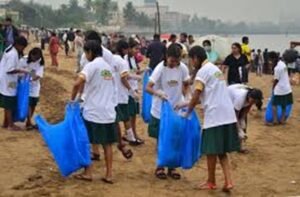
NGOs and local groups work to:
- Protect environment
- Support tribal communities
- Promote sustainable tourism
After disasters, community efforts have:
- Helped rebuild livelihoods
- Provided employment and support
👉 Community participation is key for sustainable development.
- Key Challenges Summary
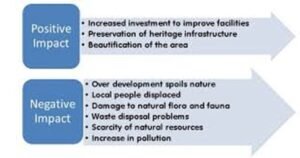
Major impacts of tourism on local communities include:
Positive:
- Employment opportunities
- Economic growth
- Infrastructure development
- Cultural promotion
Negative:
- Environmental degradation
- Displacement of communities
- Loss of traditional livelihoods
- Cultural changes
- Human-wildlife conflict
- Overdependence on tourism
- Suggestions and Solutions
- Promote Sustainable Tourism
- Limit tourism in sensitive areas
- Encourage eco-friendly practices
- Empower Local Communities
- Involve locals in decision-making
- Ensure fair distribution of benefits
- Protect the environment
- Strict regulations on construction
- Waste management systems
- Support Tribal Communities
- Protect land rights
- Promote tribal participation in tourism
- Strengthen Government Policies
- Control illegal resorts
- Implement strict environmental laws
- Conclusion
Tourism has brought significant economic benefits to Wayanad, but it has also created serious challenges for local communities and the environment. While it provides employment and development, it can also lead to inequality, environmental damage, and cultural loss if not managed properly.
Sustainable and responsible tourism is essential to ensure that development benefits everyone without harming the natural and social fabric of Wayanad. A balanced approach involving government, local communities, and tourists is necessary for the long-term well-being of the district.