

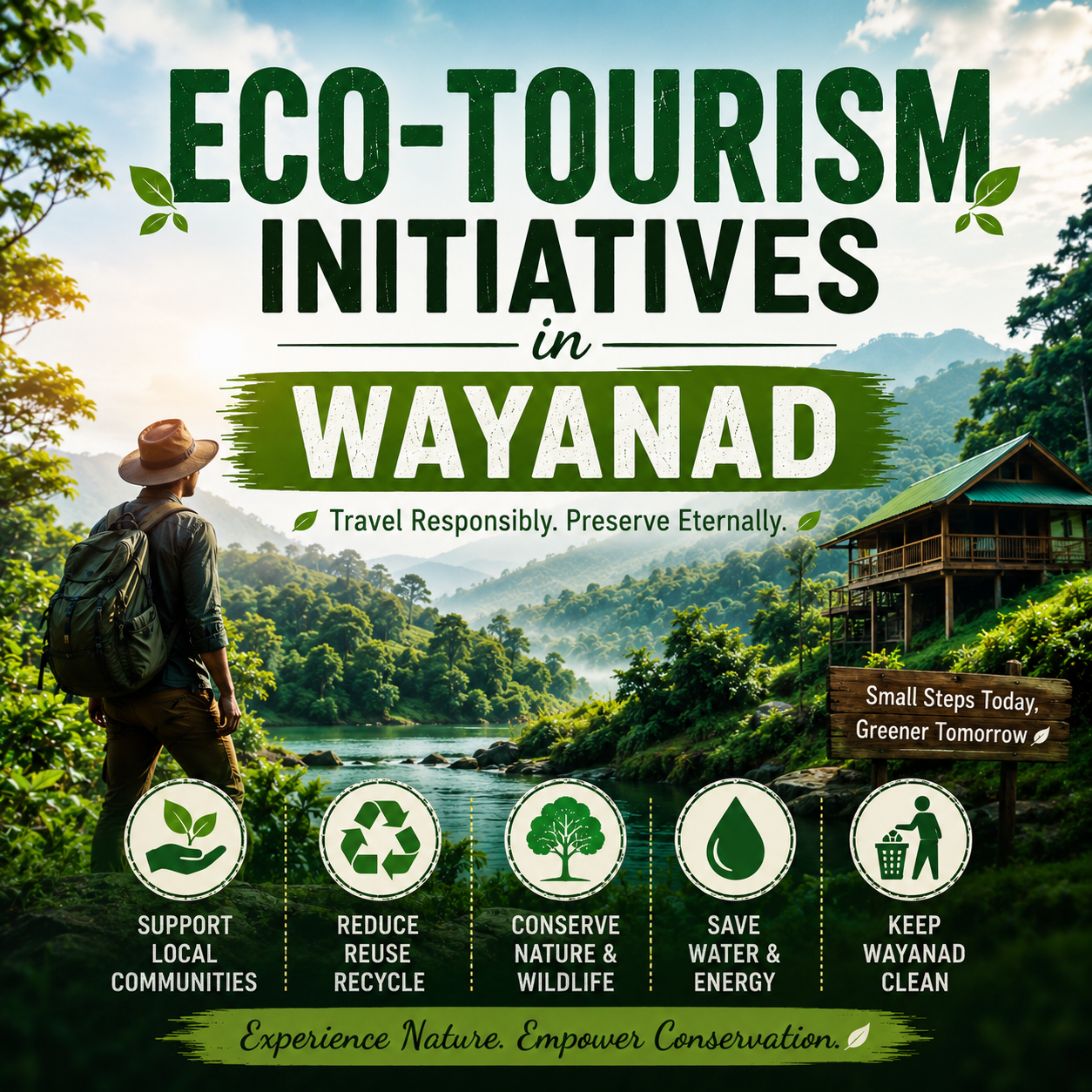
Wayanad, located in the Western Ghats of Kerala, is one of the most ecologically sensitive and naturally rich districts in India. Known for its forests, wildlife, waterfalls, and tribal heritage, Wayanad has become a leading destination for eco-tourism.
Eco-tourism refers to responsible travel to natural areas that conserves the environment and improves the well-being of local people. In Wayanad, eco-tourism initiatives aim to protect nature while promoting sustainable development.
- Concept of Eco-Tourism in Wayanad
Eco-tourism in Wayanad focuses on three main aspects:
- Environmental conservation
- Economic benefits to local communities
- Cultural preservation
The district follows a responsible tourism model, where tourists, local people, and authorities work together to protect natural resources. A major initiative began in 2007–2008 with stakeholder participation, focusing on social, economic, and environmental sustainability.
- Major Eco-Tourism Initiatives
3.1 Responsible Tourism Projects

The Responsible Tourism (RT) initiative in Wayanad is one of the most important ecotourism programmes.
- Involves local communities in tourism activities
- Encourages the use of local products and services
- Promotes sustainable practices in hotels and resorts
- Generates employment for rural and tribal people
These projects ensure that tourism benefits reach the local population directly.
3.2 Role of Wayanad Eco-Tourism Association (WETA)

The Wayanad Ecotourism Association (WETA) plays a major role in promoting ecotourism.
- Encourages eco-friendly resorts and homestays
- Promotes sustainable tourism practices
- Supports cultural exchange between tourists and locals
- Works to preserve natural beauty
WETA consists of local stakeholders and focuses on responsible travel experiences.
3.3 Eco-Friendly Resorts and Homestays

Many resorts and homestays in Wayanad follow eco-friendly practices.
Common initiatives include:
- Use of renewable energy (biogas, solar power)
- Waste management and recycling
- Rainwater harvesting
- Use of local materials for construction
- Organic farming
For example, some resorts use biogas plants, natural water sources, and local farm products to reduce environmental impact.
These practices help reduce pollution and promote sustainable living.
3.4 Wildlife Conservation and Eco-Tourism
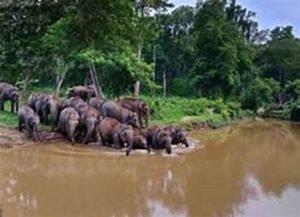
The Wayanad Wildlife Sanctuary is an important eco-tourism area.
- Promotes responsible wildlife tourism
- Protects endangered species
- Provides regulated safari experiences
- Educates tourists about biodiversity
Eco-tourism activities here focus on maintaining the balance between tourism and conservation.
3.5 Farm Tourism and Agro-Eco Tourism
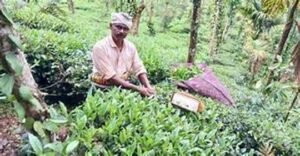
Farm tourism is another important eco-tourism initiative in Wayanad.
- Visitors stay in farms and plantations
- Experience agricultural activities like coffee and spice cultivation
- Learn traditional farming methods
This type of tourism allows visitors to experience rural life and natural farming practices.
3.6 Community-Based Tourism

Community participation is a key feature of eco-tourism in Wayanad.
- Tribal communities are involved in tourism activities
- Local guides provide trekking and cultural tours
- Handicrafts and local products are promoted
This helps preserve traditional knowledge and improves the livelihood of local people.
3.7 Conservation and Awareness Programs

Several ecotourism initiatives focus on environmental awareness:
- Nature education programs
- Tree planting campaigns
- Wildlife conservation awareness
- Butterfly conservation projects
Recent initiatives include creating butterfly gardens to protect biodiversity and educate visitors about ecosystems.
- Sustainable Practices in Eco-Tourism

Eco-tourism initiatives in Wayanad follow various sustainable practices:
- Reduction of plastic use
- Promotion of eco-friendly transportation
- Controlled tourism activities in sensitive areas
- Conservation of forests and water resources
These practices aim to reduce the negative impact of tourism on the environment.
- Benefits of Eco-Tourism in Wayanad
Environmental Benefits

- Protection of forests and wildlife
- Conservation of biodiversity
- Reduction of pollution
Economic Benefits

- Employment for local communities
- Growth of small businesses
- Promotion of local products
Social and Cultural Benefits

- Preservation of tribal culture
- Promotion of traditional knowledge
- Improved quality of life for residents
- Challenges in Eco-Tourism

Despite its success, ecotourism in Wayanad faces some challenges:
- Over-tourism in certain areas
- Illegal construction of resorts
- Environmental degradation
- Lack of strict regulations
There have been concerns that unregulated tourism activities may harm the fragile ecosystem of the region.
- Future Scope of Eco-Tourism

Wayanad has great potential to become a global eco-tourism destination.
Future developments may include:
- Expansion of sustainable tourism projects
- Increased government support
- Promotion of tribal tourism
- Development of eco-friendly infrastructure
Plans for long-term development highlight eco-tourism as a key sector for economic growth while maintaining environmental balance.
- Conclusion

Eco-tourism initiatives in Wayanad play a vital role in balancing tourism development and environmental conservation. Through responsible tourism projects, eco-friendly practices, and community participation, Wayanad has become a model for sustainable tourism in India.
However, maintaining this balance requires continuous efforts, strict regulations, and awareness among tourists. With proper planning and conservation measures, Wayanad can continue to thrive as a leading eco-tourism destination while preserving its natural beauty for future generations.