

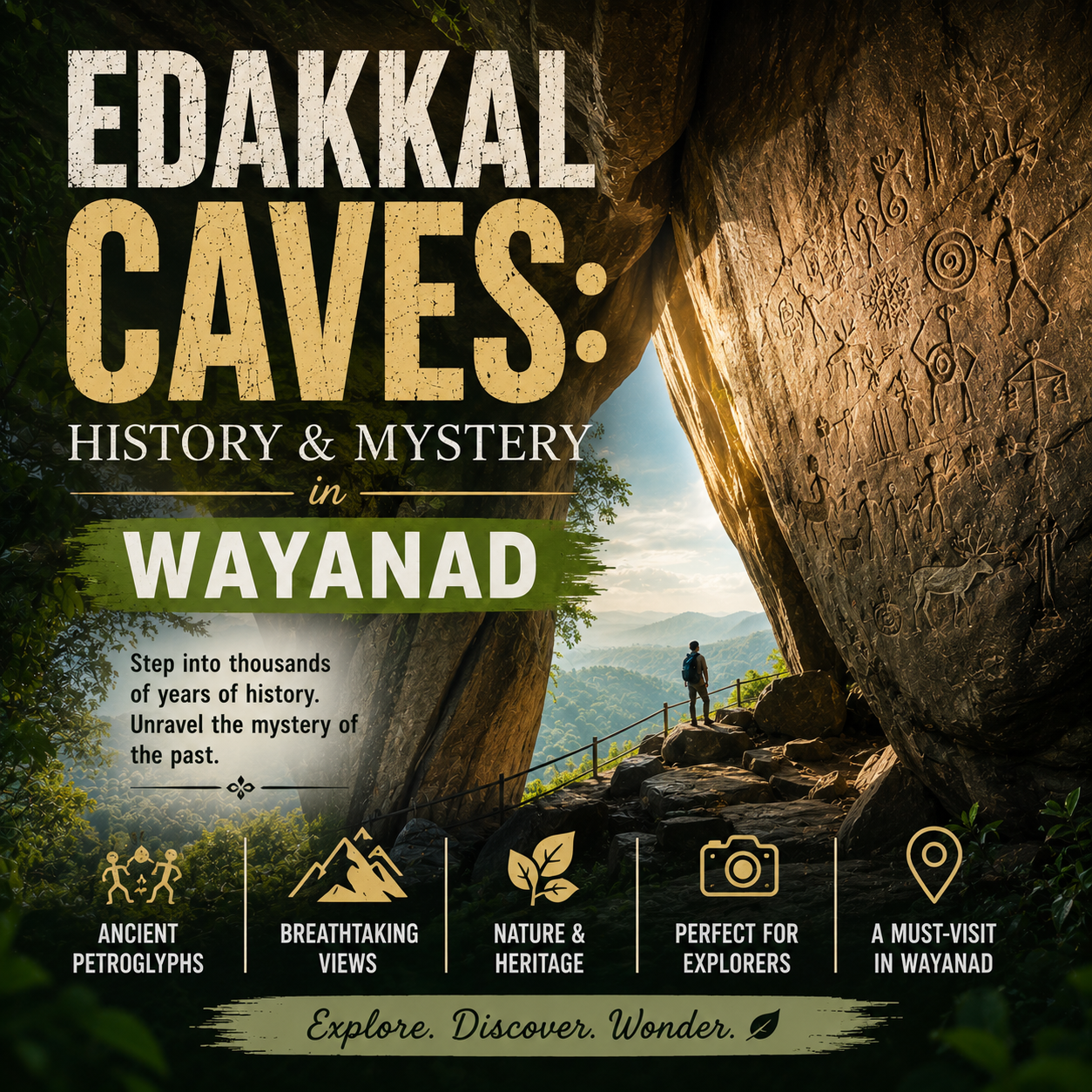
Wayanad, located in the Western Ghats of Kerala, is famous for its natural beauty, wildlife, and historical sites. Among its most intriguing attractions are the Edakkal Caves, which offer a glimpse into ancient human civilisation.
Edakkal Caves are not typical caves—they are rock shelters situated on the Ambukuthi Hills, about 1,200 metres above sea level. They are renowned for their prehistoric petroglyphs, which are carvings on stones depicting human figures, animals, symbols, and tools.
- Location and Accessibility
The caves are located near Sulthan Bathery in Wayanad district.
- Trekking is required to reach the caves, as they are situated on a hill.
- The trek is approximately 2 kilometres from the base of Ambukuthi Hills.
- The caves provide a panoramic view of the surrounding hills and valleys, making the journey both adventurous and scenic.
Visitors are advised to wear comfortable shoes and carry water during the trek.
- Historical Significance
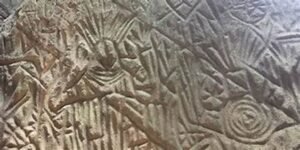
The Edakkal Caves are believed to date back to over 6,000 years, making them one of the earliest human settlements in South India.
- The carvings represent life during the Neolithic period, including hunting, agriculture, and social activities.
- Archaeologists have found symbols resembling early writing, geometric patterns, and depictions of tools.
- The caves give insights into the cultural, religious, and daily life of prehistoric humans.
The Edakkal Caves are considered an invaluable site for understanding prehistoric art and human evolution in the Indian subcontinent.
- The Mystery of Petroglyphs
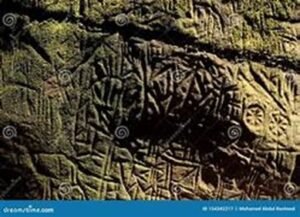
One of the most fascinating aspects of Edakkal Caves is the mysterious petroglyphs.
- The carvings include human figures, animals like elephants and deer, footprints, and geometric patterns.
- Some symbols are still undeciphered, leading to debates about their purpose and meaning.
- Scholars suggest the carvings may have served ritualistic, religious, or communicative purposes.
This combination of history and mystery attracts archaeologists, historians, and tourists alike.
- Cultural Significance

The caves are closely connected to the local tribal communities, who regard the site as sacred.
- Certain carvings are believed to have spiritual significance.
- Edakkal is often associated with folklore and ancient legends, adding to its mystical appeal.
The site demonstrates how nature, culture, and human creativity merged thousands of years ago.
- Geological Features
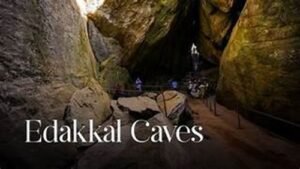
The Edakkal Caves are natural sandstone formations.
- They consist of two main caves, each with distinct carvings.
- The caves were formed due to erosion over centuries, creating natural shelters suitable for early humans.
- The rocks are durable, which is why the carvings have survived thousands of years.
The combination of geological and archaeological importance makes Edakkal Caves unique.
- Tourism and Adventure
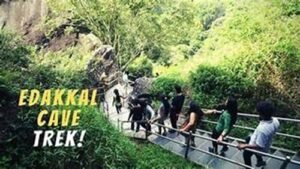
Edakkal Caves attract tourists for both historical interest and adventure.
- Trekking up Ambukuthi Hills offers panoramic views of Wayanad’s forests and hills.
- Photography enthusiasts enjoy capturing the rock formations and carvings.
- Visitors often explore nearby forests and small streams, combining history with nature exploration.
Local guides provide insights about the carvings, legends, and trekking routes, enriching the visitor experience.
- Conservation Efforts
Being an archaeologically protected site, Edakkal Caves are under the care of the Archaeological Survey of India (ASI).
- Entry is regulated to prevent damage to carvings.
- Tourists are advised not to touch the walls or graffiti on the carvings.
- Educational programmes promote awareness about prehistoric heritage.
Conservation ensures that future generations can also witness this historical treasure.
- Educational and Research Importance
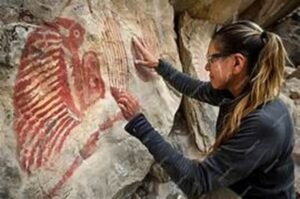
Edakkal Caves serve as a live classroom for students and researchers.
- Archaeologists study the carvings to understand prehistoric human life.
- Researchers analyse symbols to explore early communication and religious practices.
- The site provides a link between geology, history, and anthropology, making it invaluable for academic study.
- Conclusion

Edakkal Caves in Wayanad are more than just a tourist destination—they are a window into the distant past. The combination of prehistoric carvings, natural beauty, and mystical aura makes it one of the most significant sites in Kerala.
Visiting the caves allows one to connect with ancient human civilisation, appreciate nature’s geological artistry, and experience the mystery that has lasted thousands of years. Protecting and preserving Edakkal Caves is essential for understanding India’s rich prehistoric heritage.