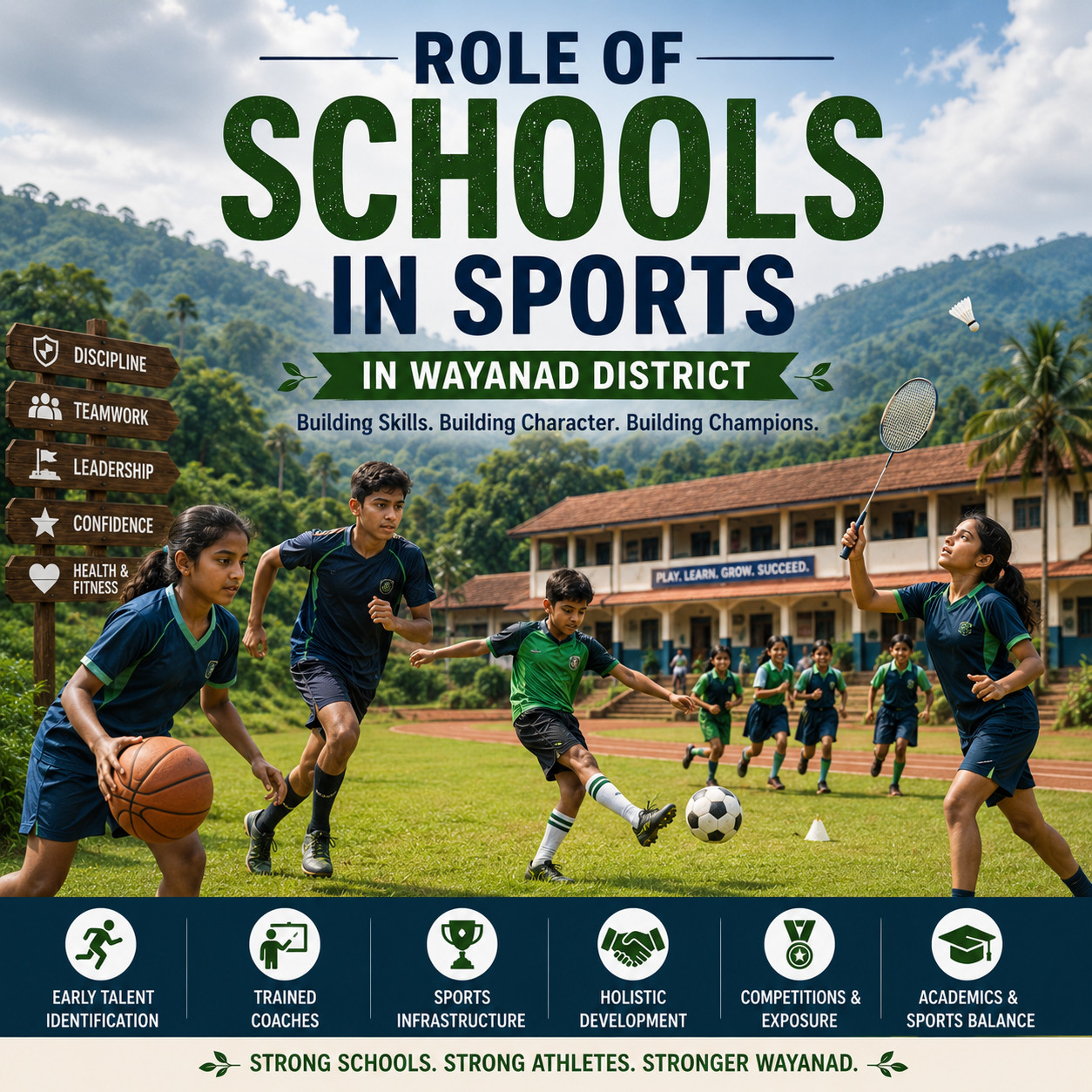

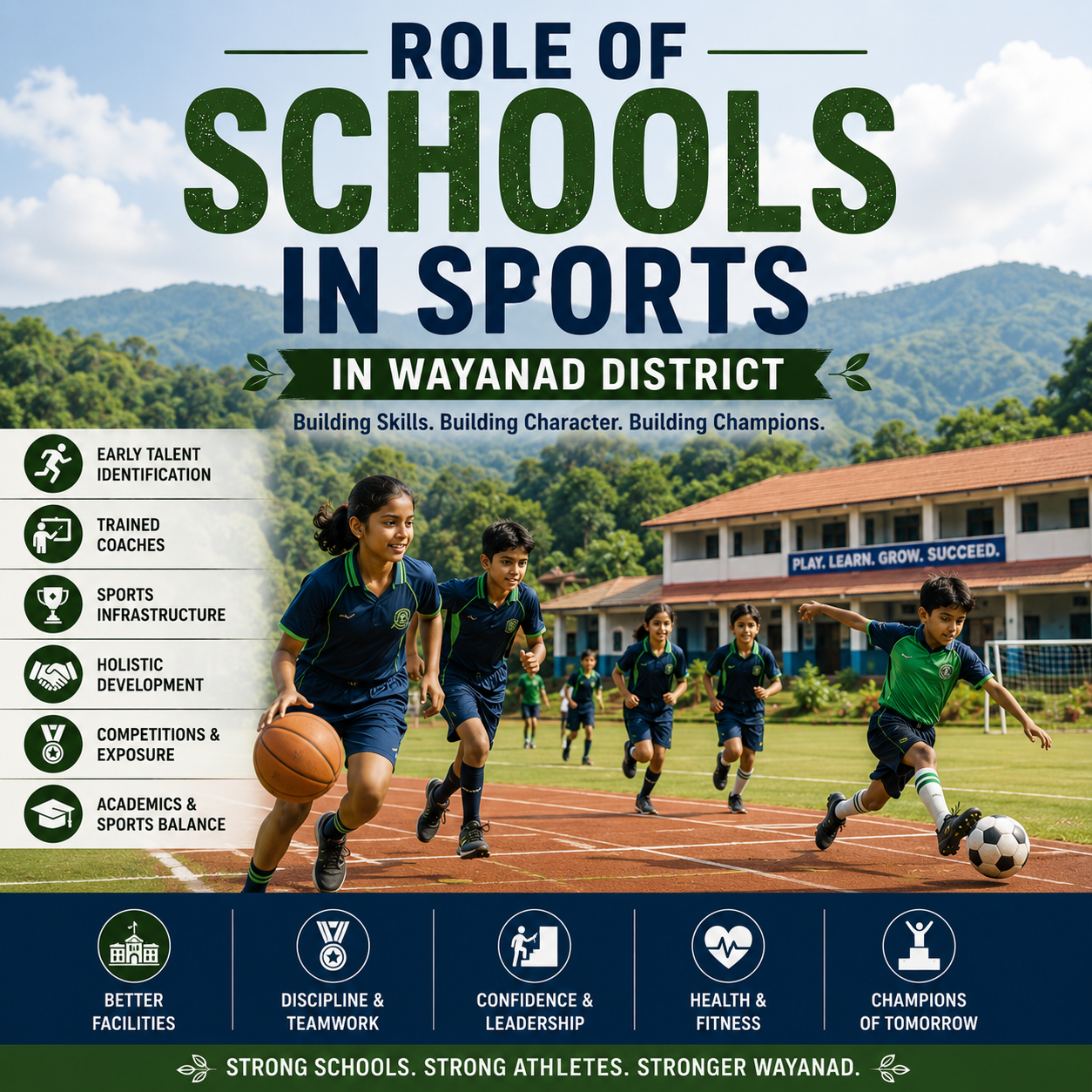
Sports infrastructure in Wayanad district
Introduction
The Wayanad district is a region renowned for its picturesque hills, verdant forests, and rich cultural heritage. While the district’s natural beauty draws tourists from around the world, its sports infrastructure has also been developing steadily in recent years. Sports facilities in Wayanad include public stadiums, training academies, school playgrounds, and community sports centres. These facilities support various sports, promote physical fitness, and help young athletes pursue competitive sports in the district.
1. Role of the District Sports Council
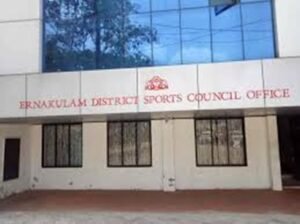
The Wayanad District Sports Council is the primary institution responsible for planning, developing, and managing sports infrastructure in the district. Established in 1982, the council oversees training programmes, organises events, and provides support to athletes across a wide range of sporting disciplines.
Key Responsibilities of the Sports Council
- Construction and maintenance of sports facilities
- Training support for athletics, archery, volleyball, and other sports
- Running academies and hostels for young athletes
- Organizing district-level competitions and talent scouting events
Through the Sports Council, several important infrastructure projects are underway and planned to uplift sporting culture and access in the district.
2. Main Sports Facilities in the District
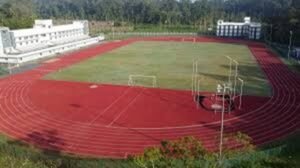
- Wayanad District Stadium
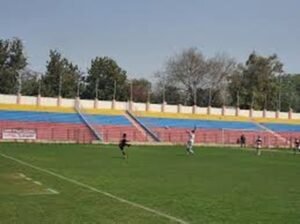
One of the most significant developments in Wayanad’s sports infrastructure is the construction of a modern district stadium. Spread over several acres, this facility is designed to host athletics, football, and other major sporting events.
The stadium includes the following:
- A running track for athletics
- A football field with natural turf
- Spectator areas and support facilities
This project reflects the district’s aim to host higher-level competitions and to encourage young athletes to train and compete locally.
- Indoor Stadiums and Community Centers
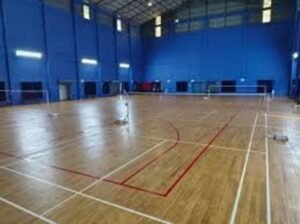
In addition to outdoor facilities, there are plans for modern indoor stadiums in key towns like Kalpetta and Ambaleri. One such project—the Kalpetta Omkaranathan Indoor Stadium—was inaugurated to provide year‑round space for indoor sports such as badminton, basketball, and martial arts.
Indoor facilities are especially important during monsoons and seasonal changes, enabling athletes to continue training regardless of weather.
3. Sports Academies and Training Centers

Beyond stadiums, Wayanad has various sports academies and training centres that support young athletes:
- District Academy at Kalpetta
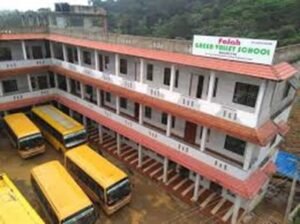
The Sports Council operates an academy where youths receive coaching in athletics, fencing, archery, and volleyball, among other disciplines.
- Sport‑Specific Training Facilities

- Volleyball Sports Academy at St Mary’s College, Sultan Bathery
- District Archery Academy at Pulpally
- Table Tennis Center at Chennalode
These academies provide structured coaching, physical conditioning, and competitive exposure, helping promising athletes prepare for district and state‑level competitions.
4. School and College Sports Grounds
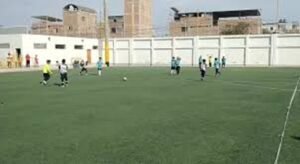
Local schools and colleges also contribute significantly to sports infrastructure in Wayanad:
- Many school campuses have football fields, volleyball courts, and athletic tracks
- Colleges like WMO College, Wayanad, feature facilities for football, volleyball, shuttle badminton, and a 400‑metre track, promoting sports among students.
These educational institutions play a vital role in nurturing talent from a young age and help integrate sports into everyday student life.
5. Grassroots and Community Sports Facilities
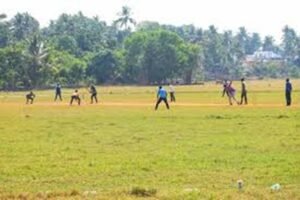
In addition to formal infrastructure, there are many community playgrounds and panchayat‑level sports grounds throughout the district. These spaces are often used for local football matches, volleyball games, and school sports days. Improving these grassroots grounds is part of broader sports development initiatives aimed at ensuring better access to facilities in rural areas.
Local clubs and youth groups also utilise these grounds to organise informal tournaments, which encourage participation among all age groups and support community sports culture.
6. Challenges in Sports Infrastructure
Despite progress, Wayanad faces a few challenges in its sporting infrastructure:
Infrastructure Gaps
- Some villages still lack well‑maintained playgrounds or equipment
- Only a few areas have synthetic tracks or modern turf fields
Funding and Maintenance
- Continuous funding and maintenance of facilities are essential to keep them functional
- Ensuring quality coaching and equipment is also challenges in rural areas
Limited Exposure
- Access to national-standard competitions and training opportunities outside the district is still limited
Addressing these challenges requires cooperation between the Sports Council, local government bodies, educational institutions, and community organisations.
7. Government Support and Future Plans

The Kerala government has expressed a strong commitment to sports development, with ongoing investments in infrastructure and new projects. Recent initiatives include enhancing panchayat‑level playgrounds and expanding the reach of indoor sports facilities.
Future plans for Wayanad include:
- Completing and upgrading sports stadiums
- Expanding sports academies and specialized training centers
- Increasing access to modern sporting equipment
With continued support, Wayanad’s sports infrastructure is expected to grow more robust, helping the district produce talented athletes and host larger sporting events.
Conclusion
In conclusion, sports infrastructure in Wayanad district has seen significant development over the years. With the active involvement of the District Sports Council, new stadium projects, indoor facilities, and sports academies are shaping a strong foundation for future athletes. Schools and community grounds also play an essential role in nurturing sports culture. While challenges remain in rural access and funding, government support and local engagement continue to improve opportunities for athletes of all ages.
Sports infrastructure not only provides venues for games but also supports healthier lifestyles, community participation, and opportunities for young talent to grow—making sports an integral part of life in Wayanad.