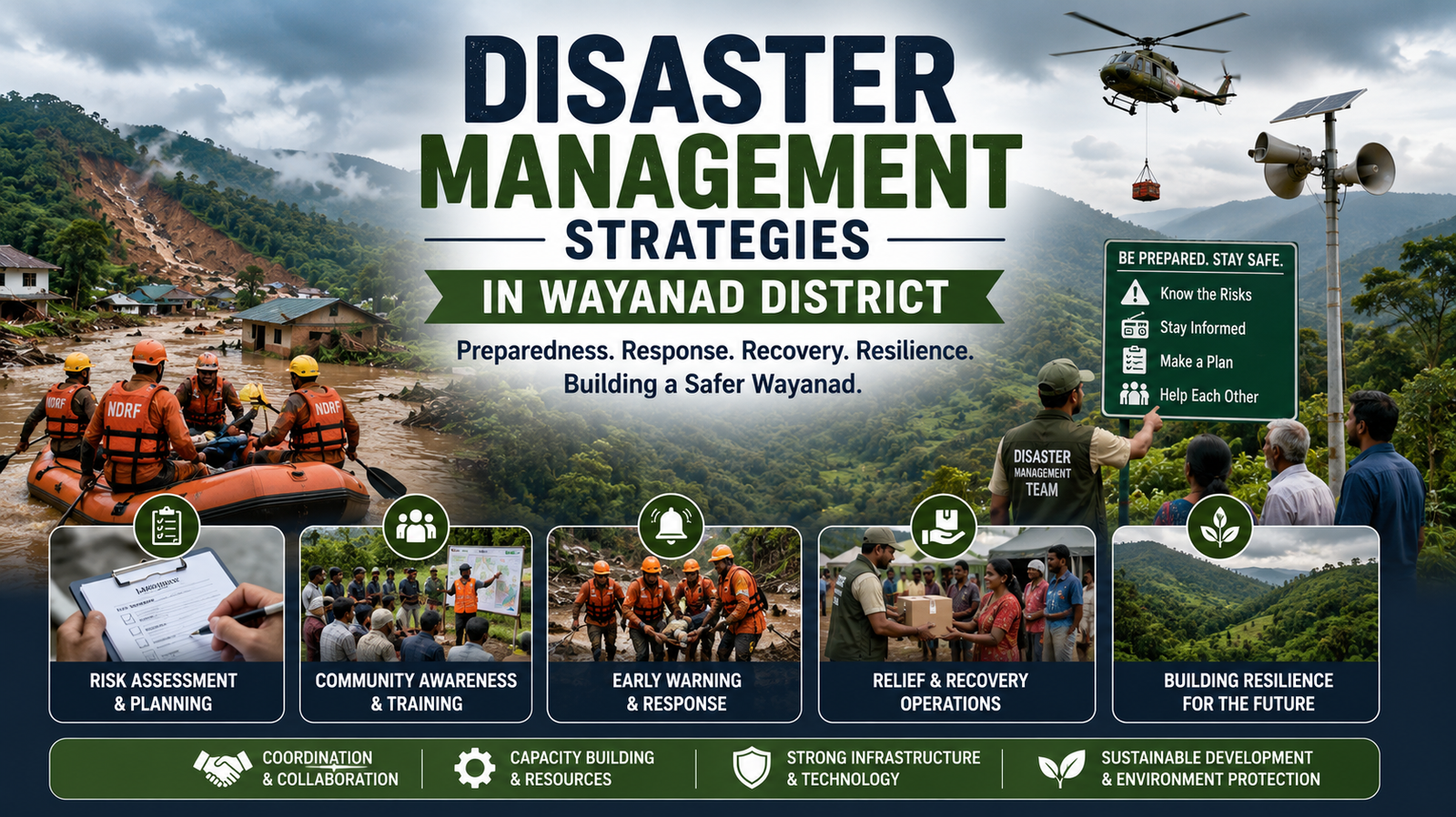

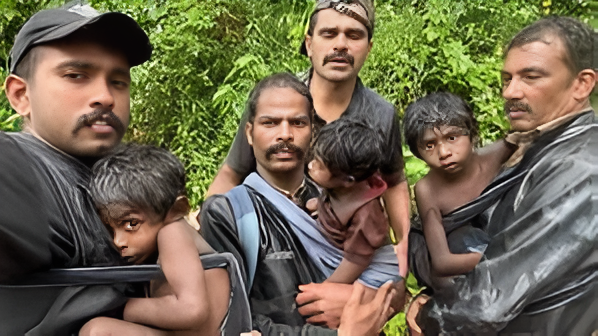
Wayanad, a district in Kerala known for its forests, tribal communities, and agricultural economy, faces several challenges in ensuring child welfare and protection. While Kerala performs better than many Indian states in education and health indicators, children in Wayanad—especially those from tribal and rural backgrounds—continue to face vulnerabilities.
Child welfare in Wayanad includes issues related to nutrition, education, child labour, abuse, health, and access to basic services. These concerns are shaped by poverty, geographical isolation, and social inequality.
- Demographic and Social Background
Wayanad has a significant tribal population, including communities such as Paniyas, Kurichiyas, and Adiyas. Many children in these communities grow up in:
- Remote forest or hilly regions
- Economically disadvantaged households
- Areas with limited access to schools and healthcare
Key concerns:
- High dependency on agriculture and daily wage labour
- Seasonal migration of families
- Low parental literacy in some communities
👉 These factors directly affect children’s education, nutrition, and safety.
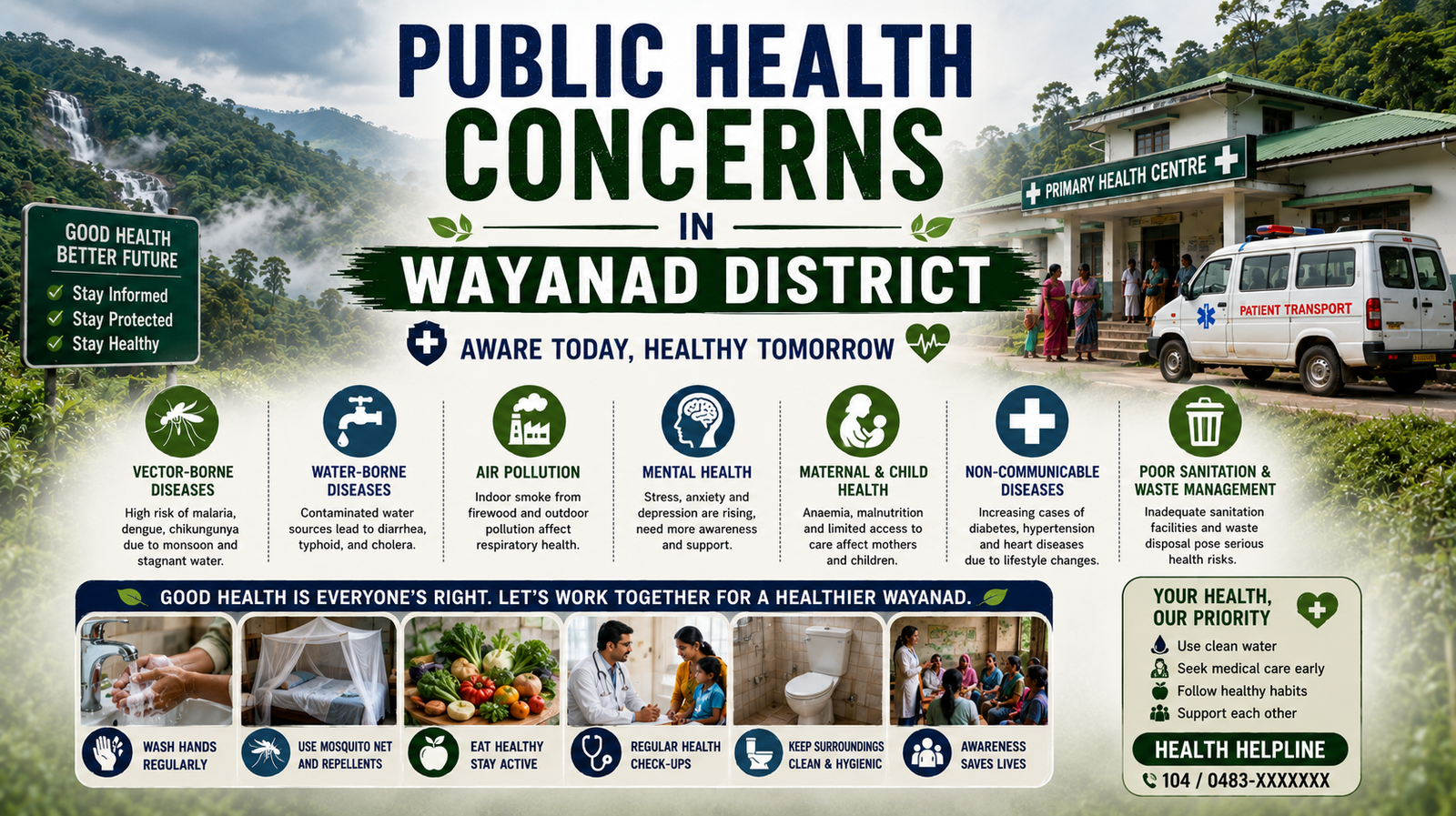
- Malnutrition and Health Issues
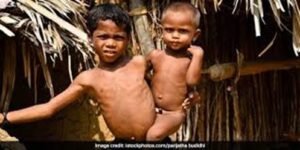
One of the most serious child welfare concerns in Wayanad is malnutrition, particularly among tribal children.
Major issues:
- Underweight and stunted growth
- Lack of balanced diet
- Anaemia and micronutrient deficiency
Studies and reports have shown:
- Cases of child deaths linked to malnutrition in tribal areas
- Poor maternal health affecting child development
Causes:
- Poverty and food insecurity
- Lack of awareness about nutrition
- Limited healthcare access in remote areas
👉 Malnutrition not only affects physical growth but also cognitive development and immunity.
- Education and School Dropouts
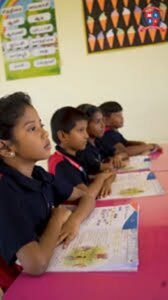
Although Kerala has a high literacy rate, Wayanad faces challenges in ensuring continuous education for all children.
Problems:
- School dropouts, especially among tribal children
- Irregular attendance
- Language barriers (tribal languages vs. Malayalam)
Reasons:
- Need to support family income
- Distance to schools in remote areas
- Lack of transportation facilities
Government schools and hostels exist, but:
- Infrastructure gaps remain
- Quality of education varies
👉 Education inequality leads to long-term socio-economic disadvantages.
- Child Labour and Economic Exploitation
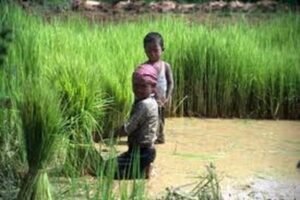
Child labour is another concern, particularly in:
- Agriculture (coffee, tea, pepper plantations)
- Domestic work
- Informal sector jobs
Causes:
- Poverty and unemployment
- Family debt
- Lack of awareness about child rights
Even though child labour is illegal:
- Some cases remain hidden or unreported
- Children may work part-time while studying
👉 Child labour deprives children of education, health, and a safe childhood.
- Child Abuse and Protection Issues
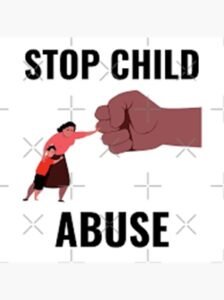
Children in Wayanad also face risks of:
- Physical abuse
- Emotional abuse
- Sexual abuse
Key concerns:
- Underreporting of cases
- Lack of awareness about protection laws
- Fear and stigma in reporting abuse
Institutions like:
- Childline services
- District Child Protection Units
exist, but:
- Accessibility in remote areas is limited
- Social stigma prevents families from seeking help
👉 Ensuring child safety and protection systems is a major challenge.
- Impact of Migration and Family Issues
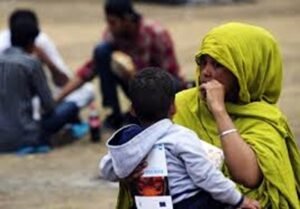
Seasonal migration for work affects children significantly.
Effects:
- Disruption in schooling
- Poor living conditions
- Lack of supervision
Children of migrant workers often:
- Drop out of school
- Face health and hygiene issues
Family-related issues such as:
- Alcoholism
- Domestic violence
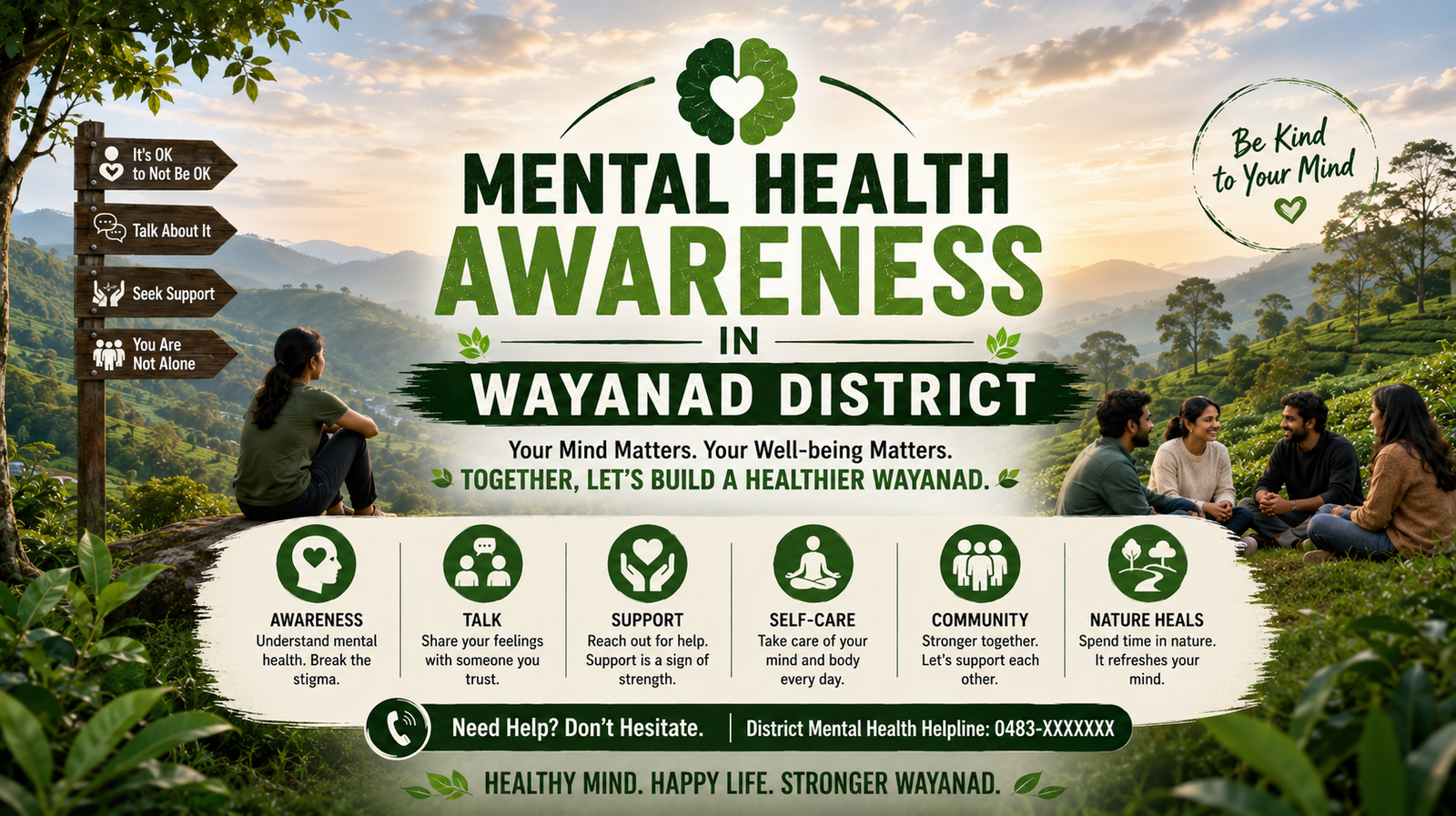
also impact children’s mental and emotional well-being.
- Health Infrastructure and Access
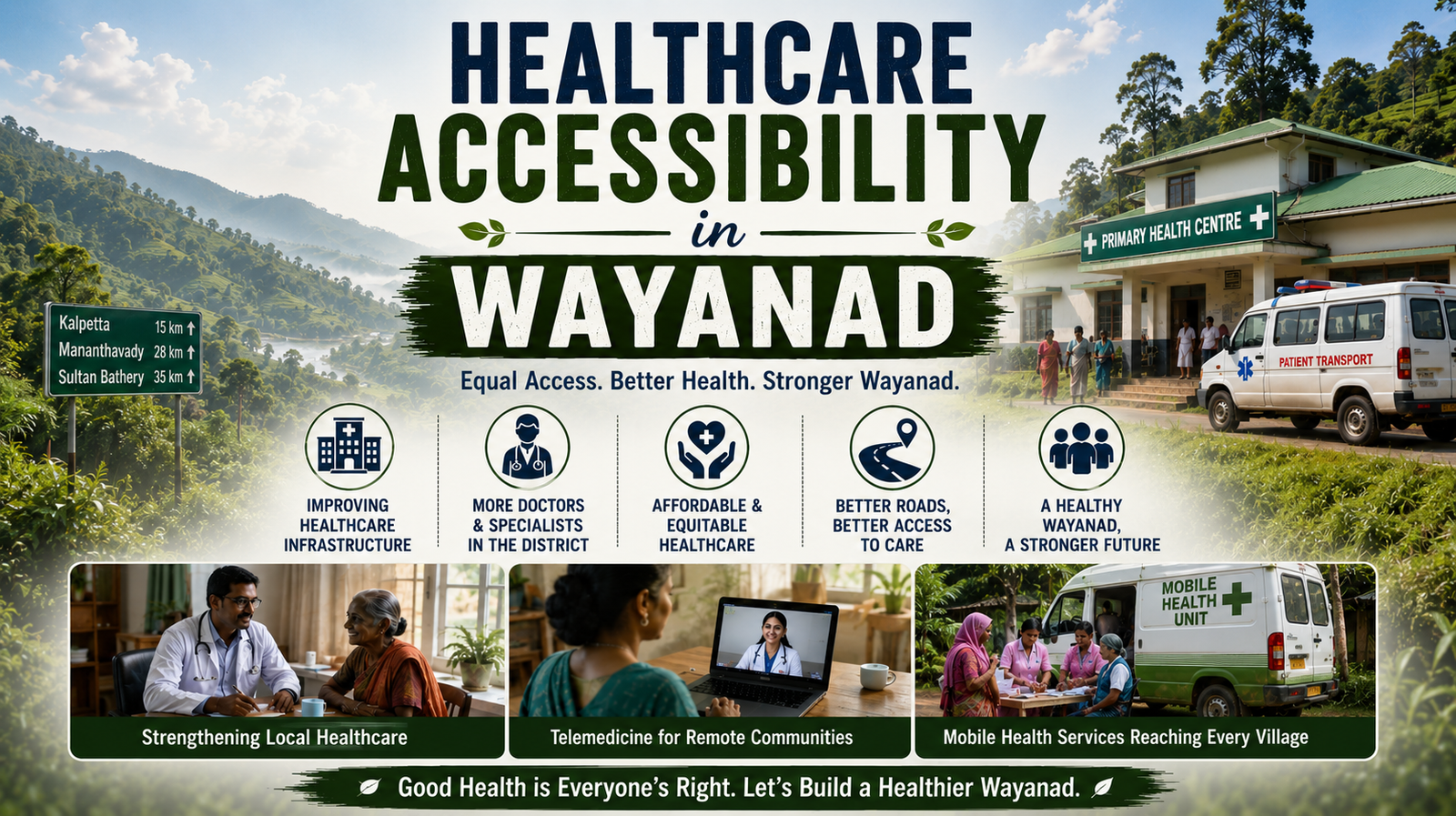
Healthcare services in Wayanad face challenges due to geography.
Issues:
- Remote tribal settlements
- Lack of nearby hospitals
- Limited transportation
Although government initiatives like:
- Anganwadi centres
- Primary health centres
are present, they may not:
- Reach all children effectively
- Provide consistent quality care
👉 Accessibility remains a key barrier in child healthcare delivery.
- Government Initiatives and Programs
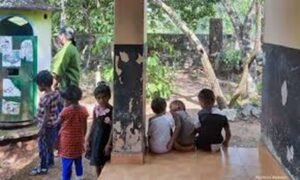
Several programs aim to improve child welfare:
Major schemes:
- Integrated Child Development Services (ICDS)
- Mid-Day Meal Scheme
- Child Protection Services
- Tribal welfare programs
Positive impacts:
- Improved school enrolment
- Better nutrition through Anganwadi centres
- Increased awareness of child rights
However:
- Implementation gaps remain
- Monitoring and outreach need strengthening
- Role of NGOs and Community
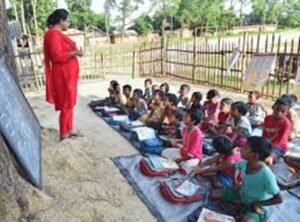
Non-governmental organizations and local groups play an important role in:
- Education support
- Health awareness
- Child protection
Community-based initiatives help:
- Identify vulnerable children
- Provide counseling and support
👉 Community participation is essential for sustainable child welfare improvements.
- Key Challenges Summary
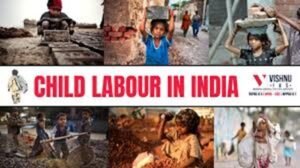
Major child welfare concerns in Wayanad include:
- Malnutrition and poor health
- School dropouts and educational inequality
- Child labour and economic exploitation
- Child abuse and lack of reporting
- Impact of migration and family instability
- Limited healthcare access in remote areas
- Implementation gaps in government programs
- Suggestions and Solutions

- Improve Nutrition
- Strengthen Anganwadi services
- Provide nutritious food and supplements
- Enhance Education Access
- Transport facilities for remote areas
- Tribal language support in schools
- Prevent Child Labour
- Strict law enforcement
- Financial support to poor families
- Strengthen Child Protection
- Awareness campaigns
- Easy reporting systems
- Improve Healthcare Access
- Mobile health units
- Better rural healthcare infrastructure
- Focus on Tribal Development
- Special programs for tribal children
- Education and health awareness
- Community Involvement
- Local monitoring committees
- NGO-government collaboration
- Conclusion
Child welfare in Wayanad is influenced by social, economic, and geographical factors. While government initiatives and community efforts have improved conditions, significant challenges still remain, especially for tribal and rural children.
Ensuring child welfare requires a holistic approach, focusing on education, health, protection, and empowerment. By addressing these concerns effectively, Wayanad can ensure a safe, healthy, and bright future for its children.