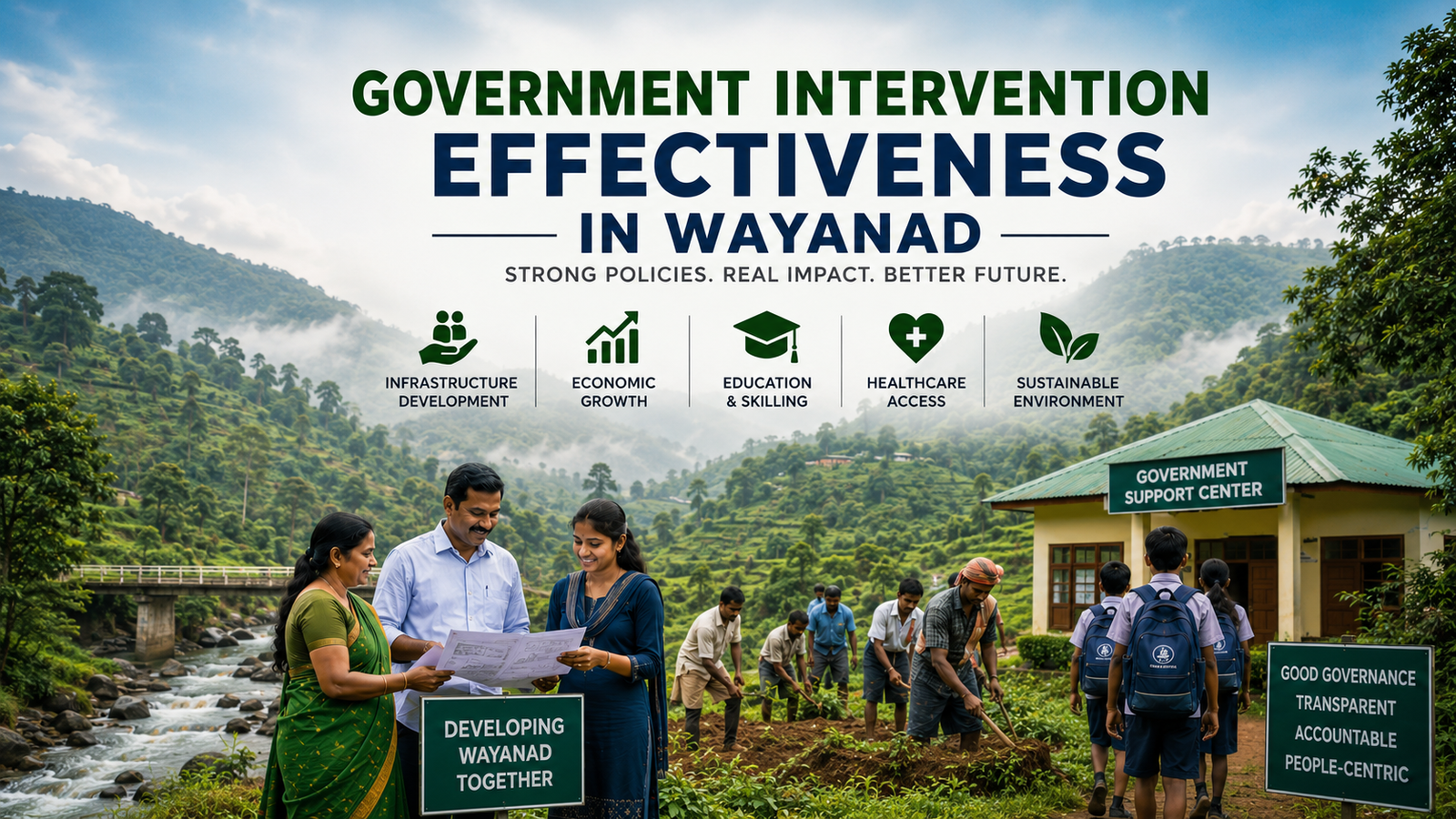

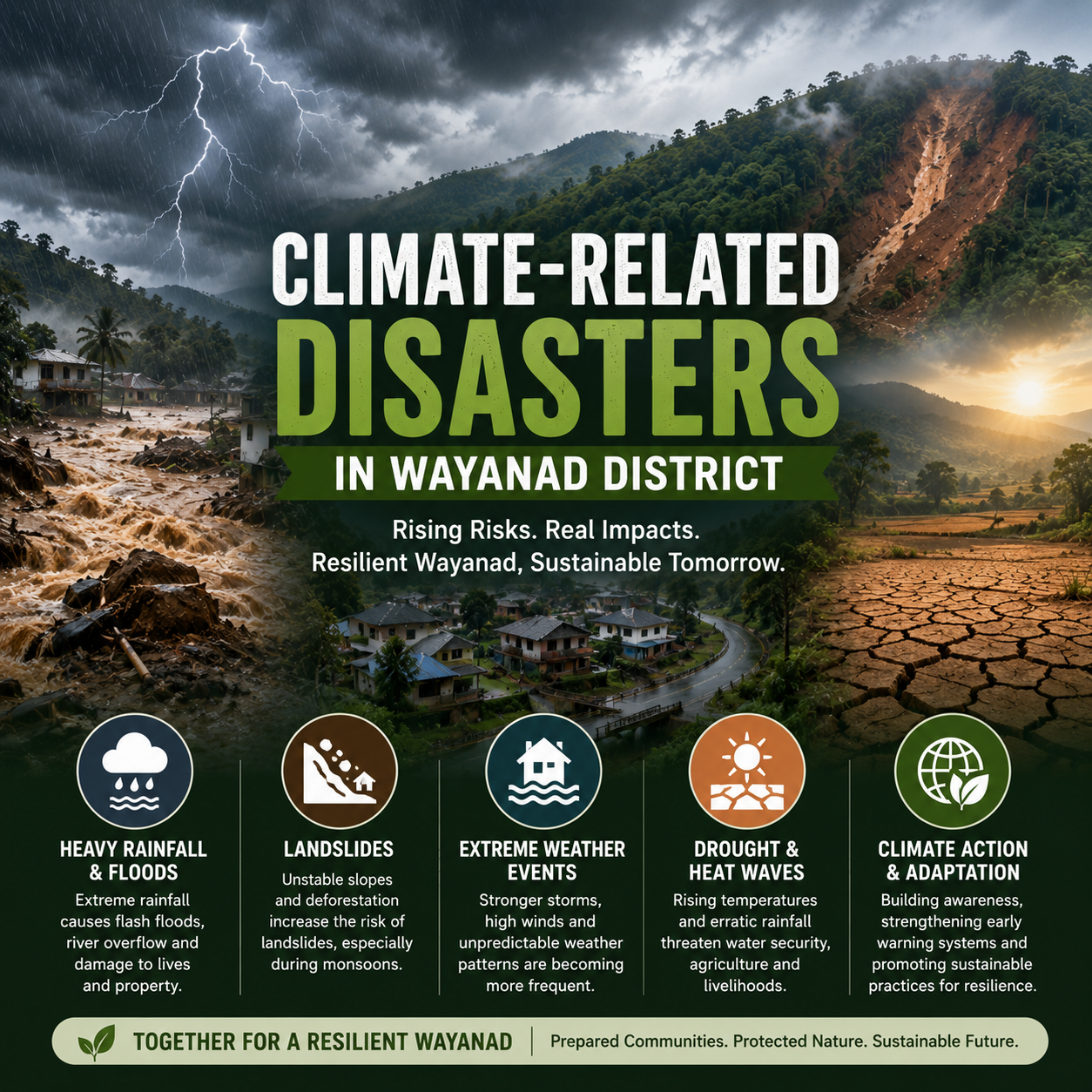
Wayanad, a hilly district in Kerala located in the Western Ghats, is one of the most ecologically sensitive regions in India. Known for its dense forests, biodiversity, and plantation economy, the district has increasingly become vulnerable to climate-related disasters, particularly in recent decades.
Climate change, combined with human activities such as deforestation, quarrying, and unplanned development, has intensified natural hazards like landslides, floods, and extreme rainfall events. These disasters have caused significant loss of life, destruction of infrastructure, and long-term socio-economic impacts.
- Major Climate-Related Disasters in Wayanad
2.1 The 2024 Wayanad Landslides (A Turning Point)
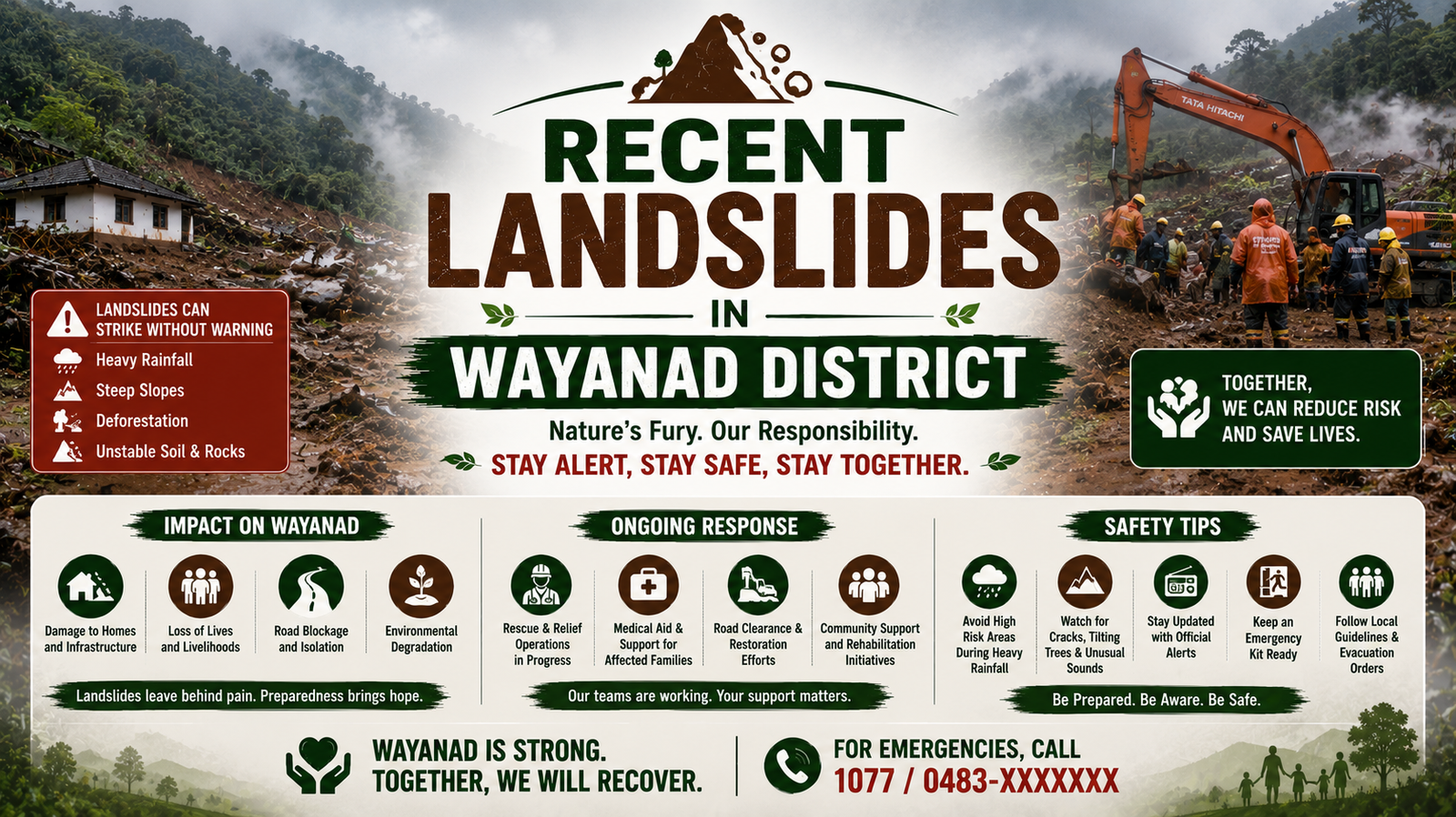
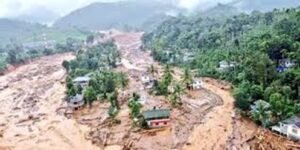
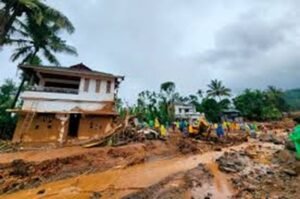
One of the most devastating disasters in Wayanad occurred in July 2024, when intense monsoon rains triggered massive landslides in areas such as Mundakkai, Chooralmala, and Meppadi.
- Over 300–400 people lost their lives, and many were injured or displaced
- Entire villages were buried under mud and debris
- Thousands of people were evacuated and rendered homeless
This disaster was identified among the deadliest climate-related events globally in 2024, highlighting its severity.
2.2 2018 Kerala Floods and Impact on Wayanad
The 2018 Kerala floods also significantly affected Wayanad:
- Heavy rainfall led to widespread flooding and landslides
- Around 500 deaths were reported across Kerala
- Infrastructure such as roads, bridges, and houses suffered major damage
This event marked the beginning of a pattern of increasingly intense monsoon disasters in the region.
- Types of Climate-Related Disasters in Wayanad

3.1 Landslides
Landslides are the most frequent and destructive disasters in Wayanad.
Causes:
- Intense and prolonged rainfall
- Steep slopes of the Western Ghats
- Soil saturation and weakening
Heavy rainfall (e.g., more than 140 mm in 24 hours) can destabilise slopes and trigger landslides.
Impact:
- Burial of houses and roads
- Loss of agricultural land
- Casualties and displacement
3.2 Floods and Flash Floods
Flooding occurs during heavy monsoon periods when rivers overflow.
Key features:
- Sudden rise in river levels
- Flash floods in low-lying areas
- Damage to crops and infrastructure
Floods often accompany landslides, worsening the disaster.
3.3 Extreme Rainfall Events
Climate change has led to short-duration, high-intensity rainfall:
- Rainfall has become more unpredictable
- Events are more intense and localized
- Even a single day of rainfall can trigger disasters
Studies show that climate change has made rainfall events about 10% heavier in such regions.
- Causes of Climate-Related Disasters
4.1 Climate Change
Climate change is a major driver behind increasing disasters in Wayanad.
Key factors:
- Warming of the Arabian Sea leads to stronger monsoon systems
- Increased atmospheric moisture results in heavy rainfall
- Shift in rainfall patterns causes localized extreme events
These changes have significantly increased the frequency and intensity of landslides and floods.
4.2 Ecological Fragility of Wayanad
Wayanad lies in the Western Ghats, a region known for:
- Steep terrain
- Loose soil over hard rock layers
- High rainfall zones
This makes the area naturally prone to landslides, especially when disturbed.
Nearly half of Kerala’s land area is landslide-prone, including Wayanad.
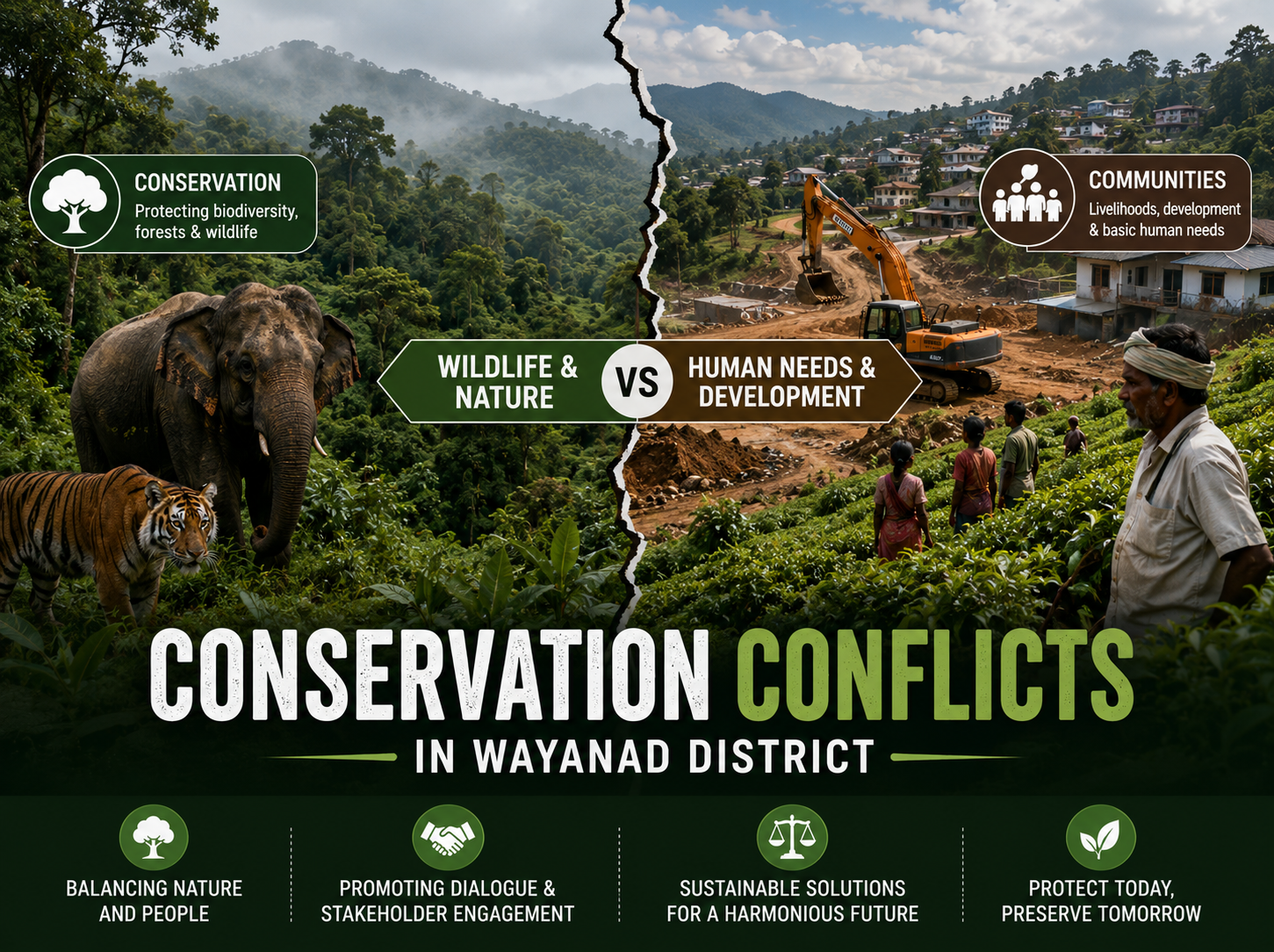
4.3 Deforestation and Land Use Changes
Human activities have worsened the situation:
- Clearing forests for plantations (tea, rubber, coffee)
- Loss of tree roots that stabilize soil
- Increased soil erosion
Deforestation reduces the land’s ability to absorb water, leading to landslides and floods.
4.4 Unplanned Development
Rapid development in ecologically sensitive zones has increased vulnerability:
- Construction on hill slopes
- Quarrying and mining activities
- Road building in fragile areas
Experts have warned for decades about such activities, but many recommendations were not implemented.
4.5 Agricultural Practices
Certain farming practices contribute to instability:
- Cultivation on steep slopes
- Lack of proper soil conservation techniques
- Increased surface runoff
These practices weaken the soil structure and increase disaster risk.
- Impacts of Climate Disasters

5.1 Human Impact
- Loss of hundreds of lives
- Injuries and missing persons
- Displacement of thousands
Many survivors also face psychological trauma and livelihood loss.
5.2 Economic Impact
- Destruction of plantations (tea, coffee, spices)
- Loss of income for farmers and workers
- Damage to tourism industry
5.3 Environmental Impact
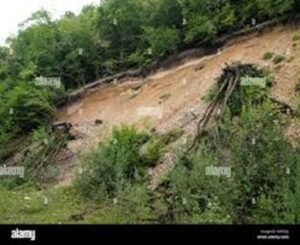
- Soil erosion and land degradation
- Loss of biodiversity
- Changes in landscape and river systems
5.4 Infrastructure Damage
- Roads, bridges, and houses destroyed
- Disruption of communication and transport
- Difficulty in rescue operations
- Role of Climate Change: Scientific Perspective
Scientific studies have clearly linked climate change to disasters in Wayanad:
- Increased sea surface temperatures intensify rainfall
- Monsoon patterns are becoming erratic
- Extreme weather events are more frequent
Climate models suggest that such disasters may increase further in the future if global warming continues.
- Disaster Management and Response
7.1 Rescue Operations
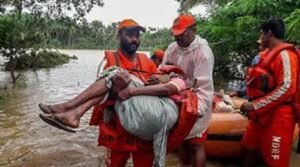
During disasters, large-scale rescue efforts are carried out:
- National Disaster Response Force (NDRF)
- Indian Army and Air Force
- Local volunteers and authorities
Thousands of people are evacuated and shifted to relief camps.
7.2 Government Measures
- Relief camps and rehabilitation programs
- Financial compensation for victims
- Infrastructure rebuilding
However, challenges remain in long-term rehabilitation.
- Mitigation and Prevention Measures

8.1 Environmental Protection
- Afforestation and reforestation
- Protection of forest cover
- Restoration of degraded land
8.2 Sustainable Development
- Avoid construction in high-risk zones
- Strict regulation of mining and quarrying
- Eco-friendly tourism practices
8.3 Early Warning Systems
- Improved weather forecasting
- Landslide prediction systems
- Community alert mechanisms
8.4 Community Awareness
- Disaster preparedness training
- Public awareness programs
- Involvement of local communities
- Conclusion
Climate-related disasters in the Wayanad district are a clear example of the combined effects of climate change and human activities. The increasing frequency of landslides, floods, and extreme rainfall events highlights the urgent need for sustainable development and environmental conservation.
The 2024 landslides serve as a warning that without proper planning and climate action, such disasters may become more frequent and severe. Protecting Wayanad’s fragile ecosystem while ensuring safe development is essential for reducing future risks.