
The Wayanad district, located in the state of Kerala, is one of the most ecologically sensitive regions of the Western Ghats. It is known for its forests, biodiversity, agriculture, tribal communities, and tourism. While the district has significant natural and cultural importance, it also faces several challenges related to environmental sustainability, climate change, development pressure, and socio-economic issues.
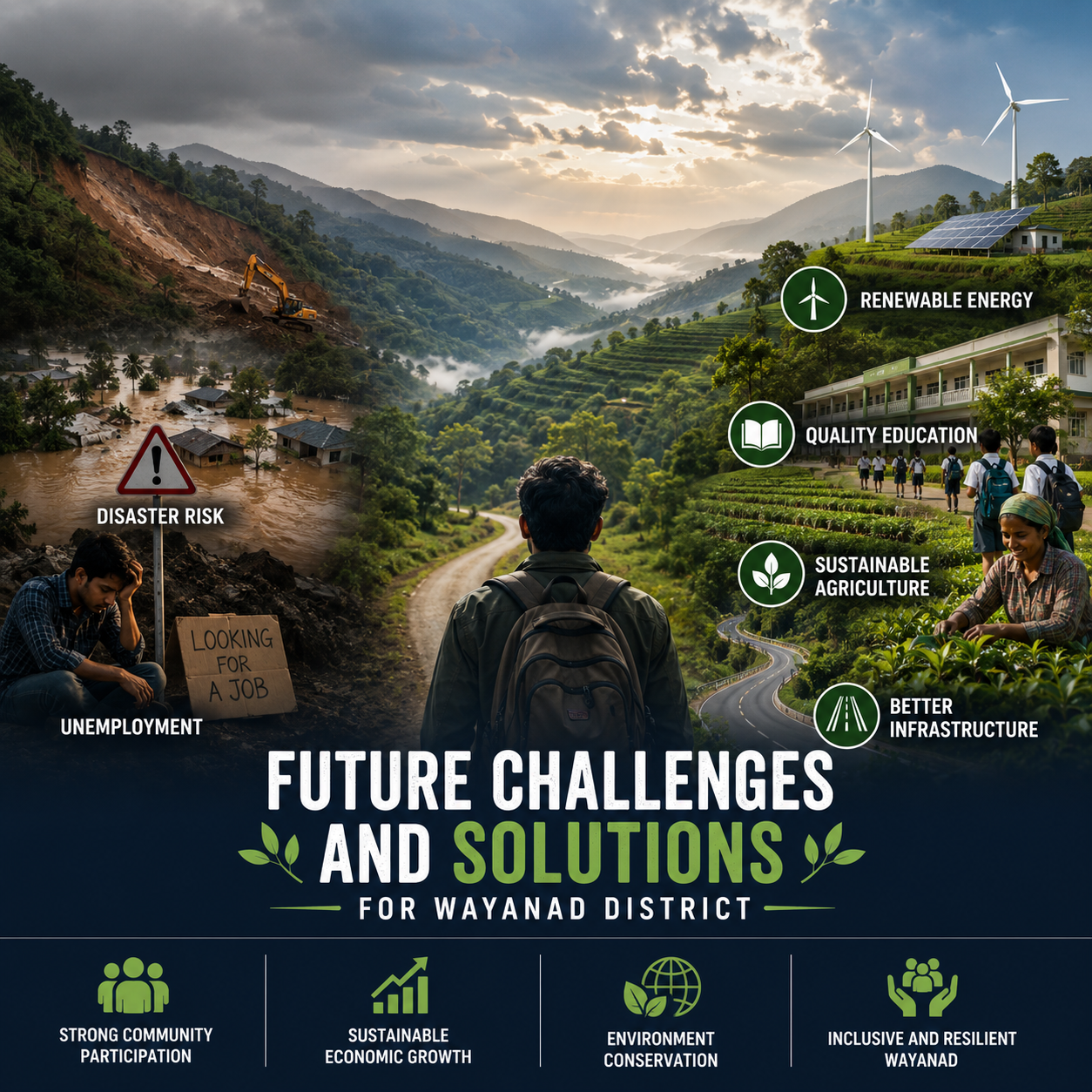
In the future, these challenges are expected to become more complex due to an increasing population, unplanned development, and climate variability. Therefore, identifying future challenges and implementing effective solutions is essential for sustainable development in Wayanad.
- Future Environmental Challenges
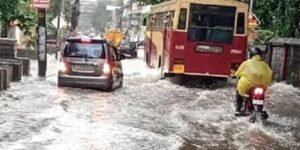
2.1 Climate Change and Extreme Weather
One of the biggest future challenges is climate change. Wayanad is already experiencing irregular rainfall patterns, intense monsoons, and rising temperatures. These changes increase the risk of:
- Landslides
- Flash floods
- Soil erosion
- Crop damage
Scientific studies show that changing monsoon behaviour and warming of the Arabian Sea may intensify extreme rainfall events in the Western Ghats region, increasing disaster risks in Wayanad.
2.2 Increasing Landslide Risk
Due to steep slopes, fragile soil, and deforestation, Wayanad remains highly vulnerable to landslides. Future risks may increase because of:
- Unplanned construction on slopes
- Road expansion in hilly areas
- Removal of natural vegetation
- Heavy rainfall events
Landslides not only cause loss of life but also destroy infrastructure and displace communities.
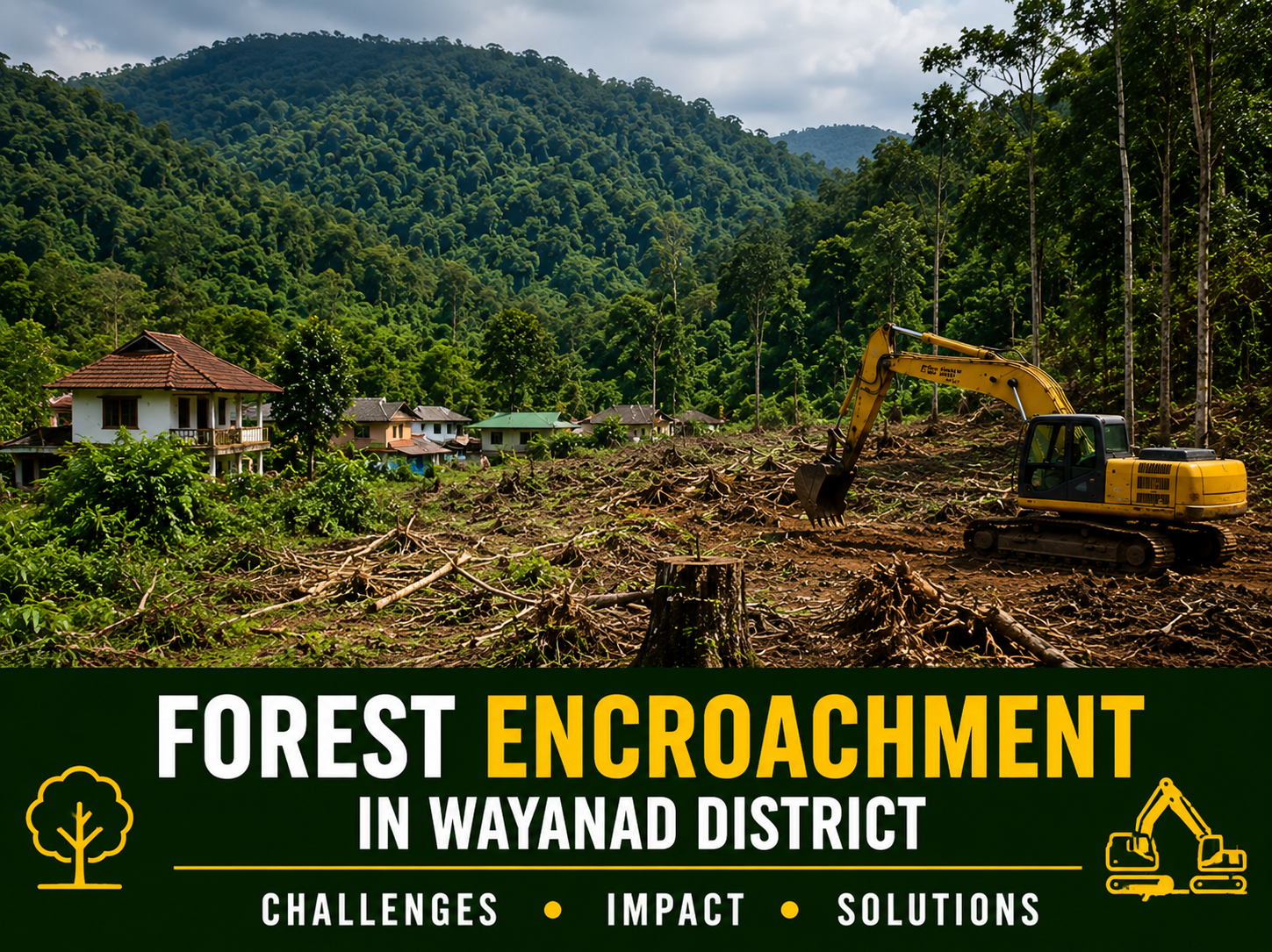
2.3 Forest Degradation and Encroachment
Wayanad’s forests are under pressure from:
- Agricultural expansion
- Plantation growth
- Human settlements
- Infrastructure development
Continued encroachment may lead to:
- Loss of biodiversity
- Habitat destruction for wildlife
- Increase in human–wildlife conflict
Protecting forest ecosystems will be a major challenge in the coming years.
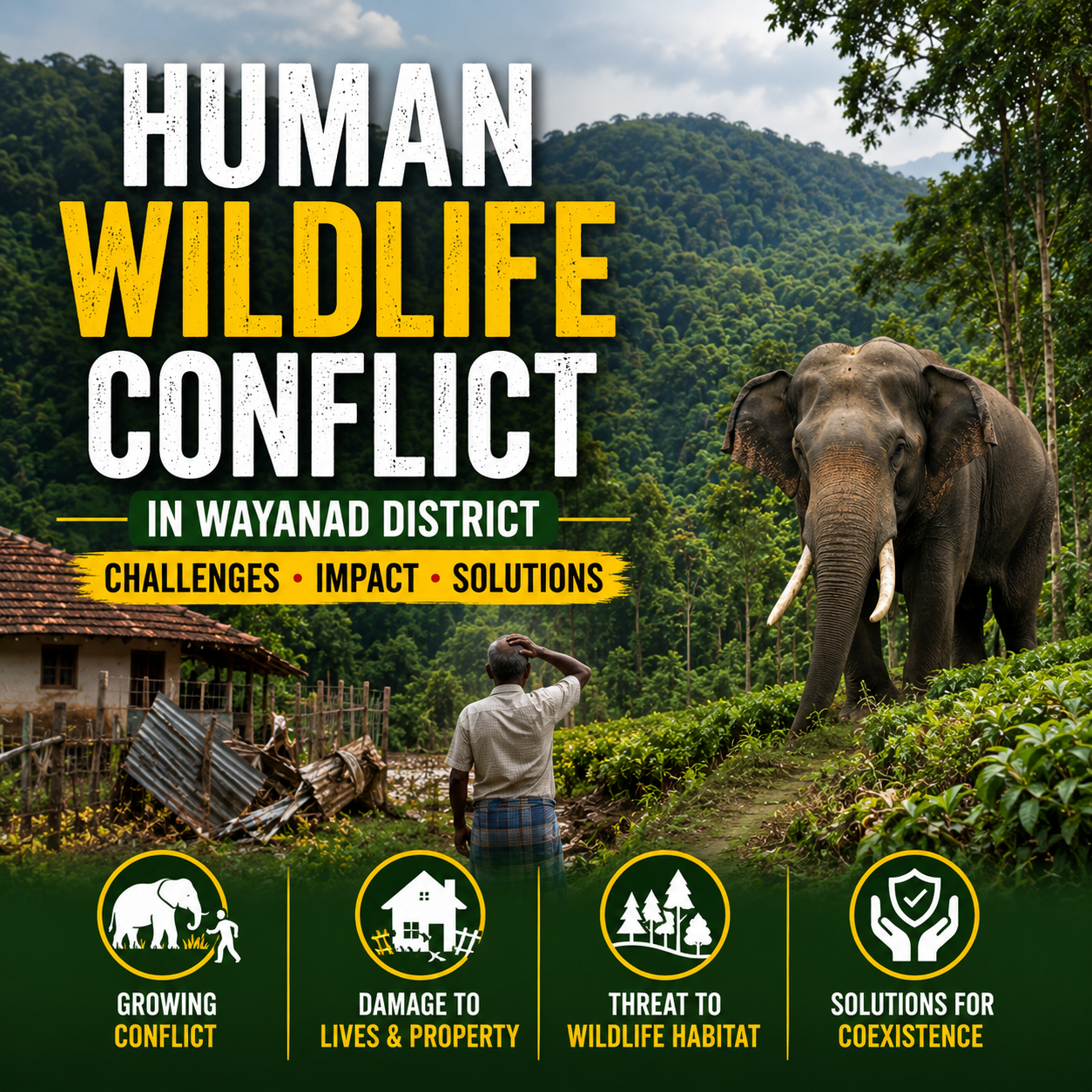
2.4 Human–Wildlife Conflict
As forests shrink and habitats overlap with human settlements, conflicts with wildlife are expected to increase. Common issues include:
- Crop damage by wild elephants and boars
- Attacks on livestock
- Entry of animals into villages
This creates both economic loss and safety concerns for farmers.
- Future Socio-Economic Challenges
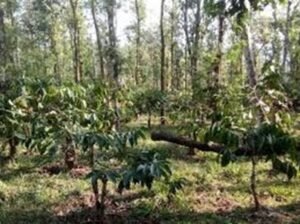
3.1 Agricultural Instability
Agriculture is the backbone of Wayanad’s economy. However, future challenges include:
- Climate-sensitive crop production
- Falling soil fertility
- Wildlife attacks on farms
- Market price fluctuations
Farmers may face increasing uncertainty without strong support systems.
3.2 Youth Migration and Employment Issues
Limited industrial development and seasonal agricultural income may lead to the following:
- Migration of youth to cities
- Lack of skilled employment opportunities
- Dependence on tourism and plantation sectors
This can affect long-term economic stability.
3.3 Tribal Community Development
Wayanad has a significant tribal population. Future challenges include:
- Land rights issues
- Limited access to education and healthcare
- Preservation of traditional livelihoods
Balancing development with tribal welfare remains an important concern.
3.4 Tourism Pressure
Tourism is growing rapidly in Wayanad. While it supports the economy, it also creates challenges:
- Environmental degradation
- Traffic congestion
- Waste management problems
- Pressure on natural resources
Without proper regulation, tourism can harm ecological balance.
- Infrastructure and Development Challenges
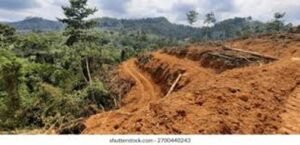
4.1 Unplanned Urbanization
Expansion of roads, buildings, and resorts in eco-sensitive zones may lead to the following:
- Increased landslide risk
- Loss of forest cover
- Damage to natural drainage systems
Proper land-use planning is essential to prevent environmental disasters.
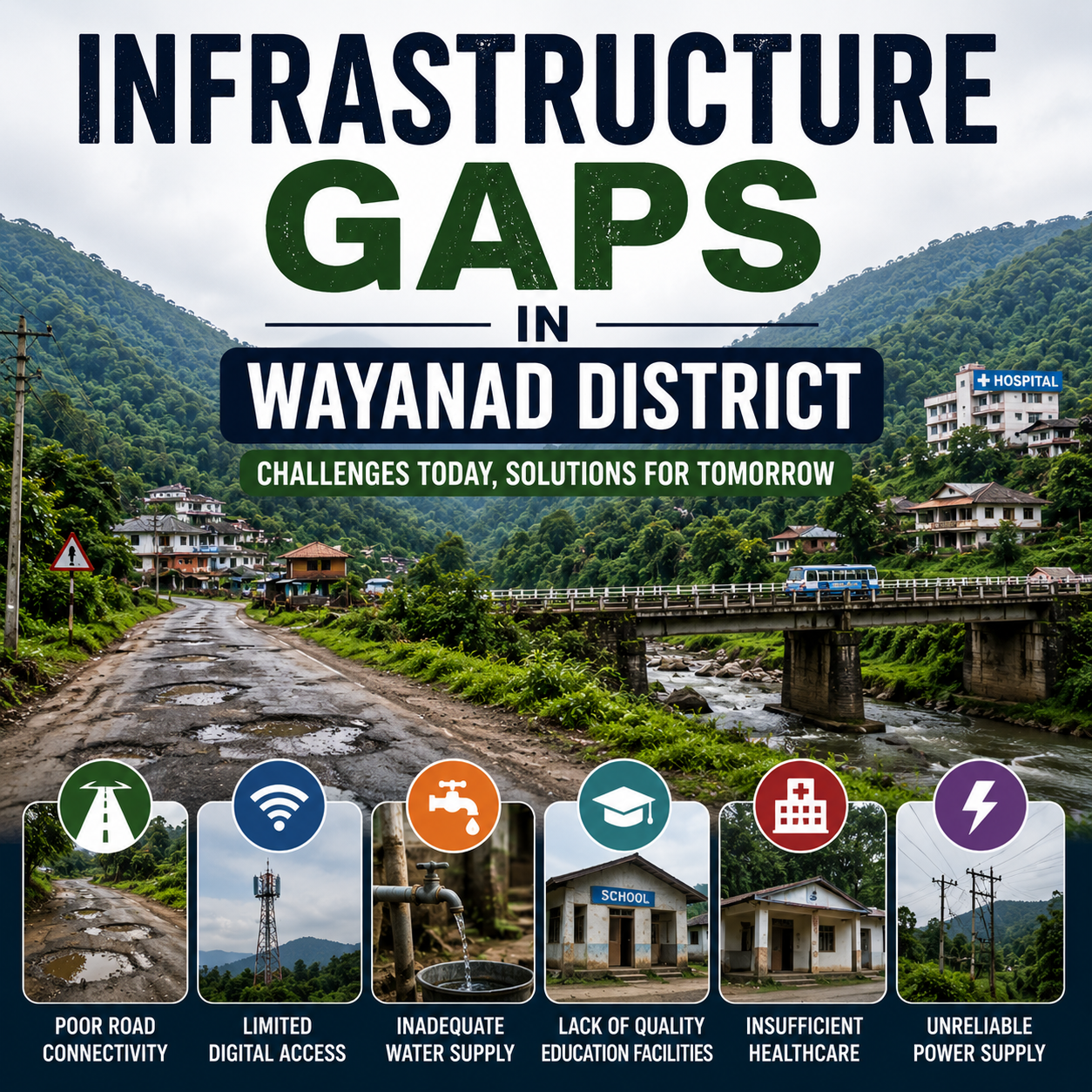
4.2 Transportation and Connectivity
Although infrastructure is improving, future challenges include:
- Maintaining roads in hilly terrain
- Preventing road accidents
- Ensuring safe travel during monsoons
4.3 Waste Management
With population growth and tourism, waste management will become a serious issue:
- Plastic pollution
- Improper disposal of waste in forests and rivers
- Lack of recycling systems
- Proposed Solutions for Sustainable Development
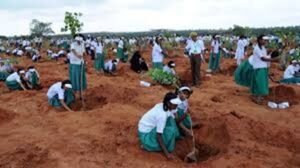
5.1 Environmental Protection Measures
To address ecological challenges, the following steps are necessary:
- Strict control of forest encroachment
- Afforestation and reforestation programs
- Protection of wildlife corridors
- Scientific land-use planning
These measures will help preserve biodiversity and reduce disaster risks.
5.2 Disaster Management and Preparedness

Improving disaster resilience is crucial:
- Early warning systems for landslides and floods
- Real-time weather monitoring
- Safe relocation from high-risk zones
- Strengthening emergency response teams
Preparedness can significantly reduce loss of life and property.
5.3 Sustainable Agriculture Practices
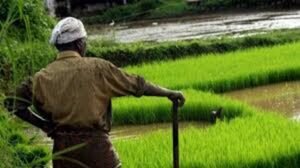
To support farmers:
- Promotion of climate-resilient crops
- Organic and sustainable farming methods
- Crop insurance schemes
- Better irrigation and soil conservation
These measures can improve agricultural stability.
5.4 Regulated Tourism Development
Tourism must be balanced with environmental protection.
- Eco-tourism models
- Limits on construction in sensitive zones
- Proper waste management systems
- Awareness programs for tourists
Sustainable tourism can benefit both the economy and the environment.
5.5 Strengthening Tribal Welfare
Improving tribal development requires:
- Secure land rights
- Better education and healthcare facilities
- Skill development programs
- Support for traditional livelihoods
5.6 Infrastructure Planning
Future development should focus on:
- Environment-friendly road construction
- Safe building practices in hilly areas
- Improved public transport systems
- Smart waste management systems
- Role of Government and Community
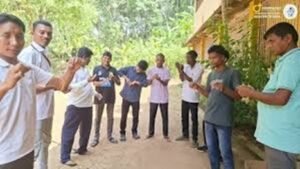
The government plays a key role in planning and regulation, but community participation is equally important. Local people, NGOs, and environmental groups must work together to ensure sustainable development.
Public awareness about environmental protection, disaster preparedness, and responsible tourism is essential for long-term progress.
- Conclusion
The Wayanad district stands at a critical point where development and environmental protection must be carefully balanced. While the region has great potential for tourism, agriculture, and cultural development, it also faces serious ecological vulnerabilities.
Future challenges such as climate change, landslides, forest degradation, and socio-economic inequality require urgent attention. However, with proper planning, scientific management, and community participation, these challenges can be addressed effectively.
Sustainable development is the only way forward to ensure that Wayanad remains both environmentally rich and economically stable for future generations.