
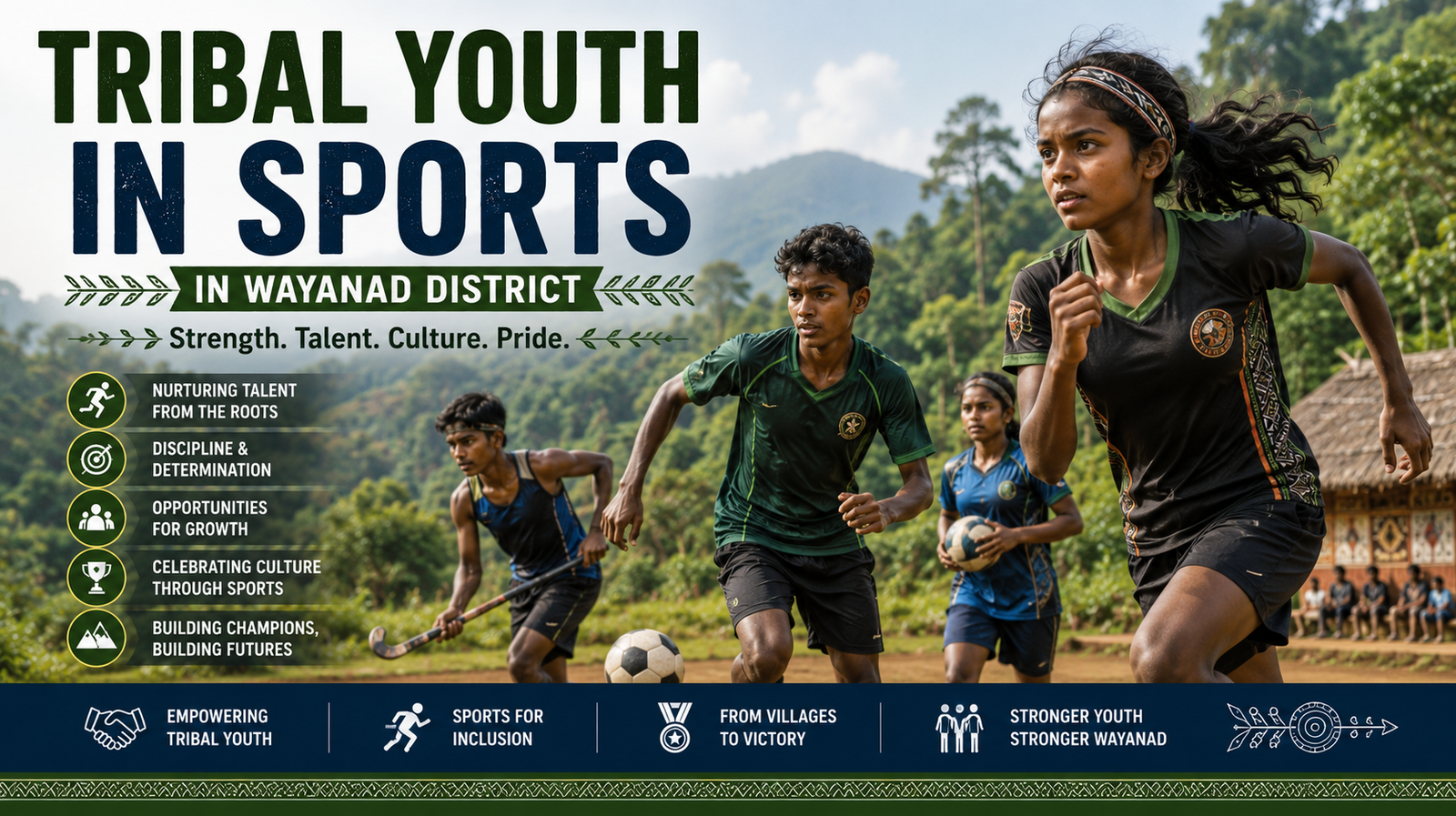
The Wayanad district, located in the scenic Western Ghats, is home to several indigenous tribal communities. These communities have preserved their unique traditions, culture, and connection with nature for centuries. Among their many activities, sports and physical games hold an important place, especially among tribal youth. Participation in sports not only nurtures talent but also strengthens health, discipline, and social cohesion among the younger generation.
Historical Context
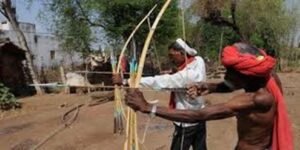
The tribal population in Wayanad includes groups such as the Paniyas, Kurumas, Kattunayakans, and Adiyas. Traditionally, their daily life involved physically demanding tasks like farming, hunting, and gathering forest resources, which naturally built stamina and agility among youth. Many of these physical skills evolved into traditional games and sports, such as archery, spear throwing, and tribal races.
- Sports were part of festivals and rituals
- Youth developed physical fitness through play and work
- These activities fostered community bonding
Over time, the influence of modern sports like football, volleyball, and athletics reached tribal schools and villages, creating a blend of traditional and contemporary sporting culture.
Popular Sports Among Tribal Youth
- Traditional Sports
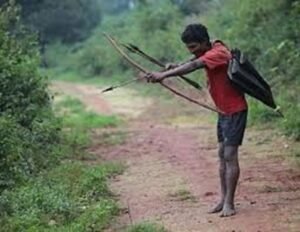
Tribal youth in Wayanad actively participate in traditional sports, which are a reflection of their culture and survival skills.
- Archery and spear throwing: Developed from hunting traditions
- Kabaddi and tug-of-war: Played during festivals and social gatherings
- Races and endurance games: Often held on hilly or uneven terrain
These sports not only enhance physical strength but also preserve the cultural heritage of Wayanad’s tribes.
- Modern Sports
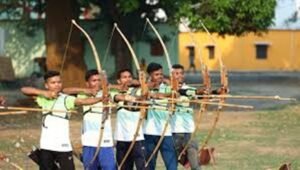
With the introduction of schools and youth programmes, modern sports have become popular among tribal youth.
- Football: Played in village grounds and school fields
- Volleyball and badminton: Accessible and popular in community centers
- Athletics: Track and field competitions in schools
Football, in particular, has become a common passion, helping tribal youth interact with other communities and participate in district-level competitions.
Role of Schools and Government Programs
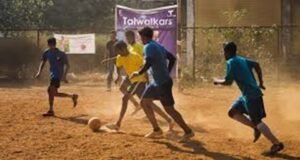
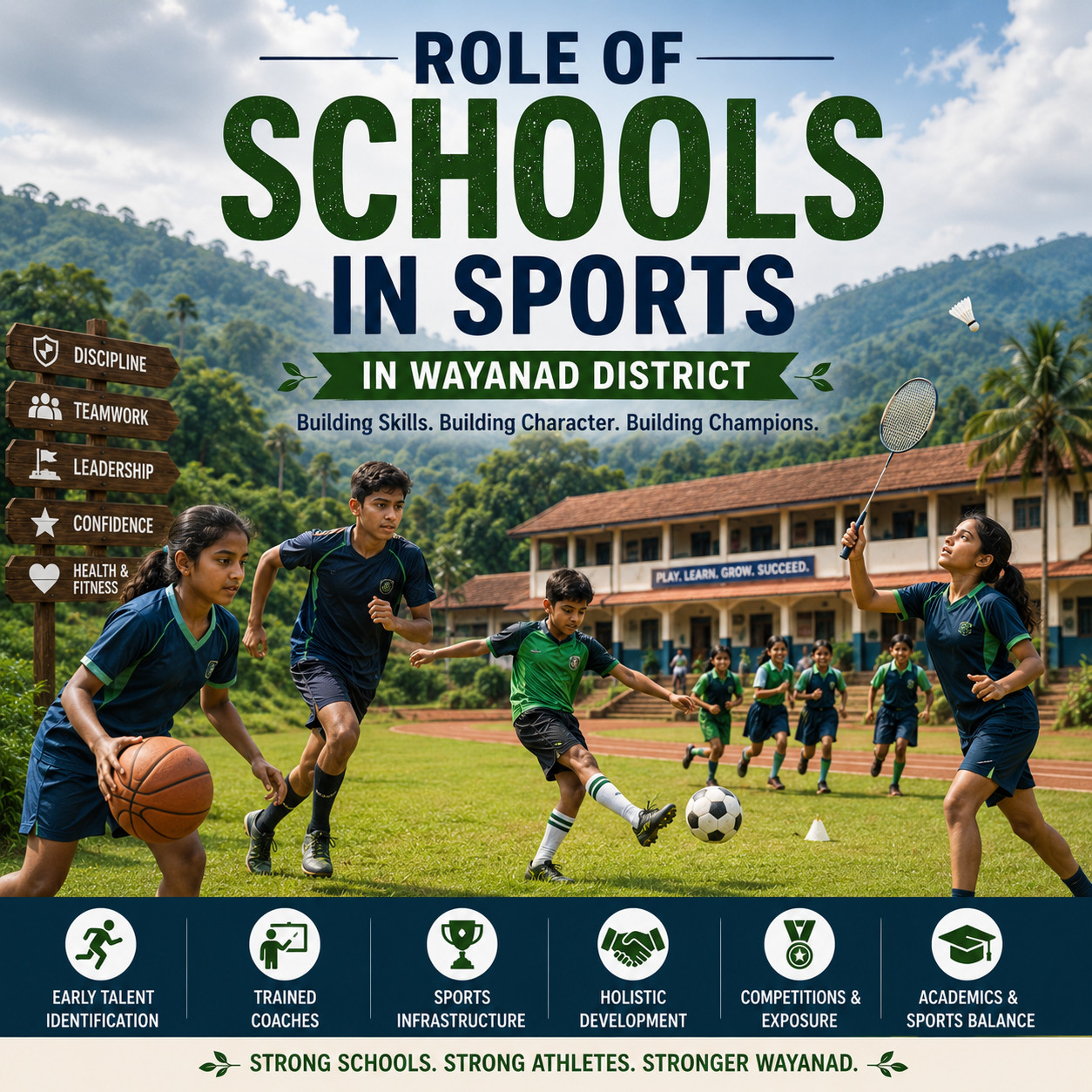
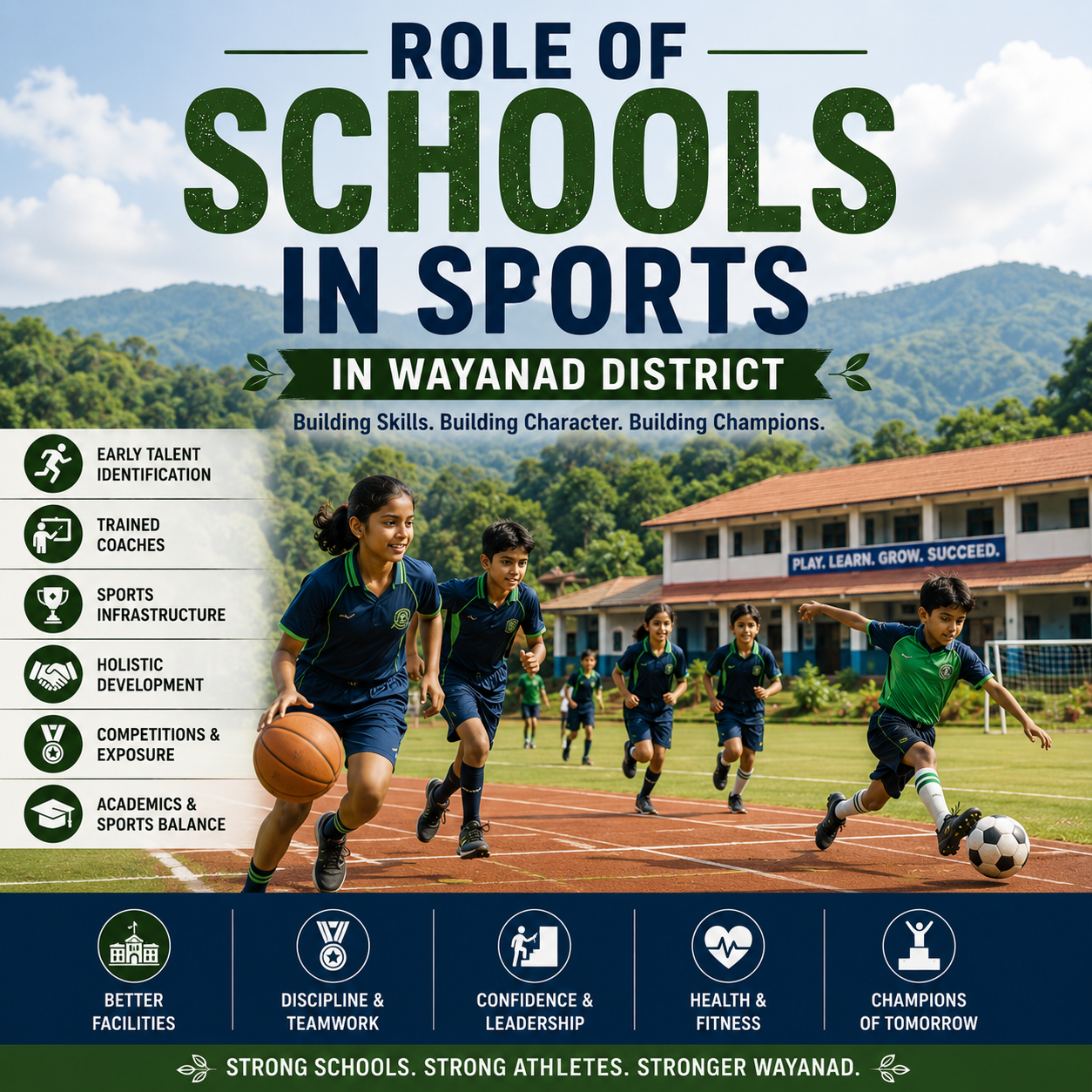
Educational institutions play a key role in promoting sports among tribal youth.
- Schools include sports in their curriculum
- Inter-school and inter-district competitions are conducted
- Talented tribal youth are identified and supported for higher-level training
Government programs, such as talent scouting camps and sports scholarships, encourage participation and help bridge the gap between tribal and non-tribal students. These initiatives also aim to improve health, confidence, and social mobility.
Sports and Social Development
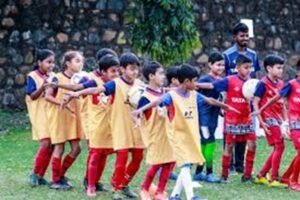
Participation in sports has several social benefits for tribal youth:
- Promotes teamwork and leadership: Youth learn to work together in teams
- Improves social integration: Interaction with other communities builds confidence
- Encourages discipline and responsibility: Regular practice and competitions instill self-discipline
Sports also provide a positive outlet for energy, reducing social issues and promoting healthy lifestyles among tribal youth.
Achievements and Recognition
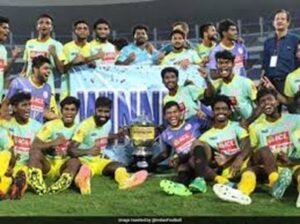
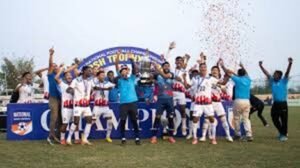
Many tribal youth from Wayanad have achieved recognition at district, state, and even national levels:
- Football and athletics players have represented the district in tournaments
- Tribal archers and athletes have won competitions in Kerala-level events
- Recognition motivates other youth to participate actively in sports
Such achievements highlight the talent and potential of Wayanad’s tribal communities, making sports an important tool for empowerment.
Challenges Faced by Tribal Youth in Sports
Despite enthusiasm, tribal youth face several challenges:
- Limited infrastructure: Many villages lack proper playgrounds and equipment
- Financial constraints: Families may not afford sports gear or training
- Limited exposure: Fewer opportunities to compete in professional or national tournaments
- Cultural barriers: Some traditional communities are hesitant to adopt modern sports
Addressing these challenges requires government support, NGO initiatives, and community involvement.
Role of NGOs and Community Organizations
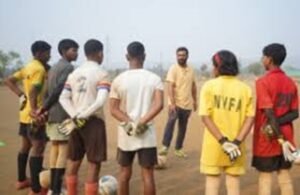
Several NGOs and local organisations support tribal youth in sports:
- Conduct coaching and training programs
- Provide equipment and facilities
- Organize tournaments and competitions for exposure
Community clubs also encourage participation in both traditional and modern sports, ensuring that tribal youth continue to enjoy and excel in sporting activities.
Future Prospects
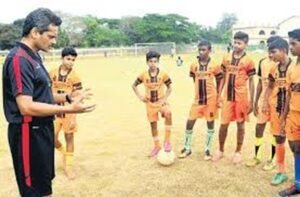
The future of tribal youth in sports in Wayanad looks promising:
- Increasing access to sports facilities: New school grounds and community fields are being developed
- Exposure to professional training: Programs by district sports councils and NGOs
- Balanced blend of traditional and modern sports: Preserving culture while embracing contemporary games
With continued support, tribal youth in Wayanad can achieve excellence in sports, promote cultural heritage, and inspire the next generation.
Conclusion
In conclusion, sports play a vital role in the life of tribal youth in the Wayanad district. From traditional games like archery and kabaddi to modern sports like football and volleyball, participation strengthens physical fitness, social cohesion, and cultural identity. Despite challenges, government initiatives, schools, NGOs, and community support are helping tribal youth thrive in sports. Their achievements not only empower them individually but also uplift their communities, ensuring that the rich tribal heritage of Wayanad continues to flourish through sports.