
Waste management refers to the collection, transportation, processing, recycling, and safe disposal of waste materials. It plays a crucial role in maintaining environmental cleanliness, public health, and sustainable development.
Wayanad district, located in the ecologically sensitive Western Ghats region of Kerala, is known for its forests, agriculture, tourism, and tribal settlements. Although it is less urbanized compared to other districts, Wayanad is increasingly facing serious waste management challenges due to population growth, tourism expansion, changing lifestyles, and lack of proper infrastructure.
Improper waste disposal in such a fragile ecosystem can lead to water pollution, soil contamination, wildlife disturbance, and public health risks.
- Sources of Waste in Wayanad
Waste in Wayanad is generated from multiple sources:
2.1 Household Waste
- Food waste, plastics, packaging materials
- Increasing use of disposable items
- Lack of proper segregation at source
2.2 Tourism Waste
- Plastic bottles, food wrappers, and hotel waste
- Waste accumulation in tourist hotspots like waterfalls and viewpoints
- Seasonal waste spikes during holidays
2.3 Agricultural Waste
- Crop residues, banana stems, coffee husks
- Use of chemical fertilizers and pesticide containers
- Improper disposal of farm waste
2.4 Commercial Waste
- Shops, markets, hotels, and resorts generate non-biodegradable waste
- Construction and demolition waste in growing towns
2.5 Biomedical Waste
- Small clinics and health centers produce medical waste
- Requires safe handling, which is sometimes inadequate in rural areas
- Current Waste Management System in Wayanad

Wayanad has local self-government bodies responsible for waste management. Systems include:
- Door-to-door waste collection in some panchayats
- Haritha Karma Sena workers for plastic waste collection
- Small-scale composting units for organic waste
- Material Collection Facilities (MCFs) in towns
Despite these efforts, the system is not fully efficient, especially in remote and forest areas.
- Major Waste Management Issues
4.1 Lack of Proper Segregation
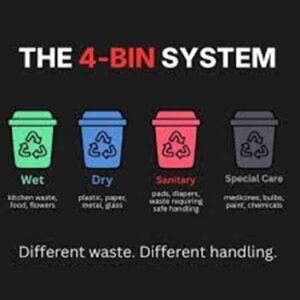
One of the biggest problems is poor segregation of waste at the household level.
- Organic and plastic waste are often mixed
- Recycling becomes difficult
- Waste processing centers become overloaded
👉 This reduces the effectiveness of recycling systems.
4.2 Inadequate Infrastructure
Wayanad lacks sufficient modern waste processing facilities.
- Limited number of treatment plants
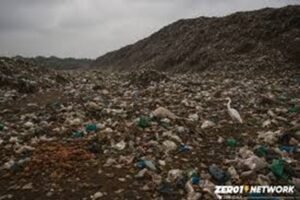
- Insufficient landfill and composting facilities
- Transport challenges due to hilly terrain
👉 Remote villages often remain outside formal waste systems.
4.3 Plastic Pollution
Plastic waste is a growing concern in Wayanad.
- Single-use plastics are widely used
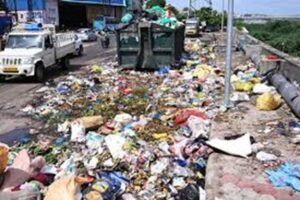
- Littering in forests, roadsides, and rivers
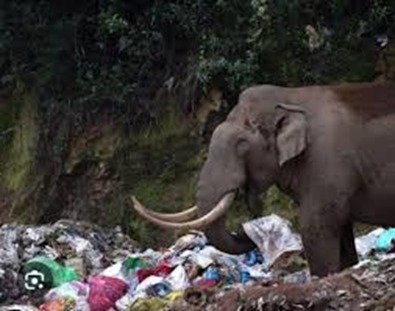
- Harm to wildlife, especially elephants and smaller animals
👉 Plastic pollution is visible in tourist-heavy areas.
4.4 Tourism-Driven Waste
Tourism contributes significantly to waste generation.
- Resorts and homestays produce large amounts of waste
- Visitors often leave behind plastic bottles and food wrappers
- Waste management systems struggle during peak tourist seasons
👉 Popular eco-tourism spots face cleanliness challenges.
4.5 Illegal Dumping and Open Waste Burning
Improper disposal methods are still practiced in some areas.
- Dumping waste in vacant lands or forest edges
- Burning of plastic waste causing air pollution
- Lack of enforcement in remote regions
👉 This directly affects soil, air, and water quality.
4.6 Water Pollution
Waste mismanagement leads to contamination of water sources.
- Waste enters rivers and streams
- Leachate from dumpsites pollutes groundwater
- Agricultural fields are affected by contaminated runoff
👉 This is critical because Wayanad depends heavily on natural water sources.
4.7 Impact on Wildlife
Wayanad is part of a biodiversity-rich region, so waste affects wildlife.
- Animals ingest plastic waste accidentally
- Habitat degradation due to dumping
- Human-wildlife conflict increases due to attracted garbage
4.8 Lack of Awareness
Public awareness remains a major challenge.
- Improper waste disposal habits
- Limited understanding of segregation
- Low participation in recycling programs
- Impact of Waste Management Issues

5.1 Environmental Impact
- Soil contamination
- Water pollution in rivers and wells
- Loss of biodiversity
5.2 Health Impact
- Spread of diseases due to unhygienic conditions
- Air pollution from burning waste
- Contaminated drinking water risks
5.3 Economic Impact
- Negative effect on tourism industry
- Increased government spending on cleanup
- Loss of agricultural productivity in polluted areas
- Role of Government and Local Bodies
The government and local self-government institutions are working to improve waste management through:
- Haritha Kerala Mission initiatives
- Haritha Karma Sena door-to-door collection system
- Plastic waste management campaigns
- Awareness programs in schools and communities
- Promotion of biodegradable products
Recent statewide efforts also focus on making Kerala a waste-free state through decentralized waste management systems.
- Role of NGOs and Community Participation
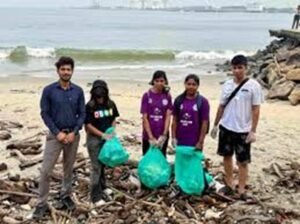
NGOs and local communities play an important role:
- Conducting clean-up drives in tourist areas
- Awareness campaigns on plastic reduction
- Supporting eco-friendly tourism practices
- Training households on waste segregation
👉 Community participation is essential for success.
- Challenges in Improving Waste Management
8.1 Geographic Barriers
- Remote tribal settlements are difficult to access
- Hilly terrain complicates transport
8.2 Financial Limitations
- High cost of waste treatment infrastructure
- Limited funding for rural areas
8.3 Behavioral Issues
- Resistance to waste segregation
- Continued use of plastic products
8.4 Enforcement Gaps
- Weak monitoring in remote areas
- Illegal dumping still occurs
- Solutions and Suggestions
9.1 Strengthening Segregation
- Strict enforcement of waste segregation rules
- Household-level awareness programs
9.2 Improving Infrastructure
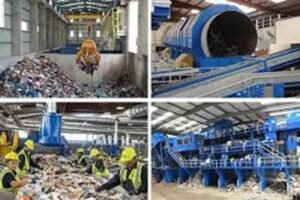
- More composting and recycling units
- Better transport systems for waste collection
9.3 Promoting Eco-Friendly Tourism
- Plastic-free tourism zones
- Strict rules for resorts and visitors
9.4 Community Engagement
- School-based environmental education
- Local clean-up movements
9.5 Technology Use
- Smart waste tracking systems
- Waste-to-energy initiatives
- Conclusion
Waste management in Wayanad district is a growing environmental challenge that requires urgent attention. Although the district benefits from government initiatives and community efforts, issues like poor segregation, plastic pollution, tourism waste, and lack of infrastructure continue to affect the environment.
Since Wayanad is an ecologically sensitive region, improper waste disposal can have long-term consequences on its forests, wildlife, water resources, and public health.
A sustainable solution requires a combined effort from the government, local bodies, NGOs, tourists, and residents. With proper awareness, infrastructure development, and responsible behavior, Wayanad can move towards a cleaner and more sustainable future.