

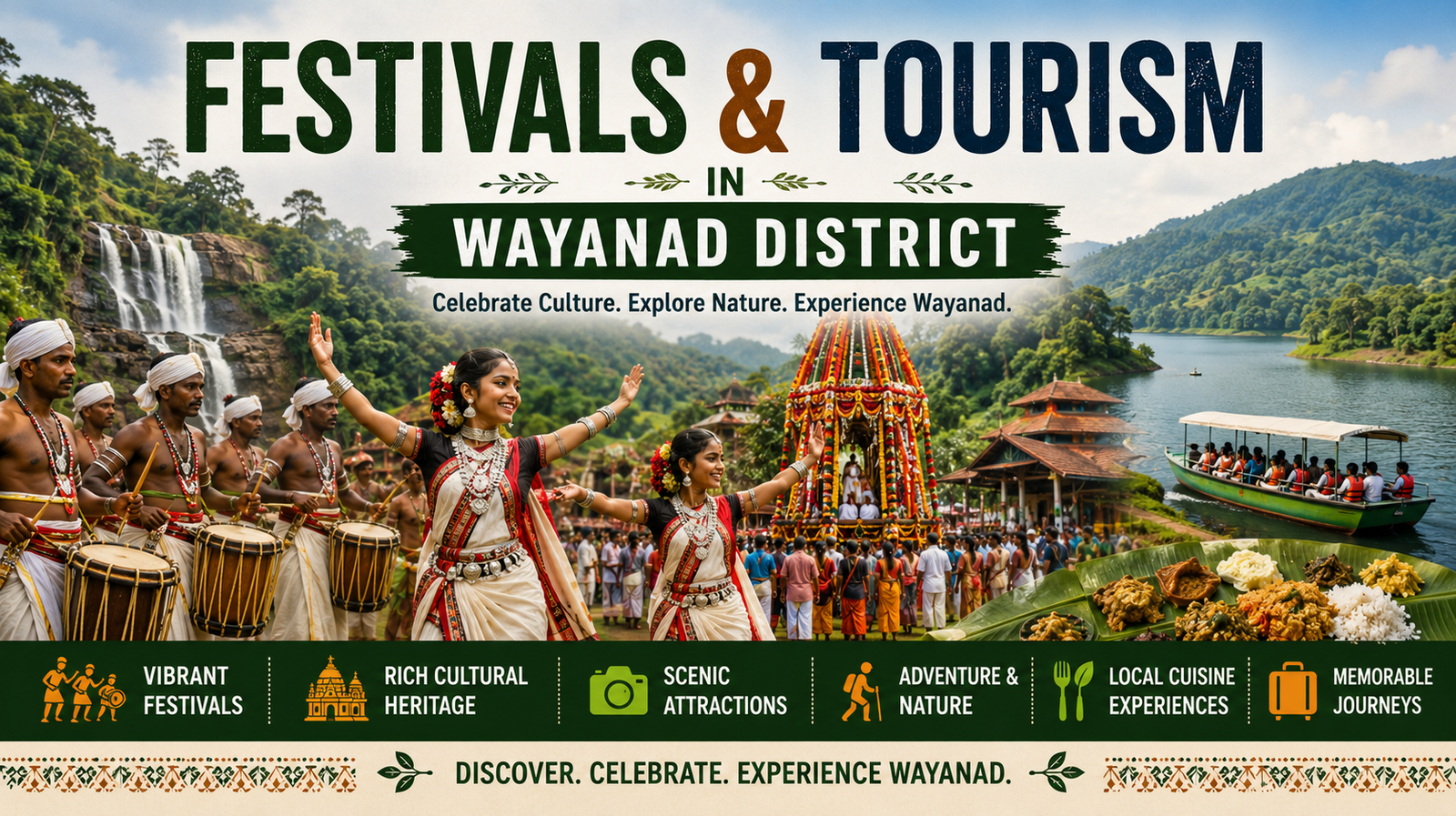
Wayanad is one of the most beautiful and culturally rich districts in the state of Kerala, India. Located in the north-eastern part of Kerala, Wayanad lies in the Western Ghats and is known for its lush greenery, misty mountains, dense forests, and rich tribal heritage. Often referred to as the “Land of Paddy Fields”, the name Wayanad is derived from the Malayalam words “Vayal” (paddy field) and “Nadu” (land).
The district is a popular tourist destination because of its pleasant climate, natural beauty, wildlife, and historical significance. At the same time, Wayanad is culturally vibrant, with a variety of festivals celebrated by people belonging to different religions and tribal communities.
Tourism in Wayanad
- Natural Beauty and Landscape
Wayanad is famous for its scenic landscapes, rolling hills, and evergreen forests. The district lies at an altitude ranging from 700 to 2100 metres above sea level, making it one of the few hill stations in Kerala.
The region is characterised by the following:
- Mist-covered mountains
- Dense forests and wildlife sanctuaries
- Rivers and waterfalls
- Tea, coffee, and spice plantations
The natural environment of Wayanad provides a refreshing escape from urban life, attracting thousands of tourists every year.
- Major Tourist Attractions
- a) Wildlife and Nature Tourism
Wayanad is home to the Wayanad Wildlife Sanctuary, which is part of the Nilgiri Biosphere Reserve. It is known for its rich biodiversity and is inhabited by elephants, tigers, leopards, deer, and many species of birds.
- b) Historical and Archaeological Sites

One of the most important attractions is the Edakkal Caves, which contain ancient rock engravings dating back to the Neolithic age. These carvings provide evidence of early human civilisation in the region.
- c) Hill Stations and Trekking

Wayanad offers excellent trekking opportunities, especially at Chembra Peak, the highest peak in the district. Trekking enthusiasts are attracted by its scenic beauty and the famous heart-shaped lake along the trail.
- d) Lakes and Waterfalls
Tourists can enjoy boating and relaxation at places like the following:
- Pookode Lake
- Banasura Sagar Dam (largest earthen dam in India)
- Meenmutty and Soochipara waterfalls
These locations enhance the eco-tourism value of Wayanad.
- Adventure and Eco-Tourism

Wayanad is a hub for ecotourism and adventure activities such as the following:
- Trekking and hiking
- Wildlife safaris
- Bamboo rafting
- Camping and treehouse stays
Tourism in Wayanad is closely connected with nature, and many activities are designed to promote environmental conservation and sustainable tourism.
- Tribal Culture and Heritage
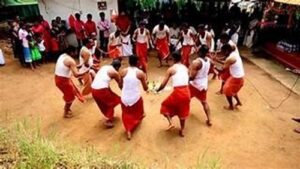
Wayanad has a significant tribal population, including communities such as:
- Paniyas
- Kurichiyas
- Adiyas
- Kurumas
These communities have preserved their traditional lifestyles, art forms, and rituals. Cultural performances such as Thudi, Kolkali, and Gadhika reflect the unique heritage of the region.
Tourists often visit tribal villages and museums to understand their way of life, which adds a cultural dimension to tourism.
- Climate and Best Time to Visit
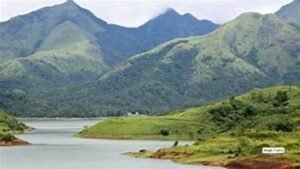
Wayanad enjoys a pleasant climate throughout the year:
- Summer (March–May): Warm but suitable for sightseeing
- Monsoon (June–September): Heavy rainfall, ideal for nature lovers
- Winter (October–February): Best time for tourism
The cool climate and greenery during monsoon make Wayanad especially attractive.
Festivals in Wayanad
Festivals in Wayanad reflect the religious diversity and cultural richness of the region. People celebrate Hindu, Christian, and Muslim festivals with great enthusiasm.
- Major Religious Festivals
- a) Karthigai Festival
Karthigai is a traditional festival of lights celebrated in Wayanad. People light oil lamps in their homes and participate in rituals involving bonfires. The entire region glows with lights, creating a festive atmosphere.
- b) Mahashivaratri
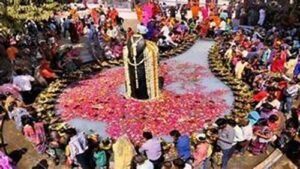
Mahashivaratri is one of the most important Hindu festivals celebrated in Wayanad. Devotees visit Shiva temples and observe fasting and night-long prayers.
- c) Thirunelli Festival
The Thirunelli Temple festival is a significant religious event held during Vishu (April). It is associated with rituals for ancestors and is attended by large numbers of devotees.
- d) Asthami Rohini
This festival marks the birth of Lord Krishna. It is celebrated with devotion, temple visits, and cultural programmes.
- Christian Festivals
- a) Christmas
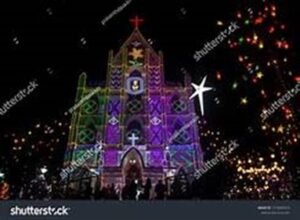
Christmas is widely celebrated in Wayanad with decorations, carol singing, and midnight mass in churches.
- b) Easter
Easter, marking the resurrection of Jesus Christ, is another important Christian festival observed with religious rituals and community gatherings.
- Muslim Festivals
Bakrid (Eid-ul-Adha)

Bakrid is celebrated by the Muslim community with prayers and feasting. People distribute food among relatives and the poor, emphasising charity and unity.
- Local Temple and Church Festivals
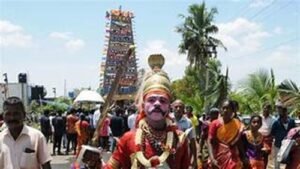
Wayanad also hosts many local festivals, such as:
- Valliyurkavu Temple Festival
- Seetha Devi Temple Festival
- Pallikkunnu Church Festival
- Nadavayal St Thomas Church Festival
These festivals include cultural programmes, processions, traditional music, and dance.
- Cultural and Tourism Festivals
Wayanad Vibes Festival

A recent addition, the Wayanad Vibes Festival, celebrates tribal heritage, music, and art. It is organised to promote tourism and showcase the cultural diversity of the district.
Bird Festival and Eco Events
Events like the Wayanad Bird Festival highlight biodiversity and environmental awareness, attracting nature enthusiasts and researchers.
Role of Festivals in Tourism
Festivals play a major role in promoting tourism in Wayanad:
- They attract domestic and international tourists
- They showcase local culture and traditions
- They support local economy and handicrafts
- They promote cultural exchange
Tourists visiting during festival seasons can experience authentic traditions, rituals, and local lifestyles.
Importance of Tourism in Wayanad

Tourism is an important sector in Wayanad’s economy. It provides employment opportunities in the following sectors:
- Hospitality (hotels, resorts, homestays)
- Transportation
- Handicrafts and local markets
- Eco-tourism initiatives
However, sustainable tourism practices are essential to protect the fragile ecosystem of the Western Ghats.
Conclusion
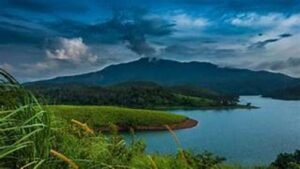
Wayanad is a unique destination that beautifully combines natural beauty, cultural richness, and traditional heritage. Its scenic landscapes, wildlife, historical sites, and vibrant festivals make it one of the most attractive tourist destinations in Kerala.
Festivals in Wayanad reflect unity in diversity, as people from different religions and communities celebrate together with joy and harmony. Tourism, on the other hand, highlights the ecological and cultural significance of the district.
In conclusion, Wayanad stands as a perfect example of how nature, culture, and tradition can coexist and contribute to a region’s identity and development.