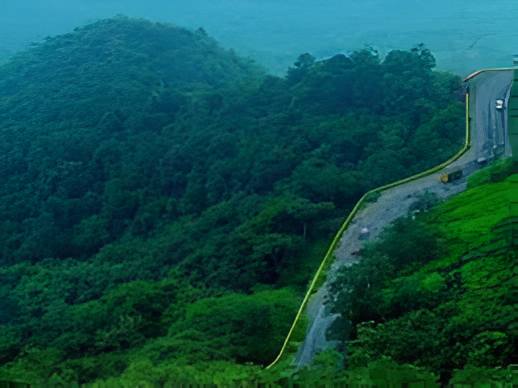

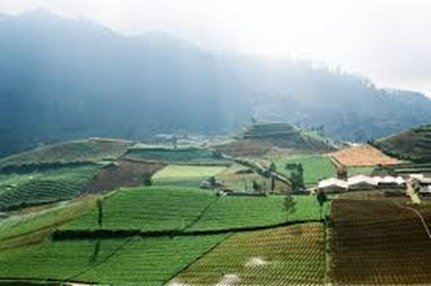
Wayanad district, located in the Western Ghats, is known for its rich biodiversity, hilly terrain, and agricultural economy. However, the district has increasingly faced frequent floods, especially during the monsoon season. These floods have caused significant damage to lives, property, agriculture, and infrastructure, making them one of the major environmental challenges in the region.
Flooding in Wayanad is often linked to heavy rainfall, landslides, and poor drainage systems, which together intensify the impact on both rural and urban communities.
Causes of Floods in Wayanad
- Heavy Monsoon Rainfall
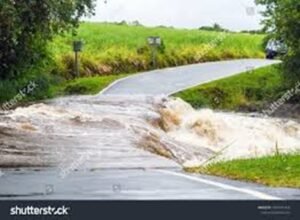
The primary cause of flooding in Wayanad is intense monsoon rainfall. During the southwest monsoon, the district receives heavy and continuous rains, leading to:
- Overflowing rivers and streams
- Waterlogging in low-lying areas
- Increased surface runoff
In recent years, rainfall patterns have become more unpredictable, with short bursts of extremely heavy rain, increasing the risk of flash floods.
- Hilly Terrain and Poor Drainage
Wayanad’s hilly landscape contributes significantly to flooding:
- Rainwater flows rapidly downhill, accumulating in valleys
- Narrow river channels overflow quickly
- Poor drainage infrastructure worsens water stagnation
This natural terrain makes certain regions highly vulnerable to flash floods.
- Landslides and Soil Erosion
Floods in Wayanad are often accompanied by landslides. When heavy rain loosens soil on steep slopes:
- Mud and debris block rivers and streams
- Sudden release of water leads to flash floods
- Soil erosion reduces land stability
This combination of floods and landslides increases the severity of disasters.
- Deforestation and Human Activities
Human activities have also contributed to flooding:
- Clearing forests for agriculture and construction
- Encroachment on riverbanks and floodplains
- Road construction in hilly areas
These activities reduce natural water absorption and increase surface runoff, worsening flood conditions.
Major Flood Events in Wayanad
Kerala Floods of 2018
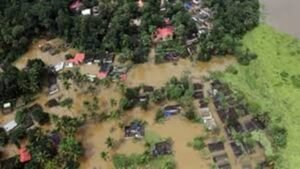
The 2018 Kerala floods, one of the worst disasters in the state’s history, had a severe impact on Wayanad:
- Heavy rainfall led to flooding and landslides
- Many villages were submerged or cut off
- Infrastructure such as roads and bridges was damaged
This event highlighted the vulnerability of Wayanad to extreme weather conditions.
Recent Flood Incidents (2019–2025)
Following 2018, Wayanad experienced repeated flooding events:
- 2019 and 2020 floods caused landslides and displacement
- Heavy rains in subsequent years triggered flash floods
- Flooding continues to occur during intense monsoon seasons
These repeated disasters show a pattern of increasing climate risk in the district.
Impact of Floods
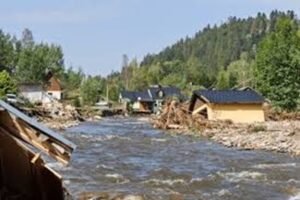
- Loss of Life and Property
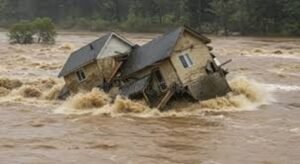
Floods have led to:
- Loss of human lives
- Destruction of houses and buildings
- Damage to personal belongings
Many families have been forced to relocate or rebuild their homes.
- Agricultural Damage
Agriculture is the backbone of Wayanad’s economy. Floods have severely affected:
- Crops like rice, coffee, tea, and spices
- Plantation areas washed away by water
- Soil fertility due to erosion
Farmers face huge economic losses and uncertainty.
- Infrastructure Damage
Floods damage essential infrastructure such as:
- Roads and bridges
- Electricity and communication networks
- Schools and public buildings
This disrupts daily life and delays development activities.
- Displacement and Relief Camps
Flood-affected people often move to:
- Relief camps set up in schools and community halls
- Temporary shelters with limited facilities
Displacement causes emotional stress and health risks for affected families.
- Health and Environmental Issues
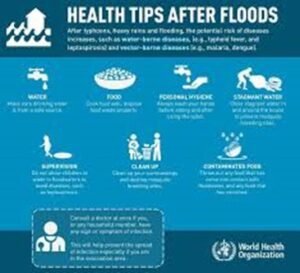
Floods create several health problems:
- Spread of waterborne diseases (cholera, dengue)
- Contamination of drinking water
- Increase in mosquito breeding
Environmental impacts include:
- Soil erosion
- Loss of biodiversity
- River pollution
Government and Community Response

Relief and Rescue Operations
During floods, authorities and rescue teams:
- Evacuate people from affected areas
- Provide food, water, and medical care
- Use boats and emergency services for rescue
Community volunteers also play a key role in supporting affected families.
Rehabilitation Measures
After floods, the government focuses on:
- Rebuilding houses and infrastructure
- Providing financial assistance
- Restoring agriculture and livelihoods
Long-term rehabilitation is essential for sustainable recovery.
Disaster Management Initiatives
Efforts are being made to improve disaster preparedness:
- Early warning systems
- Flood risk mapping
- Awareness programs for communities
These initiatives aim to reduce the impact of future floods.
Challenges in Flood Management
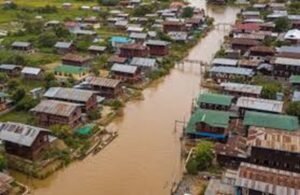
Despite efforts, several challenges remain:
- Limited infrastructure in remote areas
- Difficulty in predicting extreme rainfall
- Lack of awareness in vulnerable communities
- Environmental degradation
These challenges make flood management in Wayanad complex and ongoing.
Future Measures and Solutions

To reduce flood impact, the following steps are important:
- Sustainable Land Use
- Protect forests and natural vegetation
- Avoid construction in flood-prone areas
- Improved Drainage Systems
- Develop efficient drainage networks
- Maintain rivers and water channels
- Strengthening Infrastructure
- Build flood-resistant roads and buildings
- Improve connectivity in rural areas
- Community Awareness
- Educate people about disaster preparedness
- Conduct drills and training programs
- Climate Adaptation Strategies
- Monitor rainfall patterns
- Use technology for early warning systems
Conclusion
Floods in Wayanad district have become a recurring natural disaster, causing widespread damage to lives, livelihoods, and the environment. While natural factors like heavy rainfall and hilly terrain play a major role, human activities and climate change have intensified the problem.
With better planning, sustainable development, improved infrastructure, and strong community participation, Wayanad can reduce the impact of floods and build a more resilient and disaster-ready future.