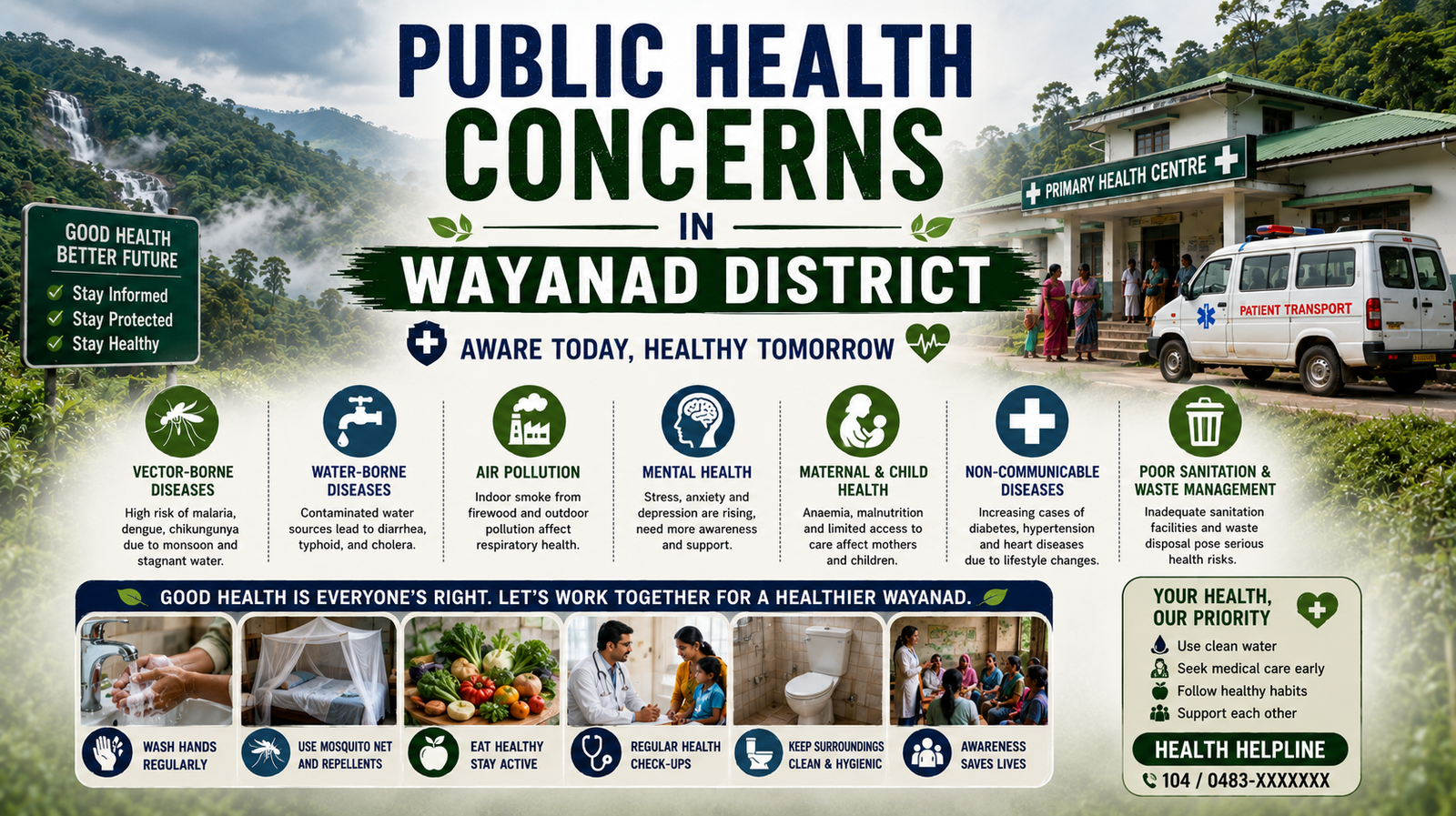

Wayanad district, located in the state of Kerala, is an ecologically sensitive region of the Western Ghats. It is known for its forests, biodiversity, agriculture, and tribal communities. At the same time, the district faces serious challenges such as forest encroachment, human–wildlife conflict, landslides, agricultural distress, and infrastructure limitations.
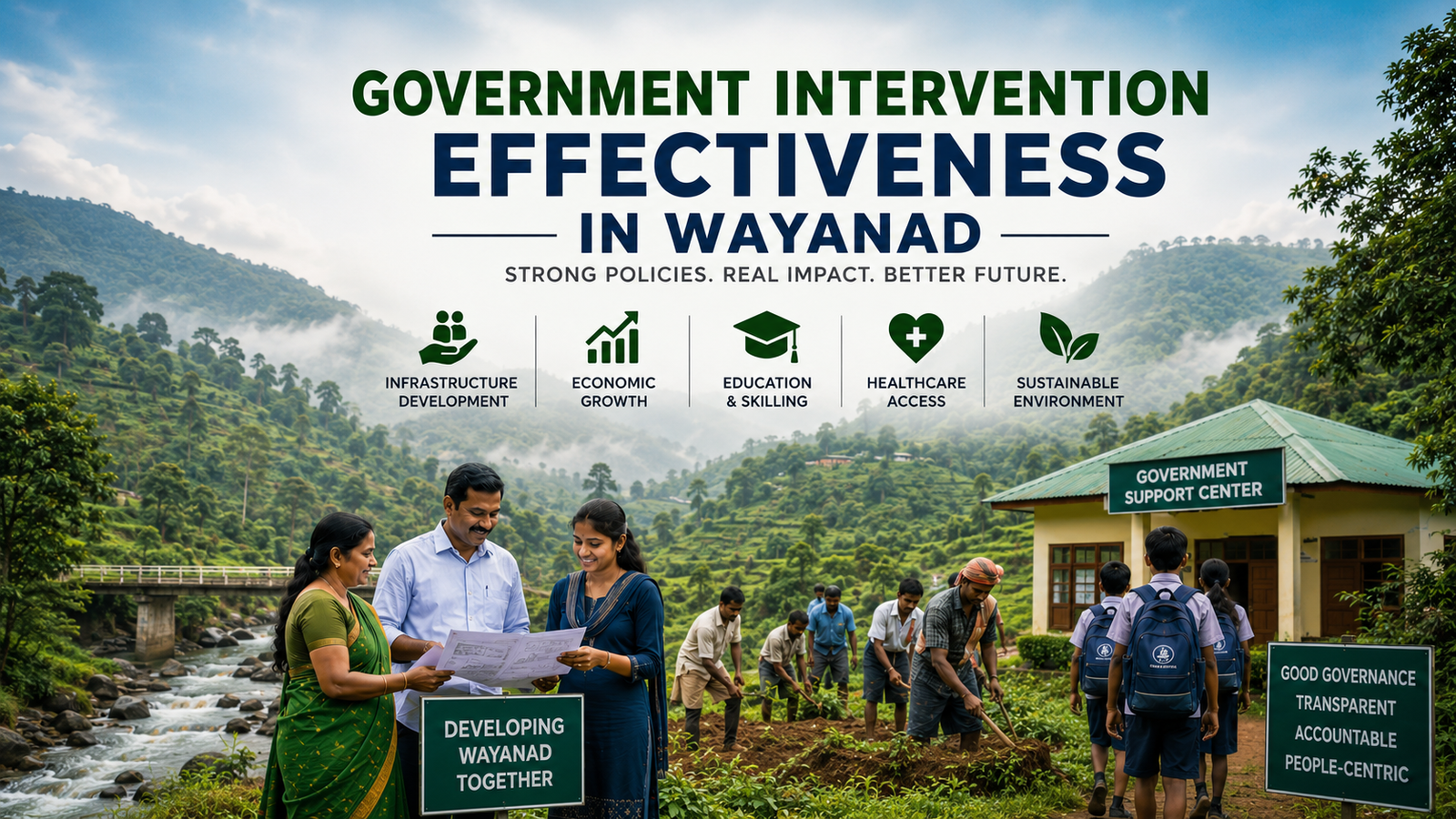
To address these issues, the government has implemented various policies, development programmes, environmental protection measures, and welfare schemes. However, the effectiveness of these interventions has been mixed due to geographical constraints, socio-economic conditions, and implementation challenges.
This article analyses how far government interventions have been effective in improving conditions in Wayanad.
- Key Areas of Government Intervention
2.1 Forest Protection and Environmental Management
One of the major government priorities in Wayanad is forest conservation. The Forest Department works to protect the large forest cover in the district, which still forms a significant part of its geography.
However, forest encroachment remains a long-standing issue. Large areas of forest land have been converted into plantations or settlements over decades, and complete recovery has been difficult. Reports show that thousands of hectares of forest land in Kerala, including Wayanad, still remain under encroachment, and eviction processes are slow due to legal and social complications.
At the same time, the Forest Department has increased surveillance, modernised equipment, and improved monitoring systems such as drones and patrol teams to reduce illegal activities and improve forest protection efforts.
Effectiveness: Moderate
- Positive: Improved monitoring and awareness
- Negative: Slow eviction and continuing encroachment issues
2.2 Addressing Human–Wildlife Conflict
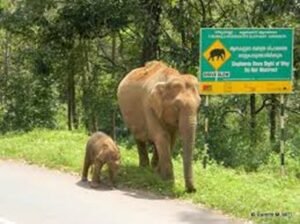
Human–wildlife conflict is one of the most serious issues in Wayanad due to its proximity to forests. Elephants, wild boars, and other animals often enter human settlements in search of food.
The government has implemented:
- Early warning systems
- Solar fencing in some areas
- Rapid response teams
- Awareness programs for farmers
However, conflicts continue due to fragmented forest areas, overgrown plantations, and limited buffer zones between human settlements and forests.
Effectiveness: Moderate to Low
- Some reduction in isolated areas
- But overall, conflict remains frequent
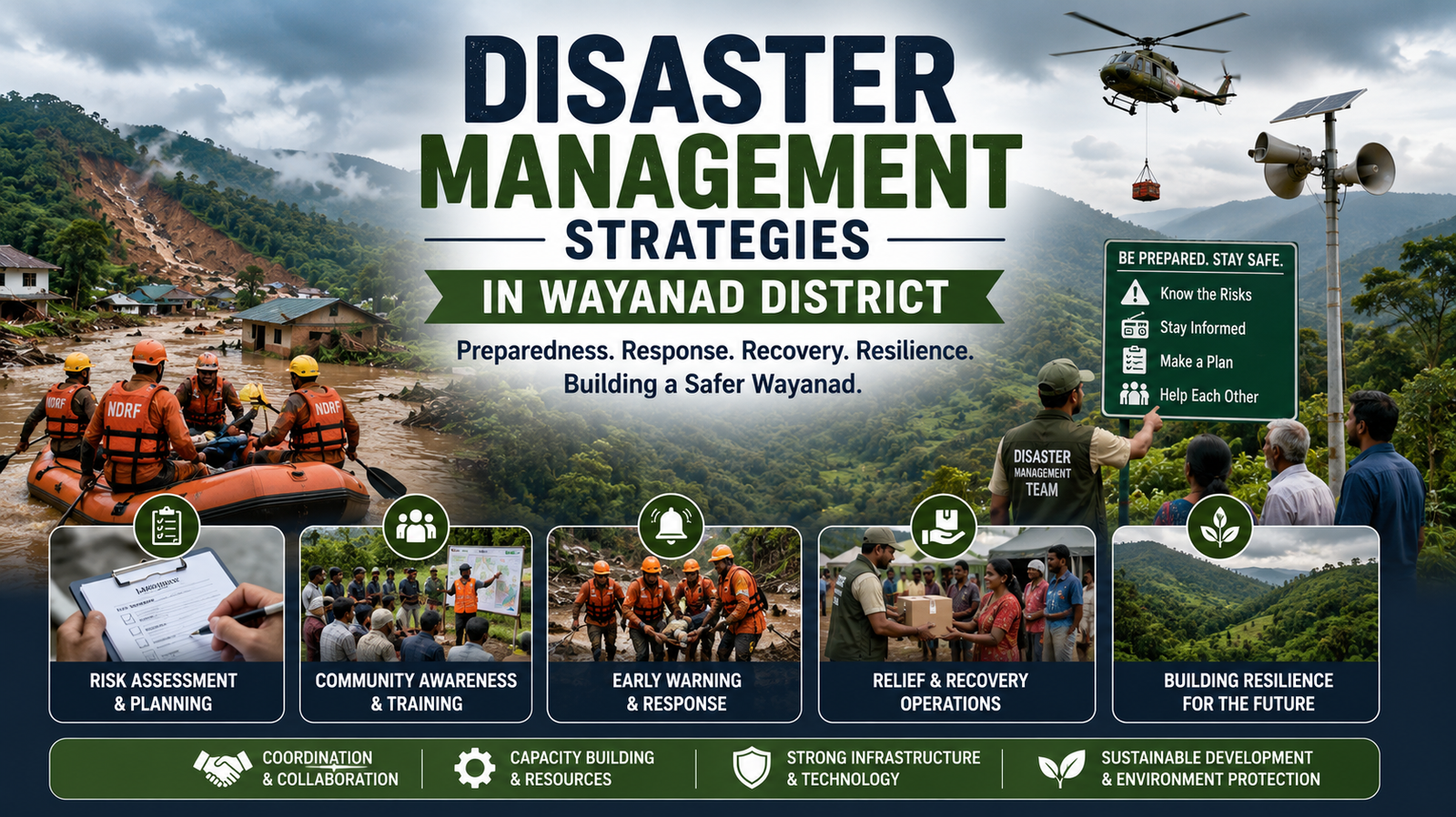
2.3 Disaster Management and Landslide Mitigation
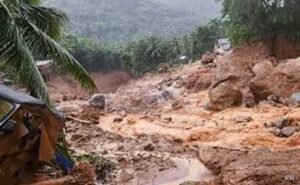
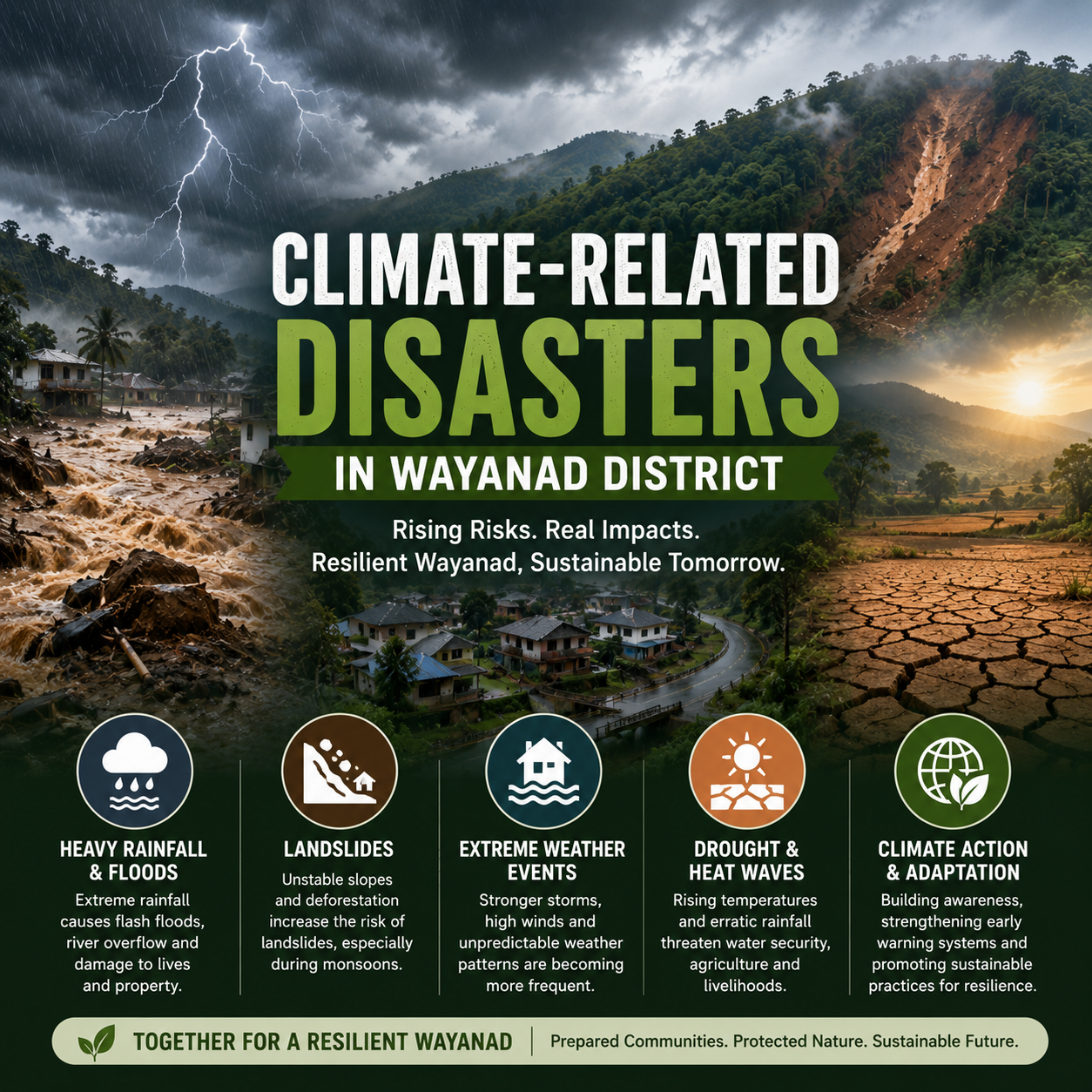
Wayanad is highly prone to landslides due to heavy rainfall, steep slopes, and land-use changes. The government has taken steps such as the following:
- Establishing disaster management authorities
- Issuing early warning alerts during monsoons
- Identifying landslide-prone zones
- Providing relief and rehabilitation after disasters
Despite these measures, major landslides in recent years have highlighted gaps in prevention strategies. Experts point out that unregulated construction, tourism development, and ecological sensitivity have increased risks.
Effectiveness: Moderate
- Stronger response system after disasters
- Weak prevention and land-use regulation enforcement
2.4 Tribal Welfare and Land Rights Implementation
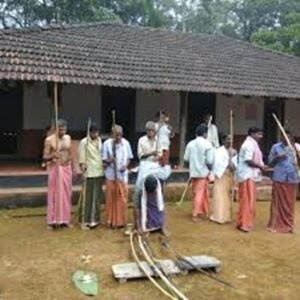
Wayanad has one of the highest tribal populations in Kerala. The government has implemented various schemes under forest rights and tribal welfare programmes to provide land rights, housing, and basic facilities.
Programmes under forest rights legislation have helped issue land titles and community rights to tribal populations. However, implementation has often been slow and uneven. Many tribal communities still face issues related to landlessness, poverty, and lack of infrastructure.
Effectiveness: Moderate
- Legal frameworks exist and are active
- Ground-level implementation remains incomplete
2.5 Agricultural and Rural Development
Agriculture is a major livelihood in Wayanad, especially crops like coffee, pepper, and rubber. Government support includes:
- Subsidies for farmers
- Agricultural extension services
- Crop insurance schemes
- Soil conservation programs
However, farmers still face challenges such as wildlife attacks on crops, fluctuating market prices, and climate-related risks. Many small farmers struggle to fully benefit from government schemes due to awareness and accessibility issues.
Effectiveness: Moderate
- Support systems exist
- But economic instability continues
2.6 Infrastructure and Tourism Regulation
Wayanad is a major tourism destination, and infrastructure development has increased significantly. The government has invested in:
- Road development projects
- Tourism promotion initiatives
- Eco-tourism projects
However, unregulated tourism development in some areas has led to environmental stress. Construction near ecologically sensitive zones has raised concerns among environmentalists.
Effectiveness: Moderate to Low
- Improves connectivity and economy
- But environmental sustainability concerns remain
- Major Challenges in Government Intervention
Despite multiple efforts, several challenges affect policy effectiveness:
3.1 Ecologically Sensitive Terrain
The hilly geography and fragile ecosystem make development and enforcement difficult.
3.2 Conflicting Interests
Development needs often conflict with environmental protection.
3.3 Encroachment and Land Issues
Long-standing settlements and legal disputes make eviction and land recovery difficult.
3.4 Limited Resources
Forest and disaster management departments often face manpower and equipment shortages.
3.5 Awareness and Participation Gaps
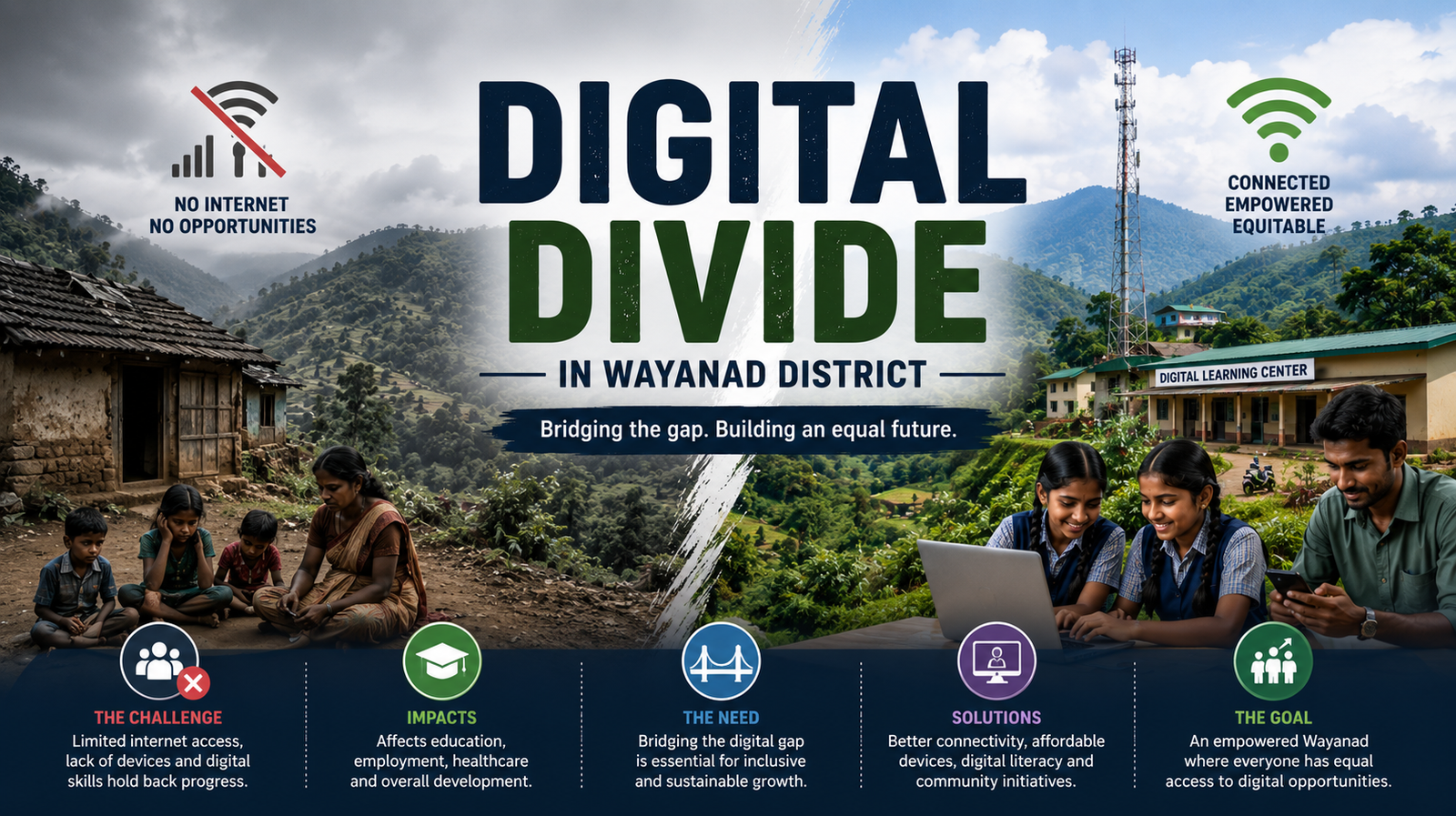
Public awareness of safety and environmental rules is still limited in rural areas.
- Overall Assessment of Effectiveness
Government interventions in Wayanad show a mixed level of effectiveness:
- Strong in policy creation and planning
- Moderate in implementation and enforcement
- Weak in long-term sustainability and prevention
While progress has been made in areas like disaster response, forest monitoring, and tribal welfare, challenges such as encroachment, human–wildlife conflict, and environmental degradation continue to persist.
- Suggestions for Improvement

To improve effectiveness, the following measures are important:
5.1 Stronger Environmental Enforcement
Strict action against illegal encroachment and unregulated construction.
5.2 Better Land-Use Planning
Scientific zoning of eco-sensitive areas.
5.3 Improved Community Participation
Involving local communities in conservation and planning.
5.4 Advanced Technology Use
Satellite monitoring, AI-based alerts, and digital land records.
5.5 Sustainable Tourism Development
Eco-friendly tourism with strict environmental guidelines.
- Conclusion
Government intervention in Wayanad has played an important role in addressing environmental, social, and economic challenges. However, the effectiveness of these interventions remains limited due to the region’s ecological sensitivity and complex socio-economic conditions.
A balanced approach that combines development with environmental protection and community participation is essential for the long-term sustainability of Wayanad district.