
1.Introduction — What Is Human‑Wildlife Conflict?
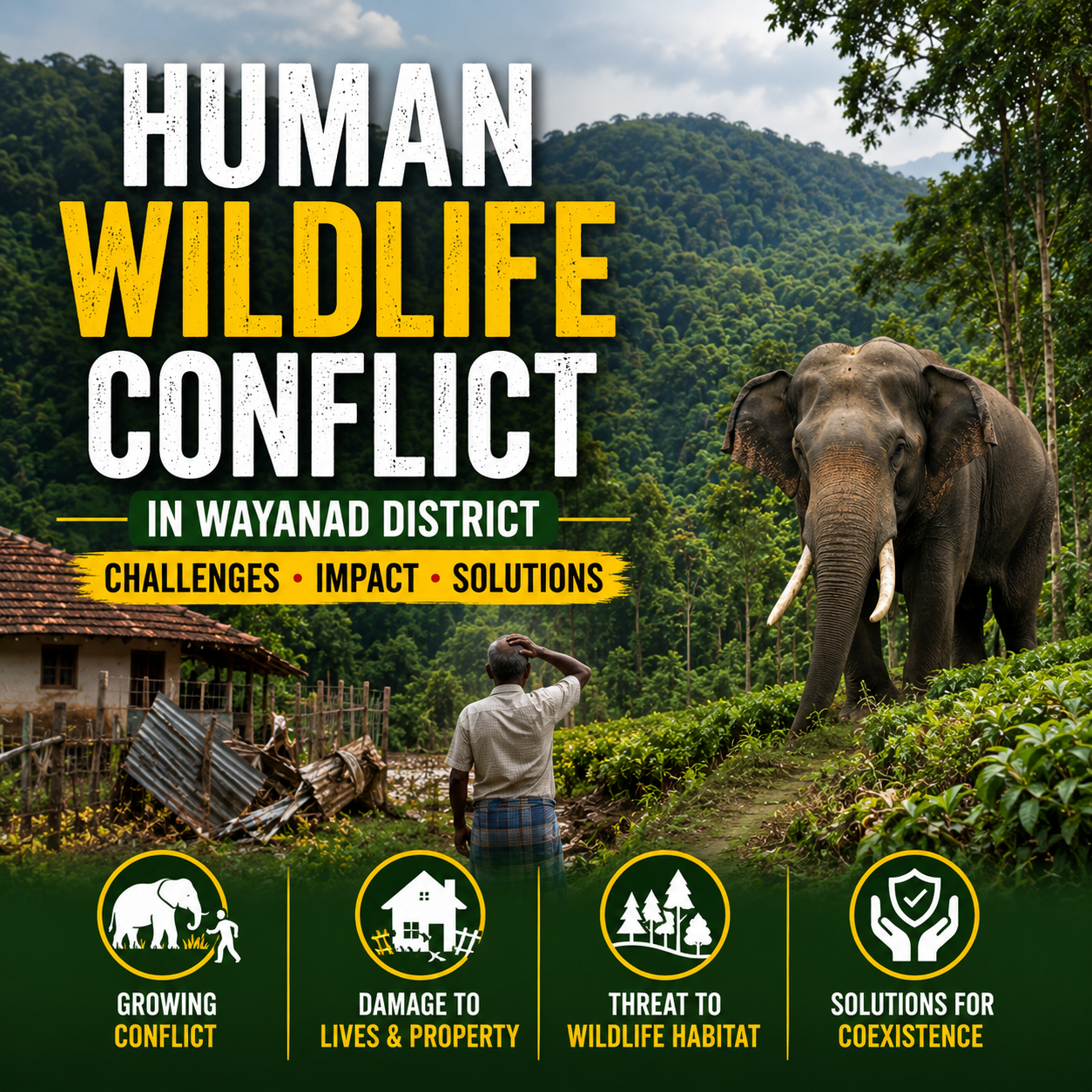
Human‑wildlife conflict (HWC) refers to interactions between people and wild animals that result in negative outcomes — injuries or loss of human life, crop and property damage, livestock loss, and occasionally harm to wildlife. In ecologically rich areas like Wayanad, where forests and human settlements are interspersed, such conflicts have become increasingly common. The district lies in the Western Ghats, a global biodiversity hotspot, home to large mammals such as elephants, tigers, leopards, wild boars, and gaur (Indian bison). These species naturally roam across forest borders into areas where people live, work, and farm.
2.Why Is Wayanad a Conflict Hotspot?
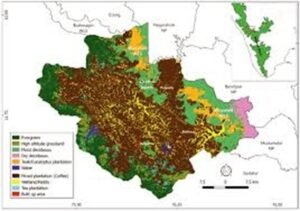
Wayanad tops the list of human‑wildlife conflict hotspots in Kerala. In a recent response by the Union Ministry of Environment, Forest and Climate Change, the district was identified as having the highest number of conflict‑prone areas in the state, with 12 distinct hotspots spread across regions such as Mananthavady, Sulthan Bathery, Panamaram, and Noolpuzha.
Key factors contributing to this include:
- Forest‑fringe living: Many villages and farms are adjacent to protected forests, bringing people into direct contact with wildlife.
- Agrarian economy: Agriculture is the backbone of Wayanad’s economy, and crop fields often attract wild herbivores like elephants and boars.
- Habitat overlap: Expansion of human activities — farming, settlements, pathways — intersects wildlife corridors, increasing encounters.
- Growing wildlife populations: Conservation efforts have helped stabilize elephant and tiger populations, which, while positive ecologically, also expand the range of animal movement.
These factors, combined with seasonal pressures such as water scarcity in dry months, have led to more frequent intrusions by animals into human spaces.
3.Types of Conflict Incidents in Wayanad
3.1 Elephant Incidents
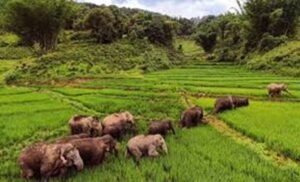
Elephants are the most frequently reported species in conflict cases:
- There have been fatal elephant attacks in the district, including instances where individuals were trampled while working in fields or even inside residential areas. This has sparked fear and significant public outcry.
- Another high‑profile case involved a wild elephant that repeatedly damaged crops and entered settlements, leading to efforts by forest officials to capture or relocate it.
- In early 2026, the Kerala High Court was involved when calls were made for a detailed mitigation plan following recurring incidents.
Such events often result in community anxiety and demands for action against “rogue” elephants, with mixed responses between wildlife protection concerns and human safety priorities.
3.2 Tiger Attacks
While less frequent than elephants, tiger encounters have also occurred:
- Fatal tiger attacks have been reported, including the tragic killing of a resident woman while harvesting on her farm.
- Sightings of big cats near forest edges, cattle predation, and close encounters have heightened local concerns and contributed to fear among communities living near reserve boundaries.
3.3 Other Species
Other wildlife such as leopards, wild boars, and gaurs also contribute to conflict incidents. Leopards may attack livestock, and wild boars are notorious for crop raids, causing significant agricultural loss.
4.Social and Economic Impacts
4.1 Loss of Life and Injury

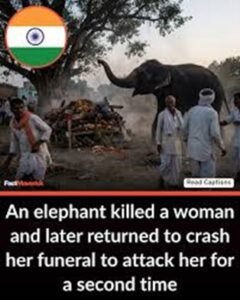
Human fatalities and injuries caused by animal attacks deeply affect families and communities. Periods when multiple deaths from wildlife — particularly elephants — occur within short spans have triggered protests, mourning, and calls for stronger protective measures.
4.2 Crop and Property Damage
HWC leads to substantial crop damage and economic loss for farmers. A study in Panamaram Panchayath showed that wildlife attacks not only destroy crops but also undermine agricultural production and rural incomes, with negative effects on education, health, and overall development.
4.3 Fear and Behavioral Changes
Frequent encounters — such as tiger sightings or elephants near homes — have altered daily life in many villages. People often avoid farming at certain times, travel in groups, or cease agricultural activities near forest borders due to fear.
4.4 Tourism and Local Economy
Fear of animal encounters also impacts tourism. Notably, wildlife hotspots and trekking trails have sometimes been closed due to safety concerns, affecting local tourism revenue and hospitality businesses.
5.Responses and Mitigation Measures
5.1 Government and Forest Department Initiatives
Authorities have recognized human‑wildlife conflict as a state‑specific disaster, allowing funds and coordinated efforts among departments for mitigation.
Measures include:
- Rapid response teams in key conflict zones.
- Smart fencing systems with acoustic and early‑warning technologies to detect animal movement and alert villages.
- Drone and thermal camera surveillance to monitor wildlife near human settlements.
- Inter‑State Coordination Committees with neighbouring states to manage wide‑ranging species like elephants and tigers.
Additionally, the Wayanad Conflict Mitigation Project, led by conservation organisations like Wildlife Trust of India, focuses on reducing negative human–big cat and human–elephant interactions through community engagement and habitat management.
5.2 Local and Judicial Actions

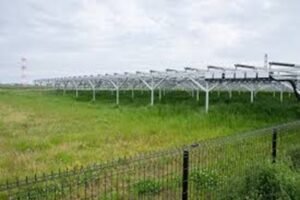
The High Court of Kerala has intervened, urging the government to outline detailed steps to protect people in recurring conflict zones, including structural measures like elephant walls or solar fences.
5.3 Community Measures
Local communities have called for clearing overgrown plantations near settlements to reduce hiding places for wildlife and decrease intrusion chances. The district collector issued notices for vegetation clearing as part of conflict mitigation efforts.
6.Challenges and Complexities
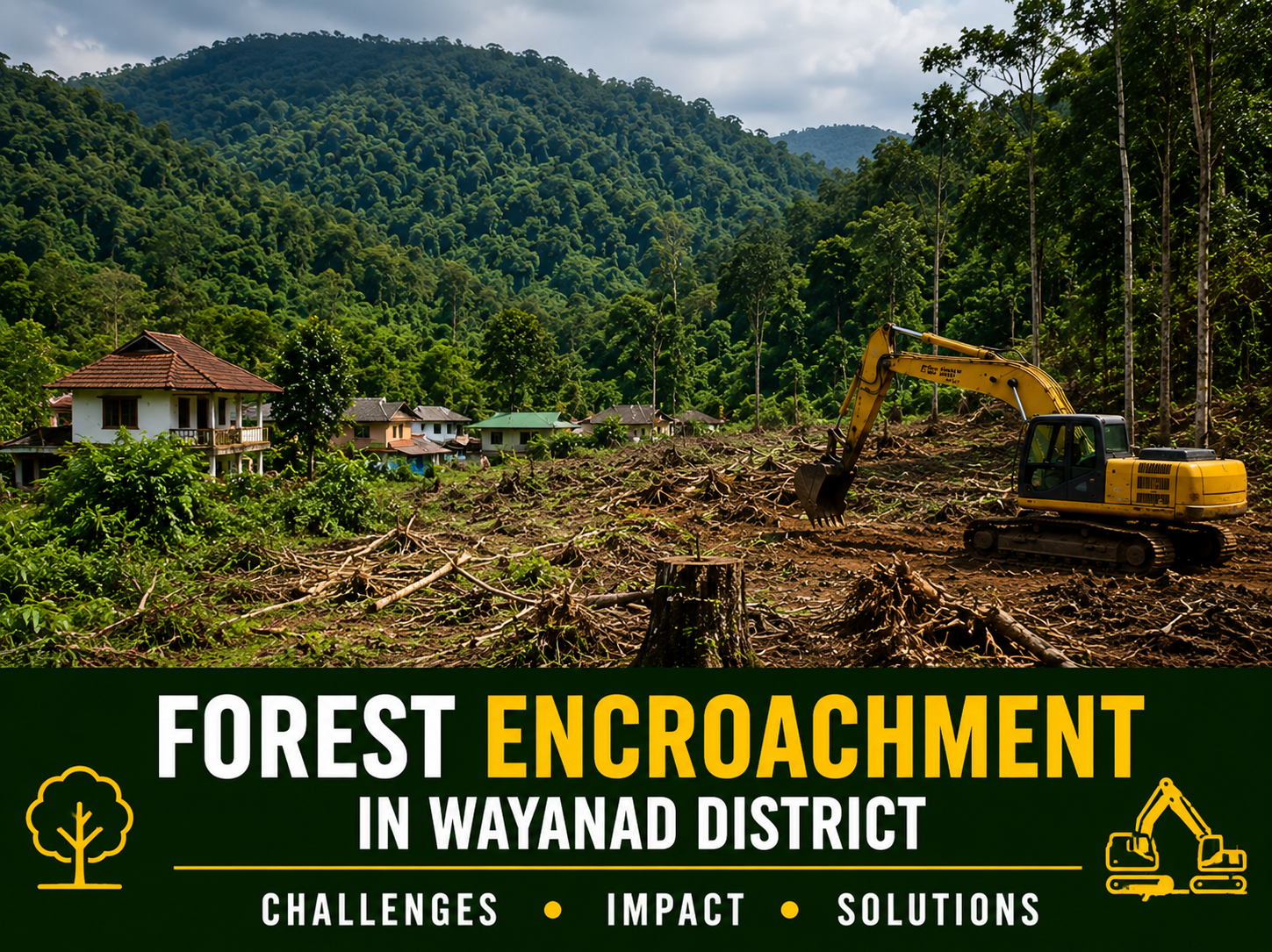
HWC in Wayanad isn’t simply about managing individual animals. It reflects broader land‑use pressures, forest encroachment issues, and the need to balance conservation with human safety. There are ongoing debates over whether protective laws sufficiently address human safety, compensation adequacy, and whether measures like capture or relocation are appropriate or feasible.
Some community reactions have even included protests and hartals (strikes) by farmers demanding more robust action after incidents of loss of life. These underscore the emotional and political dimensions entwined with conflict mitigation.
- Conclusion
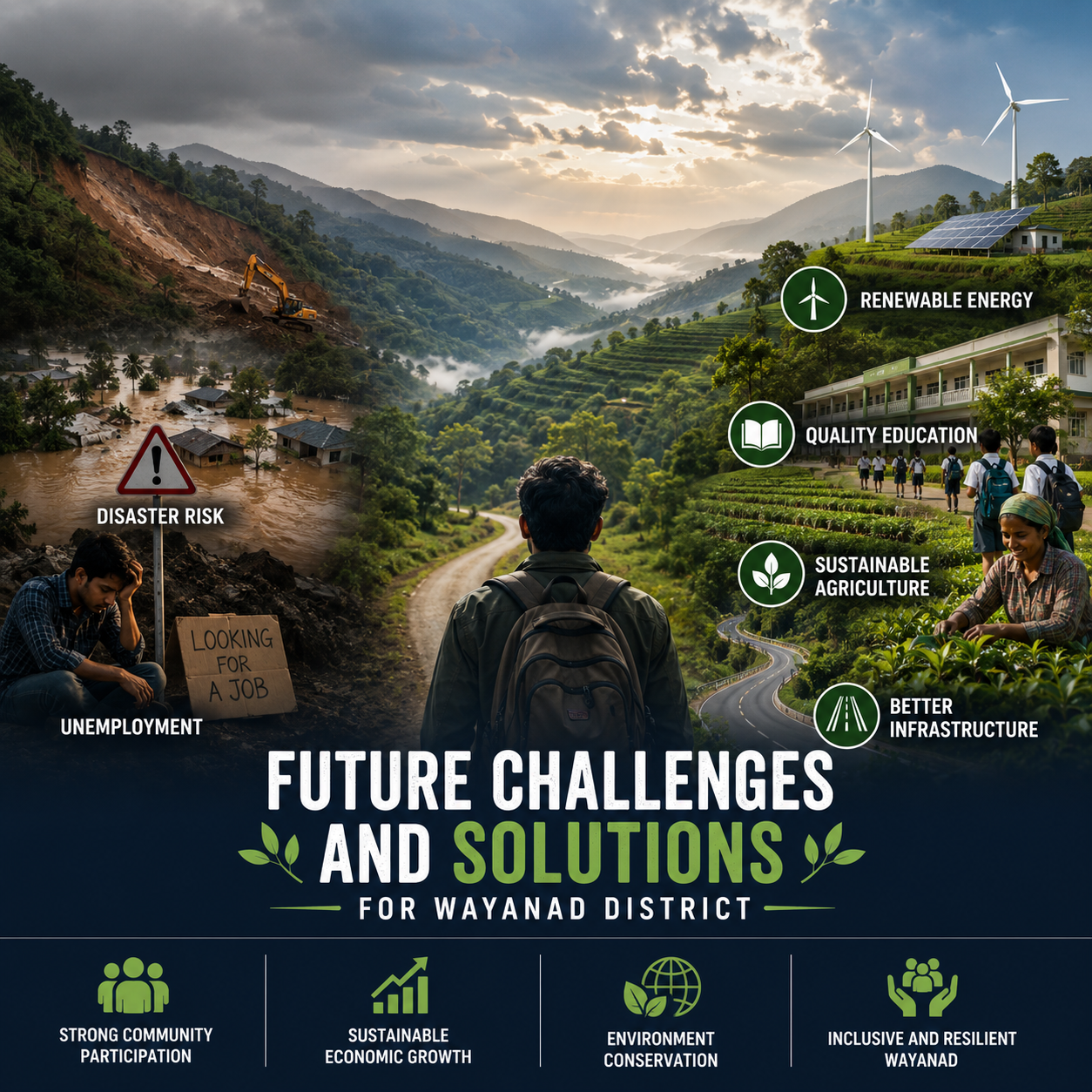
Human‑wildlife conflict in Wayanad district is a multi‑faceted issue arising from ecological richness, agricultural livelihoods, expanding human settlements, and wildlife movement patterns. Conflict incidents — whether elephant crop raids, tiger attacks, or livestock losses — have significant social, economic, and psychological impacts on communities. While systemic measures such as early warning systems, capture and radio‑collaring, rapid response teams, and inter‑state cooperation are underway, coexistence strategies remain challenging.
For a sustainable future, efforts must continually integrate community participation, science‑based wildlife management, habitat conservation, and policy support that addresses both human welfare and biodiversity protection.