
Wayanad district, located in the Western Ghats of Kerala, is known for its rich natural beauty, forests, wildlife, agriculture, and tribal communities. Even though Kerala is one of the most developed states in India, Wayanad still faces serious infrastructure gaps due to its hilly terrain, forest cover, and scattered settlements.
Infrastructure refers to basic facilities such as roads, transport, healthcare, education, water supply, electricity, and communication networks. These systems are essential for development and improving quality of life.
In Wayanad, infrastructure development is uneven, and many remote areas still lack access to basic services. These gaps affect daily life, emergency services, education, and economic growth.
- Geographic Challenges and Their Impact
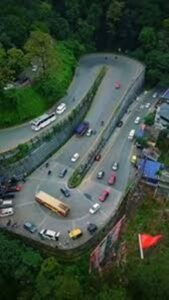
One of the biggest reasons for infrastructure gaps in Wayanad is its geography.
- The district is mostly hilly and forested
- Many villages are located in remote tribal areas
- Landslides and heavy rainfall affect construction and maintenance
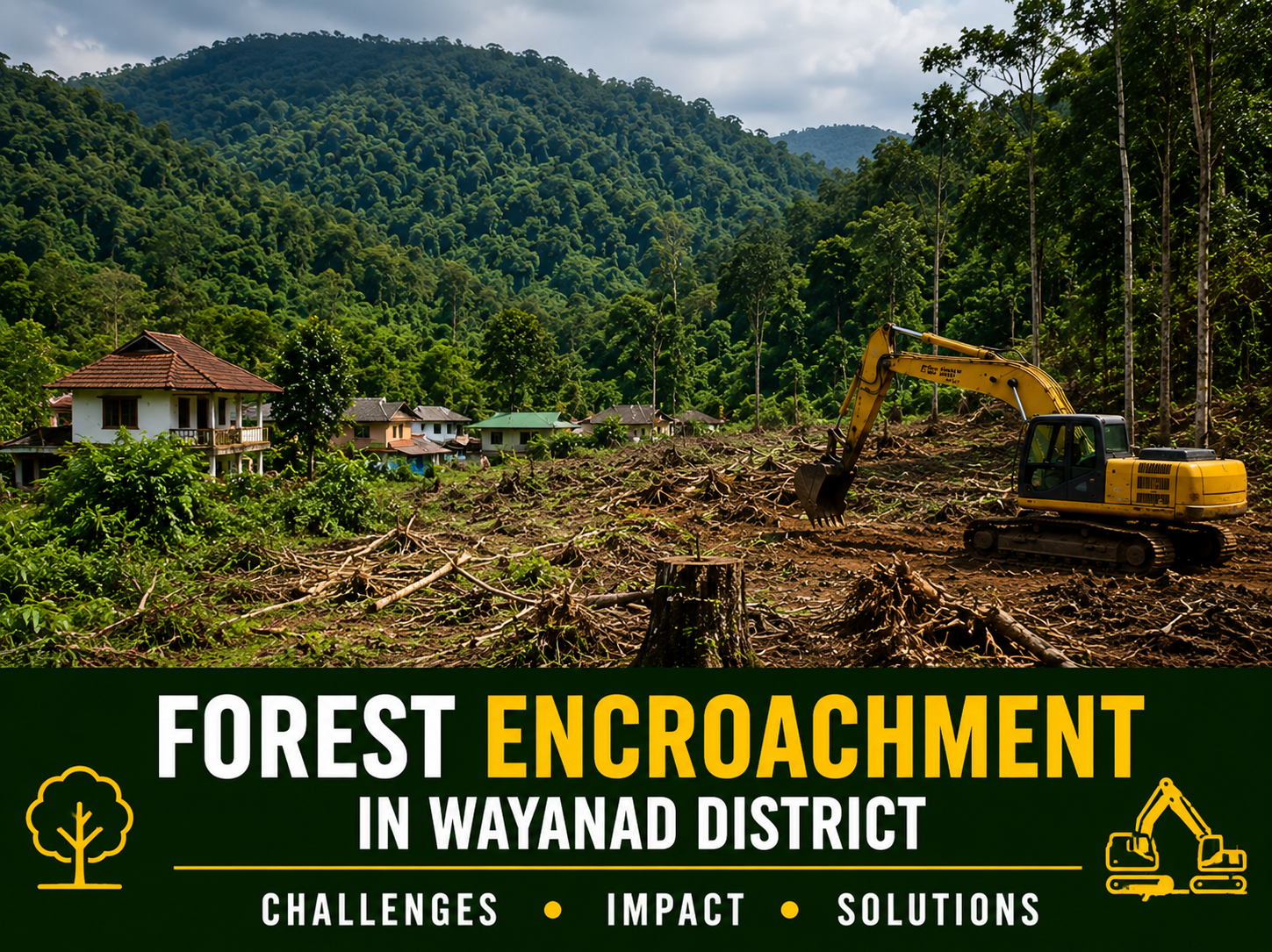
- Roads often pass through ecologically sensitive zones
👉 Because of this, building long-lasting infrastructure is difficult and expensive.
Natural disasters like landslides also damage roads and communication systems, making connectivity unreliable.
- Transport and Road Infrastructure Gaps
Road connectivity is one of the most critical infrastructure issues in Wayanad.
Key problems:
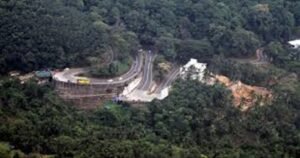
- Narrow and winding ghat roads
- Frequent landslides blocking highways
- Limited alternative routes between towns and villages
- Poor condition of interior roads in rural areas
Impacts:
- Delay in emergency medical services
- Difficulty in transporting agricultural goods
- Isolation of remote villages during heavy rains
👉 Wayanad has significantly lower road density compared to many other districts in Kerala, which affects mobility and development.
- Healthcare Infrastructure Gaps
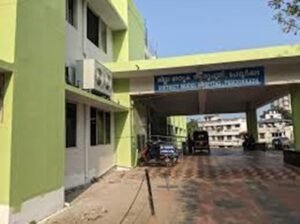
Healthcare facilities in Wayanad are not evenly distributed.
Problems:
- Limited number of major hospitals in remote areas
- Patients often travel long distances for advanced treatment
- Lack of emergency care in some regions
- Shortage of specialists in government hospitals
Impacts:
- Delays in treatment during emergencies
- High dependency on hospitals outside the district
- Risk of preventable deaths due to transport delays
👉 Poor road connectivity further worsens healthcare access in emergency situations.
- Educational Infrastructure Gaps

Education facilities are available in Wayanad, but access and quality vary.
Issues:
- Schools in remote tribal areas lack modern facilities
- Digital learning gaps due to poor internet connectivity
- Students face difficulty during online classes in rural regions
- Limited access to higher education institutions in nearby areas
Impacts:
- Educational inequality between urban and rural students
- Dropout rates in some tribal regions
- Reduced skill development opportunities
- Water Supply and Sanitation Issues
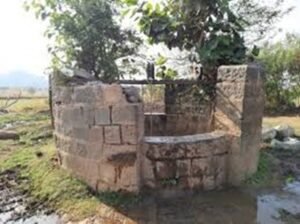
Water and sanitation infrastructure also face challenges.
Problems:
- Irregular drinking water supply in some villages
- Dependence on wells and natural water sources
- Contamination of water sources in certain areas
- Lack of proper drainage systems in towns
👉 In tribal settlements, water availability is often seasonal and unreliable.
- Electricity and Digital Connectivity Gaps

Although electricity coverage is high in Kerala, Wayanad still faces intermittent power and digital issues in remote areas.
Issues:
- Power interruptions in hilly regions
- Weak internet and mobile network coverage in forests and tribal settlements
- Limited broadband infrastructure in rural areas
Impacts:
- Difficulty in online education and digital services
- Barriers to telemedicine and online government services
- Reduced employment opportunities in digital sectors
- Disaster Management and Safety Infrastructure
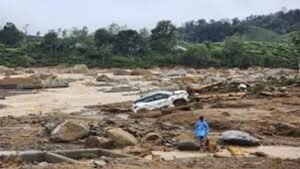
Wayanad is highly vulnerable to landslides, floods, and heavy rainfall events.
Problems:
- Weak early warning communication in remote areas
- Delayed emergency response due to road blocks
- Limited disaster preparedness infrastructure in villages
Recent studies highlight gaps in early warning systems and coordination mechanisms, especially in landslide-prone regions.
Impacts:
- Loss of lives during disasters
- Damage to roads, homes, and public infrastructure
- Slow rehabilitation and recovery process
- Economic and Developmental Impact of Infrastructure Gaps

Infrastructure gaps directly affect Wayanad’s economy:
- Agriculture becomes less profitable due to transport delays
- Tourism is affected by poor road conditions and congestion
- Small businesses face logistical challenges
- Investment in industries remains limited
👉 Poor infrastructure reduces overall economic growth and employment opportunities.
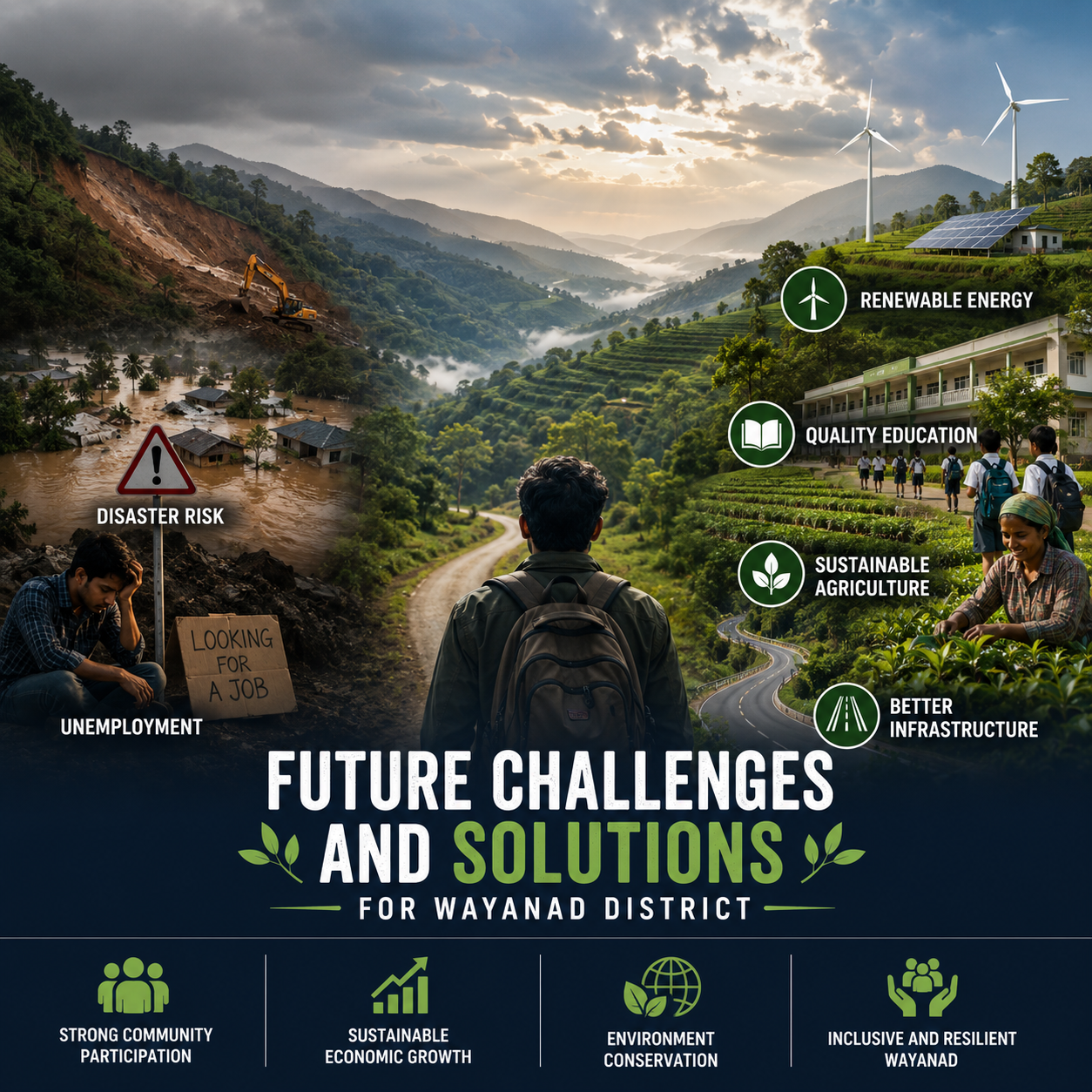
- Government Initiatives
Several government efforts aim to improve infrastructure:
Key initiatives:
- Road development and ghat road maintenance
- Tourism infrastructure improvement
- Rural water supply schemes
- Digital connectivity projects (like fiber network expansion)
- Disaster rehabilitation and housing projects
The government also plans long-term infrastructure development for affected regions and new township projects in disaster-hit areas.
- Role of Local Communities and NGOs

Local communities and NGOs contribute significantly by:
- Supporting education in tribal areas
- Improving awareness about health and hygiene
- Assisting during disasters and rehabilitation
- Promoting sustainable development practices
👉 Community involvement is important because government services alone cannot reach all remote areas effectively.
- Key Challenges Summary
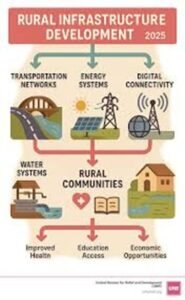
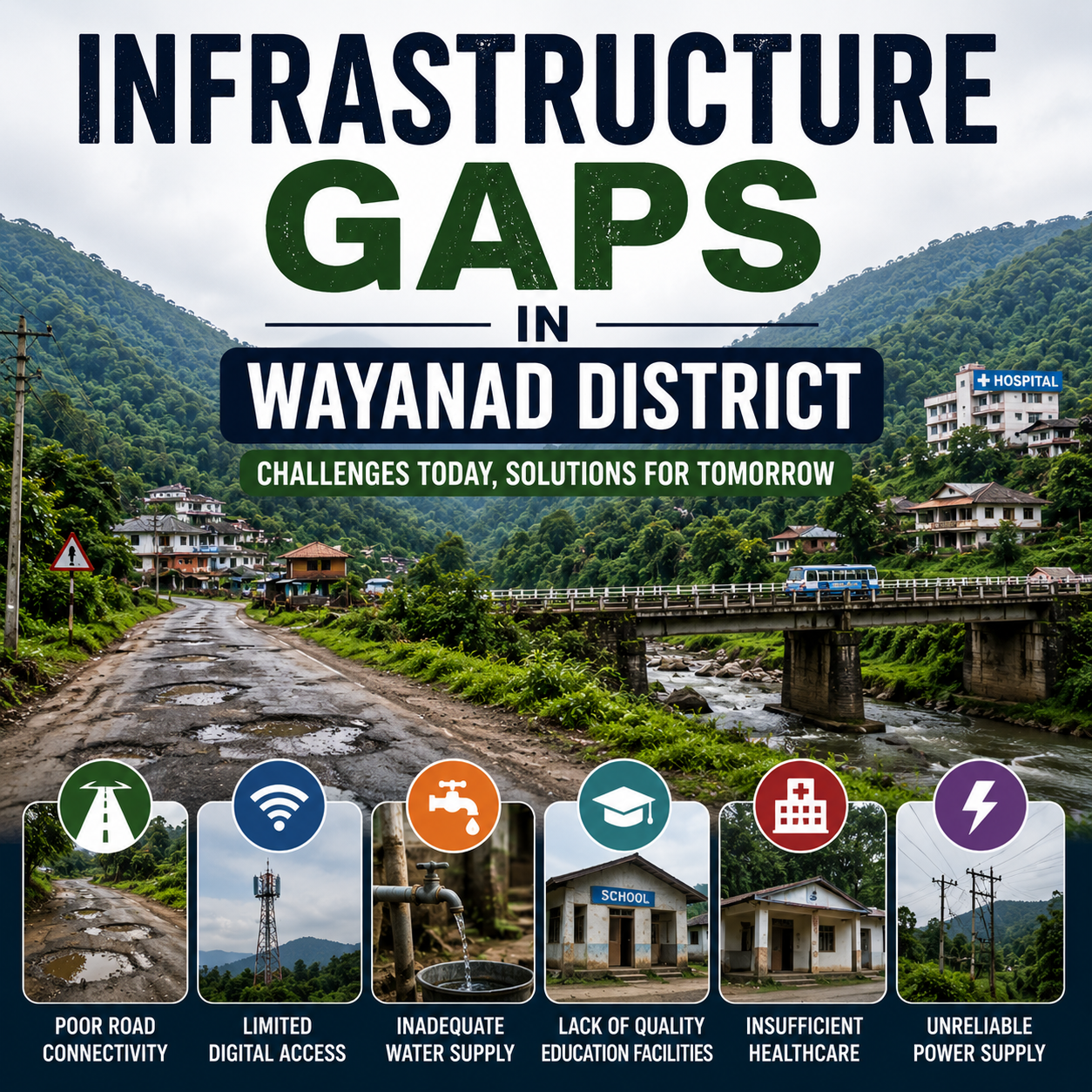
Major infrastructure gaps in Wayanad include:
- Poor road connectivity in rural and forest areas
- Limited healthcare access in remote regions
- Digital divide and weak internet connectivity
- Inadequate water and sanitation systems
- Disaster vulnerability and weak emergency systems
- Uneven educational infrastructure
- Difficult geography affecting development
- Suggestions for Improvement

13.1 Improve Transport Infrastructure
- Strengthen ghat roads and build alternative routes
- Improve rural road connectivity
13.2 Strengthen Healthcare
- Build more primary health centers in remote areas
- Improve emergency transport systems
13.3 Expand Digital Connectivity
- Increase mobile towers and broadband coverage
- Promote digital literacy programs
13.4 Disaster-Resilient Planning
- Improve early warning systems
- Build safer roads and housing in vulnerable zones
13.5 Balanced Development
- Ensure development without harming forests and ecosystems
- Focus on sustainable infrastructure projects
- Conclusion
Infrastructure gaps in Wayanad district remain a major barrier to balanced development. While the district has made progress in tourism, education, and basic services, challenges in transport, healthcare, digital connectivity, and disaster management still affect daily life.
Due to its fragile ecosystem, infrastructure development in Wayanad must be carefully planned and environmentally sustainable. A combination of government action, community participation, and modern technology is essential to bridge these gaps and ensure inclusive development for all sections of society.