
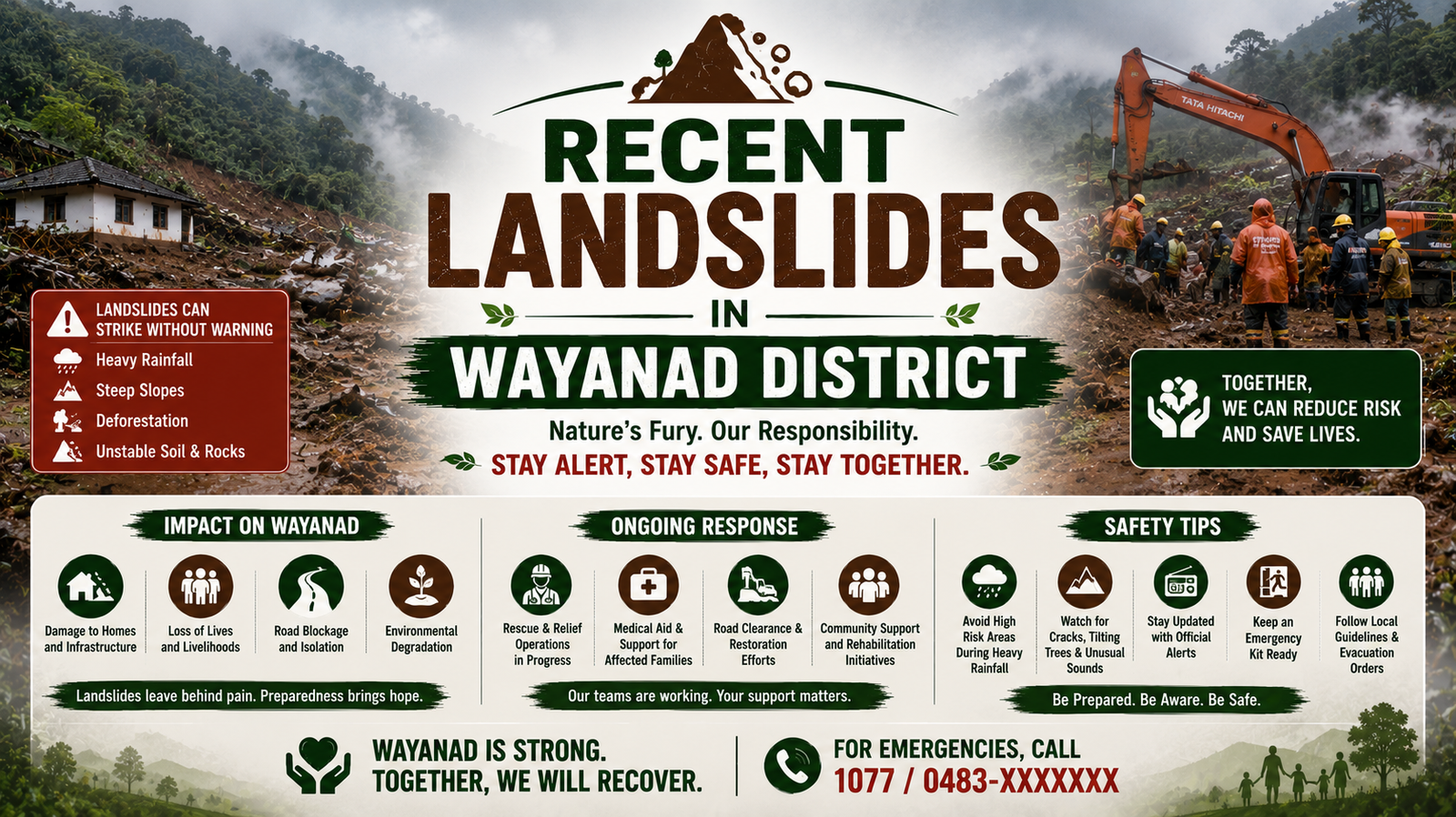
The Wayanad district, a picturesque region in the Western Ghats known for its hills, forests, plantations, and tourism, faced one of the most devastating natural disasters in its history during 2024–2025 — massive landslides triggered by intense monsoon rainfall. These events brought loss of life, destruction of entire villages, displacement of families, and long-term socio‑economic impacts.
The 30 July 2024 Landslide Event
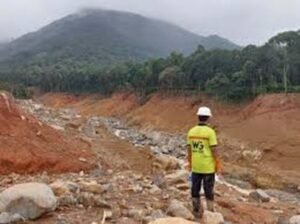
One of the most catastrophic landslides occurred on 30 July 2024, when severe monsoon rains caused multiple slopes in Wayanad’s hilly terrain to collapse. The landslides mainly affected the villages of Punjirimattom, Mundakkai, Chooralmala, and Vellarimala in Meppadi panchayat of Vythiri taluk.
The heavy rain saturated the soil, destabilised slopes, and sent boulders, mud, and debris crashing into human settlements in the early hours, burying homes and blocking roads.
Causes of the Landslides

- Extreme Monsoon Rainfall
The primary cause of the 2024 landslides was intense monsoon rainfall that hit the region with exceptional force. In some areas, rainfall amounts were unusually high in a short period, causing soil to become saturated and slopes to fail.
- Climate Change Factors
Scientists noted that climate change likely amplified the intensity of the rainfall, making monsoon downpours heavier and more abrupt – increasing the risk of landslides in already vulnerable regions such as Wayanad.
- Land Use and Environmental Fragility
The Western Ghats, including Wayanad, are geologically fragile. Changes in land use — such as deforestation for plantations, road construction, and unregulated development — can reduce slope stability and contribute to landslide risk.
Immediate Impact
Loss of Life and Injuries
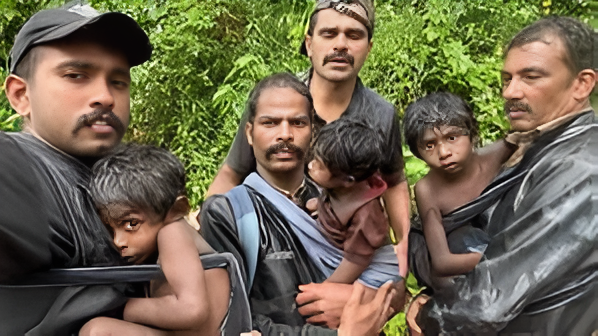
The 2024 landslides claimed hundreds of lives. Official reports indicated that 298 persons were killed, with many others injured, missing, or displaced.
Displacement and Destruction
More than 10,000 residents were displaced from their homes when villages were flattened by falling earth and debris. Entire communities had to flee, seeking refuge in relief camps and temporary shelters.
Relief Camps and Humanitarian Response
Villagers whose homes were destroyed stayed in more than a dozen relief camps set up in schools and community centres across the district. Thousands of men, women, and children — including pregnant women — relied on these camps for shelter and basic necessities.
Infrastructure Damage
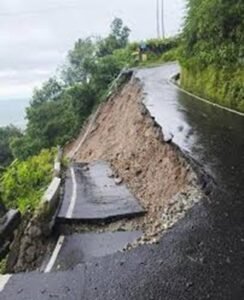
The landslides washed away roads and bridges, cutting off access to remote areas. In some cases, rescue teams had to construct temporary Bailey bridges to restore connectivity and carry out evacuations and supply operations.
Rehabilitation and Recovery Efforts

Government and Community Response
In the months following the landslides, both the Kerala government and the central government undertook relief and rehabilitation measures. Temporary shelters were set up, and long-term housing projects were planned for survivors.
One major initiative was the construction of a new township for landslide survivors under a large rehabilitation project costing several hundred crores. Survivors began receiving ownership of new homes a couple of years after the disaster.
Clearing Debris and Environmental Restoration
The government sanctioned projects worth crores of rupees to clear debris from rivers affected by landslide debris, like the Punnapuzha River, to restore natural flow, control erosion, and protect riverbanks.
Continuing Threats and Recent Events
Recurring Rainfall and Landslide Fears
Even after the 2024 disaster, heavy rains in 2025 triggered flash flooding in landslide‑affected areas like Chooralmala. Officials and residents expressed ongoing fears of renewed landslides due to swollen rivers and unstable slopes.
Administrative Measures
To prevent unauthorised access and safeguard public safety, the Wayanad district administration banned entry to severely affected villages like Mundakkai and Chooralmala, allowing only officials and volunteers to enter.
Underlying Causes and Wider Issues
Environmental Warnings Ignored
Investigative reports later suggested that scientists and environmental activists had long warned about the fragility of Wayanad’s plateau region and the potential for landslides, but these warnings were not sufficiently heeded in planning and development.
Human‑Induced and Climate‑Linked Factors
Experts have linked the disaster not just to natural monsoon patterns but also to climate change and human impact — including land use changes, deforestation, and high rainfall intensity influenced by warming patterns.
Socio‑Economic Impacts

Loss of Livelihoods and Agriculture
Many residents lost crops, livestock, and sources of income due to landslide impacts. Tea and coffee plantations — key sources of employment — were damaged, affecting the economic stability of families.
Psychological and Community Effects
The trauma of losing loved ones, homes, and community structures has left deep scars. Rehabilitation efforts target not just physical rebuilding but also mental health support and social recovery, though progress remains ongoing.
Lessons and Future Preparedness

Need for Disaster Mitigation Strategies
The Wayanad landslide tragedy underscored the importance of disaster mitigation — not just disaster management — including early warning systems, risk mapping, and community education efforts.
Infrastructure Resilience and Planning
Future strategies for Wayanad must integrate sustainable land use, slope stabilisation, careful infrastructure planning, and environmental conservation to minimise risk in such ecologically sensitive zones.
Conclusion
The recent landslides in the Wayanad district — particularly the deadly 30 July 2024 event and continuing risks into 2025 — have had profound impacts on people, the environment, and regional planning. While rehabilitation and recovery continue, the tragedy has highlighted the need for better disaster preparedness, integration of climate science in planning, and sustainable development in fragile hill regions like Wayanad.