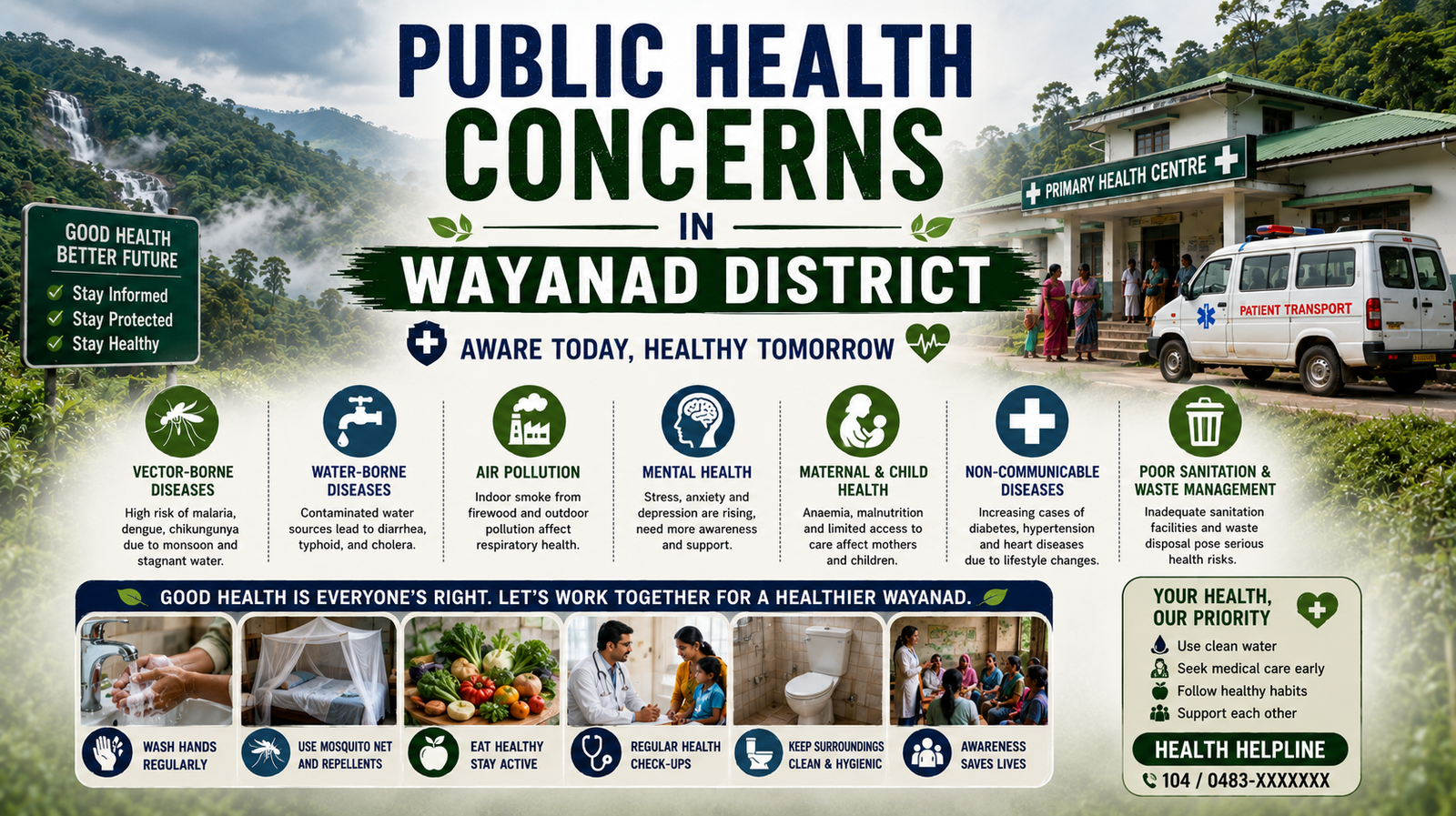

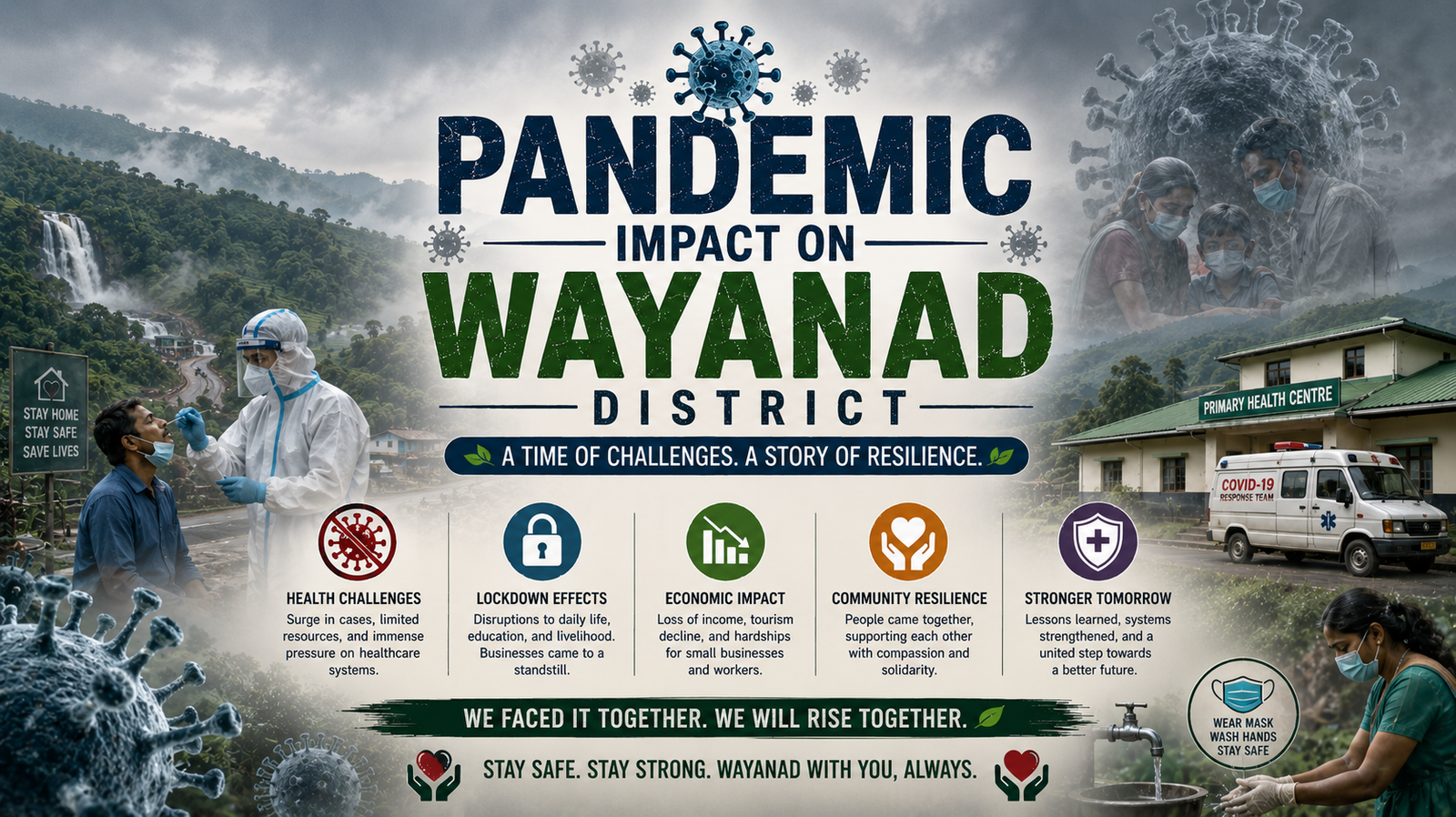
The COVID-19 pandemic was one of the most significant global health crises in modern history. It affected not only health systems but also economies, education, livelihoods, and social life. In India, the impact varied from region to region, and Wayanad district in Kerala experienced both common and unique challenges due to its hilly geography, tribal population, agricultural economy, and dependence on tourism and daily wage labour.
Wayanad, being a district with a large number of rural and tribal settlements, faced difficulties in healthcare access, employment stability, and digital connectivity during the pandemic period. At the same time, the district also showed strong community resilience and government support systems.
- Spread of COVID-19 in Wayanad
Wayanad initially reported fewer cases compared to urban districts, but infections gradually increased due to the following:
- Movement of people returning from other states and countries
- Local transmission in rural clusters
- Public gatherings and community spread
Certain tribal hamlets were also affected, as close living conditions and limited healthcare access made containment difficult. Studies show that tribal clusters required special attention during the pandemic due to higher vulnerability and limited medical access.
- Impact on Health System

3.1 Pressure on Hospitals
- District and taluk hospitals faced increased patient load
- Limited ICU beds and oxygen facilities in rural regions
- Healthcare workers worked under high stress
3.2 Challenges in Remote Areas
- Difficult terrain delayed ambulance services
- Many tribal settlements are far from hospitals
- Lack of transport during lockdowns created emergency risks
3.3 Public Health Response
- COVID care centers were set up in multiple locations
- Testing and isolation facilities were expanded
- Health workers conducted door-to-door monitoring in some areas
- Impact on Tribal Communities
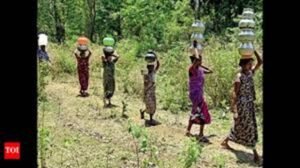
Wayanad has one of the largest tribal populations in Kerala, and they were among the most affected groups.
Key issues:
- Loss of daily wage income due to the lockdown
- Dependence on forest produce is affected by movement restrictions
- Limited access to healthcare and information
- Difficulty in reaching relief services
At the same time, some tribal groups used traditional knowledge and forest resources to survive during restrictions, showing resilience in difficult conditions.
- Impact on Education
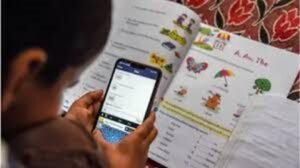
One of the most serious impacts was on education.
- Schools shifted to online learning
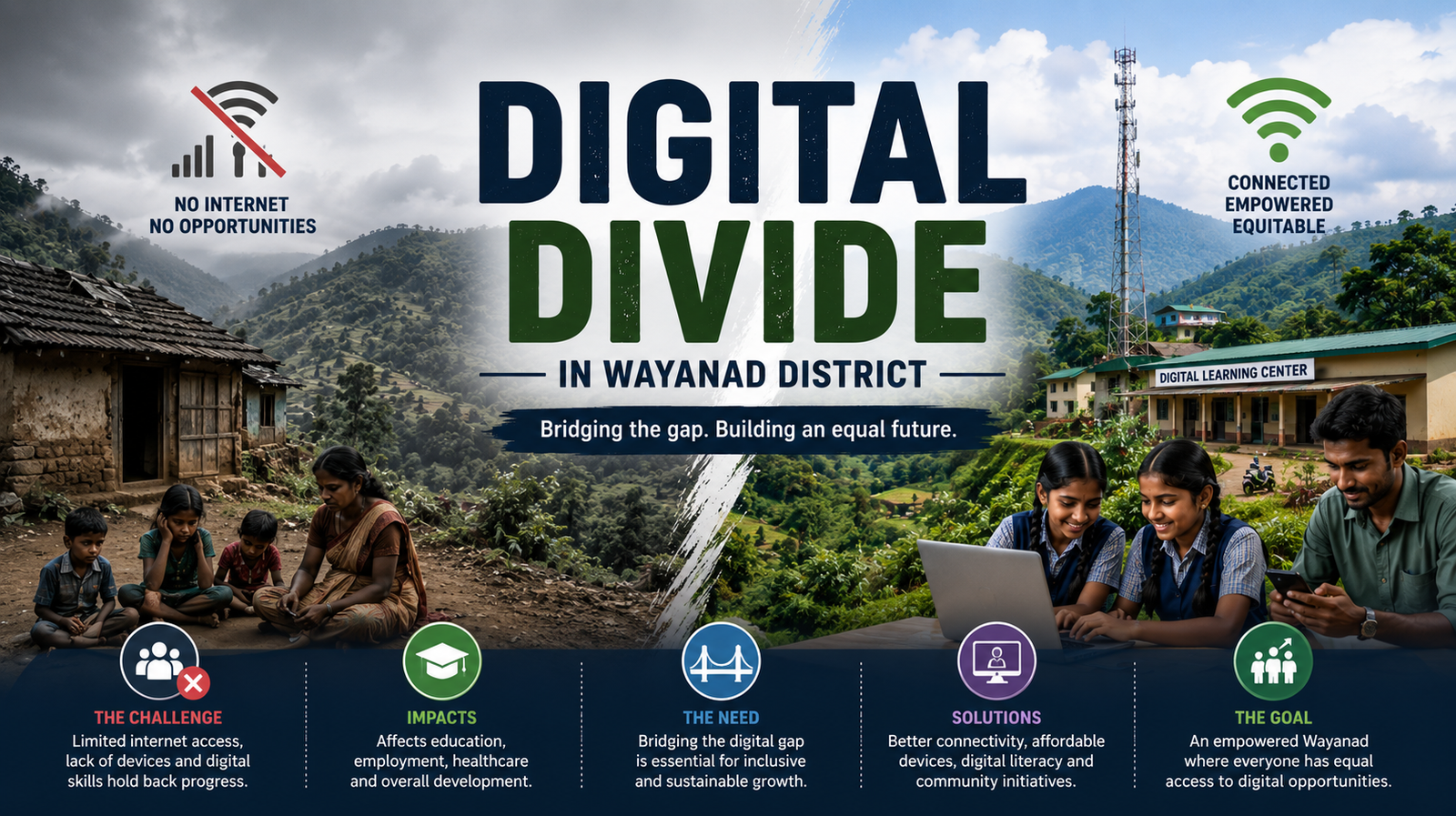
- Many students in rural and tribal areas lacked smartphones or the internet.
- The digital divide became clearly visible
- Students shared devices within families
Research shows that Adivasi students in Wayanad faced barriers in accessing virtual classes due to geographical and economic challenges.
👉 This created educational inequality between urban and rural students.
- Economic Impact

6.1 Agriculture Sector
- Farmers faced difficulty transporting goods
- Market closures affected crop sales
- Coffee, pepper, and banana farmers were impacted
6.2 Daily Wage Workers
- Construction and plantation workers lost jobs temporarily
- Income instability increased poverty risks
6.3 Tourism Industry
- Tourism came to a complete halt during lockdown
- Resorts, homestays, and guides lost income
- Recovery was slow after restrictions eased
👉 Since Wayanad depends heavily on tourism and agriculture, the economic slowdown was significant.
- Impact on Mental Health
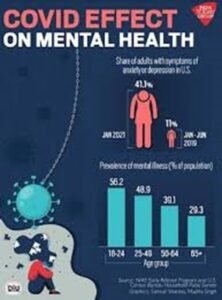
The pandemic also affected mental well-being:
- Anxiety due to illness and uncertainty
- Stress caused by job loss and financial insecurity
- Isolation during lockdown periods
- Increased need for mental health support
In rural areas, limited awareness and a lack of counselling services made the situation more difficult.
- Impact on Social Life
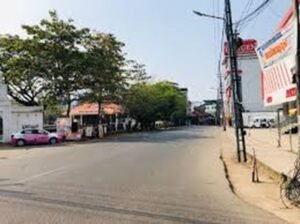
8.1 Restrictions on Movement
- Lockdowns restricted travel between villages and towns
- Social gatherings, festivals, and events were cancelled
8.2 Community Changes
- Reduced social interaction
- Increased dependence on digital communication
- Strong community support in crises
- Government Response and Support
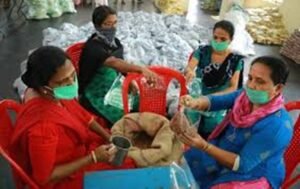
The government implemented several measures:
- Free COVID testing and treatment in government hospitals
- Distribution of food kits and essentials during lockdown
- Community kitchens for vulnerable populations
- Vaccination drives across the district
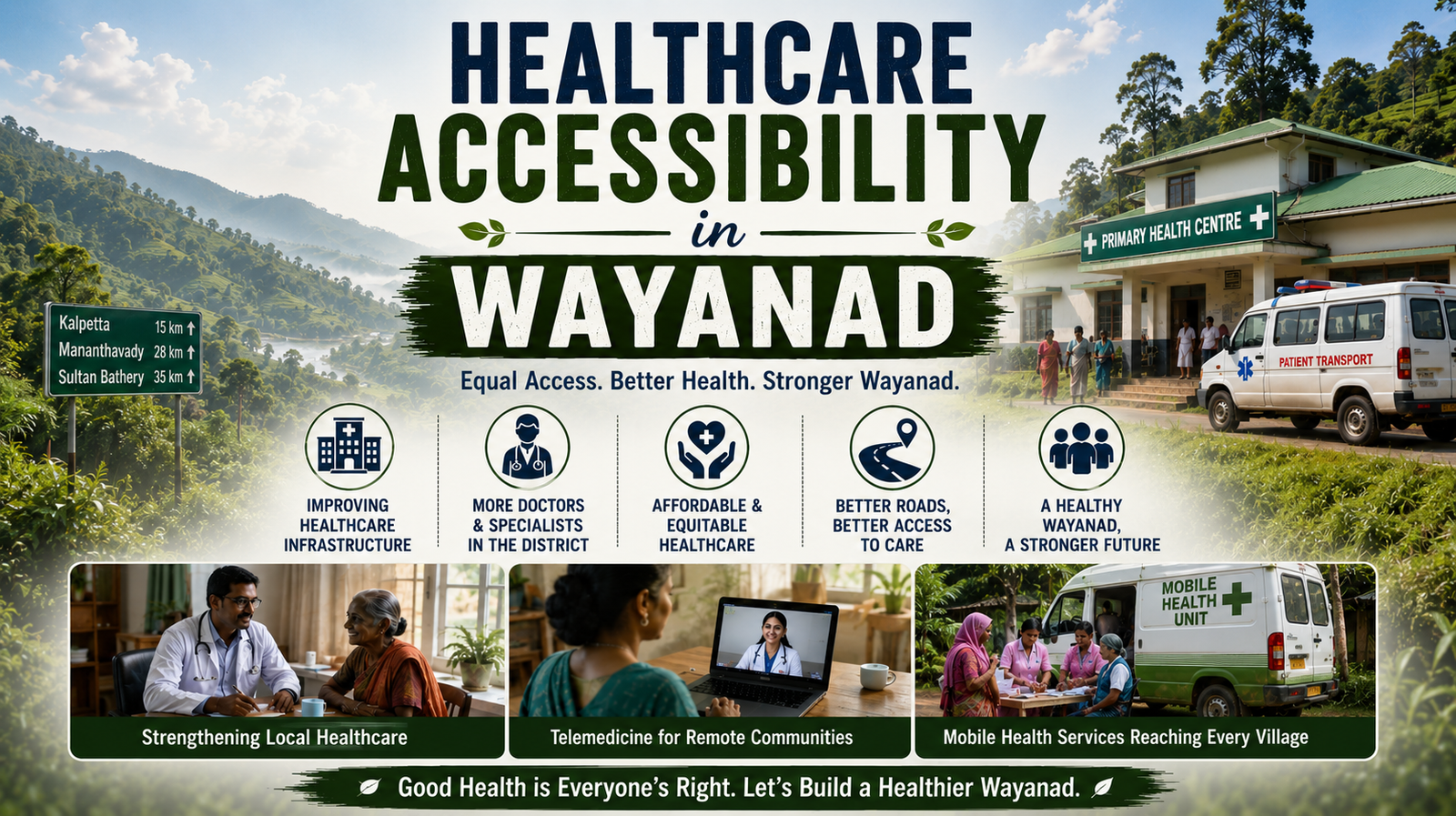
- Special attention to tribal settlements through mobile medical units
These efforts helped reduce the severity of the crisis in many areas.
- Role of NGOs and Community Support
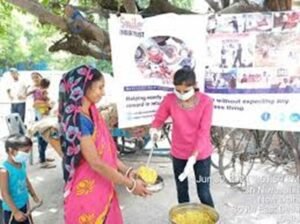
NGOs, local organisations, and volunteers played a key role:
- Distribution of food and medicines
- Support for isolated families
- Awareness campaigns about COVID safety
- Assistance in remote tribal regions
👉 Community solidarity was a major strength during the pandemic.
- Key Challenges Faced
- Weak healthcare access in remote areas
- Digital divide affecting education
- Loss of livelihoods in agriculture and tourism
- Difficult transport and geography
- Vulnerability of tribal populations
- Mental health, stress, and uncertainty
- Lessons Learned

The pandemic highlighted important lessons:
- Need to strengthen rural healthcare systems
- Importance of digital infrastructure in education
- Need for better disaster preparedness
- Importance of supporting tribal and marginalized communities
- Strengthening local governance and health awareness
- Long-Term Impact
Even after the pandemic, some effects continue:
- Educational gaps among rural students
- Economic recovery in the tourism sector took time
- Increased focus on healthcare infrastructure
- Greater awareness of digital learning needs
- Improved preparedness for future health crises
- Conclusion
The COVID-19 pandemic deeply affected the Wayanad district across multiple sectors, including health, education, economy, and social life. While the district faced serious challenges due to its geography and socio-economic conditions, it also demonstrated resilience through government action, community participation, and NGO support.
The pandemic highlighted the importance of strong healthcare systems, digital inclusion, and social support mechanisms. Moving forward, Wayanad must focus on building a more resilient, inclusive, and prepared society to handle future crises effectively.