


Wayanad district is one of the richest biodiversity regions in South India and a paradise for bird watchers. Nestled in the Western Ghats, this region is characterised by dense forests, riverine islands, wetlands, plantations, and high-altitude hills. These diverse ecosystems support over 300–350 species of birds, including endemic, migratory, and endangered species.
Bird watching in Wayanad is not limited to a single sanctuary; instead, the entire district functions as a natural habitat. From early morning misty lakes to deep forest trails, bird enthusiasts can explore a variety of environments within short distances.
Why Wayanad is Ideal for Birdwatching
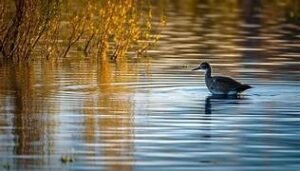
Wayanad’s geographical location in the Western Ghats makes it a biodiversity hotspot. The region includes:
- Evergreen and semi-evergreen forests
- Moist deciduous forests
- Riverine ecosystems
- Wetlands and lakes
- Plantation landscapes
These habitats attract a wide range of birds, such as:
- Hornbills and flycatchers (forest areas)
- Kingfishers and herons (wetlands)
- Raptors and owls (open forests)
- Migratory ducks and waders (lakes and paddy fields)
The best time for bird watching is early morning (6 AM – 10 AM) when bird activity is at its peak.
Major Bird Watching Spots in Wayanad
- Pakshipathalam Bird Sanctuary

Pakshipathalam is one of the most famous bird-watching destinations in Wayanad, located in the Brahmagiri Hills near Thirunelli.
Key Features:
- Dense evergreen forests and rugged terrain
- Moderate trekking (about 3 hours) required
- Ideal for experienced birders
Bird Species:
- Malabar Whistling Thrush
- Nilgiri Flycatcher
- Grey-headed Bulbul
- Black Eagle
This sanctuary is particularly important for spotting Western Ghats-endemic species. It also offers a unique combination of trekking and birding experiences.
- Panamaram Heronry
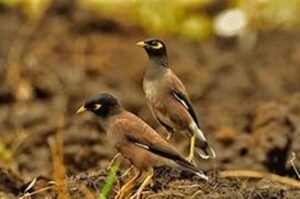
Panamaram Heronry is a river island known for its large nesting colonies of waterbirds.
Key Features:
- One of Kerala’s major heron nesting sites
- Easily accessible viewing points
- Best for observing bird behaviour
Bird Species:

- Purple Heron
- Little Egret
- Cattle Egret
- Night Heron
This location is ideal for watching breeding and nesting activities, making it popular among photographers and researchers.
- Kuruva Island (Kuruvadweep)

Kuruva Island is a group of small islands in the Kabini River, offering a rich riverine ecosystem.
Key Features:
- Bamboo forests and riverbanks
- Peaceful walking trails
- Protected eco-tourism zone
Bird Species:
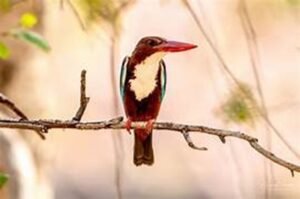
- White-throated Kingfisher
- Indian Paradise Flycatcher
- Bronzed Drongo
- Hill Myna
The mix of water and forest habitats makes this spot excellent for spotting kingfishers and small woodland birds.
- Pookode Lake

Pookode Lake is a scenic freshwater lake surrounded by forests and is ideal for beginners.
Key Features:
- Easy access with walking paths
- Calm and scenic environment
- Suitable for families and amateur bird watchers
Bird Species:
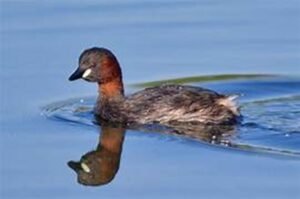
- Little Grebe
- Brahminy Kite
- Lesser Whistling Duck
- Cormorants
This location is best for leisure birding and observing birds in a relaxed setting.
- Tholpetty Wildlife Sanctuary
 Part of the larger Wayanad Wildlife Sanctuary, Tholpetty is known for its open forests and safari experiences.
Key Features:
- Jeep safaris available
- Mix of birding and wildlife viewing
- Dry deciduous forest habitat
Bird Species:
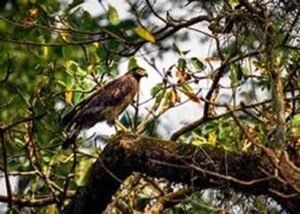
- Crested Serpent Eagle
- Brown Fish Owl
- White-bellied Woodpecker
- Indian Roller
This area is especially suitable for spotting raptors, owls, and large forest birds.
- Muthanga Wildlife Sanctuary

Another important section of the Wayanad Wildlife Sanctuary, Muthanga, offers extensive forest cover.
Key Features:
- Large protected forest area
- Rich biodiversity
- Safari-based birding
Bird Species:
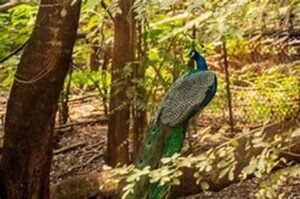
- Peafowl
- Jungle fowl
- Woodpeckers
- Various migratory birds
Muthanga is ideal for those who want to combine bird watching with wildlife exploration.
- Lantern Stay (Private Birding Location)

4.7•Hotel
Certain eco-resorts in Wayanad also function as excellent birding zones due to their forest surroundings.
Key Features:
- Located inside a dense forest
- Guided birding walks
- Comfortable stay with nature
Bird Species:
- Asian Fairy Bluebird
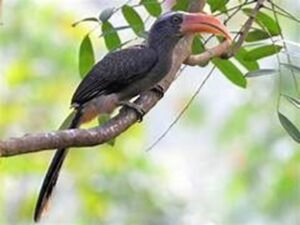
- Malabar Grey Hornbill
- Scarlet Minivet
- Emerald Dove
Such locations provide opportunities to observe birds in undisturbed natural habitats, often right from the accommodation itself.
Types of Birds Found in Wayanad
Wayanad hosts a wide variety of bird species, including:
Forest Birds
- Flycatchers
- Bulbuls
- Hornbills
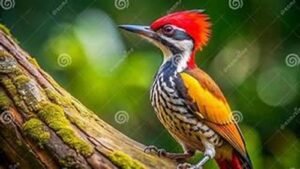
- Woodpeckers
Wetland Birds
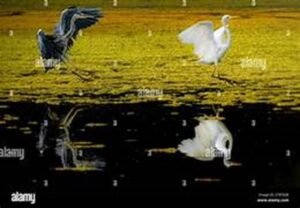
- Herons
- Egrets
- Ducks
- Cormorants
Birds of Prey

- Eagles
- Owls
- Kites
Endemic Species
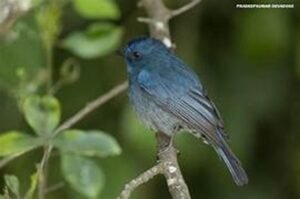
- Nilgiri Flycatcher
- Malabar Grey Hornbill
- White-bellied Blue Flycatcher
Best Time for Bird Watching

- October to May: Ideal season with clear weather
- Early mornings: Best for maximum sightings
- Post-monsoon: High bird activity and lush landscapes
Tips for Bird Watching in Wayanad

- Start early in the morning
- Maintain silence to avoid disturbing birds
- Carry binoculars and a field guide
- Wear neutral-colored clothing
- Respect wildlife and avoid entering restricted zones
- Travel with local guides for better identification
Conclusion

Wayanad is a complete birding destination offering a variety of ecosystems within a compact area. From trekking through dense forests in Pakshipathalam to relaxing by Pookode Lake, each location provides a unique bird-watching experience. The presence of endemic and migratory species makes it an important region for both amateur bird lovers and professional ornithologists.
With its rich biodiversity, scenic beauty, and well-preserved habitats, Wayanad continues to be one of the top bird-watching destinations in India.