

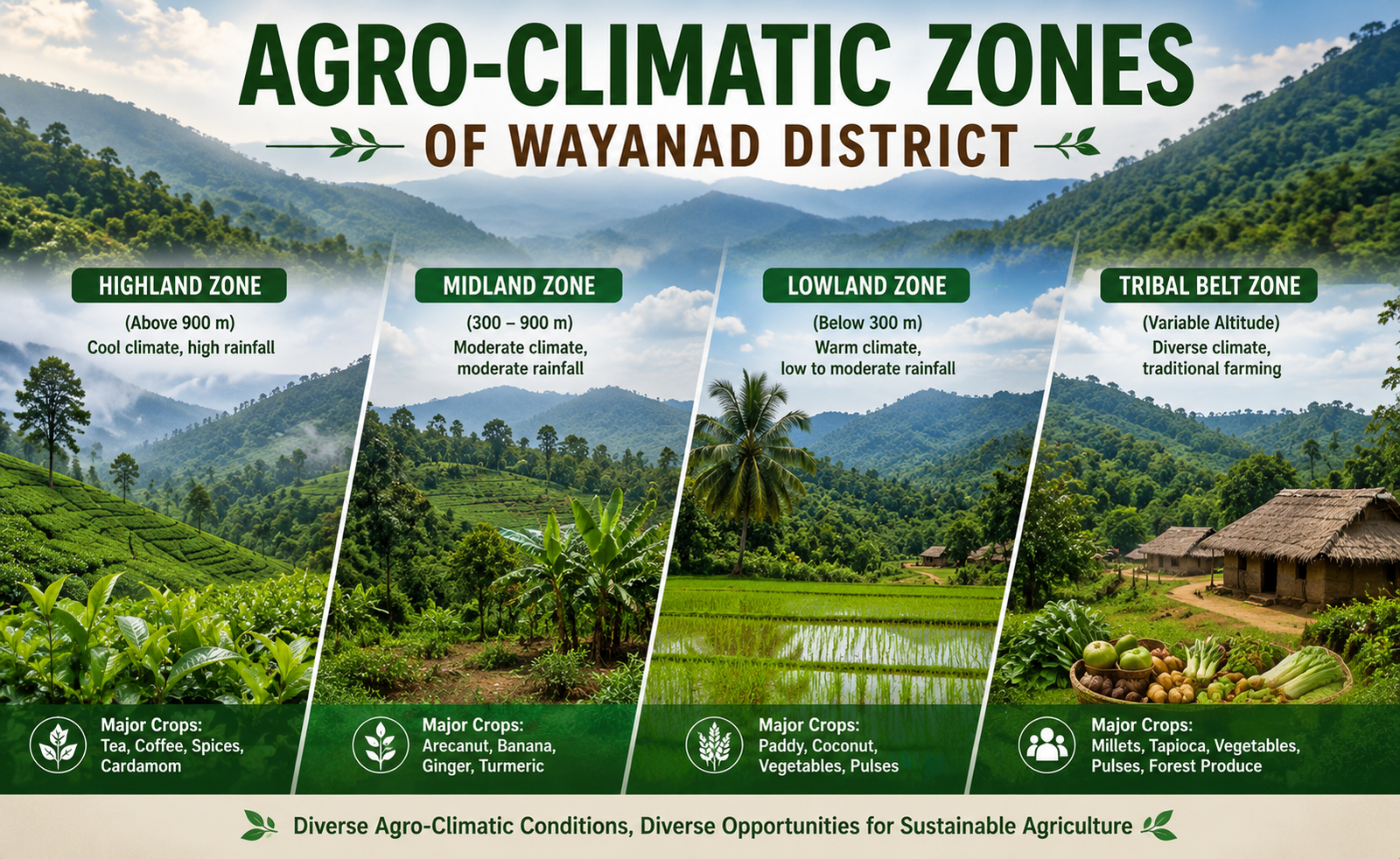
Wayanad, located in the northern Western Ghats, is a unique region in Kerala with diverse terrain, soil types, and climate. These factors have led to the development of distinct agro-climatic zones in the district.
Agroclimatic zones are areas defined by climate, soil, rainfall, temperature, and topography, which determine the suitability for specific crops. Understanding these zones is crucial for agriculture, forestry, and sustainable development in Wayanad.
- Importance of Agro-Climatic Zoning
Agroclimatic zoning helps in:
- Identifying suitable crops for each zone
- Planning irrigation and soil conservation methods
- Promoting high agricultural productivity
- Reducing environmental stress and crop failure
In Wayanad, these zones are essential because of hilly terrain, valleys, and high rainfall, which influence crop choices and cultivation methods.
- Major Agro-Climatic Zones of Wayanad
Wayanad’s landscape is divided into different agro-climatic zones based on elevation, rainfall, and soil type.
3.1 High Hill Zone (Above 1000 m)

- Includes areas around Chembra Peak and Brahmagiri Hills
- Cool climate with heavy rainfall
- Soils: Red loamy and lateritic
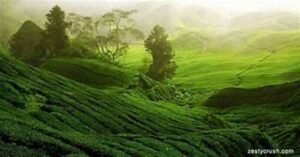
- Crops: Cardamom, tea, coffee, and spices
3.2 Mid-Hill Zone (700–1000 m)

- Covers regions like Kalpetta and Sulthan Bathery
- Moderate rainfall and temperature
- Soils: Loam, sandy loam, and clay
- Crops: Pepper, coffee, bananas, and vegetables
3.3 Valley Zone (Below 700 m)
- Includes Meenangadi, Pulpally, and agricultural valleys
- Fertile alluvial soil
- Warm and humid climate
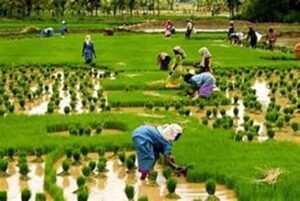
- Crops: Paddy, bananas, tapioca, and pulses
- Climatic Factors Influencing Agriculture

Wayanad’s climate is influenced by:
- Monsoon rainfall: ~2,000–3,000 mm annually
- Temperature: 15–30°C depending on altitude
- Humidity: 75–85% on average
- Topography: Steep slopes, valleys, and plateaus affect microclimates
These factors create micro-agro-climatic variations, making Wayanad suitable for spices, plantation crops, and horticulture.
- Soil Types in Wayanad
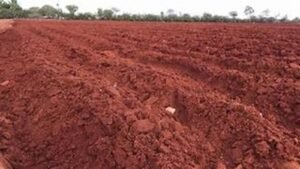
Soil is a major determinant of agroclimatic zones:
- Red loamy soil: Found in hilly areas; ideal for spices and coffee
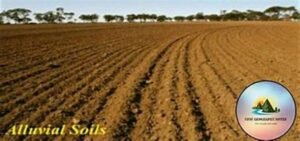
- Alluvial soil: Found in valleys; suitable for paddy and vegetables

- Laterite soil: On slopes; suitable for plantation crops like tea and rubber
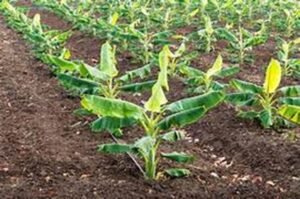
- Sandy loam soil: Supports horticulture crops like bananas and vegetables
- Major Crops in Different Zones
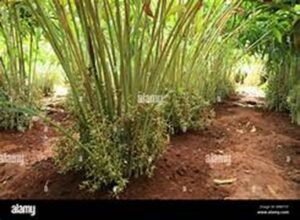
High Hill Zone
- Cardamom, ginger, coffee, tea, cinnamon

Mid-Hill Zone
- Pepper, banana, vegetables, arecanut
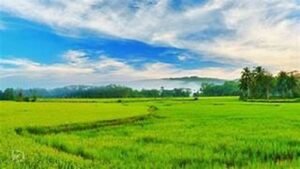
Valley Zone
- Paddy, tapioca, pulses, banana, sugarcane
The crop patterns are directly influenced by altitude, rainfall, and soil type.
- Agricultural Practices in Different Zones
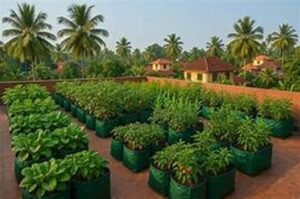
- Terrace farming: Common in hilly areas to prevent soil erosion

- Intercropping: Spices like pepper and cardamom are grown with coffee
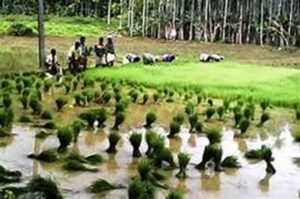
- Organic farming: Promoted in mid-hill and valley zones

- Irrigation methods: Use of rivers, streams, and rainwater harvesting
These practices ensure sustainable agriculture and protect the environment.
- Challenges in Agro-Climatic Zones
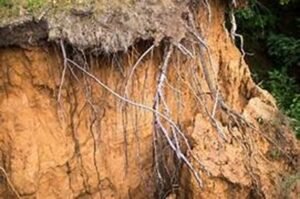
- Soil erosion in hilly areas

- Heavy rainfall causing landslides and crop loss

- Pests and diseases affecting spices and coffee

- Fragmented land holdings limit mechanization

- Climate change is impacting rainfall patterns
- Government and NGO Initiatives
Efforts to support farmers include:
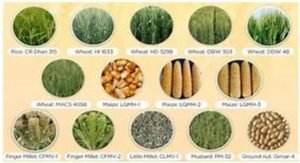
- Introduction of high-yield and climate-resilient crop varieties
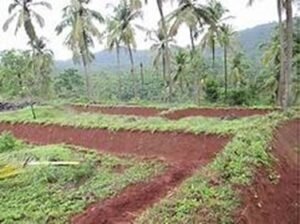
- Soil conservation programs

- Training in organic and sustainable farming
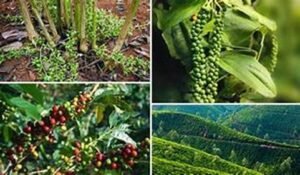
- Promotion of horticulture and spice cultivation
These initiatives improve productivity while preserving Wayanad’s fragile ecosystems.
- Conclusion
The agro-climatic zones of Wayanad reflect the district’s diverse terrain, climate, and soil types. Understanding these zones helps in optimal crop selection, sustainable farming, and resource management.
By combining traditional knowledge with modern techniques, Wayanad can continue to be a productive and environmentally balanced agricultural region.