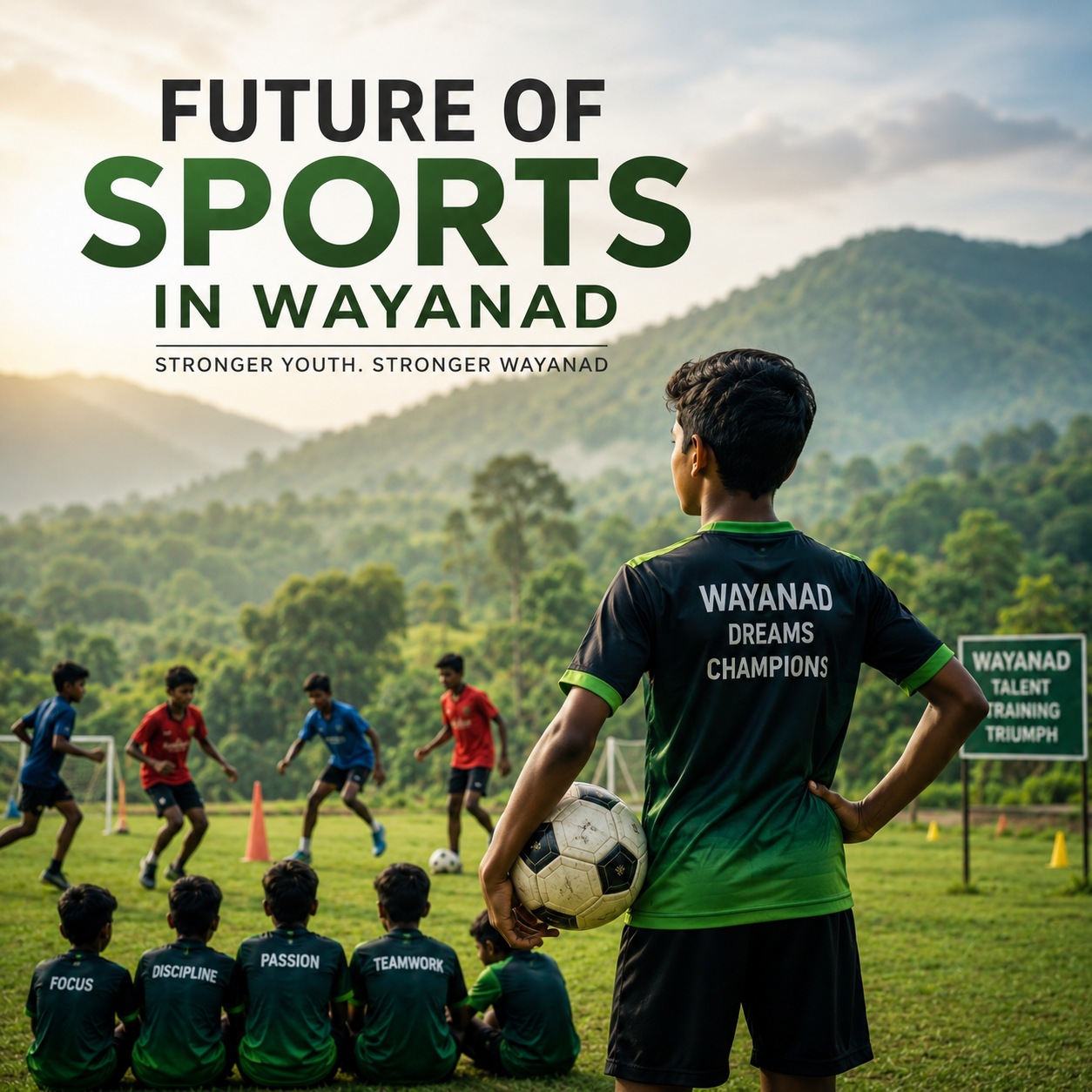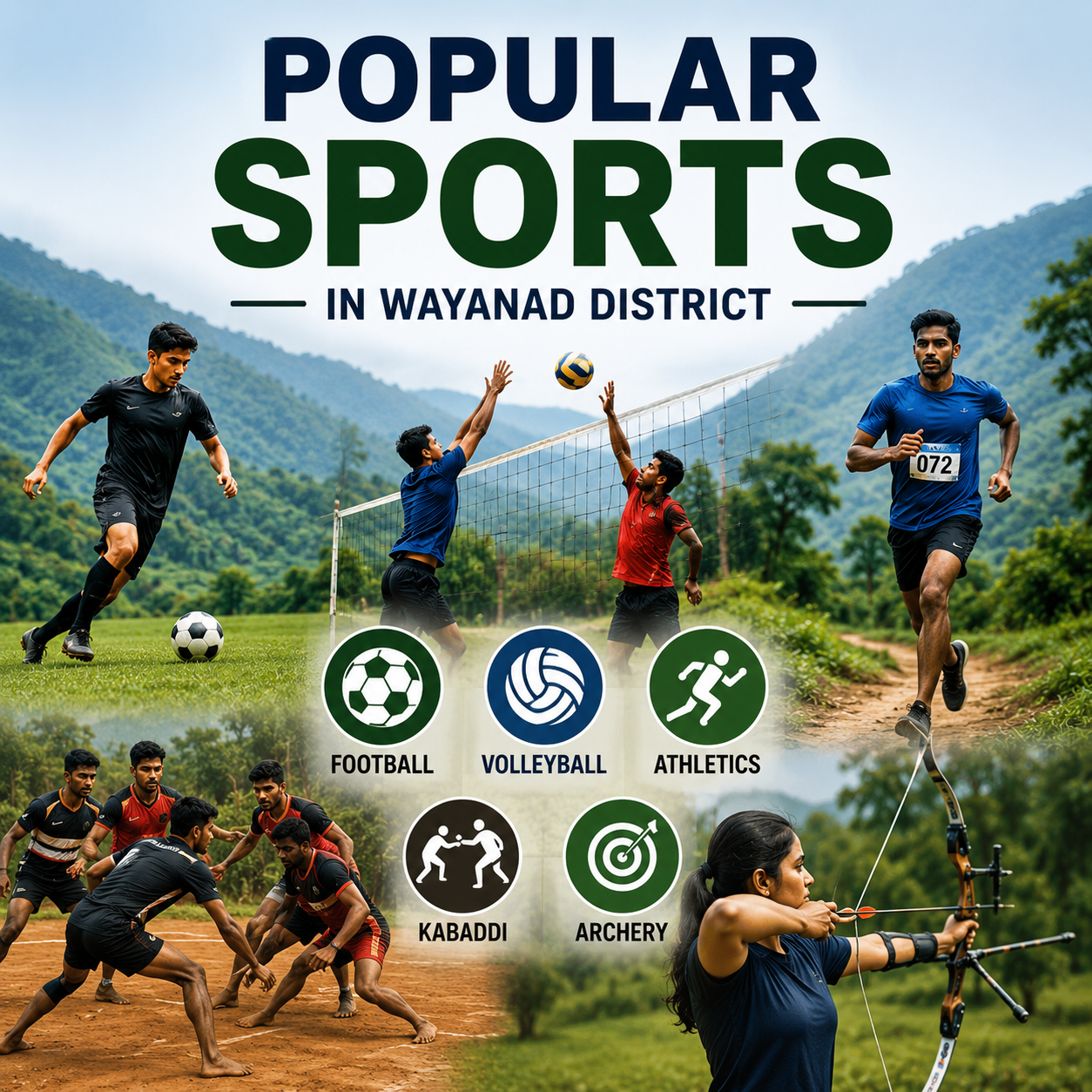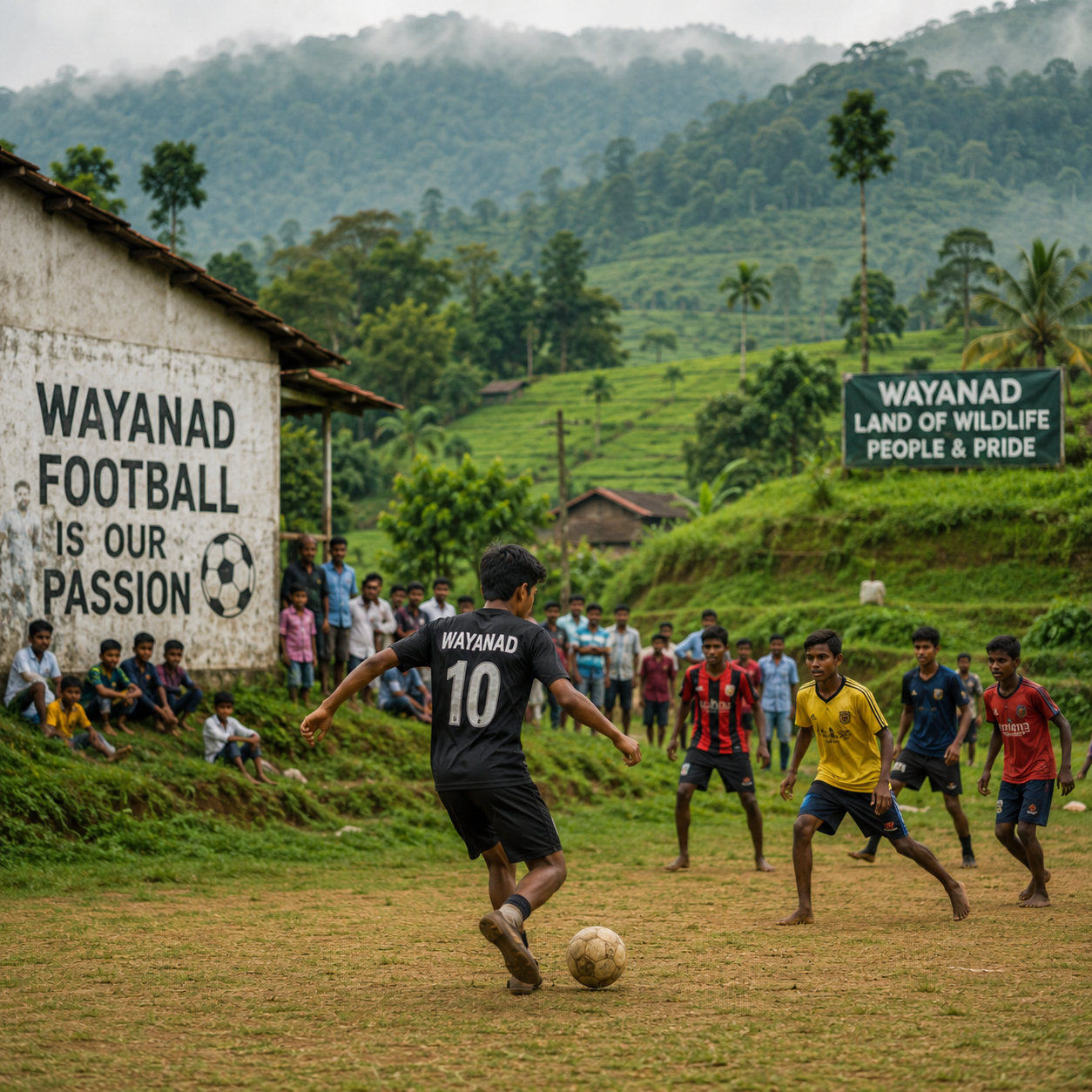

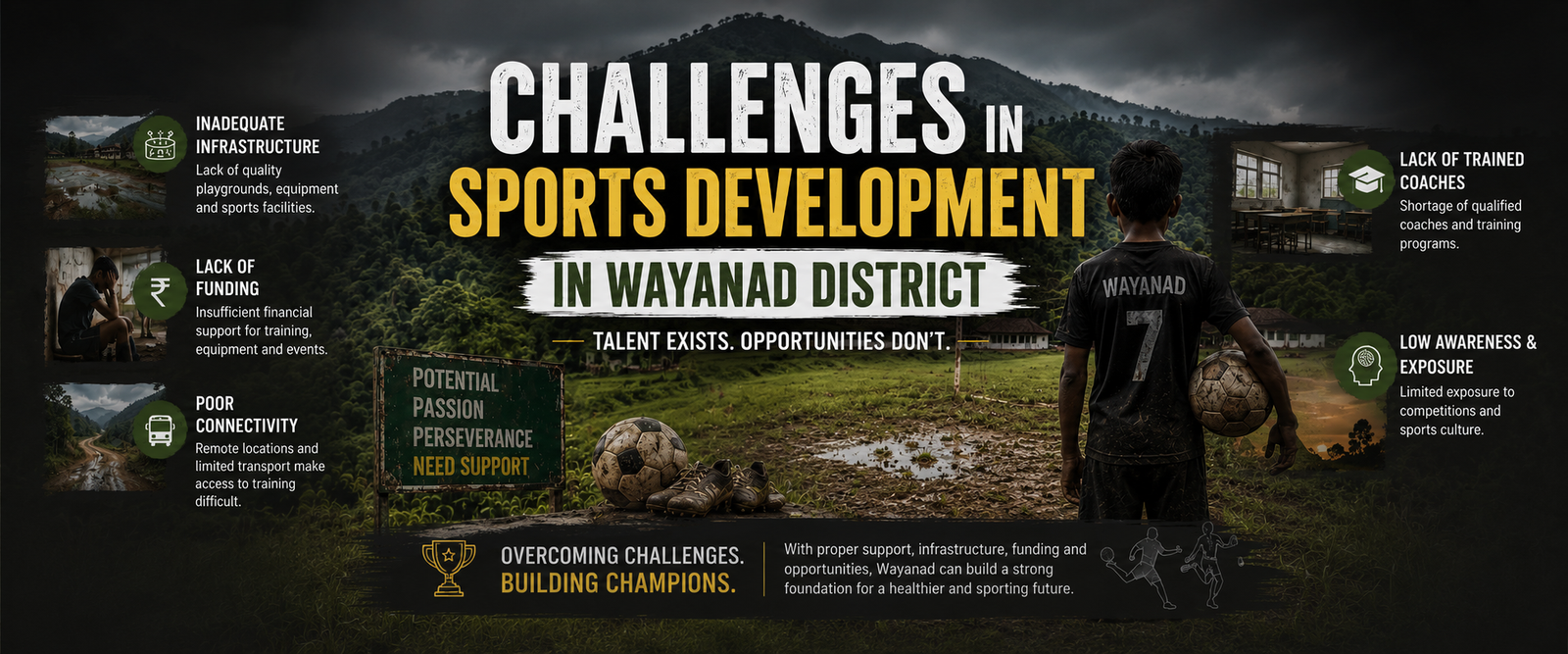
Wayanad district, nestled in the Western Ghats, is known for its lush landscapes, tribal heritage, and growing interest in sports—particularly among youth and women. Despite these strengths, sports development in Wayanad faces multiple challenges that limit the full realization of athletic talent and participation.
This article explores the main barriers to sports growth in the district, from infrastructure and financial limitations to social perceptions and environmental factors.
1.Geographic and Accessibility Challenges
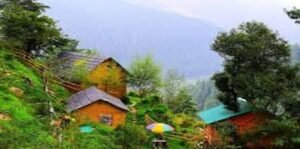
Terrain and Remote Locations
Wayanad’s rugged hills, dense forests, and narrow roads are a blessing for nature but a challenge for sports development. Many villages are difficult to reach, especially during the monsoon season, which affects:
- Access to sports facilities
- Travel to competitions
- Delivery of equipment and training support
Athletes from remote tribal regions often lack regular access to coaching and practice arenas.
Limited Transportation
Poor connectivity in hilly areas increases travel time and costs for aspiring athletes. This limits opportunities for:
- Participation in district and inter‑district training
- Regular attendance in coaching centers
- Access to competitions and trials
- Lack of Adequate Sports Infrastructure
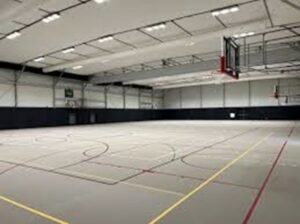
Insufficient Playgrounds and Stadiums
While towns like Kalpetta and Sultan Bathery have functional sports grounds, many rural and tribal areas lack basic playgrounds. Without proper open fields and courts, it becomes difficult to:
- Practice team sports (football, cricket, volleyball)
- Host local competitions
- Expand grassroots participation
Limited Indoor Facilities
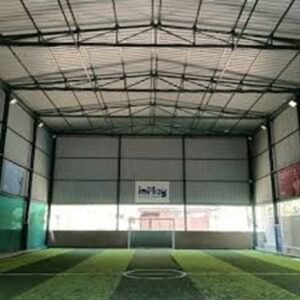
Many sports (badminton, table tennis, gymnastics) require indoor spaces. The absence of such facilities restricts:
- Year‑round training (especially during monsoon)
- Talent identification in non‑outdoor sports
- Skills advancement for serious athletes
Outdated Equipment
Where facilities do exist, the quality of equipment is often outdated or insufficient. This hampers learning and competitive readiness.
- Financial Constraints and Limited Support

High Cost of Training and Gear
Sports training, especially for disciplines like cricket, archery, fencing, or athletics, requires expense on:
- Proper coaching
- Quality gear
- Travel costs
For families with limited financial resources—particularly in tribal and rural areas—these costs become a barrier to sustained participation.
Lack of Sponsorship and Funding
Unlike metropolitan areas, Wayanad has limited private sponsorships for emerging sports talent. Although government programs provide support, they are often insufficient or unevenly distributed.
- Coaching and Training Issues
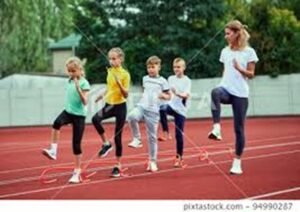
Shortage of Qualified Coaches
High‑quality coaching is essential for athlete development. However, Wayanad faces a shortage of trained and certified coaches across many sports disciplines. This affects:
- Skill development at grassroots level
- Long‑term athlete progression
- Competitive performance in higher leagues
Limited Exposure to Modern Techniques
Athletes and coaches in remote areas have limited exposure to modern training methods, sports science, and technology. This puts local athletes at a disadvantage when competing at state or national levels.
- Social and Cultural Barriers
Traditional Mindsets
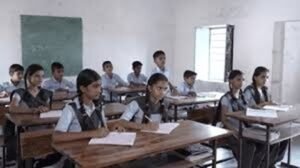
In some parts of Wayanad, sports participation—especially for girls—faces societal hesitation. Common attitudes include:
- Prioritizing education over sports
- Viewing sports as a leisure activity, not a career
- Conservative outlooks in tribal areas limiting female participation
While this trend is changing gradually, it still limits the scale and inclusivity of sports participation.
Gender Inequality in Sports
Although women’s cricket and other success stories have bolstered interest, many girls still face challenges such as:
- Lack of family support
- Safety concerns while traveling for training
- Inadequate representation in sports programs
This gender gap reduces the overall talent pool.
- Unequal Access to Opportunities
Urban–Rural Divide
Youth in towns like Kalpetta and Sulthan Bathery have more access to:
- Coaching centers
- Competitive events
- Better facilities
In contrast, rural and tribal youth often face limited exposure and fewer opportunities.
Tribal and Minority Community Challenges
Tribal athletes often have the potential but lack access to:
- Sports scholarships
- Awareness of selection trials
- Support structures for progression
This inequality in access hampers balanced sports development across the district.
- Environmental and Seasonal Challenges
Monsoon Restrictions
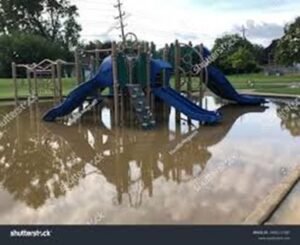
Wayanad experiences heavy rainfall, especially during the monsoon. This causes:
- Flooding of playgrounds
- Damage to infrastructure
- Canceled outdoor training and competitions
This seasonal disruption affects year‑round training continuity.
Climate and Terrain Limitations
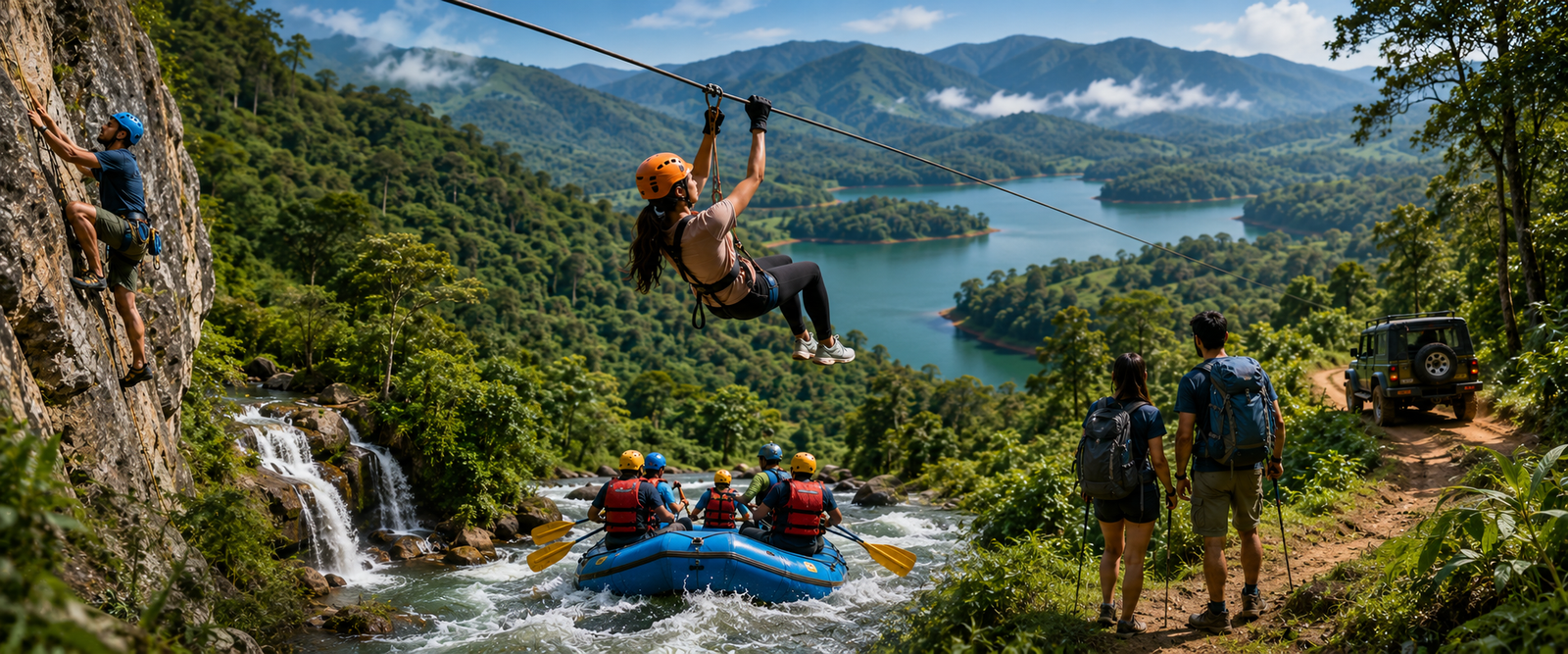
While hilly terrain supports trekking and adventure sports, it limits large‑scale infrastructure projects and regulation‑compliant stadium development, which require flat terrain.
- Limited Competitive Exposure

Lack of Frequent Local Tournaments
Regular competition sharpens skills. However, Wayanad has:
- Limited inter‑school and district‑level tournaments
- Few large‑scale leagues
- Minimal exposure to state/national selection circuits
This reduces opportunities for athletes to benchmark, perform, and get noticed nationally.
Travel Barriers for Competitions
Long distances and travel costs make it difficult for young athletes to attend:
- State‑level events
- National camps
- Invitational tournaments
This creates a participation gap between Wayanad athletes and peers from other regions.
- Weak Sports Industry and Professional Pathways
Lack of Professional Clubs and Academies
Unlike major cities, Wayanad lacks:
- Professional sports clubs
- Sports academies with structured programs
- League affiliations
This limits:
- Career pathways for youth
- Long‑term athlete development
- Access to professional guidance
Limited Media and Recognition
Athletes from Wayanad often receive minimal media visibility, reducing their exposure to:
- Talent scouts
- Sponsorships
- Broader recognition
- Government and Institutional Efforts (But Gaps Remain)

While the Kerala Government and Wayanad District authorities have initiated multiple programs (sports councils, training centers, infrastructure development), challenges persist due to:
- Slow pace of implementation
- Resource limitations
- Focus on urban areas
- Insufficient monitoring and evaluation
Bridging these gaps requires a strategic and inclusive approach.
Conclusion
Sports development in Wayanad district faces a range of challenges — geographic, financial, infrastructural, social, and institutional. While community enthusiasm and individual success stories show potential, systemic barriers continue to limit wider participation and competitive success.
Addressing these challenges requires coordinated efforts from:
- Government and local authorities
- Sports councils and institutions
- Community organizations and NGOs
- Schools and colleges
By enhancing infrastructure, training, funding, awareness, and inclusivity, Wayanad can unlock the full potential of its youth and athletes, making sports a thriving part of its cultural and developmental journey.