

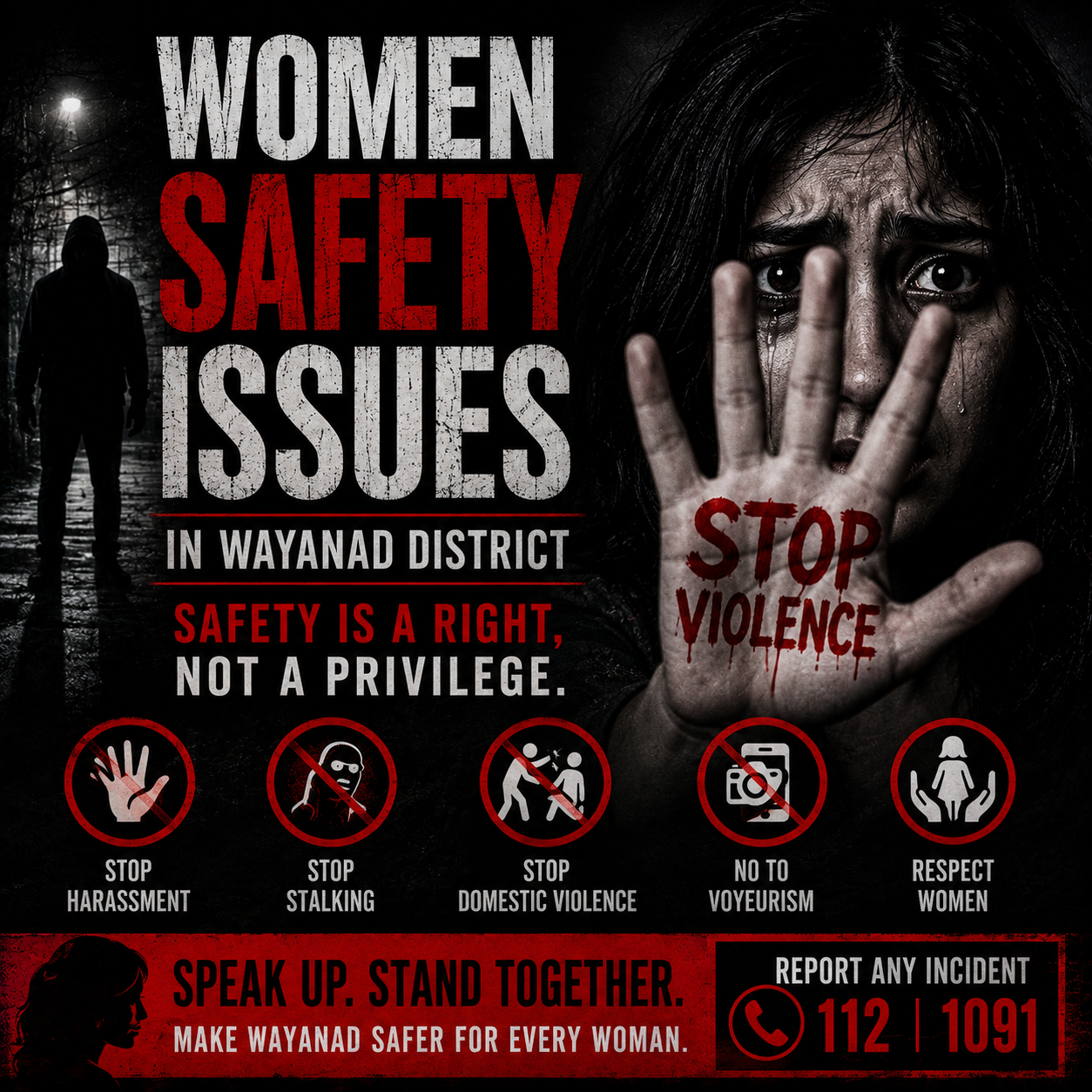
Wayanad, a hilly district in Kerala, is known for its natural beauty, tribal population, and tourism. Despite being considered relatively safer compared to many other regions in India, women’s safety remains a significant concern. In recent years, reports and data indicate a rise in crimes against women, along with social, economic, and institutional challenges that affect their safety and well-being.
Women’s safety in Wayanad is a multidimensional issue involving domestic violence, workplace harassment, sexual crimes, health problems, and socio-economic vulnerabilities, especially among tribal communities.
- Statistical Overview of Crimes Against Women
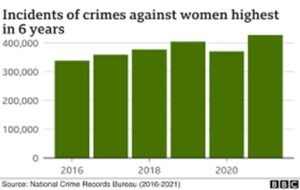
According to official police records:
- Total crimes against women in Wayanad show fluctuations:
- Around 266 cases (2021)
- Sharp rise to 1049 cases (2022)
- Around 526 cases (2024)
- Around 291 cases (2025)
Major categories of crimes include:
- Cruelty by husband or relatives (domestic violence)
- Assault with intent to outrage modesty (Section 354 IPC)
- Sexual harassment and insult to modesty
- Attempted rape and kidnapping cases
For example:
- Assault cases reduced from 199 to 71 (2021–2023), but still remain significant
- Domestic cruelty cases remain consistently high (over 100 cases annually)
👉 This shows that while some crimes fluctuate, violence within homes and harassment remain persistent issues.
- Domestic Violence and Family-Related Issues

One of the most serious concerns in Wayanad is domestic violence.
- Cases of cruelty by husbands or relatives are among the highest reported crimes.
- Women often face:
- Physical abuse
- Emotional and psychological harassment
- Dowry-related pressure
A women’s commission panel reported that:
- Domestic violence complaints have increased significantly in the district.
Reasons:
- Patriarchal family structure
- Alcohol abuse
- Financial stress
- Lack of awareness about legal rights
👉 Many cases go unreported due to fear, stigma, and economic dependency.
- Sexual Harassment and Workplace Safety

Another growing concern is sexual harassment in workplaces.
- Complaints have increased regarding:
- Harassment in offices and institutions
- Lack of grievance redressal mechanisms
According to reports:
- Many organisations do not properly implement the POSH Act (2013).
Key issues:
- Absence of Internal Complaints Committees
- Fear of job loss prevents reporting
- Informal sector workers (especially women in agriculture and tourism) are more vulnerable
👉 This shows that institutional safety mechanisms are still weak.
- Issues Faced by Tribal Women

Wayanad has a significant tribal population, and tribal women face unique safety challenges.
A study highlights:
- Around 16.3% of tribal women reported reproductive health problems
- Many women suffer from:
- Poor nutrition (low BMI in ~41.7%)
- Limited access to healthcare
- Early marriage and pregnancy issues
Safety concerns include the following:
- Exploitation due to poverty
- Lack of education and awareness
- Limited access to legal and police support
👉 Tribal women are more vulnerable due to social and economic marginalisation.
- Public Safety and Fear of Crime

Even when crime rates are comparatively lower than in urban areas, fear of crime remains high among women.
Common concerns:
- Unsafe public spaces at night
- Poor lighting and transport facilities
- Isolation in rural and forest areas
At the state level:
- Crimes such as eve-teasing and sexual offences have increased significantly in recent years
👉 This creates a psychological barrier, limiting women’s mobility and freedom.
- Emerging Issues: Cybercrime and Fraud
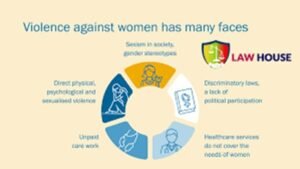
With increasing digital usage, cyber-related crimes and fraud are also emerging.
Example:
- A job scam case in Wayanad involved cheating people (including women) of ₹28 lakh through fake overseas job offers
Risks include:
- Online harassment
- Financial fraud
- Exploitation through fake job or marriage offers
👉 Women, especially job seekers, are becoming targets of digital exploitation.
- Impact of Tourism and Migration

Wayanad is a major tourist destination, which brings both opportunities and risks.
Issues:
- Unsafe or illegal tourism facilities
- Lack of proper regulation in remote resorts
- Increased interaction with outsiders
A reported incident involving a woman’s death at a tourist spot raised concerns about unsafe tourism practices
👉 This highlights the need for better regulation and safety monitoring in tourism areas.
- Institutional Challenges

Despite government initiatives, several challenges remain:
Police and enforcement issues:
- Lack of sufficient staff
- Limited preventive policing
- Inconsistent implementation of safety programs
Reports indicate:
- Preventive policing systems are not fully implemented due to resource constraints
Other issues:
- Delay in legal processes
- Low conviction rates
- Lack of awareness among women about their legal rights
- Government and Community Initiatives

Several initiatives have been introduced:
- Women’s helplines
- Pink Police Patrol
- Kudumbashree groups (women self-help groups)
- Awareness campaigns
However, challenges remain in:
- Implementation
- Accessibility in rural areas
- Continuous monitoring
- Key Challenges Summary
Major women safety issues in Wayanad include:
- High domestic violence rates
- Sexual harassment and weak workplace protection
- Vulnerability of tribal women
- Fear of crime in public spaces
- Emerging cyber and financial crimes
- Tourism-related safety risks
- Weak enforcement and institutional gaps
- Suggestions and Solutions

To improve women’s safety in Wayanad:
- Strengthening Law Enforcement
- Increase police presence in rural areas
- Improve response time and monitoring
- Awareness and Education
- Legal literacy programs for women
- Gender-sensitization programs in schools and workplaces
- Empowerment of Women
- Economic independence through employment
- Support for self-help groups
- Workplace Reforms
- Strict implementation of the POSH Act
- Mandatory complaint committees
- Focus on Tribal Areas
- Better healthcare and education
- Special protection programs
- Technology-Based Safety
- Mobile safety apps
- CCTV and smart surveillance
- Community Participation
- Local vigilance groups
- Encouraging reporting of crimes
- Conclusion
Although Wayanad is often perceived as a relatively safe district, women’s safety issues are real and complex. Domestic violence, harassment, socio-economic inequality, and institutional weaknesses continue to affect women’s lives.
Addressing these issues requires a combined effort from government, law enforcement, communities, and individuals. Ensuring safety is not just about reducing crime rates but also about creating an environment where women feel secure, respected, and empowered.