
The Wayanad district in Kerala is one of the most ecologically sensitive regions in India, located within the Western Ghats biodiversity hotspot. It is rich in forests, wildlife, rivers, and tribal communities. Because of its ecological importance, many areas in Wayanad are protected under forest and wildlife conservation laws.
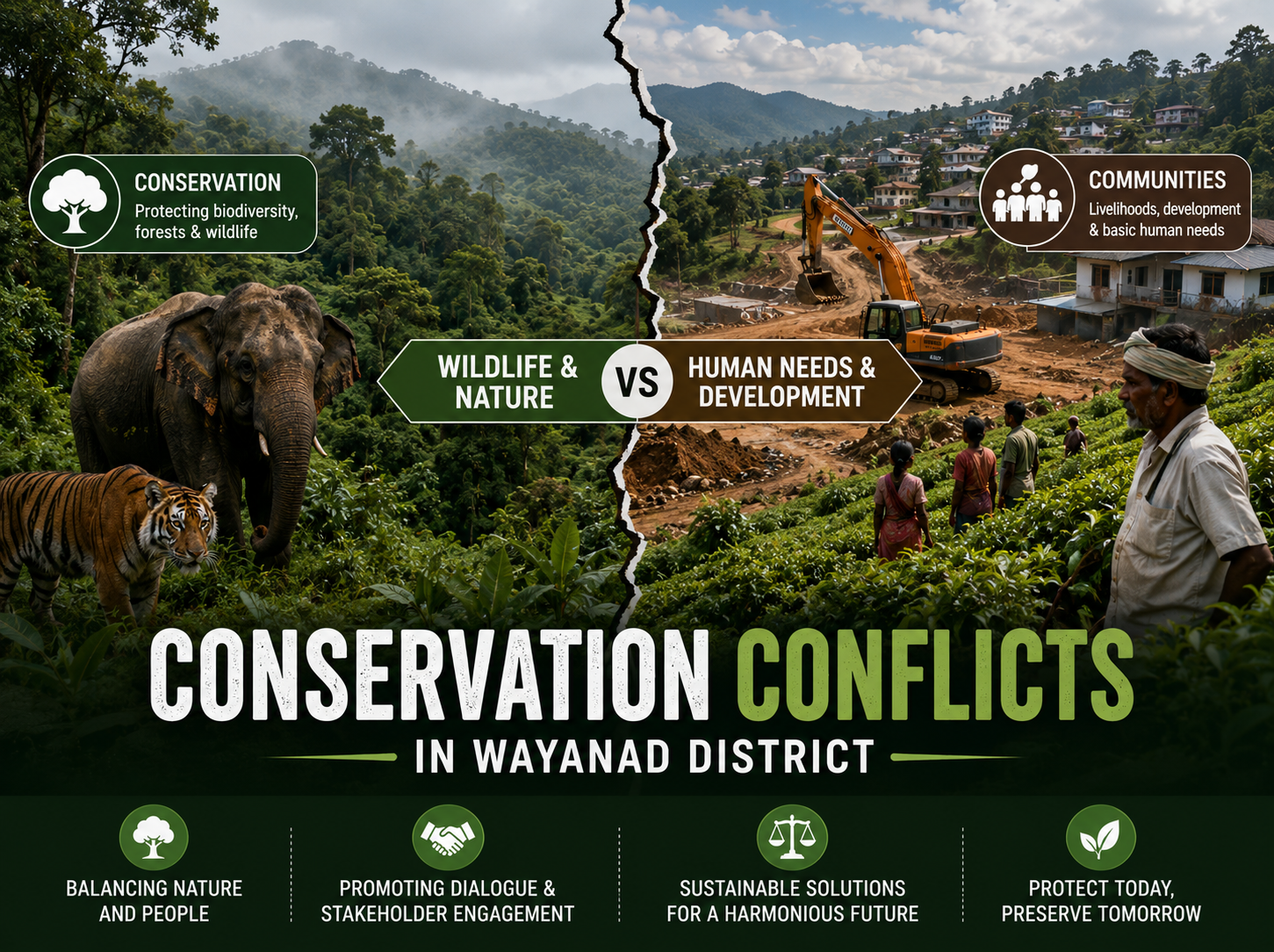
However, this has also led to a serious issue known as conservation conflicts. Conservation conflicts arise when efforts to protect nature and wildlife clash with the needs and rights of local people who depend on land and forest resources for their survival.
In Wayanad, conservation conflicts mainly involve forest protection vs human settlement, wildlife conservation vs agriculture, and environmental laws vs livelihood needs.
- Meaning of Conservation Conflict

A conservation conflict occurs when:
- Protecting forests and wildlife restricts human activities
- Human development and livelihood needs affect ecosystems
In Wayanad, this conflict is especially strong because:
- Large forest areas are inhabited or used by people
- Many tribal communities depend on forests
- Agriculture and plantations are close to wildlife habitats
👉 Thus, both human survival and environmental protection become competing priorities.
- Forest Conservation vs Human Settlement

One of the biggest conflicts in Wayanad is between forest conservation policies and human settlements.
Key issues:
- Some villages and farms are located near or inside forest areas
- Forest laws restrict construction and land use
- Government sometimes declares inhabited areas as protected zones
Result:
- Eviction notices and legal disputes
- Protest by local communities
- Uncertainty about land ownership
👉 People argue that they have lived there for generations, while authorities focus on forest protection.
- Wildlife Conservation vs Agriculture

Wayanad has a large population of wild animals such as elephants, leopards, and wild boars.
Conflicts include:
- Crop damage by elephants and wild animals
- Destruction of farmland
- Threat to human life in some cases
Farmers face:
- Financial losses due to crop destruction
- Fear of staying near forest boundaries
- Reduced agricultural productivity
👉 This creates a strong conflict between wildlife protection and farmer safety.
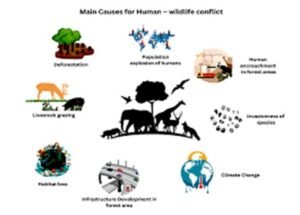
- Human-Wildlife Conflict

Human-wildlife conflict is one of the most serious conservation issues in Wayanad.
Common problems:
- Elephants entering villages
- Attacks on crops and property
- Occasional human injuries or deaths
Causes:
- Habitat loss due to deforestation
- Fragmentation of wildlife corridors
- Expansion of human settlements into forest areas
👉 Wildlife conservation becomes difficult when animals and humans compete for the same space.
- Tribal Rights vs Conservation Laws
Wayanad has a significant tribal population, including communities such as Paniyas, Kurichiyas, and Adiyas.
Conflict areas:
- Forest laws restrict traditional forest use
- Tribal communities depend on forests for livelihood
- Legal ownership of ancestral land is often unclear
Issues:
- Loss of access to forest resources
- Displacement or relocation in some cases
- Demand for recognition under Forest Rights Act
👉 This creates a sensitive conflict between indigenous rights and environmental protection.
- Tourism and Conservation Conflicts

Tourism is a major economic activity in Wayanad, but it also creates environmental pressure.
Problems:
- Construction of resorts in eco-sensitive areas
- Waste generation in forest regions
- Disturbance to wildlife habitats
Conflicts:
- Development vs conservation debate
- Local employment vs environmental damage
👉 While tourism supports livelihoods, it can also harm fragile ecosystems if unregulated.
- Development Projects vs Environment
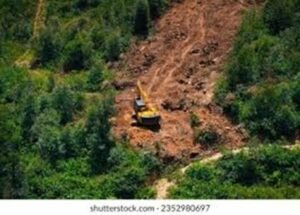
Infrastructure development often leads to conservation conflicts.
Examples:
- Road expansion through forest areas
- Quarrying and mining activities
- Urban expansion into forest zones
Impact:
- Deforestation
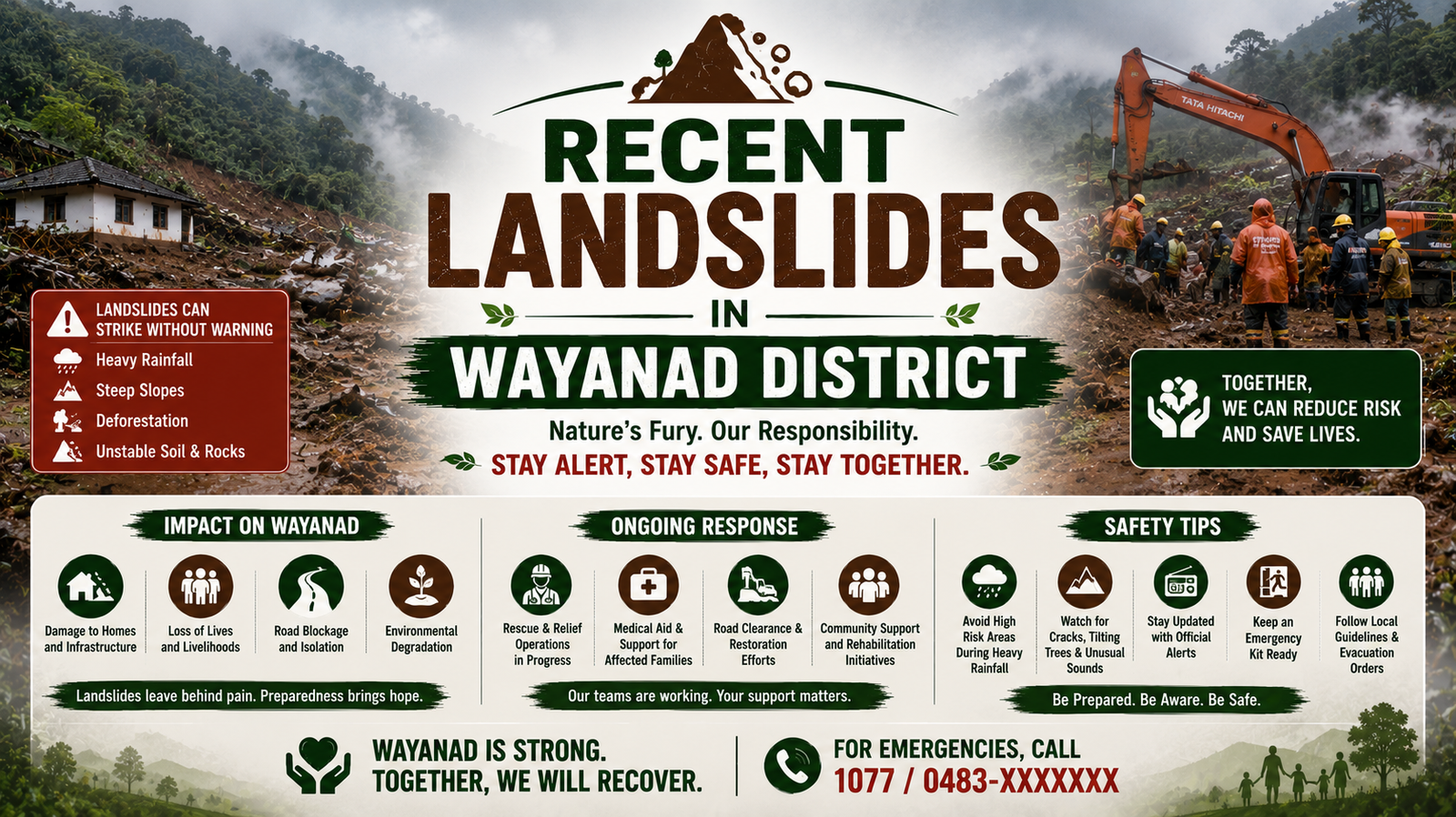
- Soil erosion and landslides
- Loss of biodiversity
👉 Development is necessary, but unplanned growth increases environmental risks.
- Role of Environmental Laws
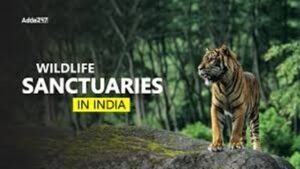
India has strong environmental laws, such as the following:
- Forest Conservation Act
- Wildlife Protection Act
- Eco-Sensitive Zone regulations
However, conflicts arise because:
- Laws restrict local land use
- Enforcement sometimes affects livelihoods
- Legal processes are slow
👉 Balancing law enforcement with human needs is a major challenge.
- Role of Government and Forest Department

The government tries to manage conservation conflicts through:
Measures:
- Declaring protected areas
- Compensation for crop damage
- Wildlife protection programs
- Relocation in sensitive zones
Challenges:
- Lack of proper communication with locals
- Delays in compensation
- Resistance from affected communities
- Role of Local Communities and NGOs
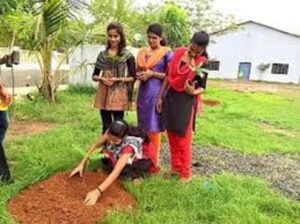
Local communities and NGOs play an important role in reducing conflicts.
Contributions:
- Promoting eco-friendly farming
- Awareness programs on conservation
- Participatory forest management
- Wildlife protection initiatives
👉 Community involvement helps create a balance between conservation and livelihood.
- Key Challenges
Major conservation conflicts in Wayanad include:
- Human-wildlife conflict
- Forest land vs settlement disputes
- Tribal land rights issues
- Tourism-related environmental damage
- Development vs conservation pressure
- Legal restrictions on local livelihoods
- Suggestions for Solutions

- Community-Based Conservation
- Involve local and tribal people in forest protection
- Wildlife Management
- Improve wildlife corridors
- Reduce human-animal conflict zones
- Sustainable Development
- Eco-friendly infrastructure planning
- Limit construction in sensitive areas
- Fair Compensation
- Quick relief for crop and property damage
- Awareness Programs
- Educate people on conservation importance
- Balanced Policy Approach
- Combine development needs with environmental protection
- Conclusion
Conservation conflicts in Wayanad reflect the difficult balance between protecting nature and supporting human life. As one of the most biodiverse regions in India, Wayanad requires strict conservation measures but also fair consideration of the needs of local communities.
A sustainable solution can be achieved only through cooperation between government, local people, NGOs, and environmental activists. The goal should be to protect forests and wildlife while ensuring that people living in and around these areas can also lead safe and dignified lives.