
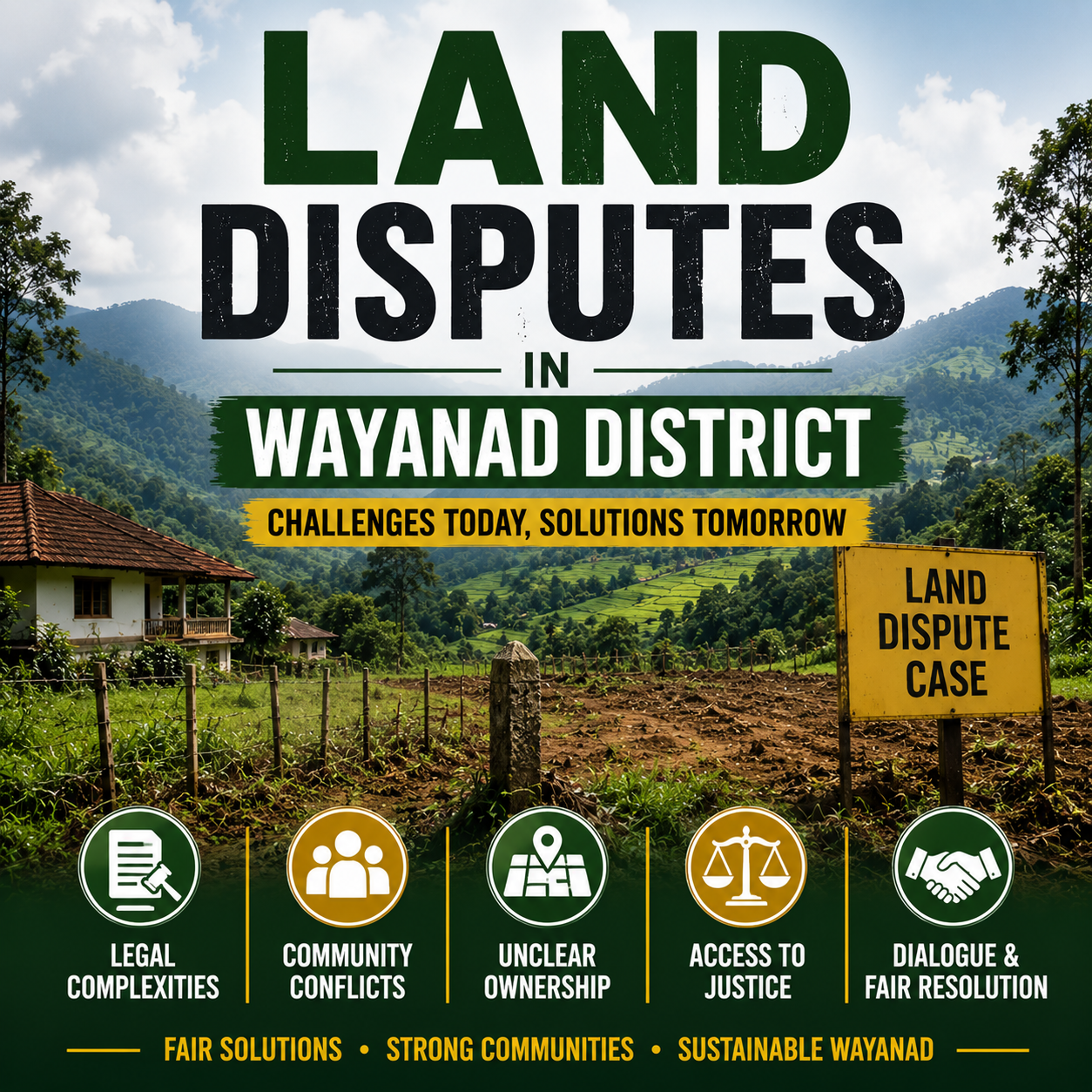
Wayanad district, located in the northern part of Kerala in the Western Ghats, is known for its rich biodiversity, agricultural economy, and significant tribal population. However, behind its natural beauty lies a long-standing social issue—land disputes.
Land disputes in Wayanad are complex and involve conflicts between tribal communities, settlers (migrants), farmers, government authorities, and private landowners. These disputes are deeply connected to history, land reforms, forest laws, and changing economic conditions.
Land is not just an economic asset in Wayanad; it is also tied to livelihood, identity, and survival, especially for tribal communities.
- Historical Background of Land Issues
The origin of land disputes in Wayanad can be traced back to:
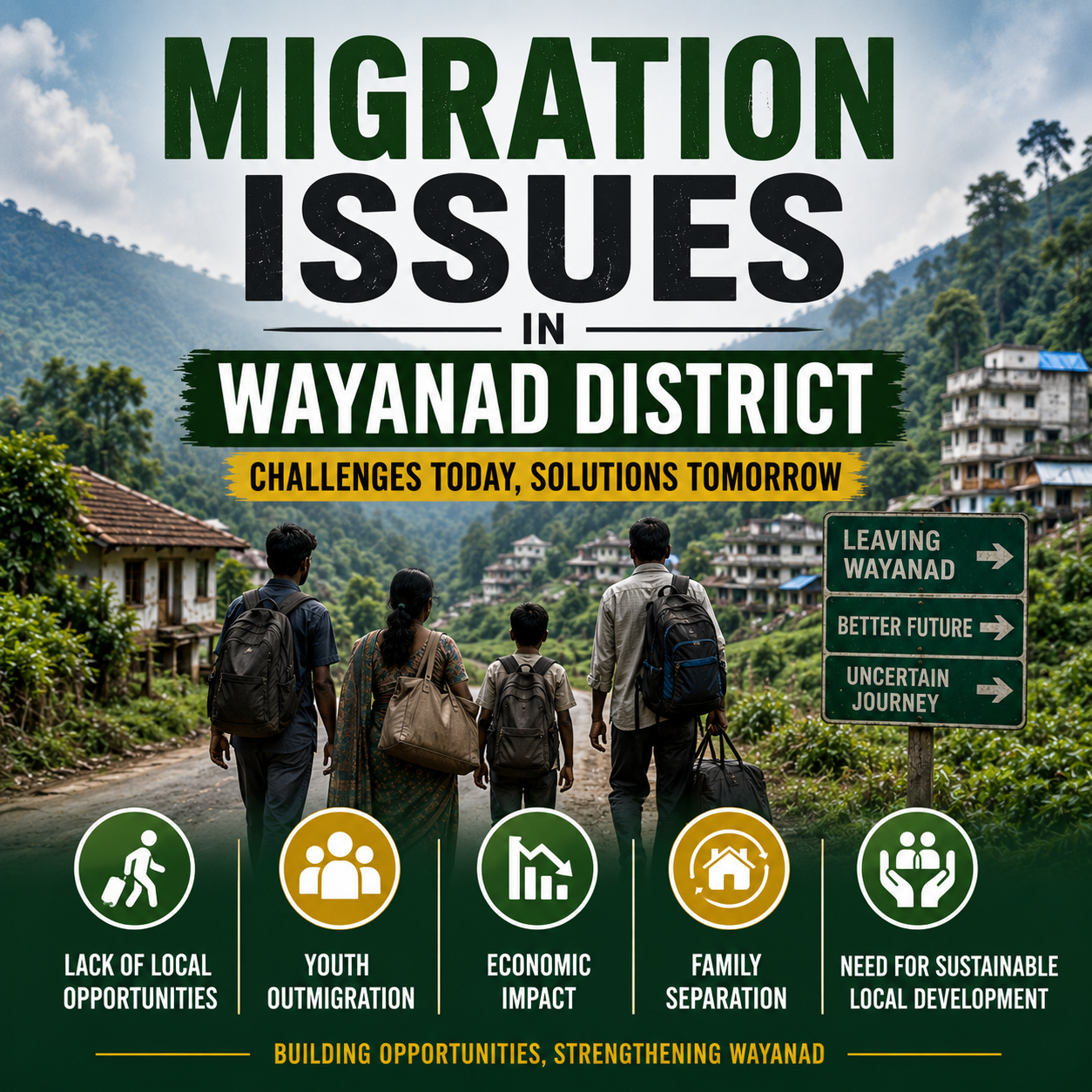
2.1 Migration and Settlement
- Large-scale migration from central Kerala into Wayanad began in the mid-20th century.
- Migrants cleared forest land for agriculture (coffee, pepper, spices).
- Many settlements were established without proper land titles.
2.2 Tribal Displacement
- Indigenous tribal communities like Paniyas, Kurichiyas, and Adiyas traditionally depended on forest land.
- With migration and plantation expansion, many tribals lost access to their ancestral land.
2.3 Forest Laws and Restrictions
- After forest conservation laws were implemented, many settlers and tribals faced restrictions on land use.
- Some areas became protected forest zones, creating legal confusion over ownership.
👉 These historical factors created a layered and unresolved land conflict system.
- Major Types of Land Disputes in Wayanad

3.1 Tribal Land Rights Issues
One of the most sensitive issues is tribal land ownership.
- Many tribals were historically dependent on forest land.
- Over time, they lost land due to encroachment, poverty, or lack of legal documents.
- Even today, land ownership disputes continue.
👉 This leads to poverty and social exclusion among tribal communities.
3.2 Encroachment and Illegal Occupation
- Some agricultural and plantation lands were developed on forest areas.
- Disputes arise when government identifies these as encroachments.
- Eviction notices often create tension between settlers and authorities.
3.3 Title and Documentation Problems
- Many landowners do not have proper title deeds.
- Old records are unclear or missing.
- Property inheritance disputes are common within families.
👉 Lack of proper documentation is a major cause of legal conflicts.
3.4 Government vs. Local Communities
- Forest department actions to reclaim encroached land sometimes lead to protests.
- Local farmers and residents argue that they have lived on the land for generations.
👉 This creates a conflict between environmental protection and human settlement rights.
3.5 Intra-Family Land Disputes
- Partition of ancestral property leads to disputes among family members.
- Disagreements over inheritance rights are common in rural areas.
- Causes of Land Disputes

4.1 Historical Migration
Unplanned settlement by migrants without proper land records.
4.2 Lack of Land Reforms Implementation
Even though Kerala has land reform laws, implementation gaps remain.
4.3 Poverty and Dependence on Land
Most people depend on agriculture, so land becomes a critical resource.
4.4 Weak Documentation System
Poor land record digitization and outdated surveys.
4.5 Forest Conservation Policies
Protected areas overlap with human settlements.
- Impact on Local Communities
5.1 Tribal Communities
- Loss of ancestral land
- Poverty and unemployment
- Social marginalization
5.2 Farmers and Settlers
- Legal insecurity over land ownership
- Fear of eviction
- Financial loss due to legal battles
5.3 Social Tension
- Conflicts between communities
- Protests and strikes
- Lack of trust in authorities
5.4 Economic Impact
- Reduced agricultural investment
- Uncertainty affects development
- Tourism and infrastructure projects sometimes delayed
- Environmental and Legal Dimensions
Land disputes in Wayanad are also linked to environmental concerns:
- Forest conservation laws restrict land use
- Eco-sensitive zones limit construction
- Illegal encroachment leads to environmental degradation
Legal issues include:
- Long court cases
- Complex land ownership records
- Multiple overlapping claims on the same land
- Government Initiatives and Policies
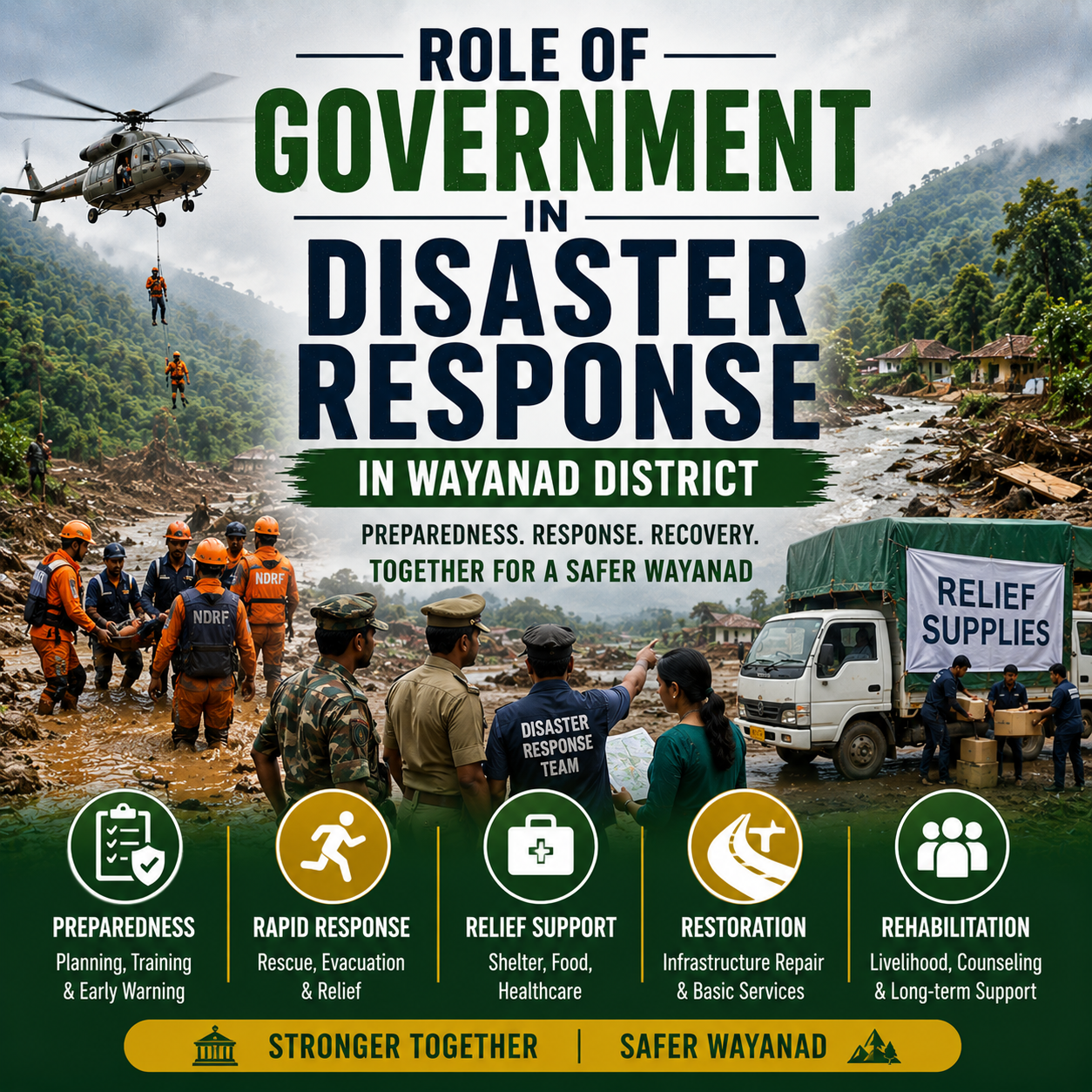
The government has taken several steps to address land disputes:
7.1 Land Regularisation Programs
- Attempts to legalize long-term settlers in certain areas
- Providing ownership rights in eligible cases
7.2 Tribal Land Protection Measures
- Schemes to restore land to tribal communities
- Special welfare programs
7.3 Digitization of Land Records
- Modern land survey systems
- Online record maintenance
7.4 Forest Rights Act Implementation
- Recognition of tribal rights over forest land
- Efforts to provide legal ownership in forest-dependent areas
👉 However, implementation remains uneven.
- Role of Judiciary and Legal System
- Courts play a major role in resolving land disputes.
- Many cases remain pending for years.
- Land dispute cases are often complex due to overlapping laws.
👉 Delay in justice increases social and economic uncertainty.
- Current Challenges
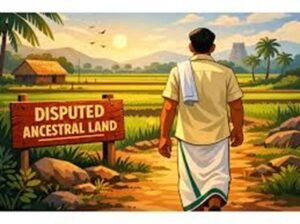
Despite efforts, major challenges remain:
- Conflicting claims over land ownership
- Lack of clear documentation
- Forest vs. settlement conflicts
- Tribal land alienation
- Long legal procedures
- Political and social sensitivity of the issue
- Suggestions for Improvement

10.1 Complete Land Survey
- Modern mapping of all land in Wayanad
10.2 Strengthen Land Records System
- Full digital land registry
- Transparent ownership data
10.3 Protect Tribal Land Rights
- Strict prevention of tribal land transfer
- Restoration programs
10.4 Fast-Track Courts
- Speed up land dispute cases
10.5 Awareness Programs
- Educate people about land laws and rights
10.6 Balanced Development Approach
- Combine environmental protection with human settlement needs
- Conclusion
Land disputes in Wayanad are a deeply rooted issue shaped by history, migration, forest laws, and socio-economic inequalities. These disputes affect tribal communities, farmers, and the overall development of the district.
Resolving these issues requires a balanced approach that respects environmental protection, human rights, and social justice. With proper governance, updated land records, and fair policies, Wayanad can move towards a more stable and equitable land system.