
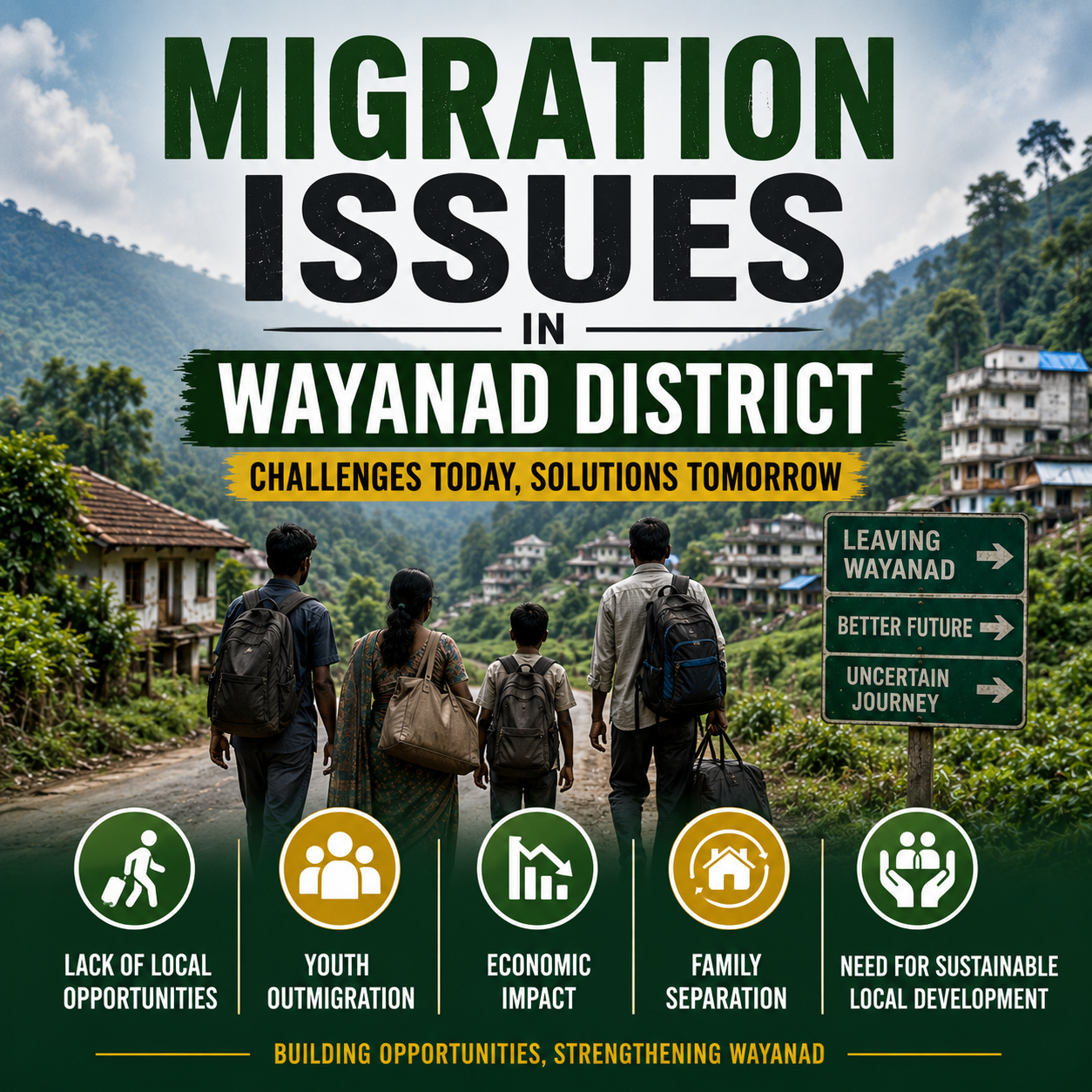
1.Introduction — Understanding Migration in Wayanad
Migration refers to the movement of people from one place to another in search of better opportunities, employment, or safety. In Wayanad district, migration has long been a multidimensional phenomenon, involving both in‑migration of workers from other regions and out‑migration of local residents seeking work or better livelihoods. These flows affect the demographic structure, labour markets, culture, and social fabric of the district.
- Types of Migration Affecting Wayanad
2.1 In‑Migration of Labour
Wayanad has emerged as an area that attracts migrant workers from other parts of India due to the demand for labour in plantations, hospitality, construction, and related sectors. A migration profile of Wayanad shows that plantation work often draws labourers from neighbouring states like Karnataka and Tamil Nadu, while hospitality and construction sectors employ workers from states such as West Bengal, Assam, Rajasthan, Bihar, Odisha, and sometimes even Nepal and Bangladesh.
Many of these migrants live in informal settlements around urban centres like Kalpetta, Sulthan Bathery, and Mananthavady, or directly near their work sites, forming distinct migrant clusters in the district.
2.2 Seasonal and Circular Migration
Within Wayanad’s local population — especially among tribal communities — seasonal migration is common. Many tribal workers and local residents move temporarily to nearby agricultural fields or towns for short periods (e.g., harvest seasons or construction work), rather than settling permanently in other places. A study on tribal labour patterns in Wayanad notes that most migration among tribal workers is daily or seasonal, not permanent.
2.3 Historical Migration and Its Legacy
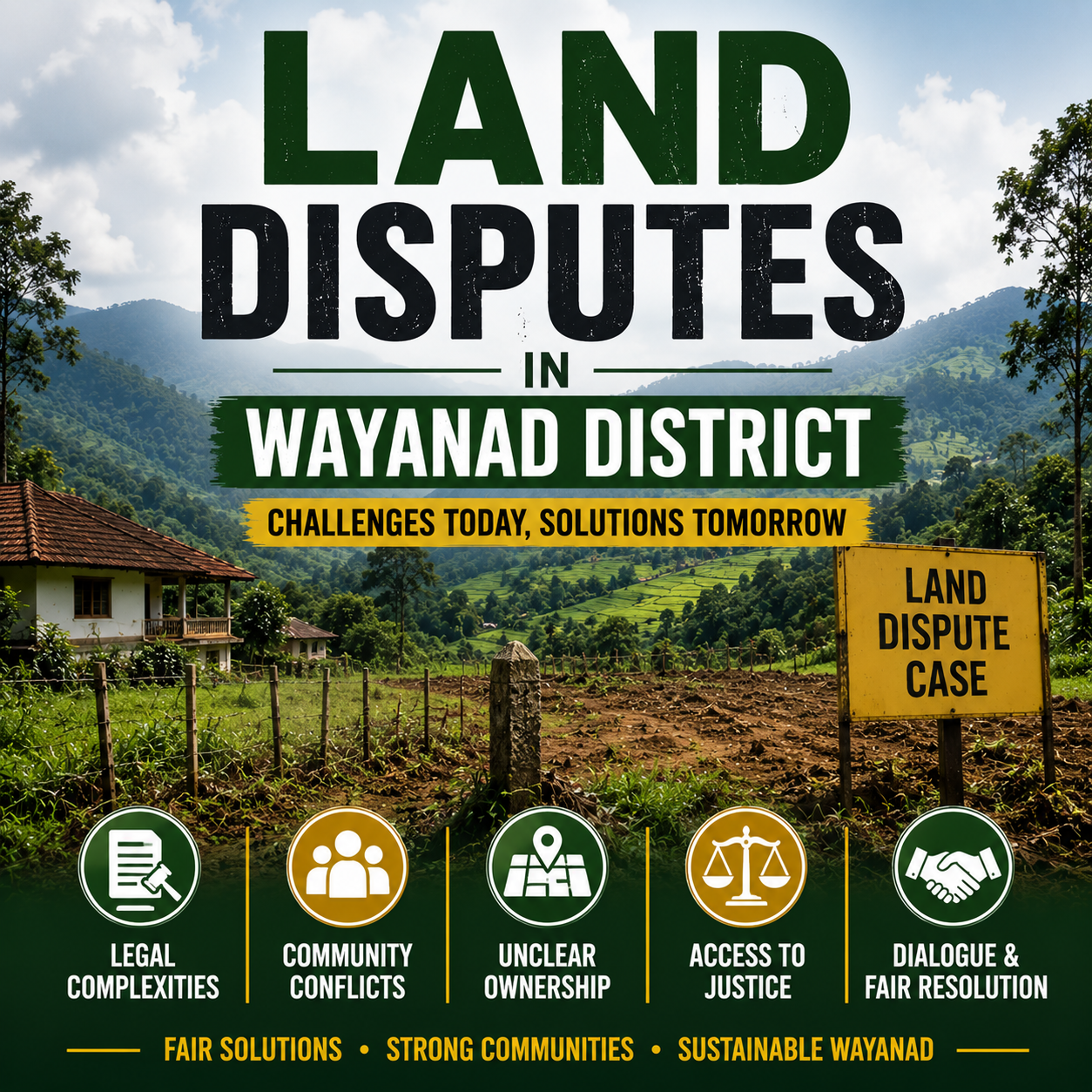
Wayanad’s migration history is also linked to internal settlement patterns from earlier decades. In the mid‑20th century, internal agrarian migration from Travancore and neighbouring regions reshaped Wayanad’s economy and demographic mix, drawing non‑local settlers who established farms, businesses, and communities. This migration helped develop agriculture but also contributed to land competition, tribal marginalisation, and deforestation, with long‑term socio‑economic impacts.
- Causes and Drivers of Migration
3.1 Economic Opportunities and Labor Demand
One of the strongest drivers of migration in Wayanad is labour demand in plantation agriculture, construction, and other manual sectors. The local economy, heavily dependent on coffee, pepper, and cash crops, has a persistent need for hands during peak seasons — outstripping the capacity of local labour supply and attracting migrant workers from outside.
However, declining agricultural productivity, rising costs of production, and labour shortages due to out‑migration of local workers have pushed farmers to hire external workers, reinforcing in‑migration.
3.2 Livelihood Pressures and Limited Local Opportunities
Many local residents — including tribal and rural populations — migrate seasonally or permanently because of limited job opportunities within the district. Agriculture alone cannot sustain year‑round employment, and many households seek alternative work in towns or outside Kerala for better wages.
3.3 Climatic and Agricultural Challenges
Environmental stressors, including unpredictable monsoon patterns and extreme weather events, have reduced crop yields and made traditional farming less reliable. As labour becomes scarcer or less profitable in agriculture, more people — especially younger workers — leave in search of work elsewhere, both within and outside the district.
- Impacts of Migration
4.1 Economic Contributions and Labour Supply
Migrant workers significantly support Wayanad’s economy by filling labour gaps in plantations, construction sites, and hospitality services. Their contributions help sustain agricultural production, infrastructure development, and services, particularly in peak seasons.
4.2 Cultural and Social Dynamics
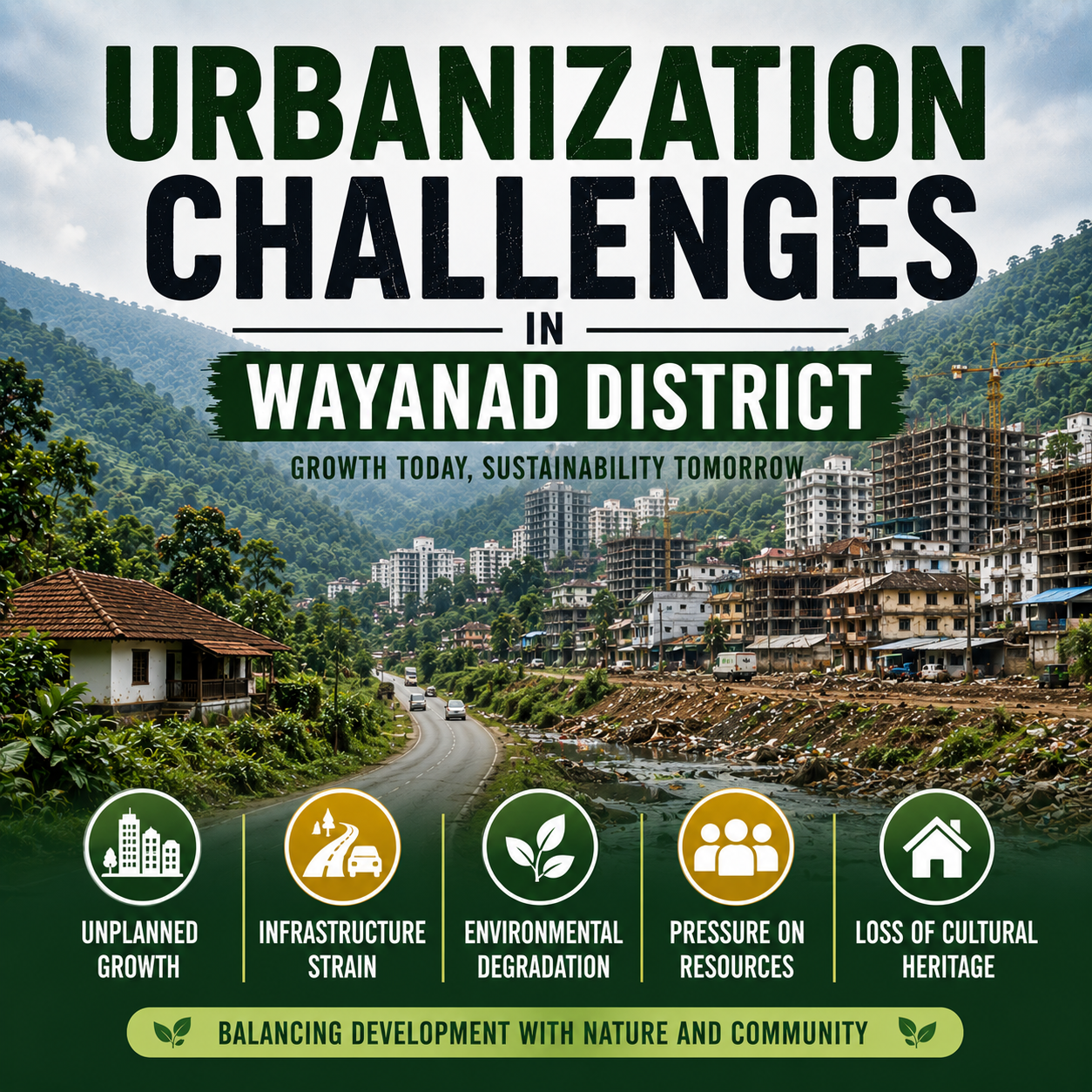
In‑migration introduces cultural diversity in Wayanad, as workers from different states bring varied languages, traditions, and social practices. While this can enrich local culture, it also poses challenges in social integration, local resource usage, and service provision — especially in health, housing and schooling for migrant families.
4.3 Challenges for Migrant Workers
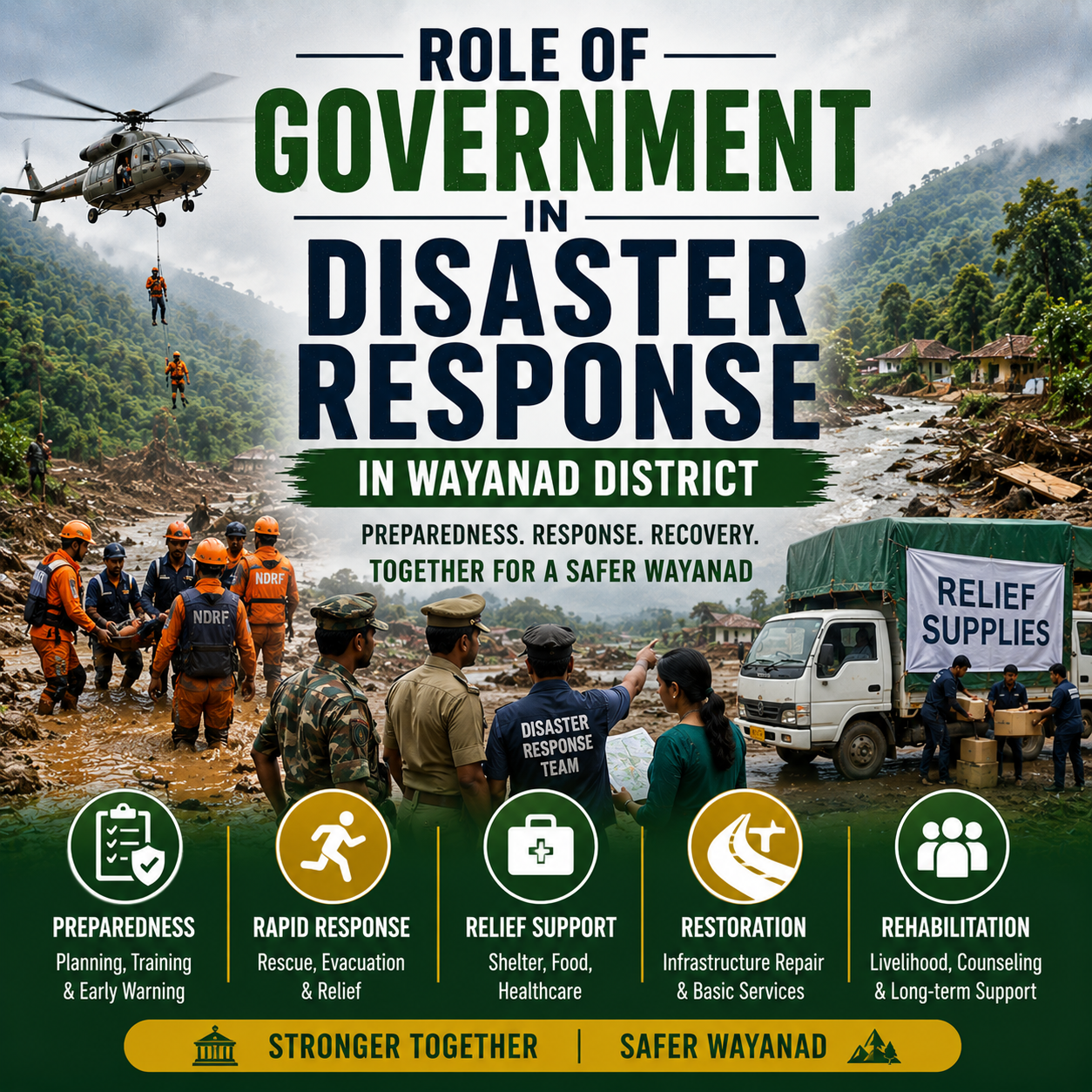
Migrant labourers often face vulnerabilities related to informal work contracts, lack of social security, substandard housing, and limited access to public services. Documentation gaps also exacerbate these issues, leaving many migrant families without official support or recognition. For example, after the catastrophic landslide of 2024, gaps in migrant worker documentation complicated rescue and support efforts for affected labourers.
4.4 Effects on Local Communities
Local out‑migration, particularly among educated youth and agricultural workers, creates labour shortages in rural Wayanad and contributes to changes in family structures and community networks. When local workers leave, farms and small enterprises sometimes struggle to find stable labour, leading to more reliance on migrants.
- Migration and Tribal Life
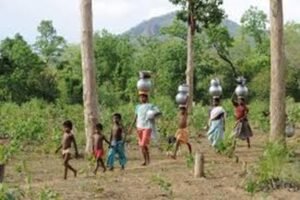
Migration also intersects with tribal community dynamics. Historical migratory settlement of non‑tribal groups and agricultural expansion contributed to displacement, marginalisation, and loss of traditional lands for indigenous tribes such as the Paniya and Adiya communities. These communities often see migration as both a cause and a consequence of socio‑economic marginalisation.
Studies show that tribal people who migrate for labour face challenges in maintaining traditional practices and livelihoods, even as their original communities face land alienation and reduced access to forest resources.
- Government Policies and Instruments
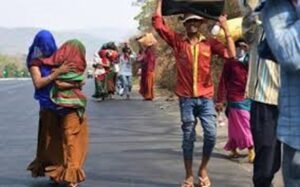
Kerala, as a state, does not restrict internal migration, but issues such as labour registration, worker protections, documentation, and social security are often weakly implemented. Migrant workers in Wayanad often remain informal and unregistered, creating challenges in accessing health, education, and welfare benefits.
There have been calls for stronger labour protections and better documentation systems to ensure that migrants receive entitlements and protections under Indian labour laws and social schemes.
- Challenges and Policy Gaps
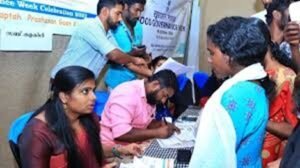
7.1 Data and Documentation Gaps

Accurate data on migrant workers — especially from informal sectors — is lacking. As seen in rescue operations after the Wayanad landslides, undocumented workers are difficult to track, assist, and protect, reflecting a broader gap in labour registration and migrant support.
7.2 Social Integration and Service Access
Migrant families often have limited access to local services like schooling, health care, and housing due to registration issues, language barriers, and lack of targeted welfare programmes.
7.3 Local Discontent and Policy Discourse
Rapid population change due to migration sometimes fuels political and social discourse around resource allocation, cultural change, and job competition. These dynamics require careful management to maintain communal harmony.
- Conclusion — Towards Balanced Migration Policy
Migration in Wayanad is both a source of economic strength and a complex social challenge. For a more equitable future, policies should aim to:
- Strengthen labour rights, documentation, and social protection for migrant workers.
- Improve data collection and service access for migrants and their families.
- Support local employment creation to reduce seasonal out‑migration.
- Enhance social integration programmes that respect cultural diversity and community needs.
By addressing the multifaceted aspects of migration, Wayanad can harness its economic potential while safeguarding the wellbeing of all residents — local and migrant alike.