
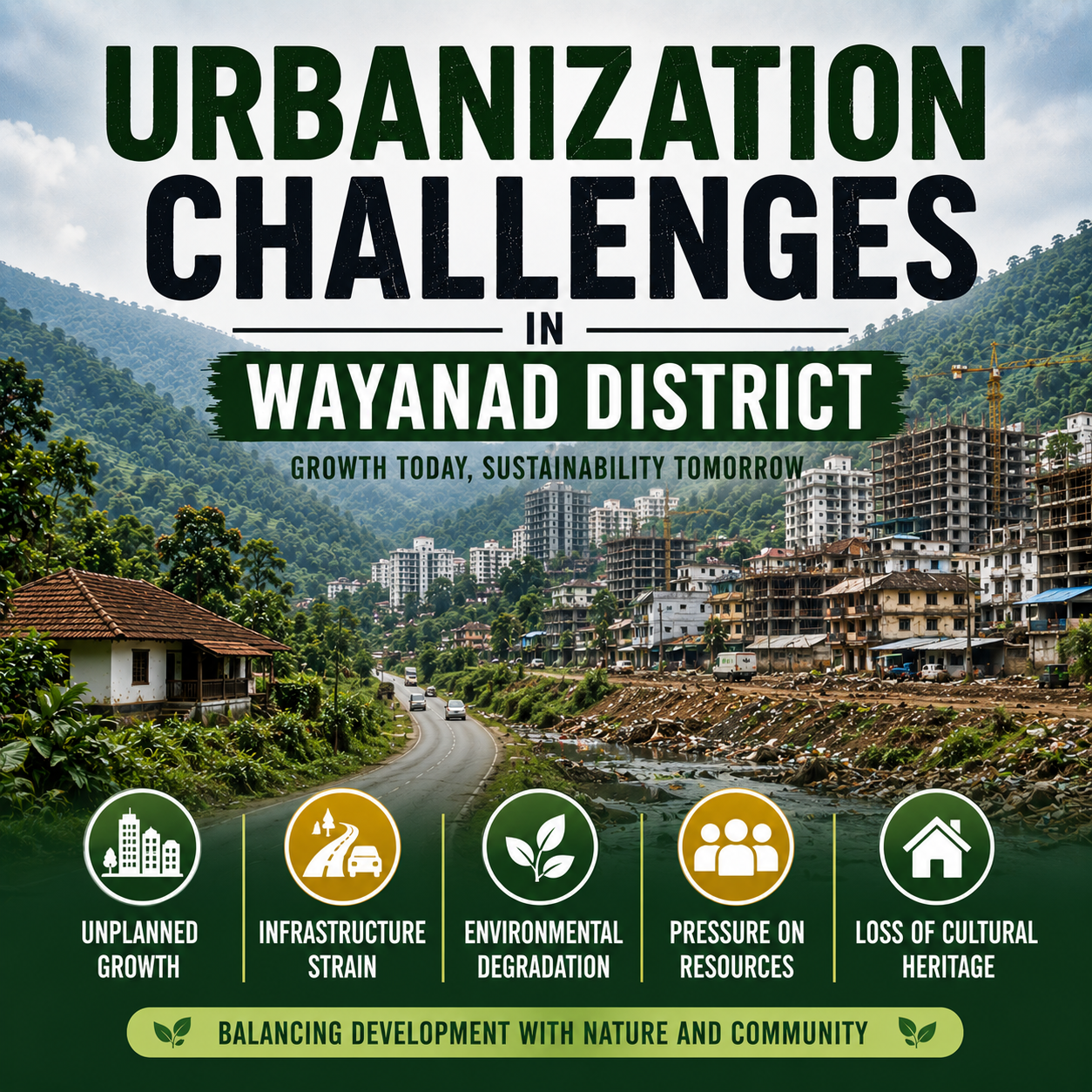
Wayanad district, located in the northern part of Kerala within the Western Ghats, is widely known for its green landscapes, forests, wildlife, tribal communities, and agricultural economy. Unlike highly urbanised districts, Wayanad is still largely rural in nature. However, in recent years, the district has been experiencing gradual urbanisation due to population growth, tourism development, infrastructure expansion, and migration.
Urbanisation refers to the process by which rural areas develop into urban or semi-urban spaces with increased population density, infrastructure, industries, and commercial activities. While urbanization brings development and better facilities, in Wayanad, it also creates several environmental, social, and economic challenges due to its fragile ecosystem.
- Nature of Urbanization in Wayanad
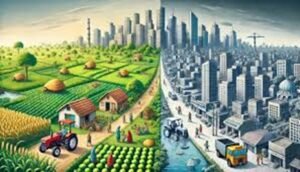
Urbanisation in Wayanad is not as rapid as in major cities, but it is slow and uneven. Key characteristics include the following:
- Growth of towns like Kalpetta, Sulthan Bathery, and Mananthavady
- Expansion of roads, commercial buildings, and tourism infrastructure
- Increase in resorts, homestays, and shops
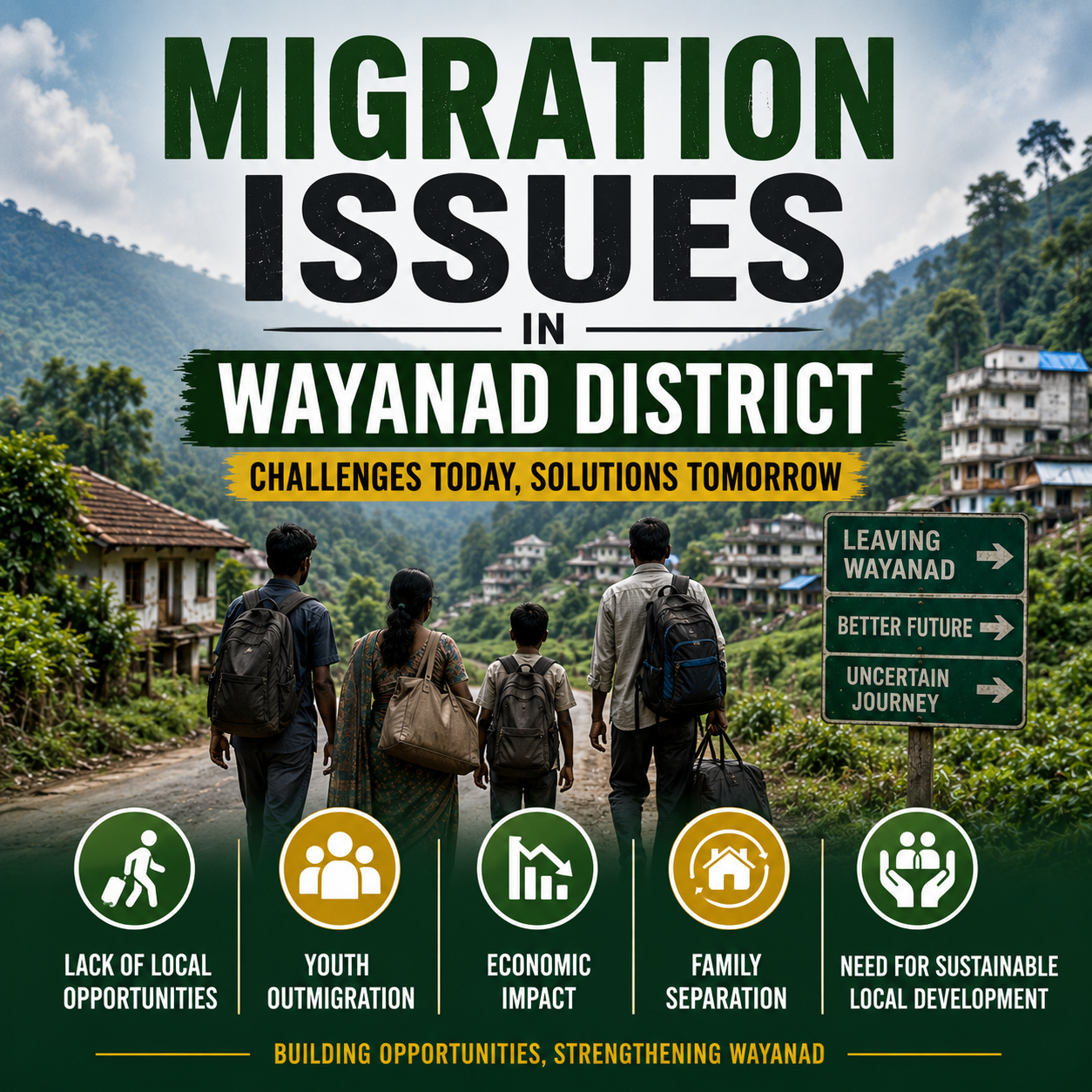
- Migration from rural areas to small towns for jobs and education
👉 This form of urbanisation is often referred to as semi-urban or rural-urban transition.
- Causes of Urbanization in Wayanad
3.1 Tourism Growth
- Wayanad is a major tourist destination
- Increase in hotels, resorts, and transport facilities
- Tourism drives commercial expansion
3.2 Population Growth and Migration
- Migration from nearby districts and states
- Movement of rural people to towns for jobs and education
3.3 Infrastructure Development
- Expansion of roads and highways
- Improved transport and communication networks
- Growth of public services in towns
3.4 Commercial Expansion
- Growth of markets and business centers
- Increase in small industries and services
3.5 Education and Employment Opportunities
- More schools, colleges, and institutions in towns
- Youth are moving towards urban centers for better opportunities
- Major Urbanization Challenges in Wayanad
4.1 Environmental Degradation
One of the biggest challenges of urbanisation in Wayanad is environmental damage.
- Deforestation for construction
- Loss of agricultural land
- Pollution of water bodies
- Reduction in biodiversity
👉 Since Wayanad is part of the Western Ghats, even small environmental changes have major impacts.
4.2 Unplanned Construction
- Rapid building of houses, shops, and resorts
- Lack of proper urban planning
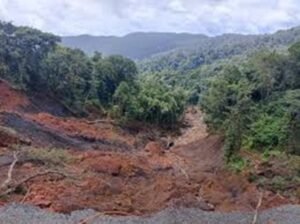
- Construction in eco-sensitive zones
👉 This increases the risk of landslides and environmental imbalance.
4.3 Traffic and Transport Issues
- Increasing number of vehicles in towns
- Traffic congestion in small urban centers
- Poor road infrastructure in some areas
4.4 Pressure on Natural Resources
- Overuse of water resources
- Depletion of groundwater levels
- Increased demand for electricity and land
4.5 Loss of Agricultural Land
- Farmlands converted into residential or commercial areas
- Decline in traditional farming activities
- Reduced food production locally
4.6 Impact on Tribal Communities
- Urban expansion affects tribal settlements
- Loss of access to traditional land and forests
- Cultural changes and social displacement
4.7 Waste Management Problems
- Increase in plastic and solid waste
- Improper disposal in towns and tourist areas
- Pollution of rivers and forests
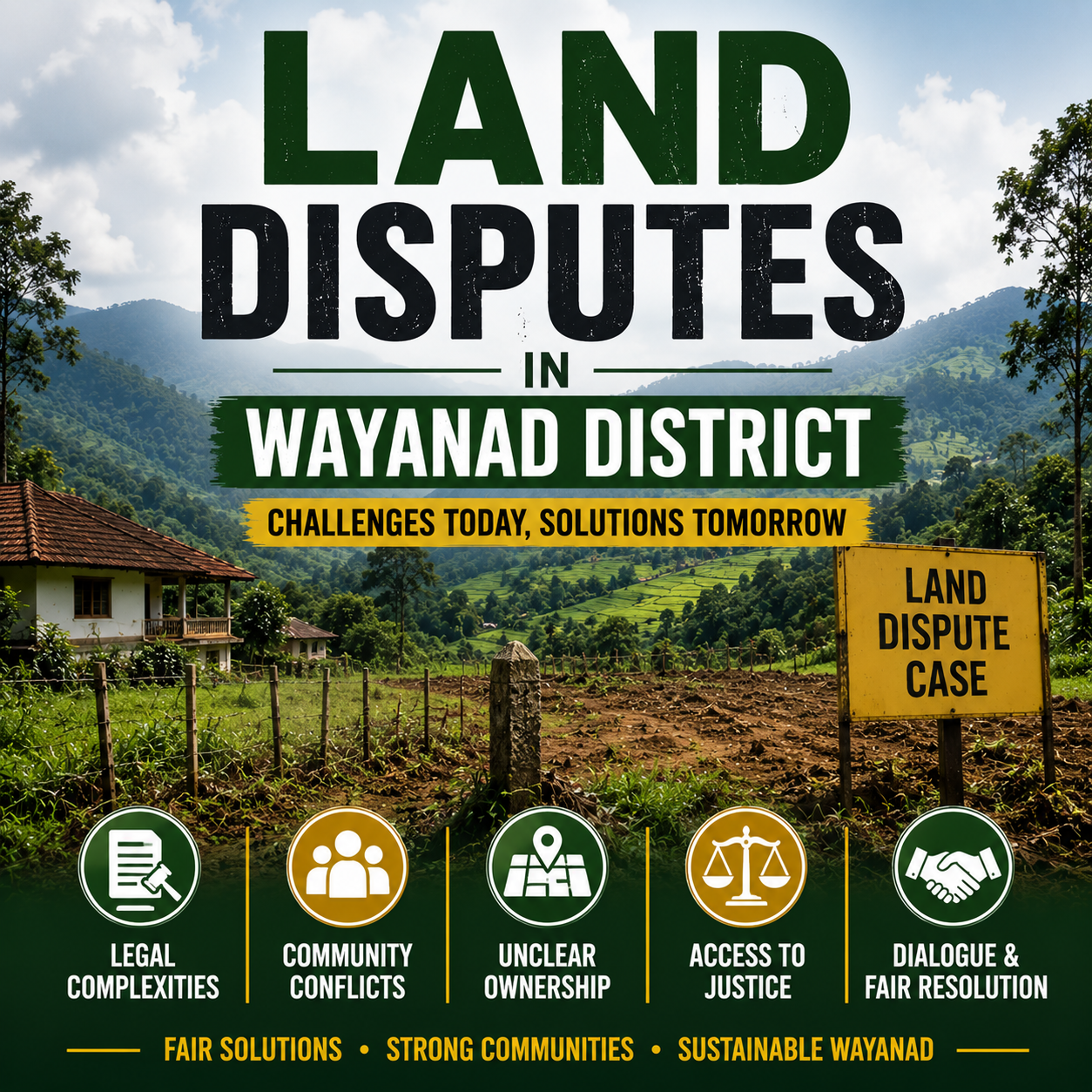
4.8 Housing and Land Price Increase
- Rising land prices in towns
- Difficulty for low-income families to buy land
- Expansion of informal settlements
4.9 Strain on Public Services
- Pressure on schools and hospitals
- Overcrowding in urban facilities
- Limited expansion of civic infrastructure
- Impact of Urbanization
5.1 Positive Impacts
- Better infrastructure and roads
- Improved access to education and healthcare
- Growth of employment opportunities
- Development of tourism and trade
5.2 Negative Impacts
- Environmental damage and deforestation
- Loss of agricultural land
- Social inequality between rural and urban populations
- Cultural changes in traditional communities
- Increased risk of natural disasters
- Urbanization and Tourism Link
Tourism plays a major role in urbanisation in Wayanad.
Positive effects:
- Growth of hotels and transport services
- Job creation for local people
- Development of towns
Negative effects:
- Overcrowding in tourist areas
- Pressure on forests and water resources
- Unplanned resort construction
👉 Tourism-driven urbanisation must be carefully managed to avoid environmental harm.
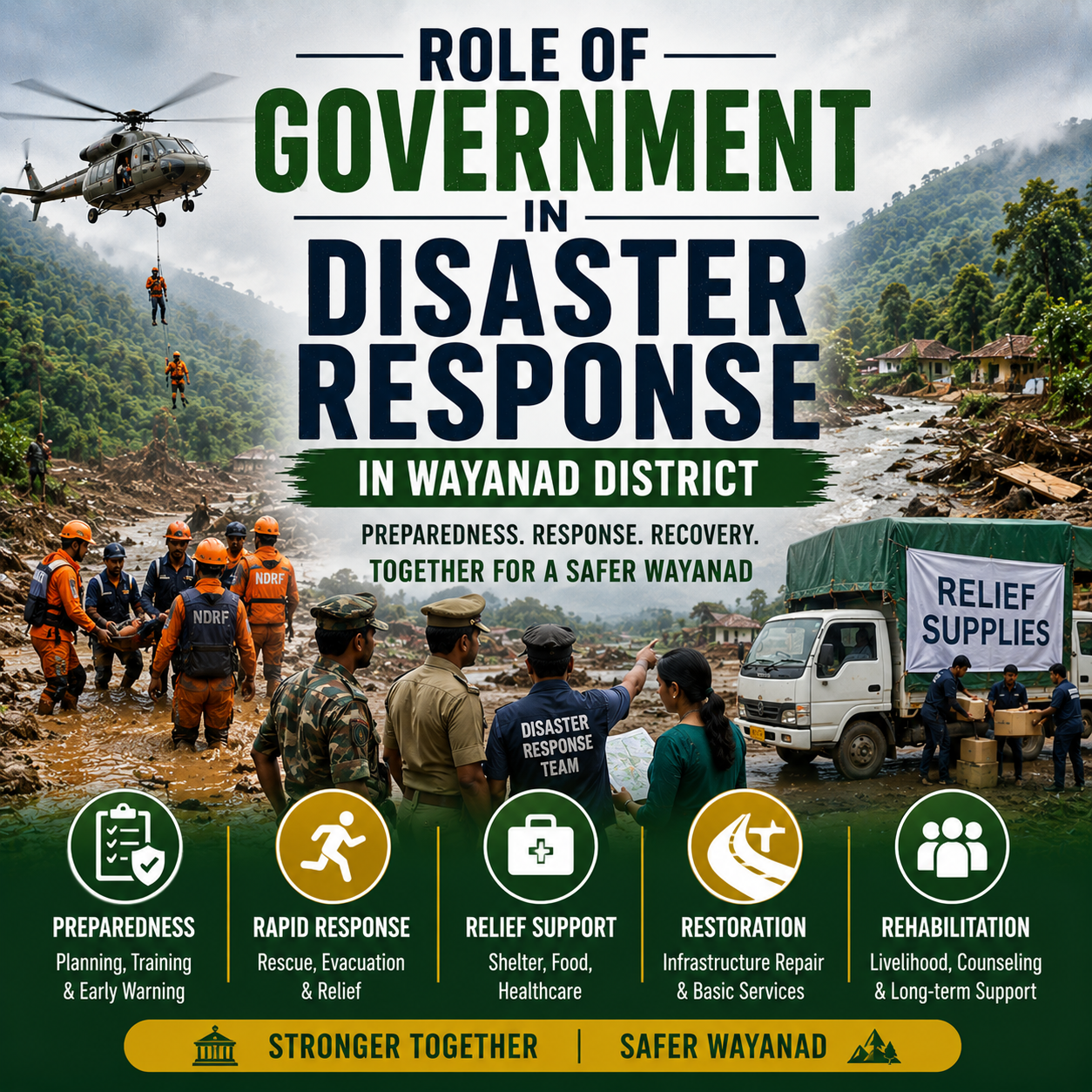
- Government Initiatives
The government has introduced measures to manage urbanisation:
7.1 Town Planning Schemes
- Regulation of construction in urban areas
- Zoning of residential and commercial spaces
7.2 Environmental Protection Laws
- Eco-sensitive zone regulations
- Forest conservation policies
7.3 Infrastructure Development
- Road improvement projects
- Expansion of public services
7.4 Waste Management Programs
- Clean Kerala Mission initiatives
- Plastic waste reduction campaigns
👉 However, enforcement and implementation remain challenging.
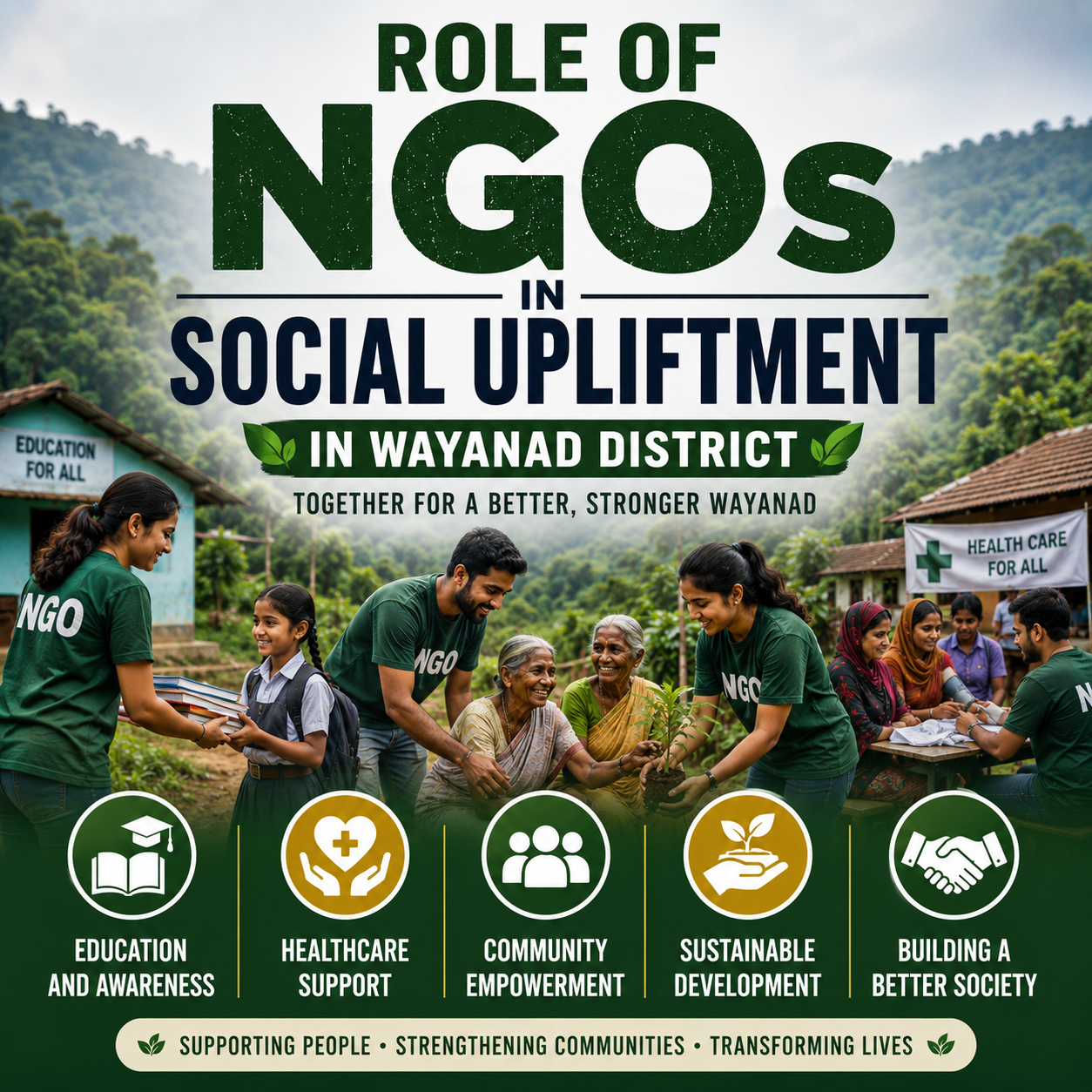
- Role of Local Communities
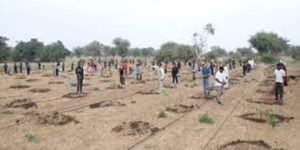
Local communities play an important role in sustainable urbanisation:
- Participation in environmental protection
- Promotion of eco-friendly tourism
- Protection of agricultural land
- Awareness about sustainable living
👉 Community involvement is essential for balanced development.
- Challenges in Managing Urbanization
- Lack of proper urban planning
- Weak enforcement of environmental laws
- Rapid growth of tourism infrastructure
- Population pressure in small towns
- Climate change and disaster risks
- Suggestions for Sustainable Urbanization
10.1 Planned Development
- Proper land-use planning
- Controlled expansion of towns
10.2 Environmental Protection
- Strict control on deforestation
- Protection of eco-sensitive zones
10.3 Sustainable Tourism
- Eco-friendly resorts and practices
- Limiting overcrowding in tourist areas
10.4 Waste Management
- Improved recycling systems
- Awareness programs for citizens
10.5 Protection of Agriculture
- Encourage farming activities
- Prevent unnecessary conversion of farmland
- Conclusion
Urbanisation in the Wayanad district is a slow but steady process influenced by tourism, infrastructure development, and population changes. While it brings economic growth and better facilities, it also creates serious challenges such as environmental degradation, loss of farmland, and pressure on natural resources.
Since Wayanad is an ecologically sensitive region, urbanisation must be carefully planned and regulated. A balanced approach that combines development with environmental conservation and community welfare is essential for the sustainable future of the district.