
‘Public health’ refers to the science and practice of preventing disease, prolonging life, and promoting health through organised efforts of society. It includes access to healthcare services, sanitation, nutrition, clean water, and disease prevention.
Wayanad district, located in the ecologically sensitive Western Ghats region of Kerala, is known for its forests, tribal communities, agriculture, and tourism. Although Kerala has a strong healthcare system compared to many Indian states, Wayanad still faces several public health challenges due to its geography, socio-economic conditions, tribal population, and environmental factors.
Public health concerns in Wayanad are influenced by both natural conditions and human development issues, making healthcare delivery complex in remote areas.
- Healthcare Infrastructure in Wayanad
Wayanad has a mix of government and private healthcare facilities, including:
- District hospital in Kalpetta
- Taluk hospitals in Sulthan Bathery and Mananthavady
- Primary Health Centres (PHCs) in rural areas
- Private hospitals and clinics
However, despite these facilities, healthcare access is unevenly distributed, especially in remote tribal settlements and hilly regions.
Key limitations:
- Shortage of specialist doctors
- Limited emergency medical services in remote areas
- Long travel distances for advanced treatment
- Poor connectivity affecting ambulance response times
- Major Public Health Concerns
3.1 Malnutrition and Child Health Issues
Malnutrition is a serious concern, especially among tribal communities.
- High levels of undernutrition in children
- Low birth weight cases in some rural areas
- Anaemia among women and adolescents
- Lack of a balanced diet due to poverty
👉 These issues affect physical and cognitive development.
3.2 Communicable Diseases
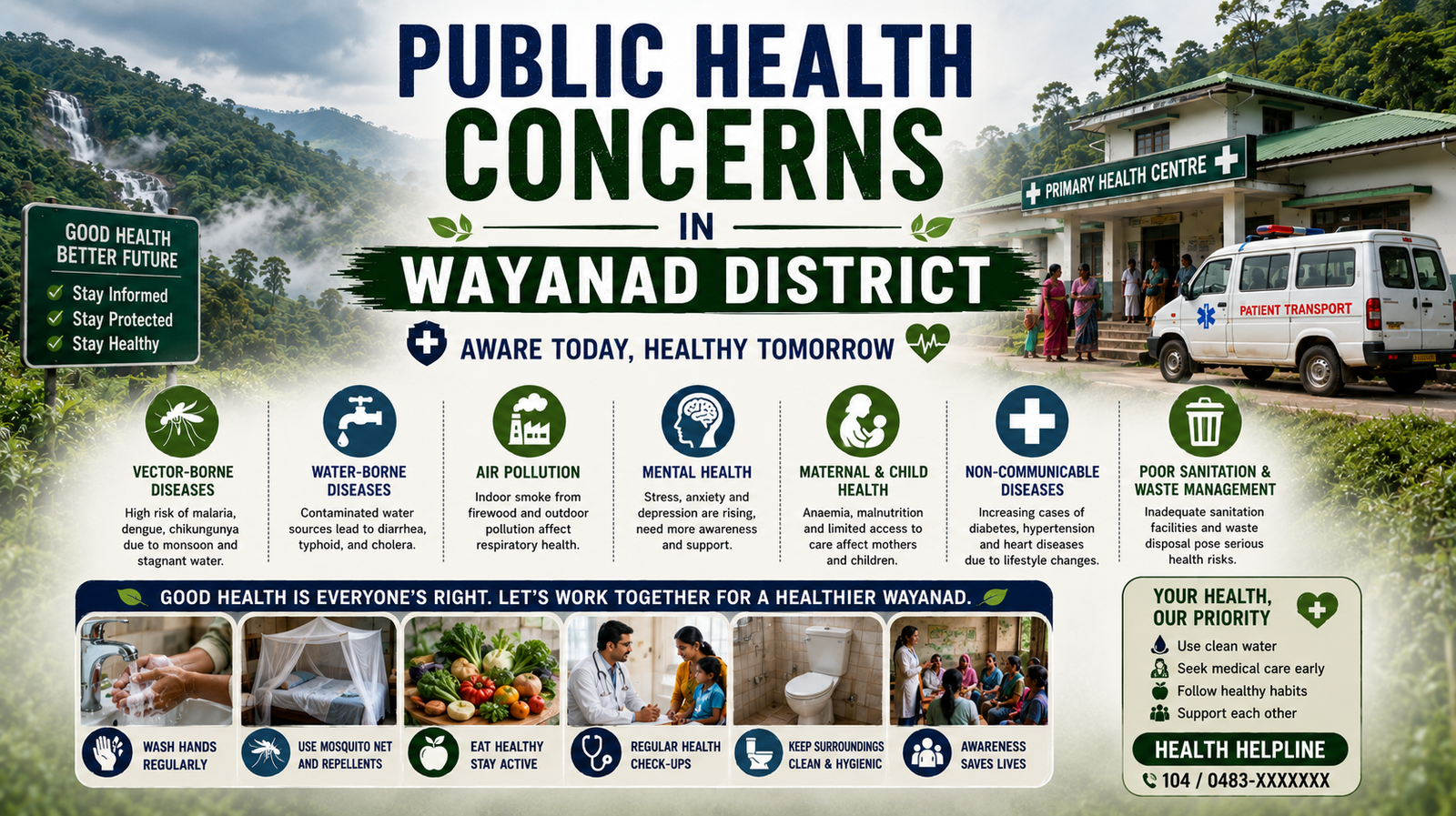
Wayanad faces several infectious diseases due to the climate and living conditions.
Common diseases include:
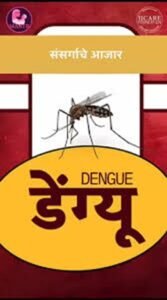
- Dengue and malaria (mosquito-borne diseases)
- Water-borne diseases like diarrhea and typhoid
- Seasonal viral fevers
Causes:
- Stagnant water during the monsoon
- Poor sanitation in some areas
- Limited awareness about prevention
3.3 Lifestyle Diseases
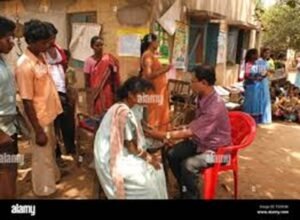
Like many parts of Kerala, Wayanad is also experiencing an increase in non-communicable diseases.
- Diabetes
- Hypertension (high blood pressure)
- Heart diseases
- Obesity in urbanizing areas
👉 Changing food habits and reduced physical activity contribute to these diseases.
3.4 Tribal Health Issues
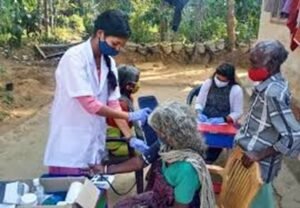
Wayanad has a significant tribal population, and they face unique health challenges.
- Limited access to hospitals
- Poor maternal and child healthcare
- Higher rates of malnutrition
- Dependency on traditional medicine in remote areas
👉 Geographical isolation worsens healthcare delivery.
3.5 Mental Health Concerns
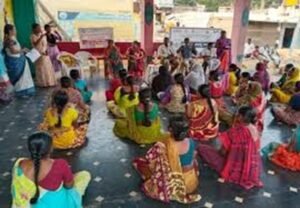
Mental health is an emerging issue in Wayanad.
- Stress due to poverty and unemployment
- Substance abuse in some areas
- Lack of mental health awareness
- Limited psychiatric services in rural regions
👉 Social stigma often prevents people from seeking treatment.
3.6 Water and Sanitation Problems
Water quality and sanitation directly affect public health.
- Contaminated drinking water in some villages
- Open drainage systems in rural settlements
- Seasonal water scarcity
- Improper waste disposal leads to pollution
👉 These conditions increase the spread of diseases.
3.7 Maternal and Child Health Issues
Although Kerala has good maternal health indicators, Wayanad still faces challenges:
- Limited antenatal care in remote areas
- Difficult access to hospitals during emergencies
- High-risk pregnancies in tribal communities
- Lack of nutrition during pregnancy
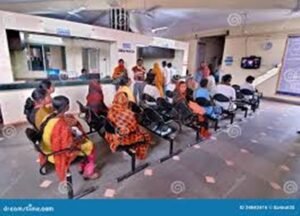
- Impact of Public Health Problems
4.1 Social Impact
- Reduced quality of life
- Increased dependency on healthcare systems
- Inequality between rural and urban populations
4.2 Economic Impact
- Loss of productivity due to illness
- High medical expenses for families
- Reduced workforce efficiency
4.3 Educational Impact
- Children missing school due to illness
- Poor concentration due to malnutrition
- Dropouts in tribal areas
- Government Health Initiatives
The government has implemented several programmes to improve healthcare in Wayanad:
5.1 Primary Healthcare System
- Strengthening PHCs in rural areas
- Free basic healthcare services
5.2 Arogyakeralam (Kerala Health Mission)
- Disease prevention programs
- Community health awareness
- Maternal and child health support
5.3 Tribal Health Programs
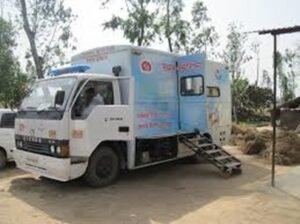
- Mobile medical units for remote areas
- Special health camps in tribal settlements
- Nutritional support programs
5.4 Immunization Programs
- Vaccination for children
- Disease prevention campaigns
- Role of NGOs and Community Support
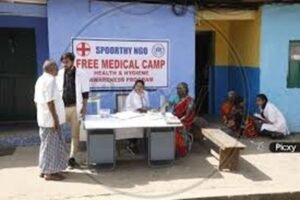
NGOs and local organisations play an important role in improving public health:
- Health awareness campaigns
- Free medical camps in villages
- Support for tribal healthcare
- Nutrition and sanitation programs
👉 Community participation strengthens healthcare delivery.
- Challenges in Public Health Management
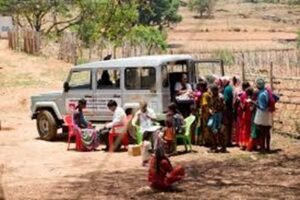
7.1 Geographic Barriers
- Remote and forested settlements
- Difficult terrain affects emergency services
7.2 Shortage of Medical Staff
- Lack of specialists in rural hospitals
- High workload in government hospitals
7.3 Awareness Issues
- Limited health education in remote areas
- Misconceptions about diseases and treatment
7.4 Infrastructure Gaps
- Limited advanced medical facilities
- Poor transport and ambulance connectivity
- Suggestions for Improvement
8.1 Strengthen Rural Healthcare
- More doctors and staff in PHCs
- Mobile health units for remote areas
8.2 Improve Nutrition Programs
- School midday meal strengthening
- Special nutrition for tribal children and pregnant women
8.3 Increase Awareness
- Health education campaigns
- Focus on hygiene and disease prevention
8.4 Improve Emergency Services
- Better ambulance network
- Faster road connectivity for medical access
8.5 Mental Health Support
- Counseling centers in rural areas
- Awareness about mental health issues
- Conclusion
Public health in Wayanad district is shaped by a combination of geographical challenges, socio-economic conditions, and environmental factors. While Kerala has a strong healthcare system, Wayanad still faces issues such as malnutrition, communicable diseases, tribal health disparities, and limited access to medical facilities in remote areas.
Improving public health in Wayanad requires a multi-level approach involving government action, community participation, NGOs, and improved infrastructure. With proper planning and awareness, Wayanad can achieve better health outcomes and ensure a healthier future for all its communities.