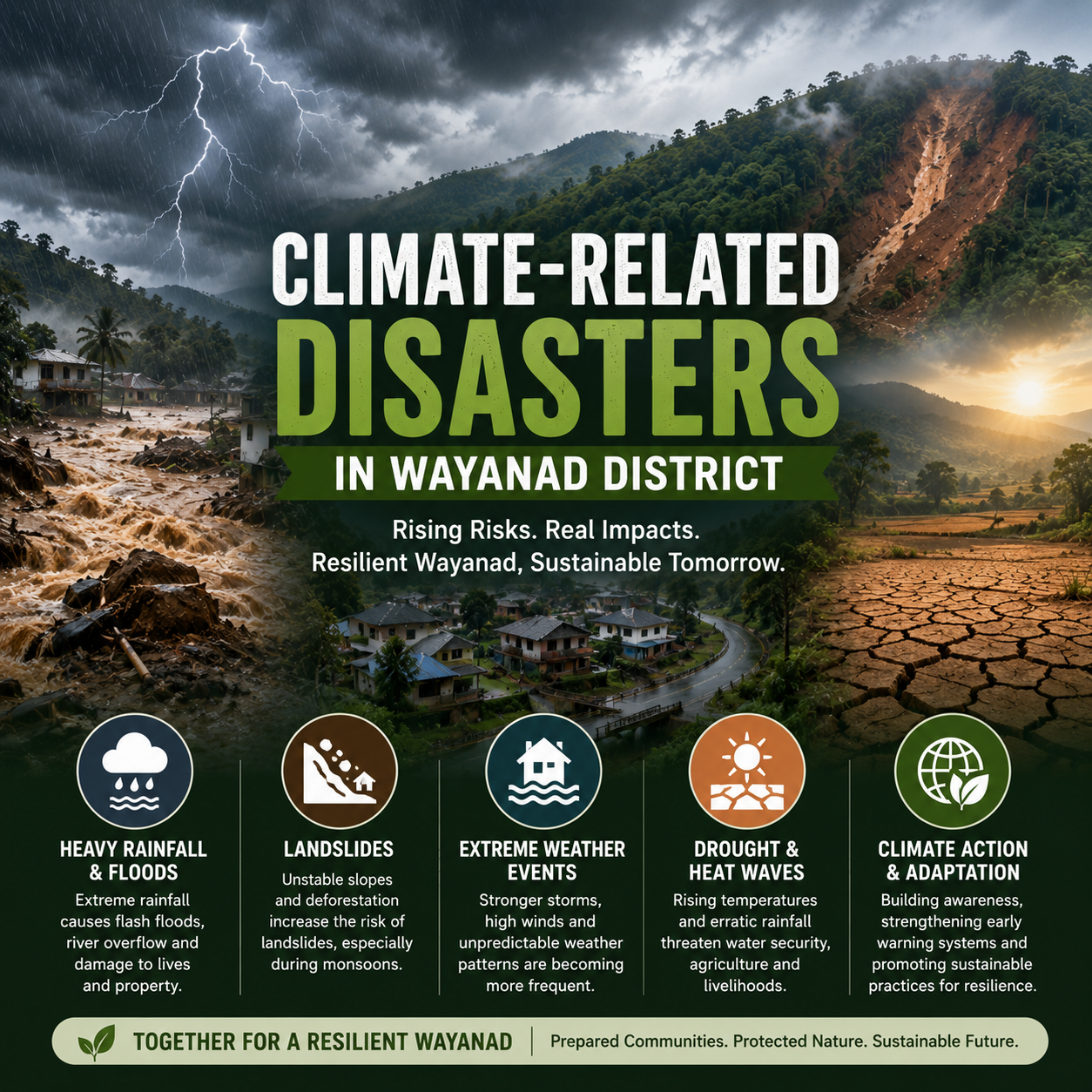

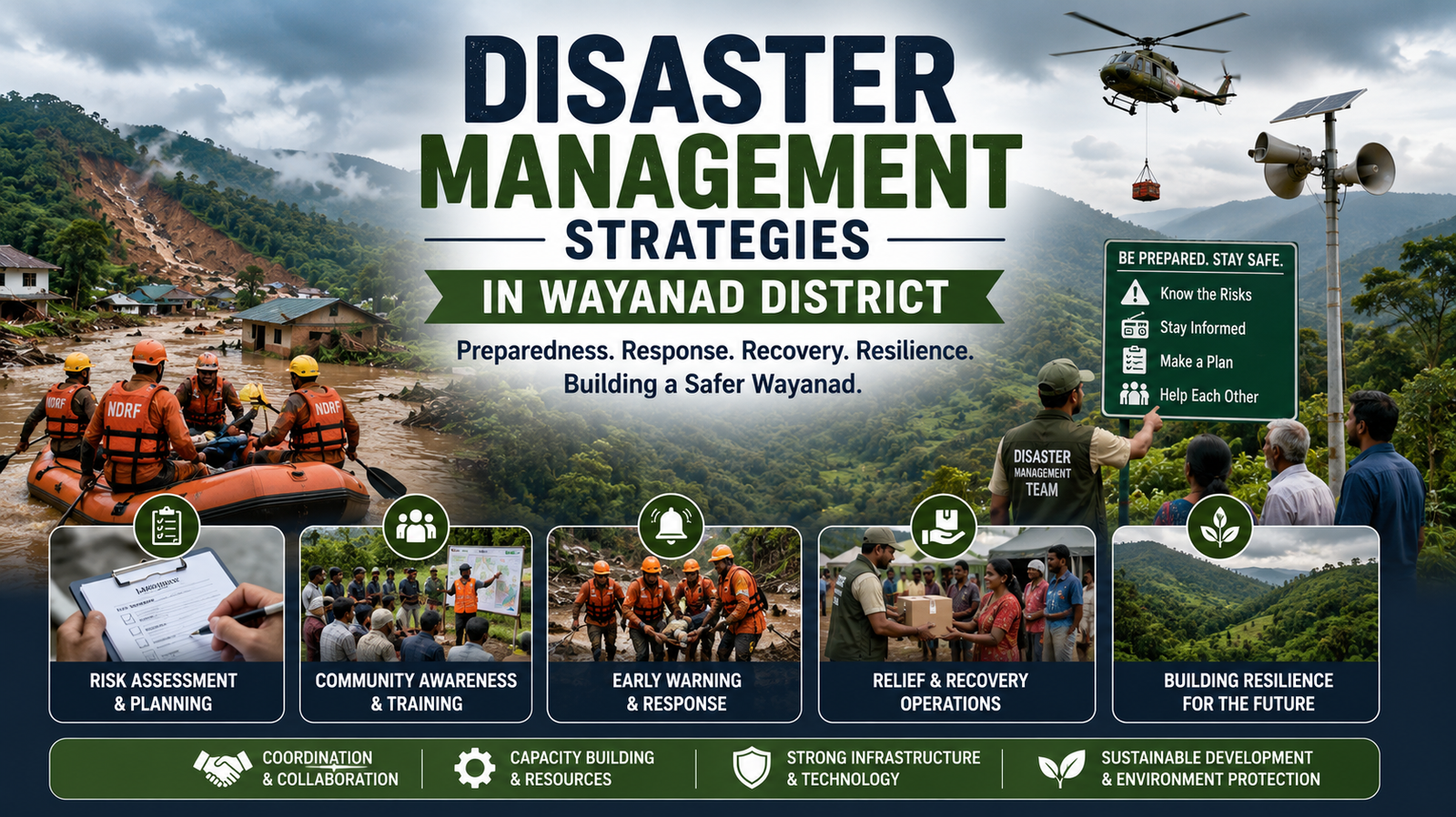
The Wayanad district, located in the ecologically sensitive Western Ghats, is highly vulnerable to natural disasters such as floods, landslides, and extreme rainfall. In recent years, these disasters have caused significant loss of life, property, and livelihoods.
To reduce risks and improve resilience, authorities and communities in Wayanad have adopted comprehensive disaster management strategies focusing on preparedness, response, recovery, and mitigation.
- Understanding Disaster Vulnerability

Geographical Sensitivity
Wayanad’s hilly terrain, steep slopes, and dense forests make it prone to landslides and flash floods. Heavy rainfall during the monsoon season further increases vulnerability.
Climate Change Impact
Changing climate patterns have led to intense and unpredictable rainfall, increasing the frequency of disasters. This has made disaster management planning more complex and urgent.
2. Institutional Framework and Planning

District Disaster Management Authority (DDMA)
The District Disaster Management Authority (DDMA) plays a central role in planning and coordinating disaster response in Wayanad. It is responsible for:
- Preparing disaster management plans
- Coordinating with government departments
- Ensuring timely response during emergencies
State-Level Coordination
The Kerala State Disaster Management Authority (KSDMA) works closely with district officials to provide:
- Technical support
- Early warning systems
- Policy guidance
This coordination ensures a structured and organised disaster response system.
- Early Warning Systems

Weather Forecasting and Alerts
Advanced weather monitoring systems provide early warnings about heavy rainfall, floods, and landslides. Alerts are communicated through:
- Mobile messages
- Television and radio
- Social media platforms
Community Alert Systems
Local authorities and volunteers spread warnings through:
- Public announcements
- Sirens and loudspeakers
- Door-to-door communication in remote areas
These systems help people prepare and evacuate in time.
3. Preparedness and Risk Reduction
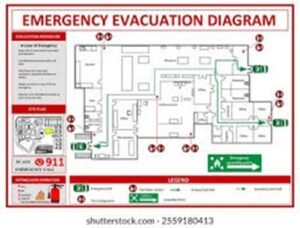
Disaster Preparedness Plans
Authorities prepare detailed plans for:
- Evacuation routes
- Safe shelters
- Emergency resource allocation
Schools, hospitals, and public institutions are trained to respond effectively during disasters.
Community Awareness Programs
Awareness campaigns educate people about:
- Disaster risks
- Safety measures
- Emergency response procedures
Workshops, training sessions, and mock drills are conducted regularly to improve preparedness.
3. Rescue and Emergency Response
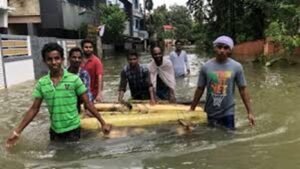
Rescue Teams and Operations
During disasters, multiple agencies work together, including:
- Fire and rescue services
- Police and health departments
- National Disaster Response Force (NDRF)
Rescue operations involve evacuation, search missions, and providing immediate assistance.
Use of Technology in Rescue
Modern tools such as drones, GPS systems, and communication devices help in:
- Locating affected areas
- Monitoring disaster zones
- Coordinating rescue efforts
3. Relief and Rehabilitation Measures
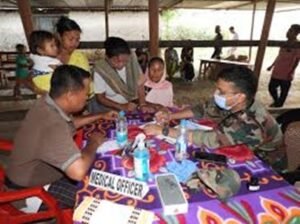
Relief Camps and Emergency Support
Relief camps are set up in schools and community halls to provide:
- Food and drinking water
- Medical care
- Temporary shelter
Special care is given to vulnerable groups like children, the elderly, and pregnant women.
Long-Term Rehabilitation
After disasters, the focus shifts to:
- Rebuilding homes and infrastructure
- Providing financial assistance
- Restoring livelihoods
Rehabilitation programmes aim to help communities recover and rebuild their lives.
3. Infrastructure and Environmental Management

Sustainable Land Use Planning
Authorities are working to:
- Restrict construction in high-risk zones
- Promote eco-friendly development
- Protect forests and natural resources
Flood and Landslide Mitigation
Measures include:
- Strengthening riverbanks
- Improving drainage systems
- Stabilizing slopes with vegetation and engineering solutions
These steps help reduce the impact of future disasters.
3. Role of Community and Local Participation
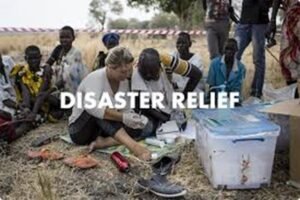
Community-Based Disaster Management
Local communities play a crucial role in disaster management by:
- Participating in training programs
- Assisting in rescue and relief efforts
- Sharing local knowledge of terrain and risks
Volunteer Networks
Youth groups, NGOs, and volunteers actively support:
- Awareness campaigns
- Relief distribution
- Rehabilitation activities
Their involvement strengthens community resilience.
3. Challenges in Disaster Management
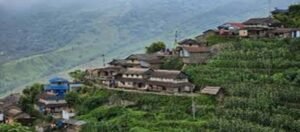
Despite progress, several challenges remain:
- Difficult terrain and remote locations
- Limited infrastructure in rural areas
- Rapid climate changes
- Need for better coordination and resources
Addressing these challenges is essential for improving disaster preparedness.
3. Future Strategies and Improvements

Use of Advanced Technology
Future plans include:
- AI-based weather prediction
- Improved satellite monitoring
- Real-time disaster tracking systems
Strengthening Policies and Planning
Authorities aim to:
- Implement stricter environmental regulations
- Enhance disaster management policies
- Increase funding for infrastructure and training
Building Resilient Communities
Focus on:
- Education and awareness
- Community participation
- Sustainable development
These strategies will help Wayanad become more disaster-resilient.
Conclusion
Disaster management in the Wayanad district has evolved significantly in response to increasing natural disasters. Through effective planning, early warning systems, community involvement, and sustainable practices, the district is working towards minimising risks and protecting lives.
However, continuous improvement, technological advancement, and strong community participation are essential to ensure a safe and resilient future for Wayanad.