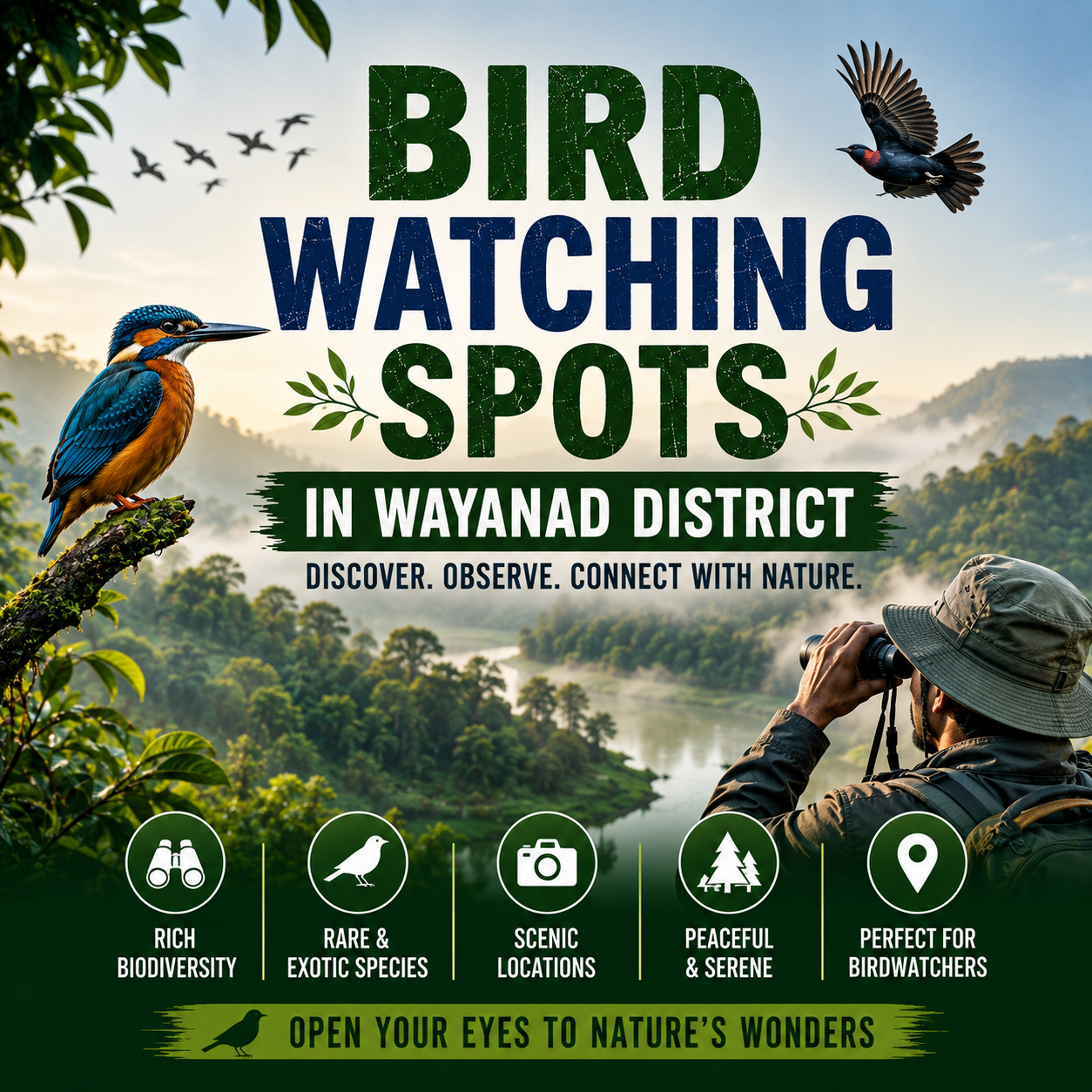

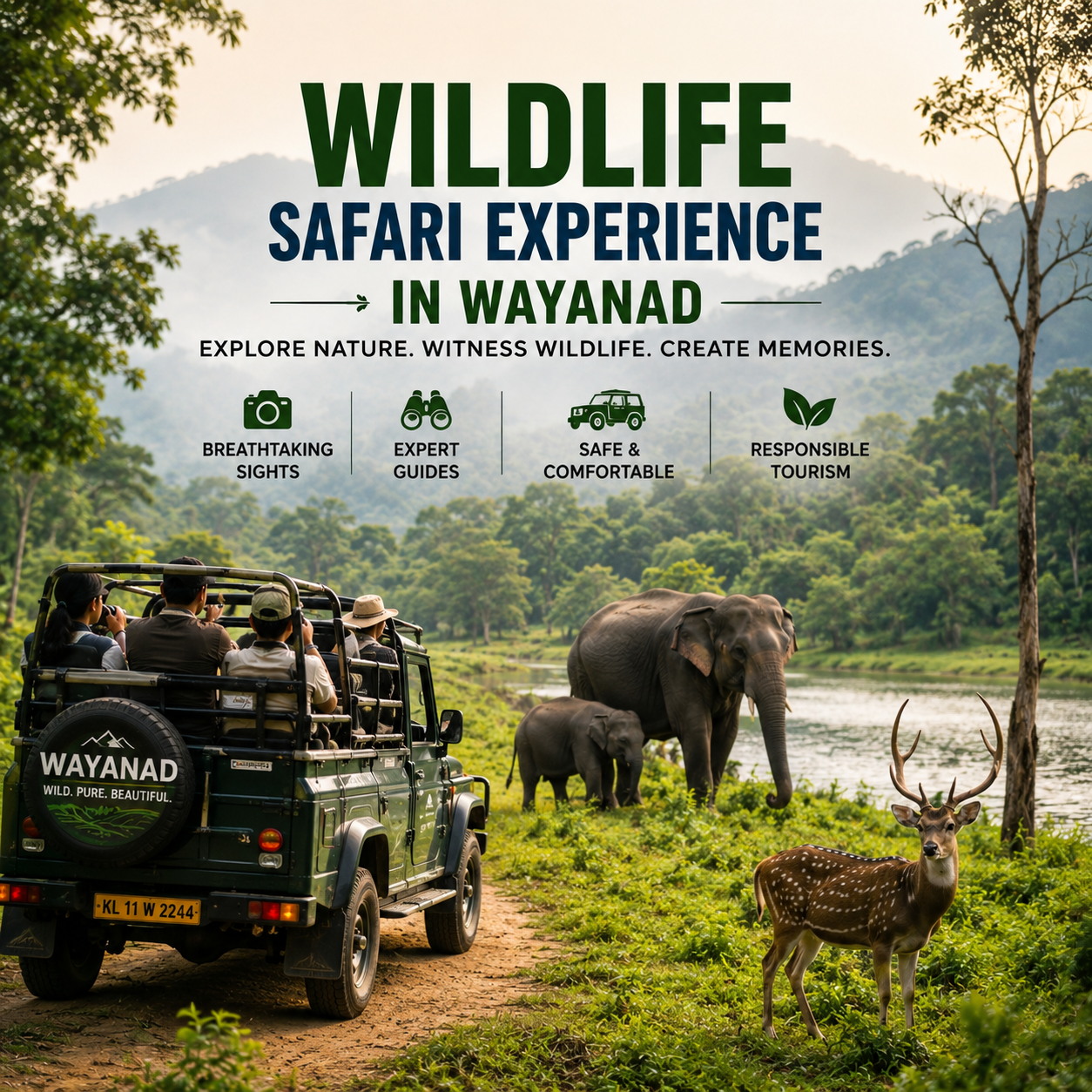
Wayanad, located in the northern part of Kerala in the Western Ghats, is one of the most important wildlife destinations in India. It is widely known for its dense forests, rich biodiversity, and protected natural habitats. The district is home to the Wayanad Wildlife Sanctuary, which forms an integral part of the Nilgiri Biosphere Reserve, one of the largest protected forest ecosystems in South India.
A wildlife safari in Wayanad offers visitors an exciting opportunity to explore untamed forests, observe wild animals in their natural habitat, and experience the beauty of nature up close. The safari is not only an adventure activity but also an educational journey into forest conservation and biodiversity.
- Wayanad Wildlife Sanctuary – The Core Safari Zone
The Wayanad Wildlife Sanctuary is the main attraction for safari experiences in the district. It is spread across two major forest divisions:
- Muthanga Range
- Tholpetty Range
These regions are well-protected and allow controlled jeep safaris for tourists.
Key Features:
- Part of Nilgiri Biosphere Reserve
- Rich in tropical and moist deciduous forests
- High population of elephants
- Home to endangered species
The sanctuary provides a safe environment for both animals and visitors while promoting eco-tourism.
- Safari Zones in Wayanad
- a) Muthanga Wildlife Safari
Muthanga is one of the most popular safari zones in Wayanad. It is located near Sultan Bathery and is known for frequent elephant sightings.
Highlights:
- Easy accessibility for tourists
- Jeep safari through forest roads
- High chance of spotting elephants, deer, and monkeys
- Occasional sightings of leopards and wild boars
Muthanga is especially famous during early morning and evening safaris when animal movement is high.
b) Tholpetty Wildlife Safari
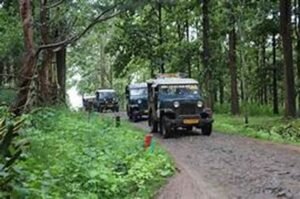
Tholpetty is located in the northern part of Wayanad, near the Karnataka border. It is less crowded compared to Muthanga and offers a more peaceful jungle experience.
Highlights:
- Dense forest coverage
- More chances of seeing rare wildlife
- Birdwatching opportunities
- A calm and less commercialized safari experience
Tholpetty is ideal for tourists who prefer quiet nature exploration.
- Wildlife Species in Wayanad
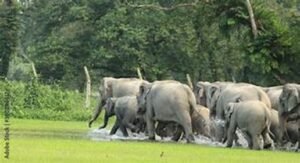
Wayanad is known for its rich biodiversity. During safari rides, visitors may encounter a variety of animals and birds.
Mammals:
- Asian elephants
- Bengal tigers (rare sightings)
- Leopards
- Sloth bears
- Sambar deer
- Spotted deer (chital)
- Wild boar
Birds:
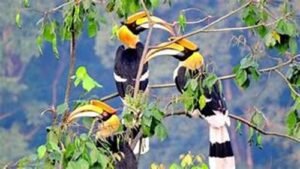
- Malabar grey hornbill
- Peacocks
- Woodpeckers
- Kingfishers
- Egrets and herons
Reptiles:
- Monitor lizards
- Snakes (including pythons)
The diversity of wildlife makes Wayanad one of the richest ecological zones in South India.
- Safari Experience and Activities
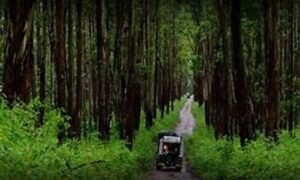
A wildlife safari in Wayanad is usually conducted in open jeep vehicles guided by trained forest officials or ecotourism guides.
Safari Experience Includes:
- Early morning or evening jeep rides
- Forest exploration through designated routes
- Wildlife spotting with binoculars
- Photography opportunities
- Nature interpretation by guides
The safari typically lasts 1.5 to 2 hours, depending on the route and forest conditions.
- Best Time for Wildlife Safari
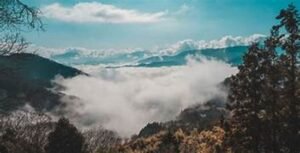
The best time to enjoy a wildlife safari in Wayanad is the following:
October to May (Ideal Season)
- Pleasant weather
- Higher chances of animal sightings
- Dry forest paths make travel easier
Monsoon Season (June–September)
- Forest becomes very lush and green
- Safari may be restricted due to heavy rains
- Wildlife is harder to spot but scenery is beautiful
Early mornings and late afternoons are the best times for animal sightings.
- Eco-Tourism and Conservation Efforts
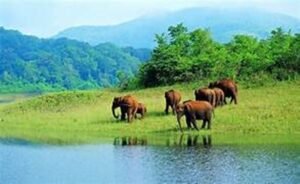
The Wayanad wildlife safari is strongly connected to ecotourism and conservation. The Kerala Forest Department ensures that tourism does not disturb the natural habitat.
Conservation Measures:
- Limited number of safari vehicles
- Strict forest entry rules
- No plastic zones inside forests
- Awareness programs for tourists
Eco-tourism also helps local communities by providing jobs such as the following:
- Jeep drivers
- Forest guides
- Eco-tourism staff
- Handicraft sellers
This ensures that tourism supports both nature and people.
- Importance of Wildlife Safari in Wayanad
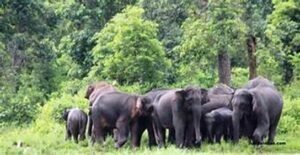
Wildlife safaris play a major role in Wayanad’s tourism and economy.
Key Importance:
- Promotes eco-tourism in Kerala
- Increases awareness about wildlife conservation
- Provides livelihood to local communities
- Attracts domestic and international tourists
- Encourages protection of forests and biodiversity
Safari tourism also helps in funding forest protection programmes and research activities.
- Safety Rules for Safari Visitors
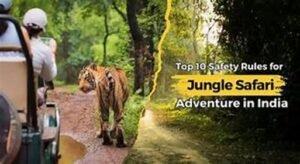
Visitors must follow strict rules during a safari:
- Do not get out of the vehicle inside forest
- Do not feed animals
- Avoid loud noise and music
- Follow guide instructions strictly
- Do not litter or use plastic
- Maintain safe distance from wildlife
These rules ensure safety for both humans and animals.
- Challenges Faced by Wildlife Tourism
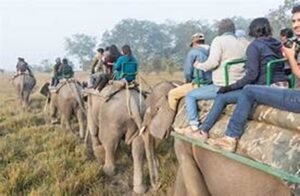
Despite its popularity, wildlife tourism in Wayanad faces some challenges:
- Human-wildlife conflict in forest fringe areas
- Overcrowding during peak tourist seasons
- Environmental pressure due to tourism
- Need for better conservation awareness
Proper management is required to balance tourism and ecological protection.
Conclusion
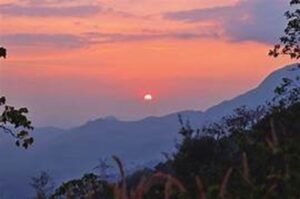
The wildlife safari experience in Wayanad is one of the most thrilling and educational activities in Kerala. It offers a rare opportunity to explore the natural world, observe wild animals in their natural environment, and understand the importance of biodiversity conservation.
With its rich forests, diverse wildlife, and well-managed eco-tourism system, Wayanad stands as a model destination for sustainable wildlife tourism in India. A safari here is not just a journey through the forest but a deep connection with nature itself.